App Logo

Download Our App

Shop your way

logologo
Image

The benefits of berries

05/08/2025By: ICN
The benefits of berries

the introduction

The definition of berries is a small fruit, full of juice, belonging to the twin family. It is rich in vitamins, minerals and antioxidants that enhance health. The berries grow in groups on bright green leaves, and are characterized by the diversity of their colors such as red, blue and black. The date of cultivation of berries is that the cultivation of berries is for thousands of years. Man began to grow it for food and medical purposes in many regions of the world, especially in Asia and Europe. It was used in different cultures as a food component and the drug industry. Today, berries cultivation is common all over the world, as it is used in the manufacture of jam, juices and sweets.

Nutritional value for berries

Mutal elements in berries The berries contain a group of important nutrients, including vitamin C and vitamin K, as well as fiber. It also contains good amounts of manganese and folate, making it a very nourishing food option. The health benefits of eating berries contribute to improving heart health and regulating blood sugar level. The antioxidants in it also help fight free radicals and reduce the risk of some diseases. In addition, it is believed that berries enhance the functions of the brain, making it a useful part of the daily diet.

The effect of berries on health

Strengthening the immune system is one of the foods that enhance the immune system. Thanks to its antioxidants, eating berries can improve the body's response to anti -infection and diseases. Consequently, it is recommended to include it in the diet to enhance public health. Protection from chronic diseases in addition, research shows that berries can play a role in protecting against chronic diseases such as diabetes and heart disease. Eating berries regularly may help reduce infections, which enhances the long -term physical health.

Uses of berries in cooking

Delicious recipes contain berries varying the use of berries in cooking in many delicious recipes. It can be used to prepare sweets such as cakes and jam, and it can also be added to salads and juices to enhance flavor. Raspberries are often used as a filling for stuffed fruit or as an addition to decorating dishes, making it an ideal choice for healthy and delicious food lovers. Various methods of berries can be prepared in several ways, including simple cooking in a skillet with a little sugar to prepare rich sauces. It can also be frozen to keep its freshness or use in the work of refreshing juices and drinks. The roads vary, but they all contribute to improving flavor and adding a nutritional value.

Benefits of berries for skin and hair

The effect of berries on the health of the skin can have a noticeable effect on the health of the skin thanks to its antioxidants that fight aging. Vitamins and minerals in it also help moisturize the skin and enhance its radiance. Therefore, the berries mask is an excellent choice for improving the appearance and purification of the skin. Recipes to improve hair quality using berries are characterized by its great benefits in improving hair health. By mixing it with natural oils such as olive oil or coconut oil, it can be used as a nutrient that is reinforced from hair growth and increases its shine. The berries recipes are a great choice to keep healthy and beautiful hair.
* All articles published on this blog are sourced from various websites and are provided for informational purposes only. They should not be considered as confirmed studies or accurate information. Please verify the information independently before relying on it.

Similar ARTICLES

High Yield Fig Trees in Small Gardens
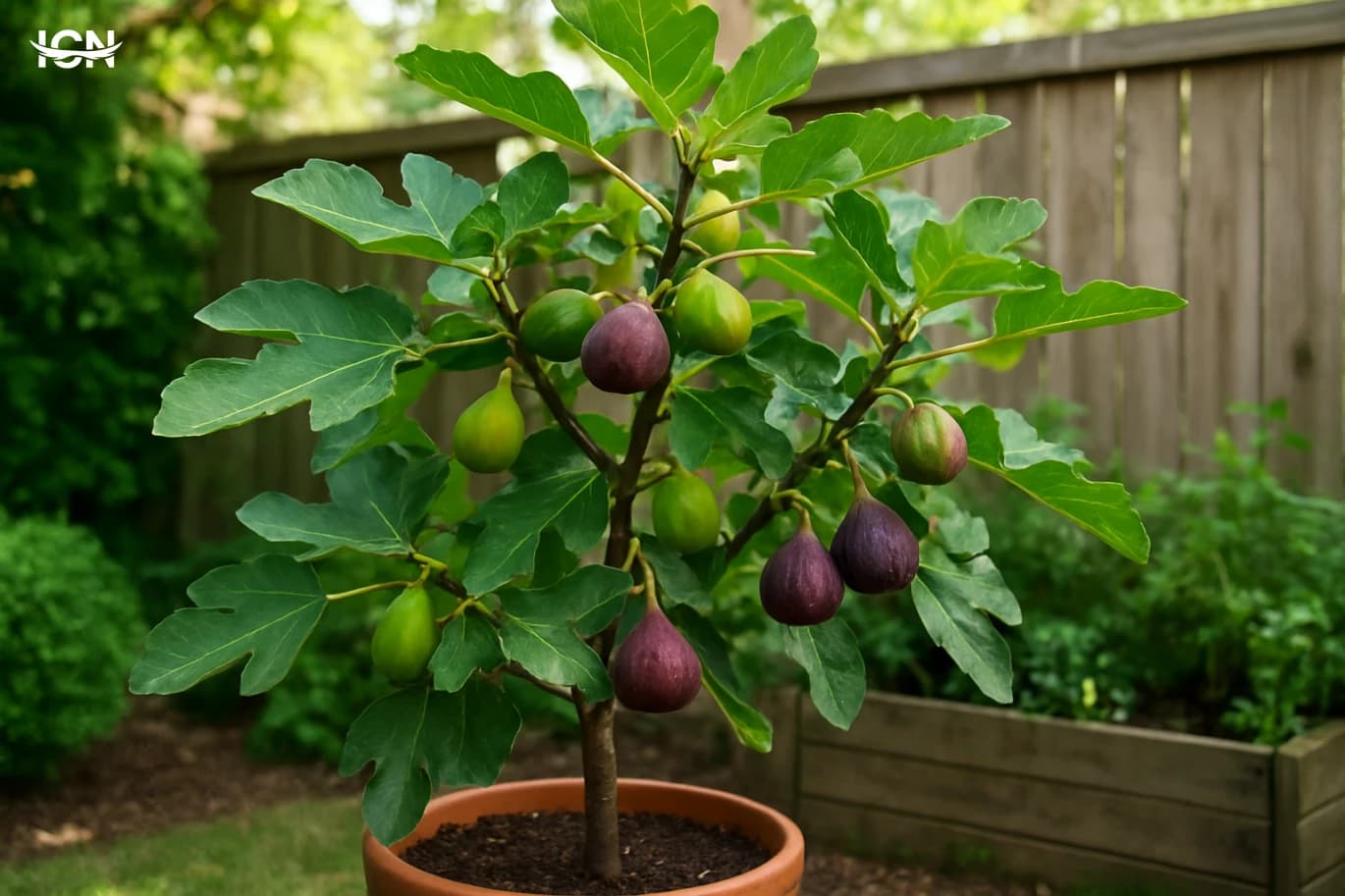
Fig trees are among the most practical fruit plants for compact yards, patios, and narrow side gardens because they can be trained to stay productive at a manageable size. Unlike many fruit trees that demand a large canopy to crop well, figs can fruit on relatively short, well-lit shoots when pruning is timed correctly. Their root systems are also adaptable: they tolerate container culture, raised beds, and restricted root zones, which naturally limits excessive vegetative growth and encourages fruiting. For gardeners who want reliable harvests without dedicating a full corner of the yard to a single tree, figs offer a strong balance of yield, resilience, and flexible training options. Another advantage is the speed to results. Many fig varieties begin producing within one to three years after planting, especially when started from a healthy young plant rather than seed. In warm climates, some cultivars can provide two distinct crops—an early breba crop on last year’s wood and a main crop on current season growth. Even in cooler regions, a single main crop can be substantial if the tree is placed in full sun and protected from harsh winter exposure. This combination of early bearing and adaptable form makes figs a realistic “small space, big harvest” candidate.
Growing Pistachios in Small Orchards
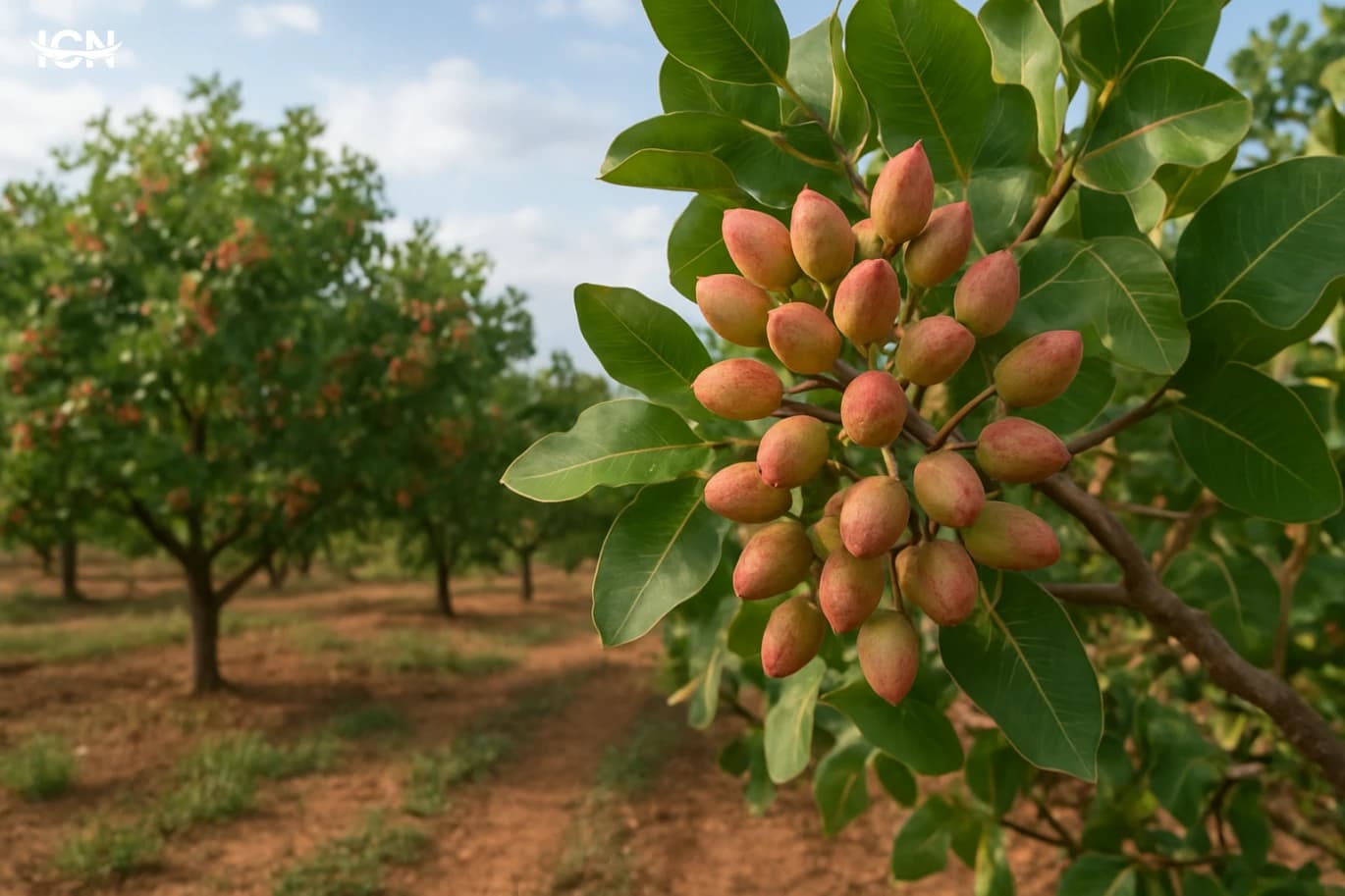
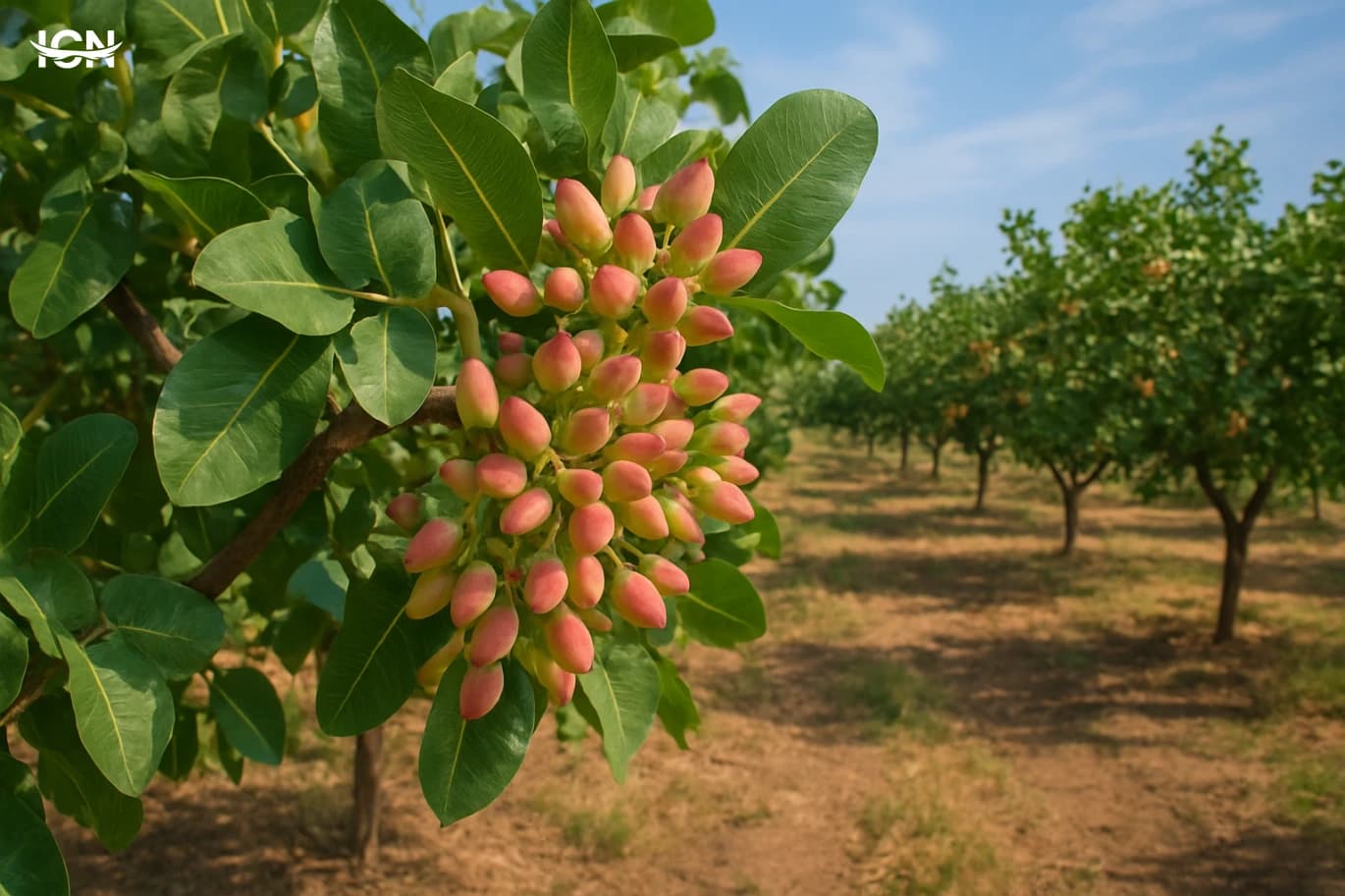
Pistachio is often associated with large commercial orchards, but it can be a practical choice for small growers who plan carefully. The tree is long-lived, tolerates drought once established, and produces a high-value nut that stores and ships well. For a small orchard, the appeal is not only the market price; it is also the ability to scale gradually, starting with a limited number of trees and expanding as irrigation, labor, and processing capacity improve. The main constraint is that pistachio is not a quick-return crop. Trees typically take several years to produce meaningful yields, and production can vary from season to season. Small growers who succeed usually treat pistachio as a long-term asset and combine it with other crops or income sources during the establishment period. With the right site, correct tree pairing for pollination, and a disciplined approach to irrigation and nutrition, a small orchard can produce consistent, marketable nuts without needing industrial-scale infrastructure.
Growing Pistachio Trees in Hot, Dry Gardens
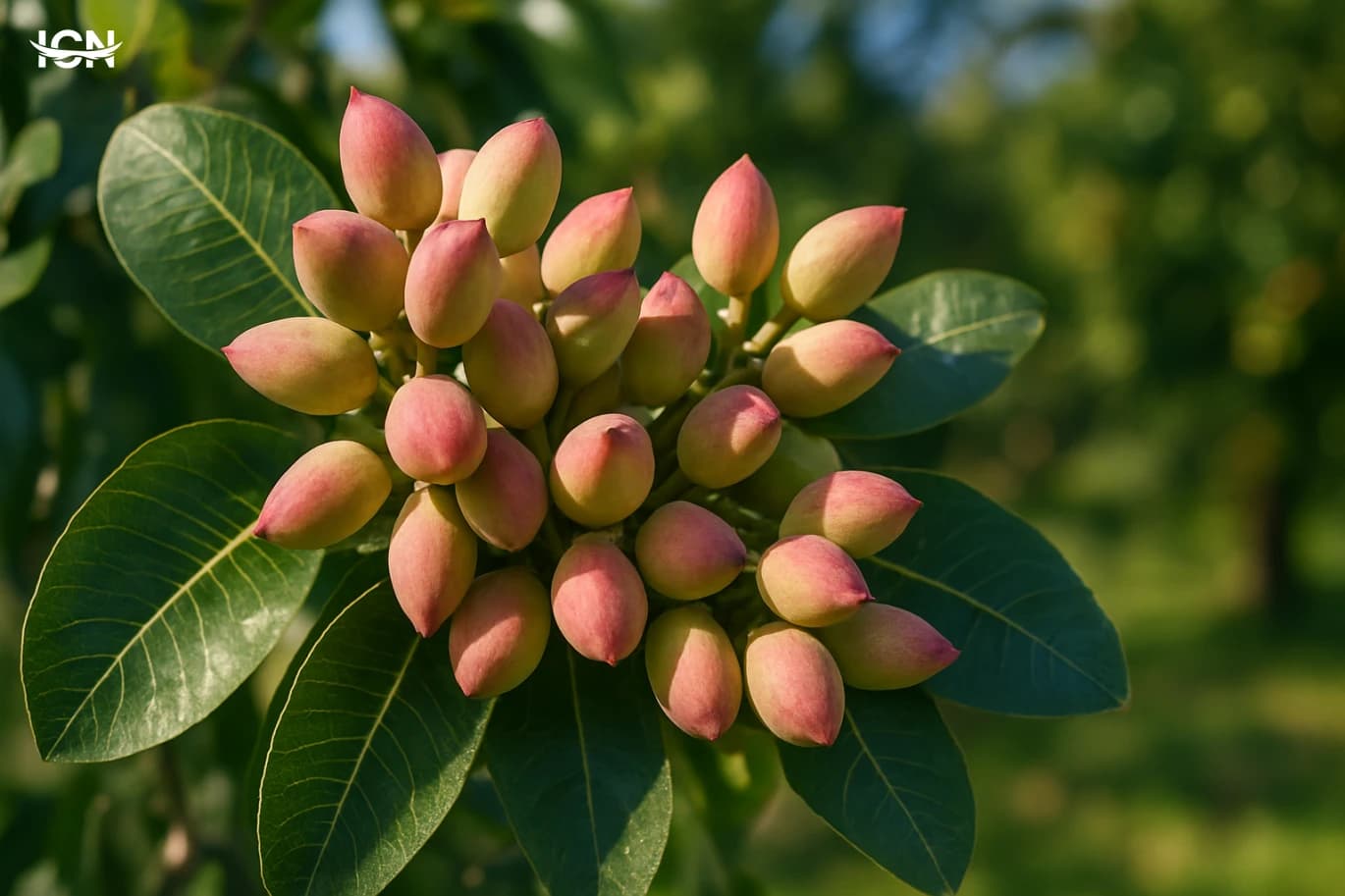
Pistachio (Pistacia vera) is one of the few nut trees that can be practical in landscapes where summers are long, rainfall is limited, and irrigation water is expensive. Once established, a pistachio tree is more tolerant of heat and periodic drought than many common fruit trees, and it performs best where the air is dry during the growing season. That dry air matters because it reduces disease pressure on leaves and nuts, especially compared with humid regions where fungal problems can become a constant maintenance issue. The crop also matches places with cold winters and hot summers. Pistachios need winter chill to set a strong bloom, then a warm, bright season to fill kernels and dry the shells. For home gardeners, this means pistachio is not a “plant it anywhere” tree; it is a strategic choice for specific climate zones. In the right conditions, it can be a long-lived, low-canopy-maintenance tree that produces a high-value harvest, while also serving as a shade tree with a clean, open structure. This topic focuses on practical decisions: site selection, soil preparation, irrigation strategy, and the male–female pollination requirement that often surprises first-time growers. It also addresses what realistic yields look like in a backyard setting, and how to avoid common mistakes that lead to years of growth with little or no nut production.
April’s Best Seasonal Produce
April is a transition month in many Mediterranean and Middle Eastern markets: late-winter crops are still available, while early spring harvests begin to arrive in better volume and quality. This overlap matters for shoppers because it usually means more choice, steadier supply, and better pricing on items that are peaking locally rather than traveling long distances. Seasonal produce also tends to be harvested closer to ripeness, which affects flavor, texture, and how long it keeps at home. What counts as “in season” can vary by country, altitude, and whether the produce is grown in open fields or protected cultivation. Still, April commonly brings a recognizable basket: strawberries and early stone fruit in some areas, citrus finishing its main run, and a strong lineup of leafy greens and tender vegetables. Knowing the typical April calendar helps you plan meals, buy smarter, and reduce waste by choosing items that are naturally abundant.
Growing Pistachios in Small Farms
Pistachio is often seen as a large-orchard crop, but it can be a practical choice for small farms when planned carefully. The trees are long-lived, tolerate heat better than many fruit crops, and can produce a high-value nut that stores and ships well. For growers with limited land, pistachio’s economics can work because the product is dense in value per kilogram and less perishable than fresh fruit. That said, it is not a quick-return plant: most orchards need several years before meaningful harvests, so it suits farms that can invest patiently. Small growers also benefit from pistachio’s compatibility with mixed systems. Inter-row space can be used for cover crops, herbs, or short-term annuals during the early years, helping cash flow and soil health. The key is to treat pistachio as a managed orchard crop with clear goals for water, canopy training, and pollination, rather than as a “plant it and forget it” tree. When those basics are in place, small farms can compete by focusing on quality, careful harvest timing, and direct-to-consumer packaging.
Growing Pistachios in Hot, Dry Gardens
Pistachio (Pistacia vera) is one of the few nut trees that can perform well where summers are long, hot, and low in humidity. Once established, it tolerates drought better than many fruit and nut plants because it naturally grows in semi-arid regions and develops a deep, wide root system. That said, “drought-tolerant” does not mean “no water.” Reliable yields depend on targeted irrigation during key growth stages, especially from flowering through shell hardening. Pistachio also benefits from strong sunlight and heat to mature kernels properly, which is why it often struggles in cool coastal zones. For home growers, the main attraction is efficiency: a mature tree can produce a meaningful harvest with less water than many orchard crops, provided the site has good drainage and the right pollination setup. The main limitation is patience. Pistachios take several years to begin bearing and they can show alternate bearing, producing a heavy crop one year and a lighter crop the next. Understanding these traits upfront helps gardeners plan spacing, irrigation, and expectations realistically.
Growing Pistachios in Small Orchards
Pistachio is often associated with large commercial orchards, yet it can be a practical fruit and nut plant for small landholders when the site is chosen carefully and expectations are realistic. The tree is long-lived, tolerates drought once established, and can produce a high-value crop that stores and ships well compared with many fresh fruits. For small orchards, the appeal is not only price per kilogram, but also the ability to stagger investment: you can start with a limited number of trees, expand later, and build processing and storage capacity over time. The main trade-off is patience. Pistachio is not a quick-return crop; meaningful yields typically arrive several years after planting, and production can fluctuate with alternate bearing if nutrition and pruning are inconsistent. Small growers can manage this risk by focusing on quality, consistent irrigation scheduling, and careful harvest timing rather than chasing maximum volume. With a clear plan for cultivar choice, pollination, and post-harvest handling, a small orchard can compete by delivering clean, well-dried nuts with reliable sizing and low defect rates.
Growing Almonds in Small Orchards
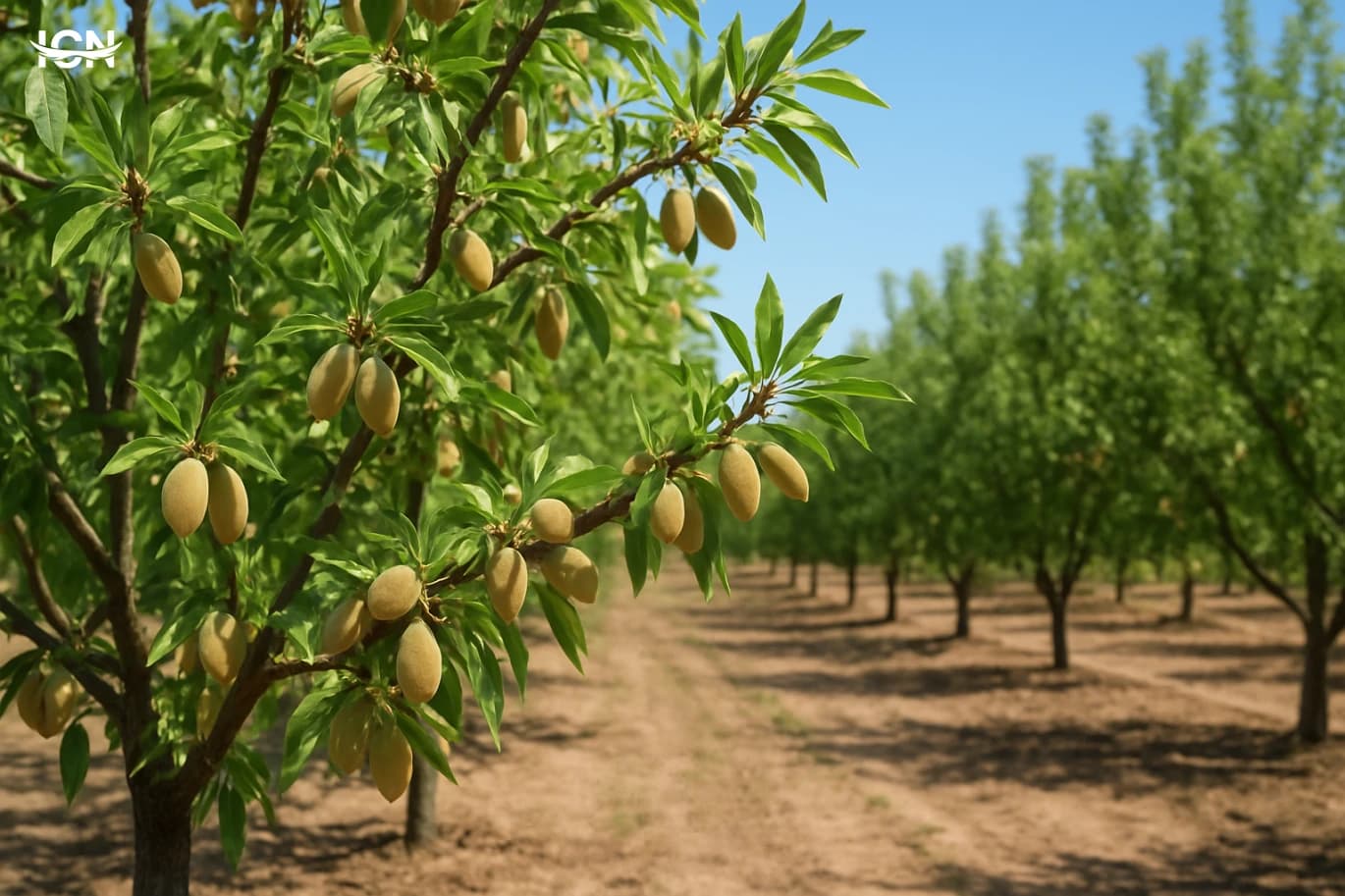
Almonds are one of the most practical fruit-and-nut crops for small orchards because they can deliver high value per hectare when managed carefully. The trees are long-lived, and once established they can produce for decades, which helps spread establishment costs over many seasons. For growers selling directly to consumers, almonds also have a clear story: they are familiar, easy to store after drying, and can be marketed as raw kernels, roasted snacks, or ingredients for baking. From a production standpoint, almonds reward attention to timing and orchard hygiene more than heavy inputs. A small operation can focus on precise irrigation, targeted pest monitoring, and careful harvest handling rather than relying on scale. However, almonds are not a “set and forget” crop. They require reliable pollination, protection from spring frost in many regions, and a plan for managing hulls and shells after harvest. The key advantage for small farms is that these challenges can be addressed with good planning and close observation rather than expensive machinery.
Backyard Pistachios That Actually Produce
Pistachio trees are often treated as a commercial crop, but they can be a realistic home-garden project if you plan for their needs. A mature tree can provide a meaningful harvest of nuts for roasting, baking, and gifting, and the tree itself is long-lived and structurally attractive. What makes pistachios different from many fruit trees is their tolerance for heat and their preference for dry air during ripening, which can make them a better fit than stone fruit in some hot inland areas. The trade-off is patience and planning. Pistachios are not a quick-return plant: you are typically looking at several years before a first real crop, and you must plant both male and female trees for pollination. They also demand a specific climate pattern—cold enough winters to break dormancy, followed by hot summers to fill and split the shells. If your yard can meet those conditions, pistachios can be one of the most satisfying fruit-and-nut plants to grow because the harvest is shelf-stable and the tree’s annual care is straightforward once established.
Managing Fruit and Nut Tree Diversity
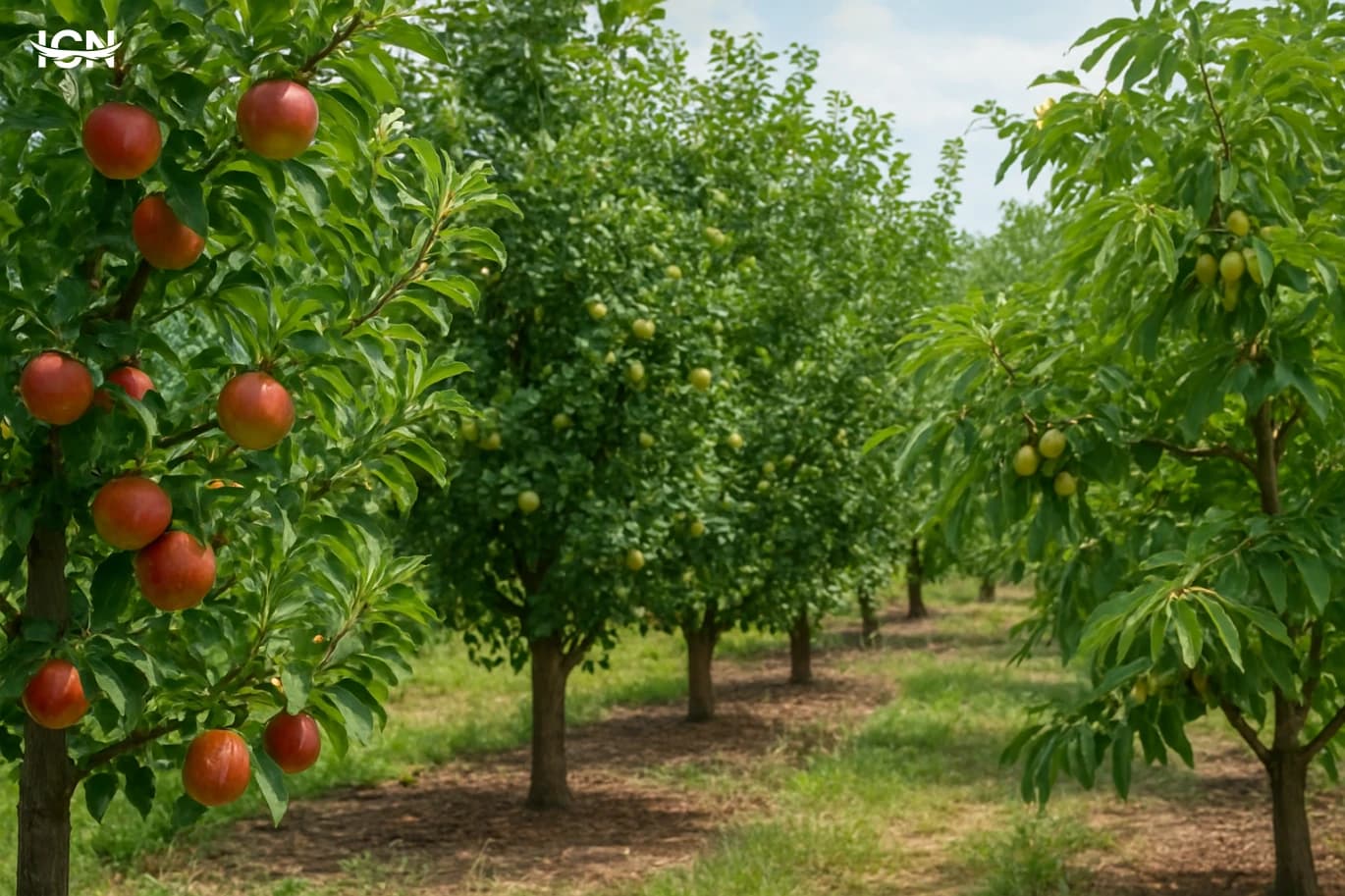
This article outlines practical strategies for establishing and managing diverse fruit and nut plantings in home orchards, small farms, and commercial blocks. Diversity increases resilience to climate variability and pests; selecting a mix of species and complementary cultivars reduces the risk of total crop failure. The content emphasizes measurable decisions: matching chill-hour requirements to local climate records, choosing appropriate rootstocks to control tree size, and balancing early-, mid- and late-season varieties to extend harvest windows. Readers will find guidance on cost-effective spacing, basic soil testing thresholds (pH 5.5–7.5 range targets for most species), and simple recordkeeping metrics such as yield per tree and input costs per hectare. The introduction sets expectations for the rest of the piece by defining goals—productivity, pest suppression, and market diversity—and by identifying the regional information a grower must collect before planting.
Mung Bean Plant
Mung Bean Plant
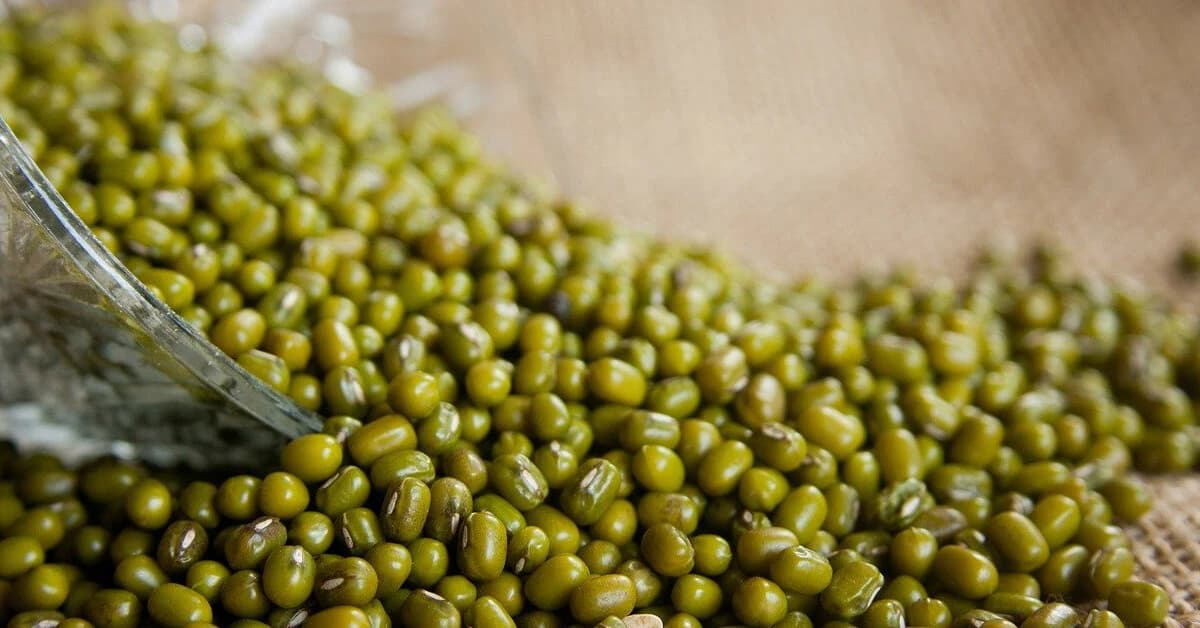
Mung beans are used in various forms, including dried mung beans, or ground to make flour, or most commonly, as nutritious mung bean sprouts. The scientific classification and taxonomic rank of the mung plant (Vigna radiata) help appreciate its place in the world of plants. We must take an in-depth look at its scientific classification, defining its taxonomic rank and its relationship with other living organisms. The mung plant bears the scientific name Vigna radiata and was described and classified by the scientist (L.) R.Wilczek. These legumes belong to the domain Eukaryotes and are an integral part of the Plantae Kingdom, which includes all plants. The globally recognized taxonomic structure provides a detailed view of the classification found in reliable sources like Wikipedia, WikiData, and Wikimedia Commons: Domain: Eukaryotes Kingdom: Plantae Division: Vascular Plants or Tracheophytes Subdivision: Seed Plants or Spermatophytes Class: Angiosperms or Flowering Plants Order: Fabales Family: Fabaceae Genus: Vigna Species: Vigna radiata This arrangement places mung within the embryophytes and true leaf plants, confirming its biological status as a flowering and seed-bearing plant. Conservation Status of Mung Plant As a widely cultivated crop consumed globally, Vigna radiata enjoys a very stable status in nature. According to IUCN assessments, the conservation status of mung is Least Concern. This means that mung beans are not a threatened species and have a low extinction risk, ensuring their continued availability as a safe and sustainable main food source.
By clicking the SUBSCRIBE button, you are agreeing to our Privacy & Cookie Policy If you want to unsubsribe the marketing email, please proceed to our privacy center.
© 2005-2026 ICN. All Rights Reserved.