Managing Fruit and Nut Tree Diversity
- Introduction
- Choosing Species and Varieties
- Site Selection and Soil Management
- Planting and Establishment
- Pest, Disease and Wildlife Management
- Harvest, Postharvest and Economics
Introduction
This article outlines practical strategies for establishing and managing diverse fruit and nut plantings in home orchards, small farms, and commercial blocks. Diversity increases resilience to climate variability and pests; selecting a mix of species and complementary cultivars reduces the risk of total crop failure. The content emphasizes measurable decisions: matching chill-hour requirements to local climate records, choosing appropriate rootstocks to control tree size, and balancing early-, mid- and late-season varieties to extend harvest windows. Readers will find guidance on cost-effective spacing, basic soil testing thresholds (pH 5.5–7.5 range targets for most species), and simple recordkeeping metrics such as yield per tree and input costs per hectare. The introduction sets expectations for the rest of the piece by defining goals—productivity, pest suppression, and market diversity—and by identifying the regional information a grower must collect before planting.
Choosing Species and Varieties
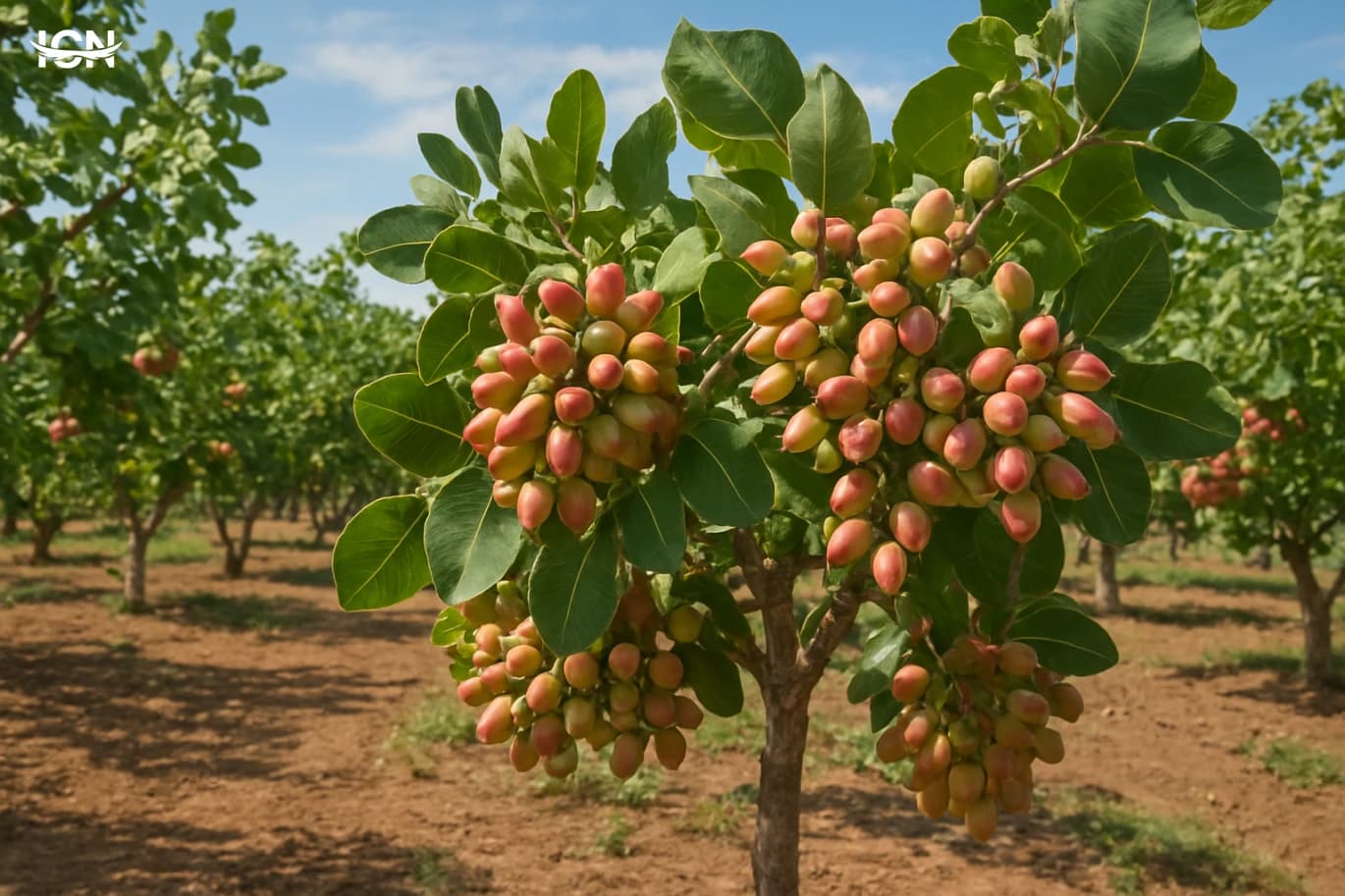
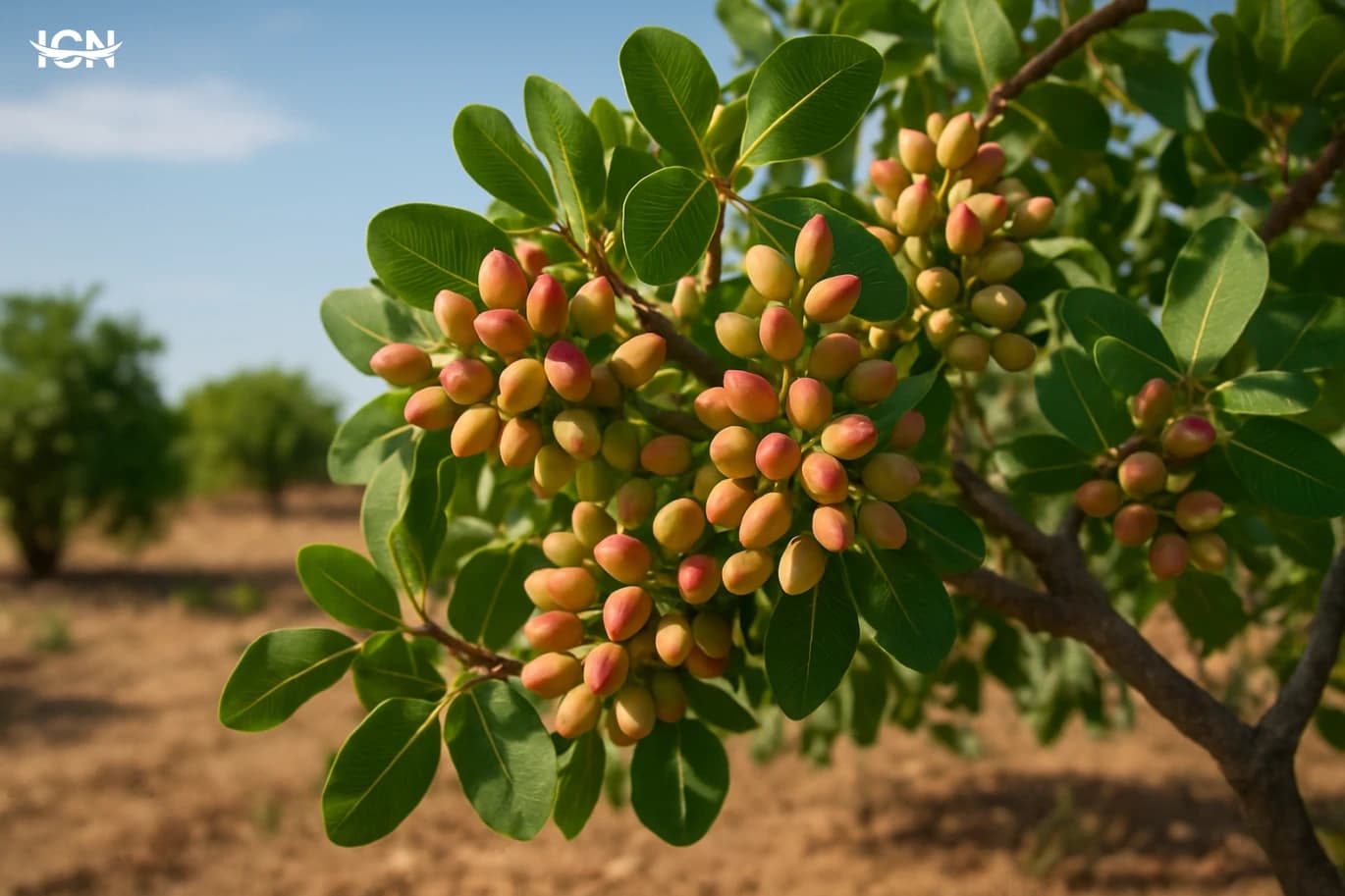
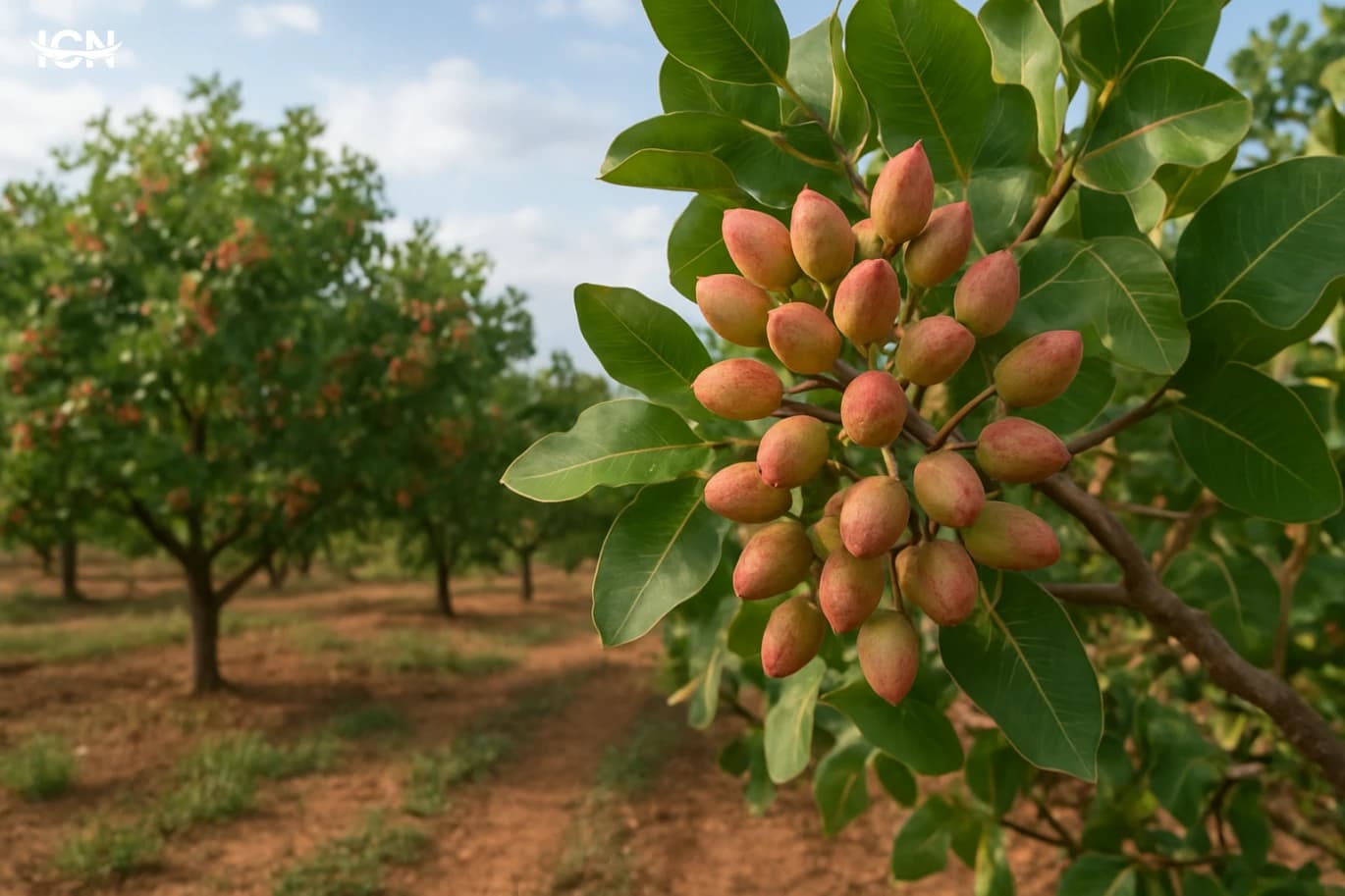
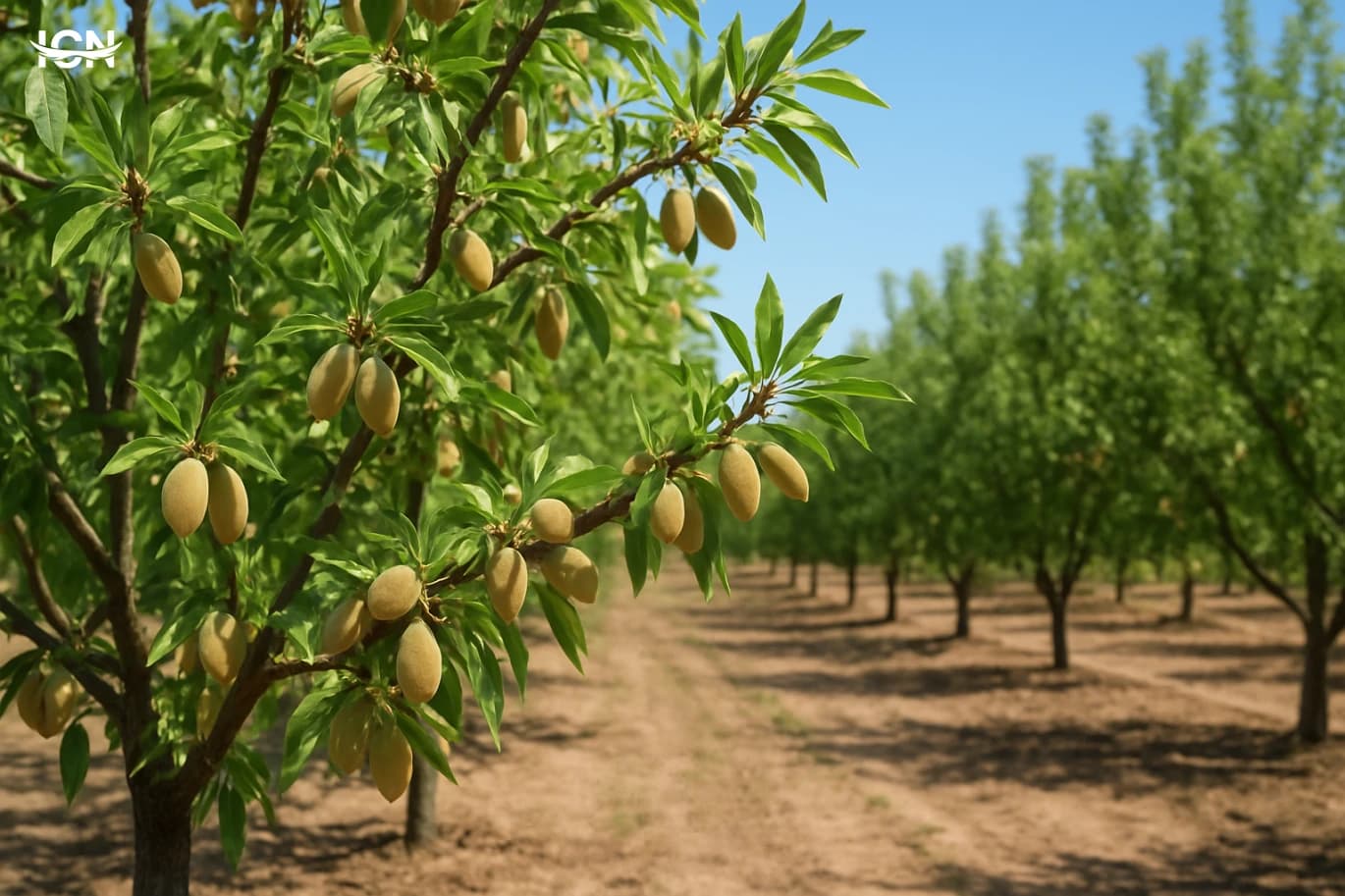
Selecting species and cultivars requires matching plant biology to local conditions and market goals. Begin by consulting local extension services or climate databases to determine average frost dates, annual rainfall, and heat accumulation; then shortlist species whose chill-hour and heat-sum profiles align with those metrics. For commercial intent, prioritize cultivars with documented yields, disease resistance ratings, and market acceptance; for niche markets, consider heirloom or specialty varieties while documenting pollination requirements and self-compatibility. Rootstock choice matters: dwarfing rootstocks increase planting density and labor efficiency but may require more irrigation and fertilization; vigorous rootstocks suit poor soils and wind-prone sites. Keep genetic diversity by planting at least three cultivars per species when possible to spread risk from cultivar-specific pathogens and variable seasonal performance.
Site Selection and Soil Management
Proper site selection and soil management determine long-term productivity. Evaluate slope and aspect to avoid frost pockets and to maximize sunlight for fruit ripening; preferred slopes are gentle south-facing aspects in cool climates and east-facing in hot regions. Conduct a soil test for texture, organic matter, pH, and nutrient levels; remediate compacted soils with subsoiling or raised beds and correct pH using lime (to raise) or sulfur (to lower) according to test recommendations. Install reliable irrigation suited to crop water needs: micro-sprinklers or drip for trees with measured application rates in liters per hour and emitters per tree. Implement soil conservation: 5–10 cm of mulch reduces evaporation and moderates soil temperature; add cover crops in off-seasons to build organic matter at a target of 2–3% annual soil carbon gain where feasible.
Planting and Establishment
Planting and early establishment set the structural trajectory of trees. Plant during established local planting windows—typically late winter to early spring in temperate zones—when trees are dormant and soil is workable. Prepare holes to accommodate the root system without bending roots; set graft unions 5–10 cm above final soil level for trees on standard rootstocks. Implement initial training and pruning plans: select a central leader or open-center form within the first two years, and remove competing branches to establish scaffold structure. Apply a starter application of balanced fertilizer based on soil test results (for example, 20–10–20 at rates adjusted to species and soil). Establish watering frequency for the first 12–24 months using volumetric measures: 20–30 liters per tree per irrigation in sandy soils, less in heavy clays but at slower intervals to avoid waterlogging.
Pest, Disease and Wildlife Management
Integrated pest management (IPM) reduces chemical dependency and targets specific threats to fruit and nut crops. Implement monitoring protocols: weekly scouting during the growing season, use of pheromone traps for codling moth and other lepidopteran pests, and winter surveys for canker and crown rot. Prioritize cultural controls—sanitation by removing infected fruit and prunings, pruning to improve air flow, and timed irrigation to avoid prolonged leaf wetness. Introduce biological controls where available: predatory mites, Trichogramma wasps for caterpillar control, and Bacillus thuringiensis for targeted lepidopteran suppression. Use fungicides and insecticides based on thresholds established in local extension guides; rotate chemistries to prevent resistance. Protect yields from vertebrate damage with netting or fencing in regions where birds, rodents, or deer are documented to cause economic loss.
Harvest, Postharvest and Economics
Harvest timing and postharvest handling determine market value and shelf life. Measure maturity using objective metrics: soluble solids (Brix) for many fruits, kernel moisture for nuts (typical target 6–8% for long-term storage), and firmness indices for table fruits. Apply gentle handling protocols: harvest into shallow containers, avoid bruising, and cool to recommended storage temperatures within two hours—0–4°C for most temperate fruits, lower humidity for dry-storable nuts. Evaluate economic viability with break-even analyses that include establishment costs, annual maintenance, and projected yields; calculate gross margin per hectare and per labor hour. Consider value-add options such as drying, canning, or direct-marketing through CSA and farmers markets to improve margins. Maintain production and financial records to refine cultivar choices and input allocations across seasons.