Backyard Pistachios That Actually Produce
- Why pistachios are worth the space
- Climate check before you buy a tree
- Choosing male and female trees
- Soil, irrigation, and spacing that work
- Pruning, nutrition, and common problems
- Harvest timing and home processing
Why pistachios are worth the space
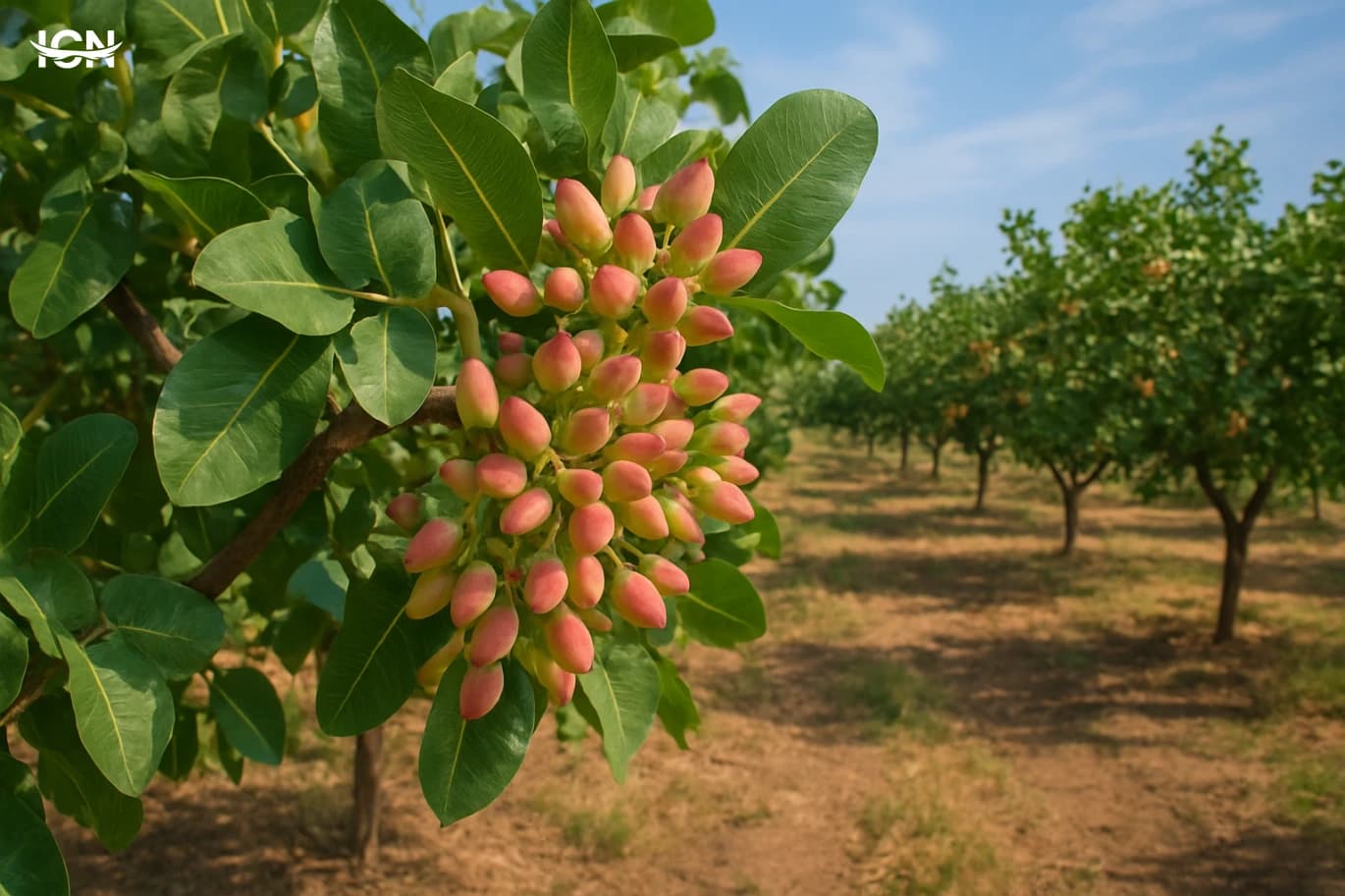
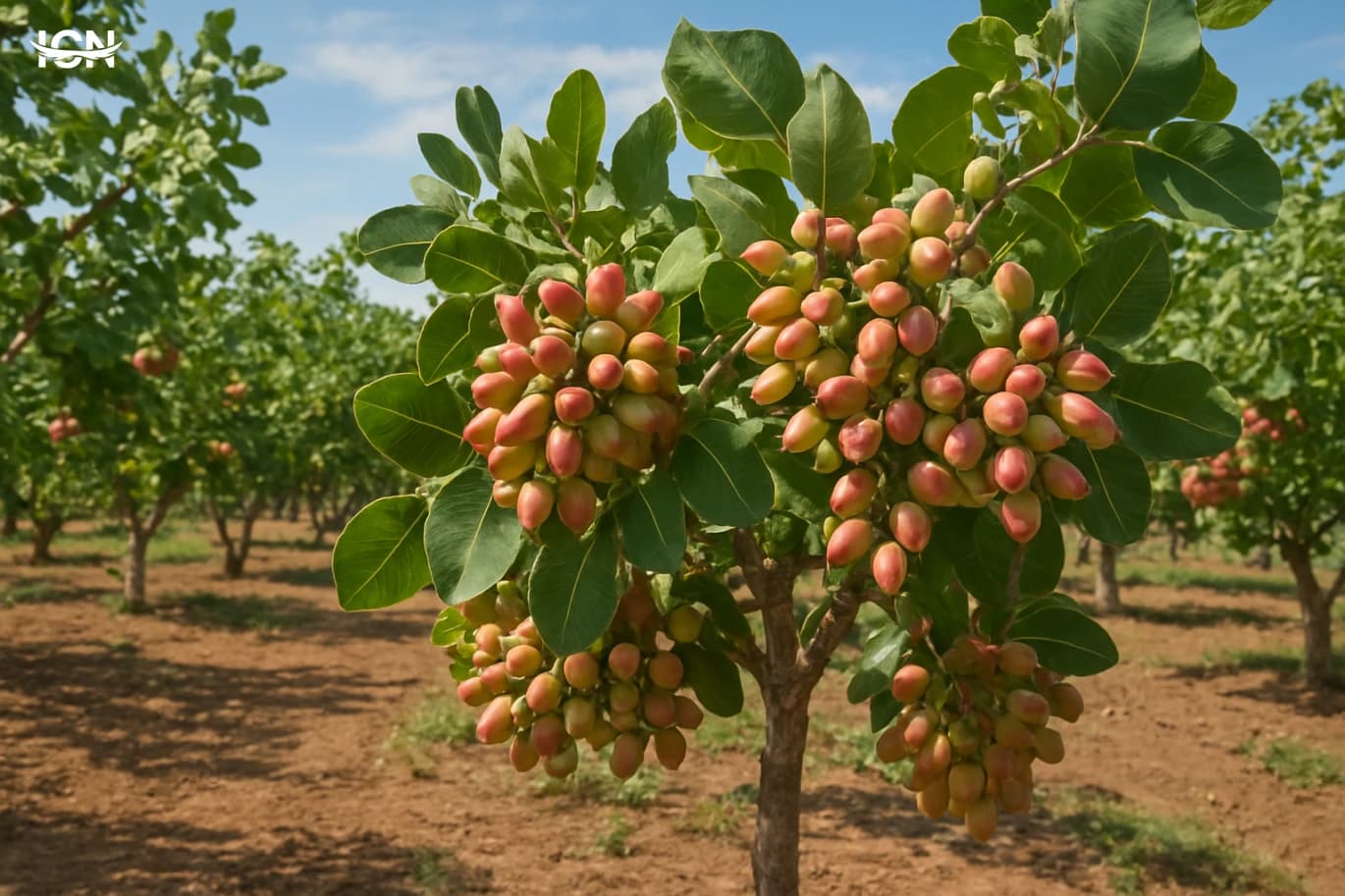
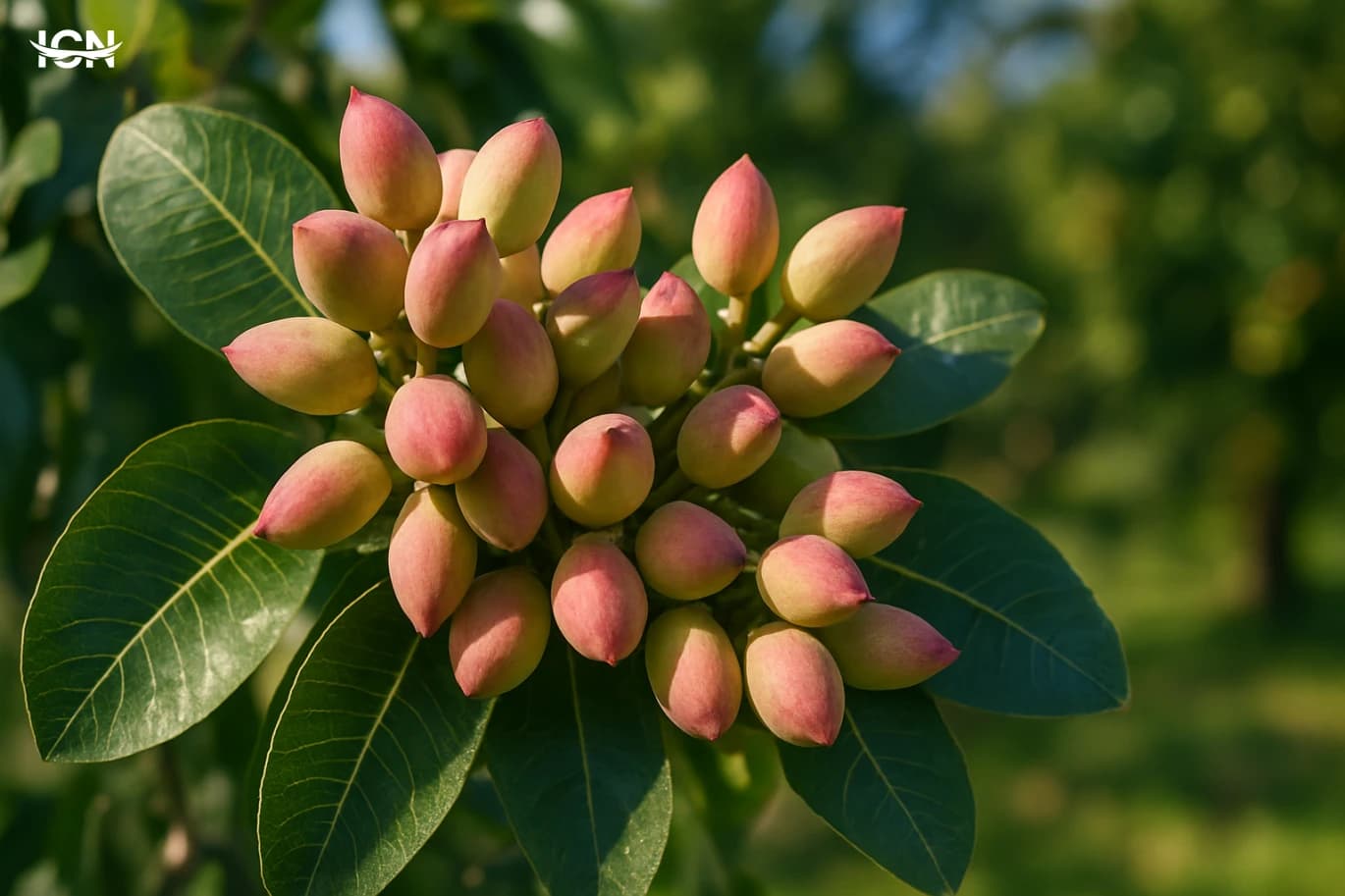
Pistachio trees are often treated as a commercial crop, but they can be a realistic home-garden project if you plan for their needs. A mature tree can provide a meaningful harvest of nuts for roasting, baking, and gifting, and the tree itself is long-lived and structurally attractive. What makes pistachios different from many fruit trees is their tolerance for heat and their preference for dry air during ripening, which can make them a better fit than stone fruit in some hot inland areas. The trade-off is patience and planning. Pistachios are not a quick-return plant: you are typically looking at several years before a first real crop, and you must plant both male and female trees for pollination. They also demand a specific climate pattern—cold enough winters to break dormancy, followed by hot summers to fill and split the shells. If your yard can meet those conditions, pistachios can be one of the most satisfying fruit-and-nut plants to grow because the harvest is shelf-stable and the tree’s annual care is straightforward once established.
Climate check before you buy a tree
Before choosing a cultivar, confirm that your local pattern matches pistachio biology. Pistachios need winter chill to set flower buds properly; in many regions this is measured in chill hours, and insufficient chill can mean weak flowering and poor nut set. They also require a long, hot growing season. Cool summers can leave kernels underfilled, while humid late summers can increase disease pressure and reduce shell splitting, which is a key quality marker. Use local extension data or long-term weather records rather than a single season’s experience. Look at average winter lows, the number of nights near freezing, and typical summer highs. Wind matters too: because pollination is wind-driven, a site with regular spring breezes can help, while a sheltered courtyard may reduce pollen movement. If you live in a coastal or consistently humid zone, pistachios may still grow as ornamentals, but reliable nut production is less likely. In that case, consider other nut plants better suited to humidity, such as certain hazelnut selections, depending on your region.
Choosing male and female trees
Pistachios are dioecious: male and female flowers are on separate trees. For a backyard planting, you typically need at least one male tree to pollinate one or more female trees. A common home layout is one male for up to eight to ten females, but the effective ratio depends on wind patterns, spacing, and whether nearby pistachio trees exist. If you only plant a single tree and it happens to be female, you may get flowers but no nuts; if it is male, you will never get nuts at all. Timing is as important as sex. Male trees must release pollen when female flowers are receptive. Nurseries often label males by bloom timing, and matching matters because a mismatch can reduce nut set even when both sexes are present. Ask for specific cultivar recommendations for your region rather than buying whatever is available. Also consider rootstock: many pistachios are grafted, and the rootstock influences vigor, soil tolerance, and disease resistance. In alkaline or saline soils, the right rootstock can be the difference between steady growth and chronic stress.
Soil, irrigation, and spacing that work
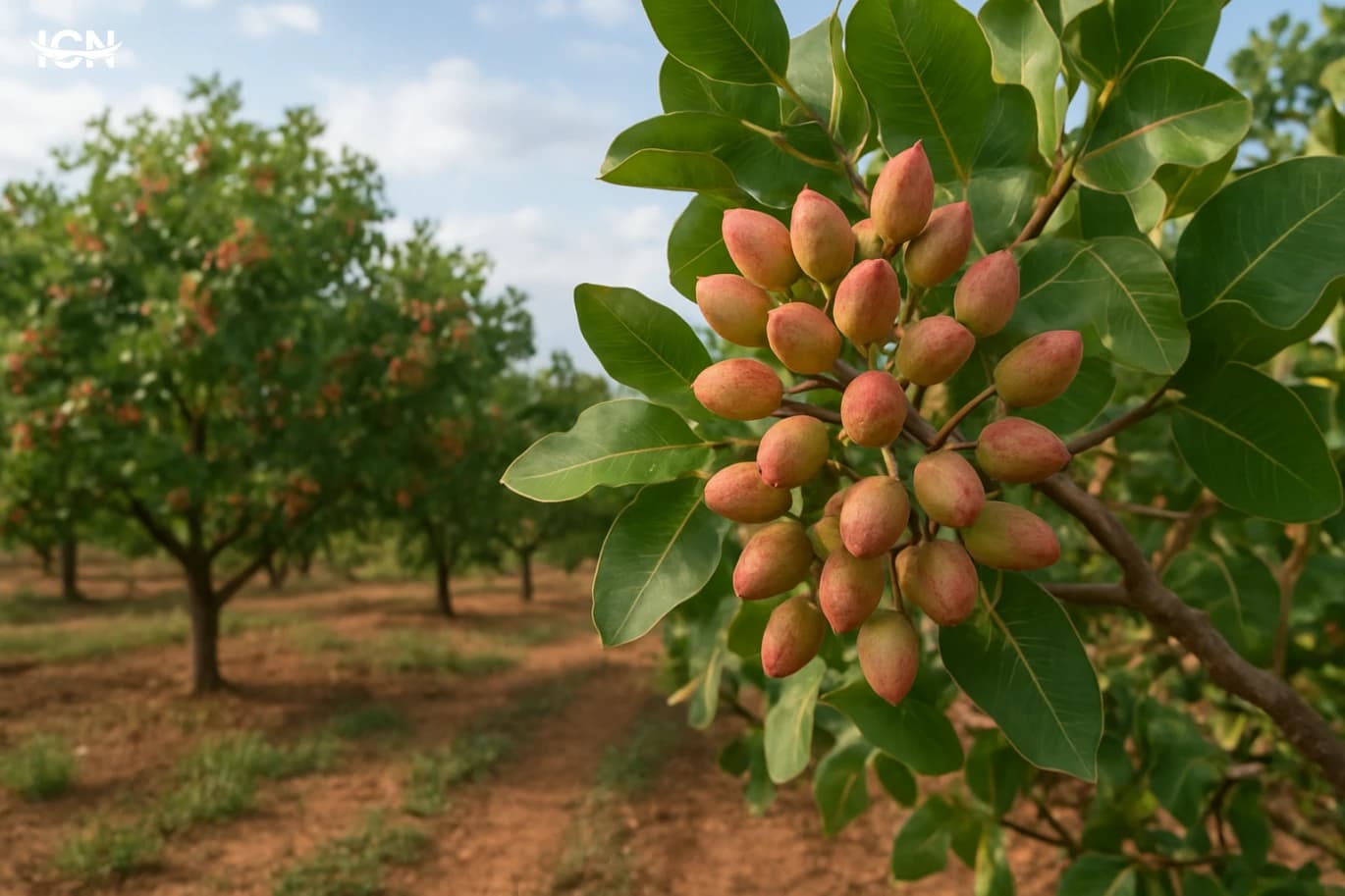
Pistachios prefer well-drained soils and struggle in waterlogged conditions. If your yard has heavy clay, the first job is drainage: planting on a slight mound, improving soil structure with organic matter, and avoiding low spots where water collects. A soil test is worth the small cost because pistachios are sensitive to salinity and high boron in some areas, and they often grow in alkaline soils where micronutrients like zinc and iron can become less available. Irrigation should be deep and infrequent rather than frequent and shallow. Young trees need regular water to establish roots, but mature pistachios are adapted to longer intervals. Overwatering can push excessive vegetative growth and increase disease risk, while underwatering during kernel fill can reduce nut size. Drip irrigation with multiple emitters around the canopy line is a practical home setup, and adjusting the number of emitters as the tree grows helps keep water where active roots are. Spacing matters because pistachios become large trees. Crowding reduces airflow and makes pruning and harvest harder. If you are planting more than one tree, give them enough room to develop full canopies and to allow wind to move pollen. Also plan for sun: pistachios need full sun for good production, so avoid planting near tall shade trees or on the north side of buildings where light is limited.
Pruning, nutrition, and common problems
Training and pruning in the first years set the structure for decades. Many growers use an open-center or modified central leader shape to balance light penetration and branch strength. The goal is a sturdy framework that can carry nut clusters without splitting. Remove crossing branches, keep the canopy open enough for airflow, and avoid heavy pruning late in the season that can stimulate tender growth going into winter. Nutrition should be guided by soil and leaf tests when possible. Nitrogen is important for growth and yield, but too much can increase vegetative growth at the expense of nut quality. In alkaline soils, iron chlorosis can show up as yellowing leaves with green veins; addressing it may require chelated iron products and improved soil conditions rather than simply adding more general fertilizer. Zinc and boron can also be limiting in some regions, and correcting them is more precise than applying broad-spectrum products. Common backyard issues include poor pollination, alternate bearing (a heavy crop one year followed by a light one), and pests such as navel orangeworm in areas where it is established. Sanitation matters: remove and destroy leftover nuts and debris that can harbor pests. If disease pressure is high due to humidity, improving airflow, avoiding overhead irrigation, and keeping the area under the tree clean can reduce problems. When issues persist, local extension guidance is valuable because pest species and legal control options vary by location.
Harvest timing and home processing
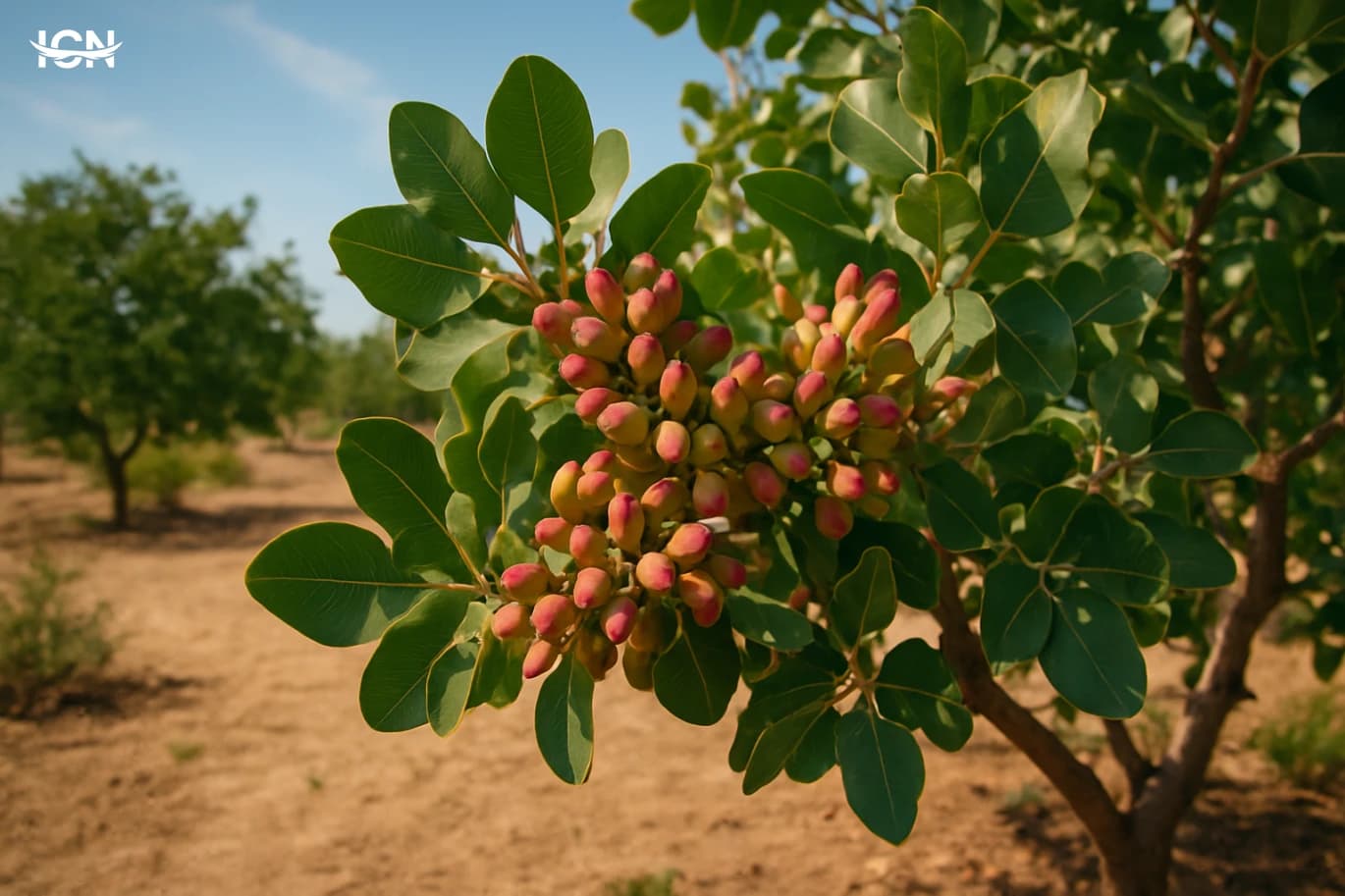
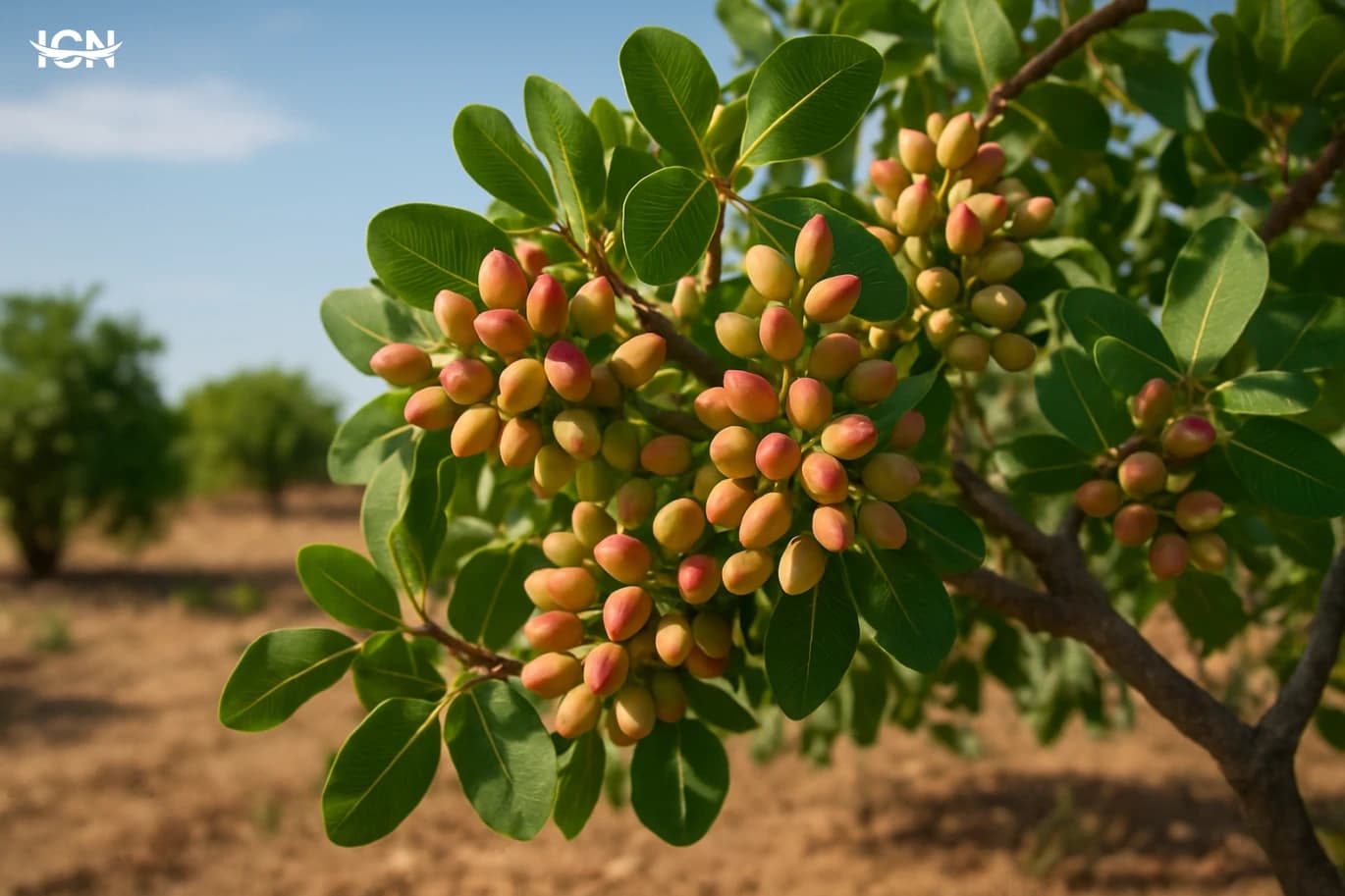
Harvest timing affects flavor, shell splitting, and storage life. Pistachios are typically ready when the hull (the outer skin) loosens and can be rubbed off, and the shell has split naturally. Waiting too long can increase staining and pest exposure, while harvesting too early can reduce split percentage and kernel development. In a backyard setting, you can test readiness by picking a few clusters from different parts of the tree and checking how easily the hull separates. Processing should happen quickly after harvest because the hull can trap moisture and promote mold if nuts sit in a pile. Remove hulls the same day when possible, rinse if needed, and dry the nuts thoroughly in a single layer with good airflow. Some home growers use screens or trays in a shaded, airy spot; direct harsh sun can overheat nuts in very hot climates, so moderate conditions are preferable. Once dry, store nuts in airtight containers. For longer storage, refrigeration or freezing helps preserve flavor and reduces the risk of rancidity. If you want roasted pistachios, roast in small batches so heat is even, and salt after drying rather than before to avoid slowing the drying process. Label your containers with harvest date and tree source, especially if you are comparing cultivars or adjusting irrigation and fertilization year to year. Those notes turn a one-time harvest into a repeatable home system.