Growing Pistachios in Small Farms
- Why pistachio fits small growers
- Climate, soil, and site selection
- Varieties, rootstocks, and pollination plan
- Planting layout and early-year care
- Irrigation, nutrition, and managing alternate bearing
- Harvest timing, processing, and selling smart
Why pistachio fits small growers
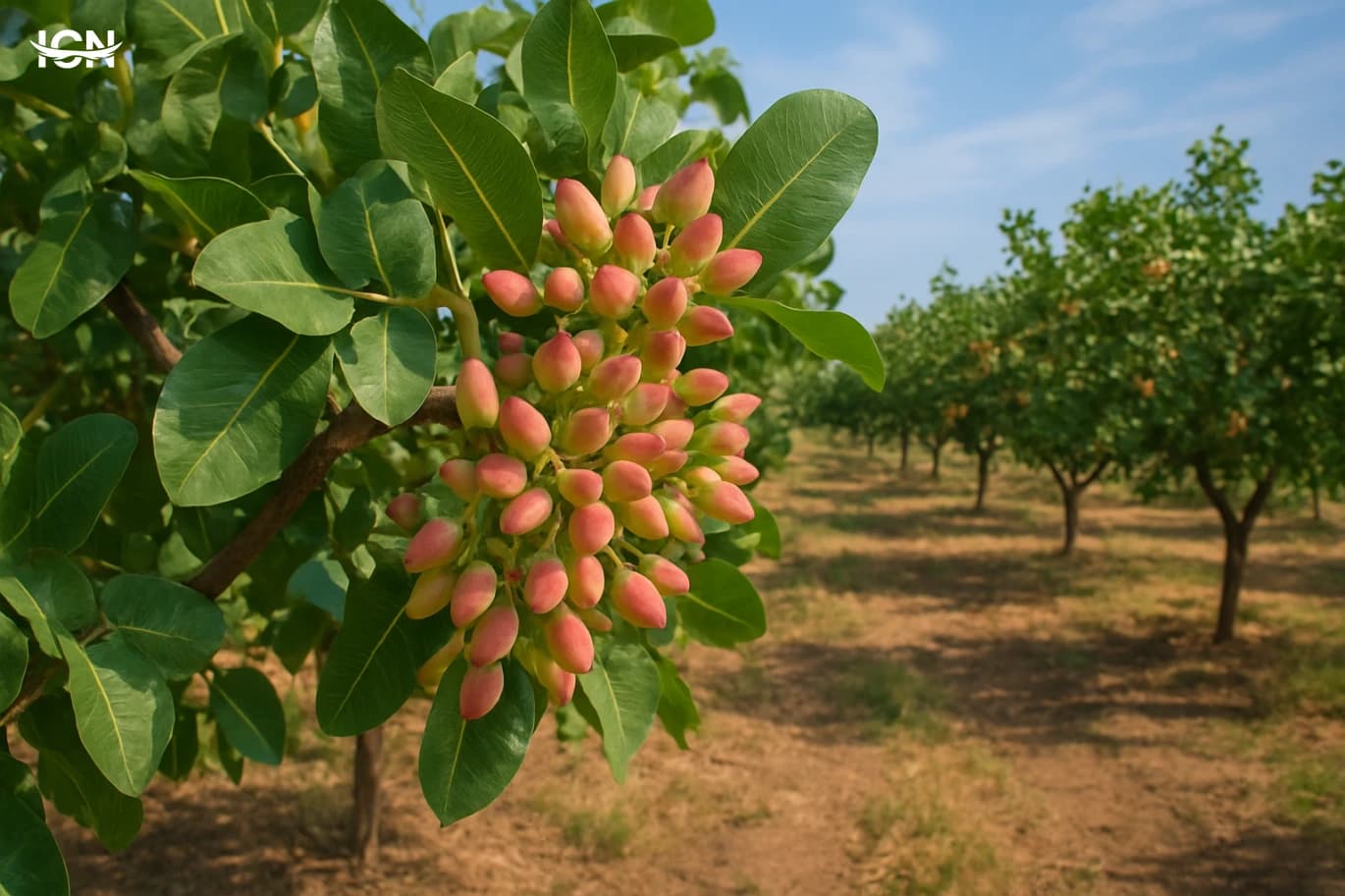
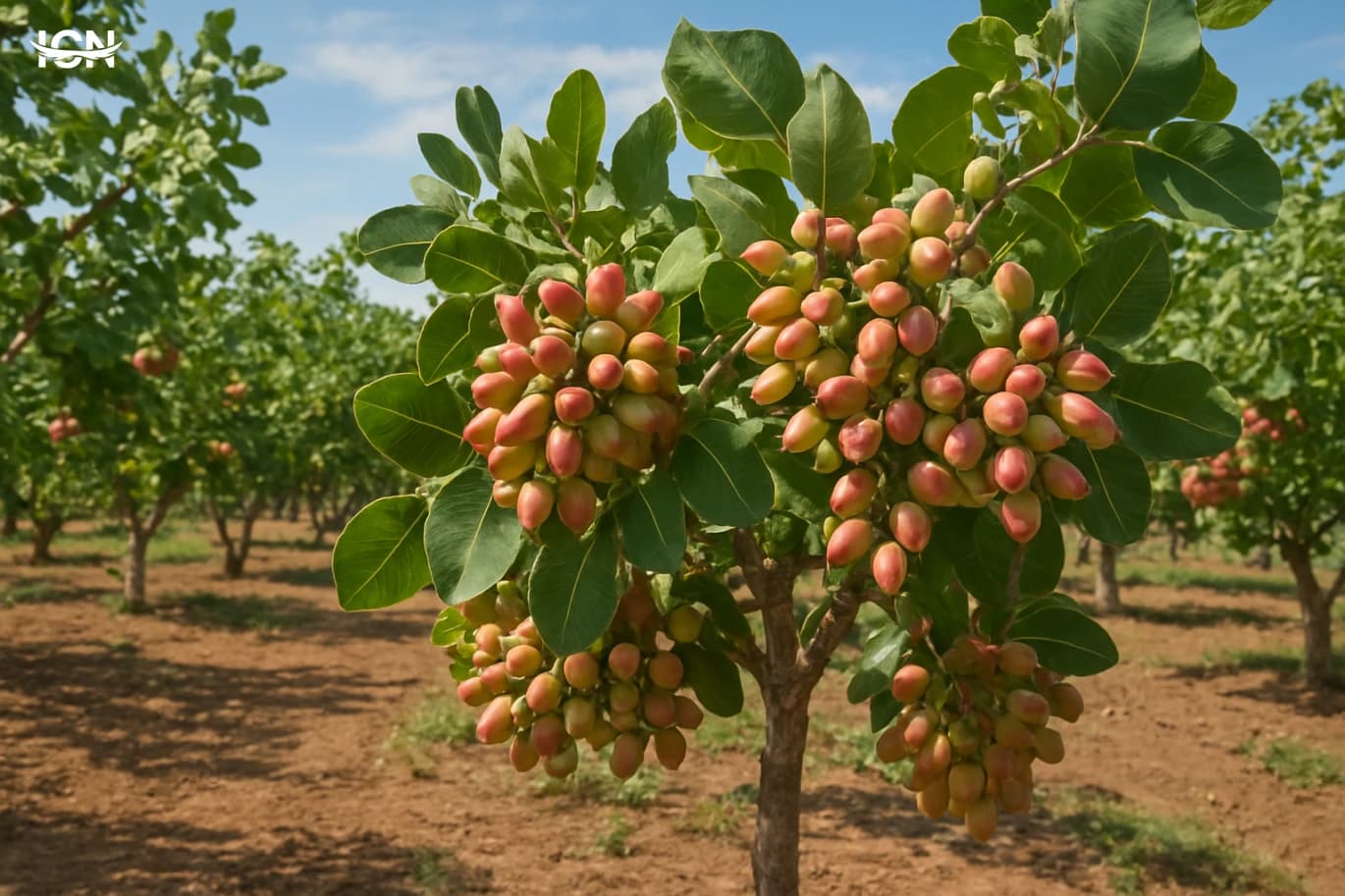
Pistachio is often seen as a large-orchard crop, but it can be a practical choice for small farms when planned carefully. The trees are long-lived, tolerate heat better than many fruit crops, and can produce a high-value nut that stores and ships well. For growers with limited land, pistachio’s economics can work because the product is dense in value per kilogram and less perishable than fresh fruit. That said, it is not a quick-return plant: most orchards need several years before meaningful harvests, so it suits farms that can invest patiently. Small growers also benefit from pistachio’s compatibility with mixed systems. Inter-row space can be used for cover crops, herbs, or short-term annuals during the early years, helping cash flow and soil health. The key is to treat pistachio as a managed orchard crop with clear goals for water, canopy training, and pollination, rather than as a “plant it and forget it” tree. When those basics are in place, small farms can compete by focusing on quality, careful harvest timing, and direct-to-consumer packaging.
Climate, soil, and site selection
Pistachio performs best in regions with hot, dry summers and cool winters. Winter chill is important for uniform bud break; in areas with very mild winters, flowering can be uneven and yields may suffer. At the same time, late spring frosts can damage young shoots and flowers, so choosing a site with good air drainage and avoiding low frost pockets matters. For small farms, even slight elevation changes can make a measurable difference, so mapping cold spots and wind exposure is worth the effort. Soil requirements are often misunderstood. Pistachio tolerates relatively poor soils compared with many fruit trees, but it does not like waterlogging. Deep, well-drained soils support stronger root systems and more stable yields. Heavy clay can work only if drainage is improved and irrigation is carefully managed. Salinity tolerance is better than many orchard crops, yet high salt still reduces growth and nut fill over time. Before planting, a basic soil test for texture, pH, salinity, and key nutrients helps avoid expensive corrections later. If the farm relies on well water, testing irrigation water for salts and sodium hazard is equally important because water quality shapes long-term orchard health.
Varieties, rootstocks, and pollination plan
A pistachio orchard is not just “one tree type.” Most commercial pistachios are dioecious, meaning male and female flowers are on separate trees. A small farm must plan pollination from day one: the right male cultivar, the right ratio, and placement that matches prevailing winds. A common approach is to plant one male for every 8–12 female trees, but the best ratio depends on cultivar vigor, orchard layout, and local wind patterns. If the farm is very small, losing a single male tree can reduce set, so redundancy is a practical insurance. Cultivar choice should match climate and market goals. Some varieties are known for larger nuts, others for earlier harvest, and others for better shell split. Rootstock selection matters just as much because it influences vigor, soil adaptation, and tolerance to salinity or disease pressures. For small growers, buying certified, true-to-type nursery trees is critical; mistakes in sex identification or cultivar mix can take years to discover and are costly to fix. When possible, consult local extension guidance or experienced growers in the same climate zone, because pistachio performance is highly regional and nursery recommendations vary by country and production system.
Planting layout and early-year care
Spacing and training decisions shape the orchard for decades. Small farms often aim for efficient use of land, but overly tight spacing can increase shading, reduce airflow, and complicate harvest. A practical plan considers equipment width, turning space, and future canopy size. Many growers adopt moderate spacing that allows sunlight penetration and simplifies pruning. Marking rows accurately, installing sturdy tree guards, and setting up irrigation before planting reduces early losses. The first three years are about building structure, not chasing nuts. Training a strong trunk, selecting scaffold branches, and keeping a balanced canopy improves later productivity and reduces breakage. Weed control around young trees is especially important because pistachio seedlings and grafted trees compete poorly for water and nutrients. Mulch, shallow cultivation, or targeted ground covers can work, but the method should not damage roots or create rodent habitat. Fertility should be based on soil and leaf analysis rather than guesswork; over-fertilizing can push excessive vegetative growth and delay the transition to consistent bearing. For small farms, keeping a simple field log of irrigation hours, fertilizer rates, and pruning dates is one of the most cost-effective management tools.
Irrigation, nutrition, and managing alternate bearing
Even though pistachio is drought-tolerant compared with many fruit trees, commercial nut fill still depends on well-timed water. The goal is not maximum irrigation, but consistent moisture during key stages such as canopy growth and kernel development. Deficit irrigation strategies can be useful where water is limited, yet they require monitoring to avoid stressing trees at the wrong time. Drip or micro-sprinkler systems are common because they deliver water efficiently and can be paired with fertigation, which is especially helpful for small farms aiming to reduce labor. Nutrition management should focus on nitrogen, potassium, and micronutrients based on leaf sampling. Many pistachio orchards struggle with uneven yields due to alternate bearing, where a heavy crop year is followed by a light one. While alternate bearing is partly genetic and climate-driven, management can reduce extremes. Avoiding severe water stress, maintaining balanced nutrition, and pruning to support light penetration can help. Thinning is not commonly practiced like in some fruit crops, but managing crop load indirectly through tree health and canopy balance is realistic. For small growers, the most actionable step is to track yield by block and compare it with irrigation and fertilizer records, then adjust the next season rather than repeating the same schedule automatically.
Harvest timing, processing, and selling smart
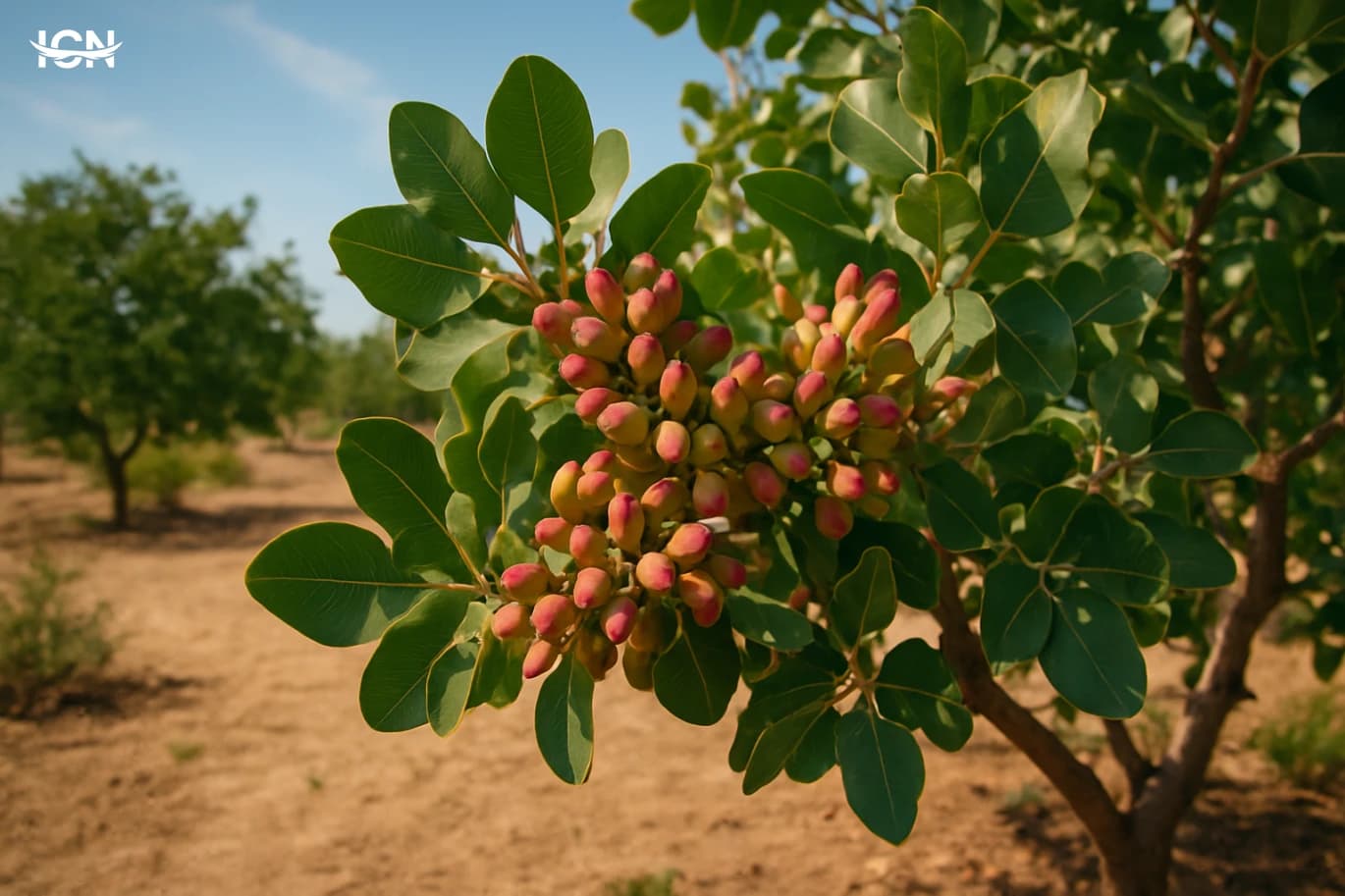
Harvest quality in pistachio is highly sensitive to timing and handling. Nuts are typically ready when hulls separate easily and shell split is adequate, but exact indicators vary by cultivar and climate. Delayed harvest can increase staining and quality defects, while rough handling can damage shells and reduce market grade. Small farms can turn their size into an advantage by harvesting in tighter windows, sorting carefully, and keeping lots separate by quality. Processing steps—hulling, washing, drying, and storage—determine food safety and shelf life. Rapid drying to safe moisture levels is essential to prevent spoilage and maintain flavor. If on-farm equipment is limited, partnering with a nearby processor can be more economical than buying machinery, but the farm should confirm turnaround time and lot traceability. On the marketing side, small growers often do best with clear positioning: roasted and lightly salted kernels, premium in-shell nuts, or specialty packaging for gifts and farmers’ markets. Transparent labeling, consistent sizing, and a reliable supply schedule build repeat customers. A realistic plan includes storage conditions, packaging costs, and a simple quality standard so the product is consistent from one batch to the next.