Growing Pistachios in Small Orchards
- Why Pistachio Fits Small-Scale Growers
- Climate, Soil, and Site Selection
- Rootstocks, Cultivars, and Pollination Planning
- Planting Design and Early Orchard Care
- Irrigation, Nutrition, and Managing Yield Swings
- Harvest Timing, Drying, and Storage for Quality
Why Pistachio Fits Small-Scale Growers
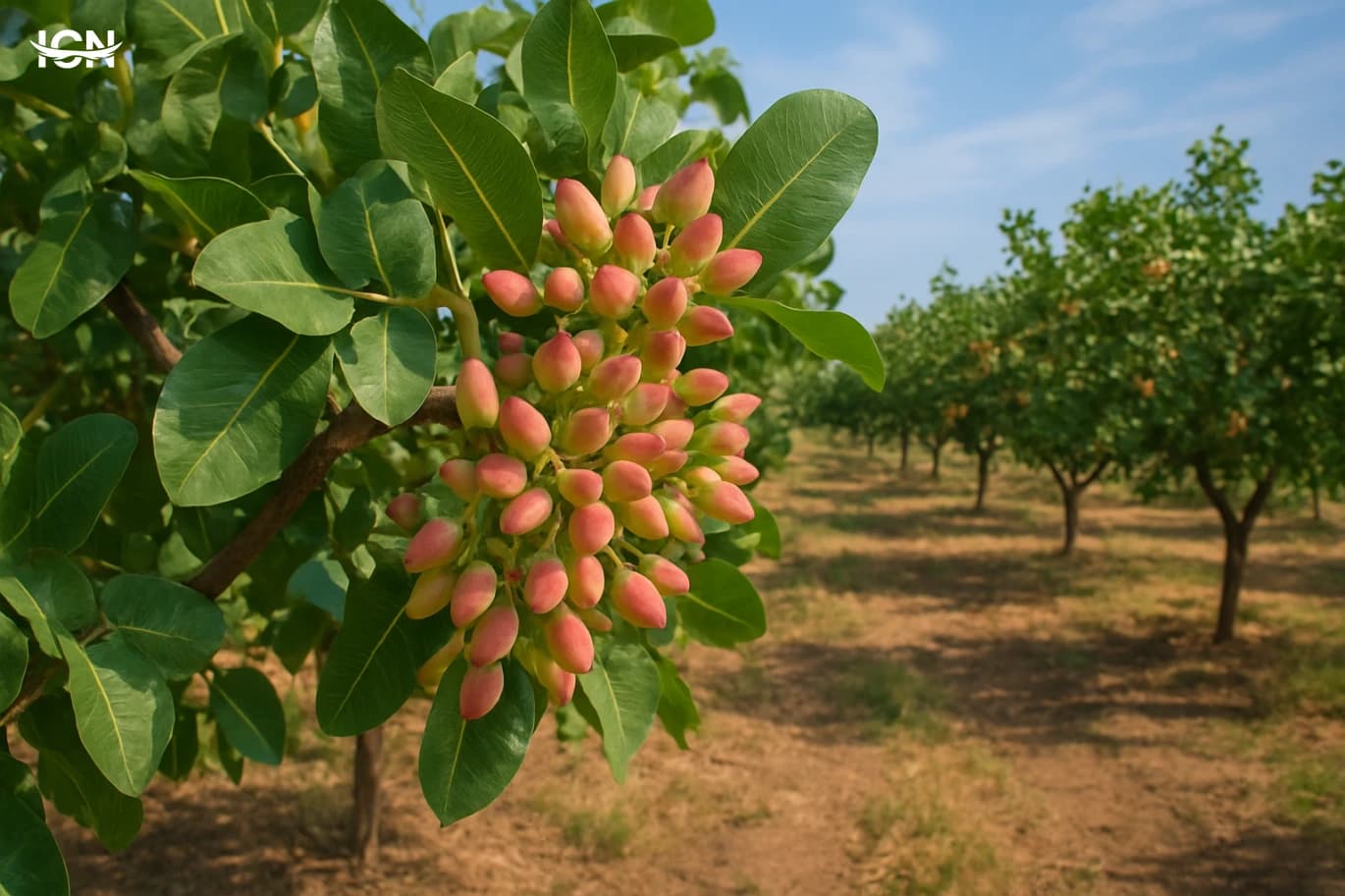
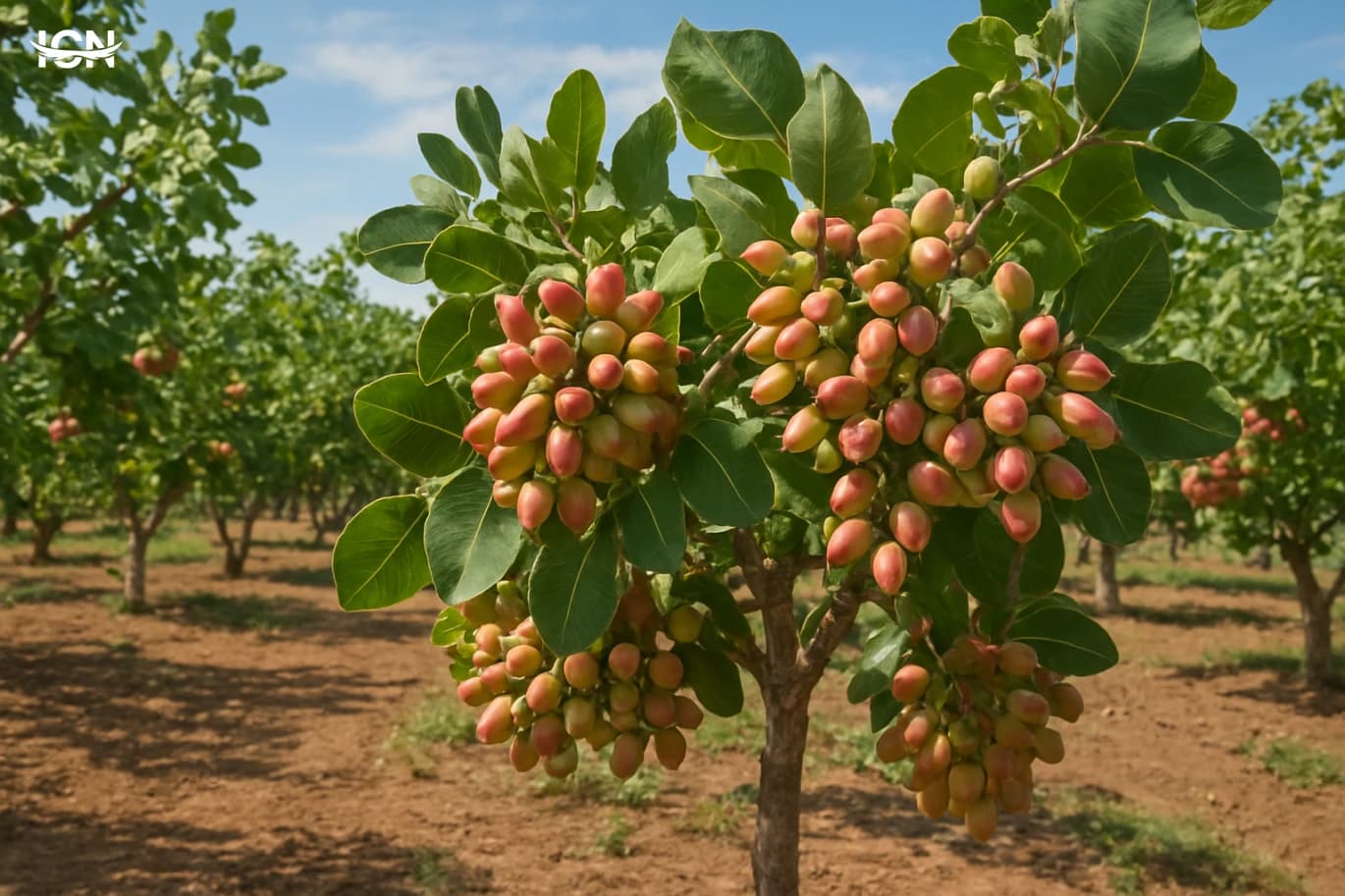
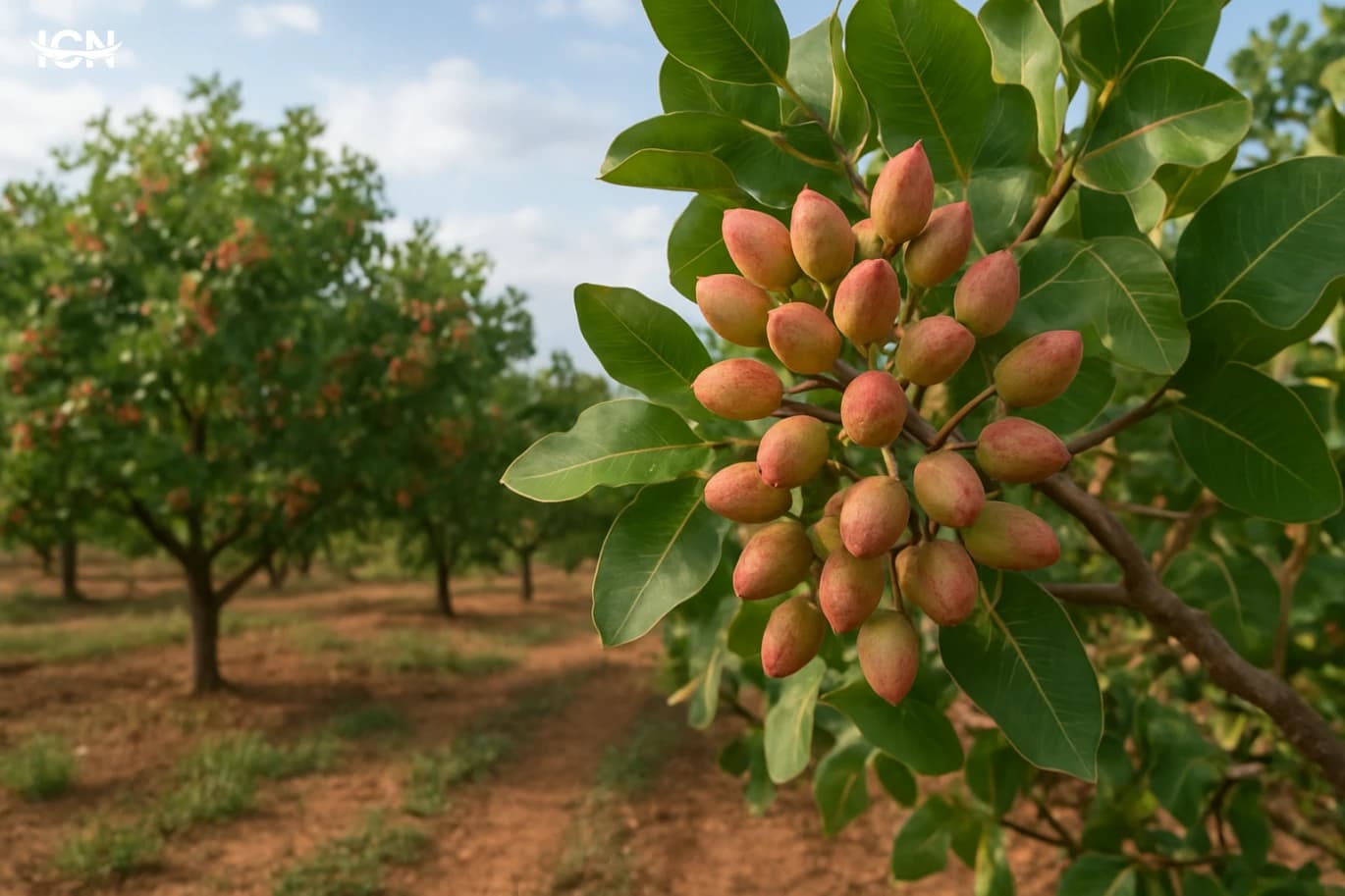
Pistachio is often associated with large commercial orchards, yet it can be a practical fruit and nut plant for small landholders when the site is chosen carefully and expectations are realistic. The tree is long-lived, tolerates drought once established, and can produce a high-value crop that stores and ships well compared with many fresh fruits. For small orchards, the appeal is not only price per kilogram, but also the ability to stagger investment: you can start with a limited number of trees, expand later, and build processing and storage capacity over time. The main trade-off is patience. Pistachio is not a quick-return crop; meaningful yields typically arrive several years after planting, and production can fluctuate with alternate bearing if nutrition and pruning are inconsistent. Small growers can manage this risk by focusing on quality, consistent irrigation scheduling, and careful harvest timing rather than chasing maximum volume. With a clear plan for cultivar choice, pollination, and post-harvest handling, a small orchard can compete by delivering clean, well-dried nuts with reliable sizing and low defect rates.
Climate, Soil, and Site Selection
Pistachio performs best in regions with hot, dry summers and cool winters that provide sufficient chilling for bud break. A small orchard should prioritize a site with good air drainage to reduce spring frost risk, because early-season cold can damage flowers and reduce nut set. Avoid low pockets where cold air settles, and consider gentle slopes or slightly elevated ground. Wind exposure matters as well: moderate airflow helps reduce humidity-related problems, but strong winds can break young branches and complicate pollination. Soil requirements are often misunderstood. Pistachio tolerates a range of soils, including moderately saline conditions, but it does not tolerate waterlogging. The most important factor is drainage. Before planting, test infiltration and consider a soil profile assessment to identify hardpans that restrict roots. A deep, well-drained loam is ideal, yet many successful orchards are on lighter soils when irrigation is managed carefully. For small plots, investing in basic soil testing for pH, salinity, and key nutrients can prevent years of slow growth and uneven tree performance. Water availability should be evaluated realistically. Even though pistachio is drought-tolerant after establishment, consistent irrigation during key stages supports kernel fill and reduces blank nuts. If water supply is limited, it is better to plant fewer trees and irrigate them properly than to overplant and under-irrigate. A small orchard can also benefit from simple monitoring tools such as soil moisture probes or scheduled checks with a shovel to confirm wetting depth.
Rootstocks, Cultivars, and Pollination Planning
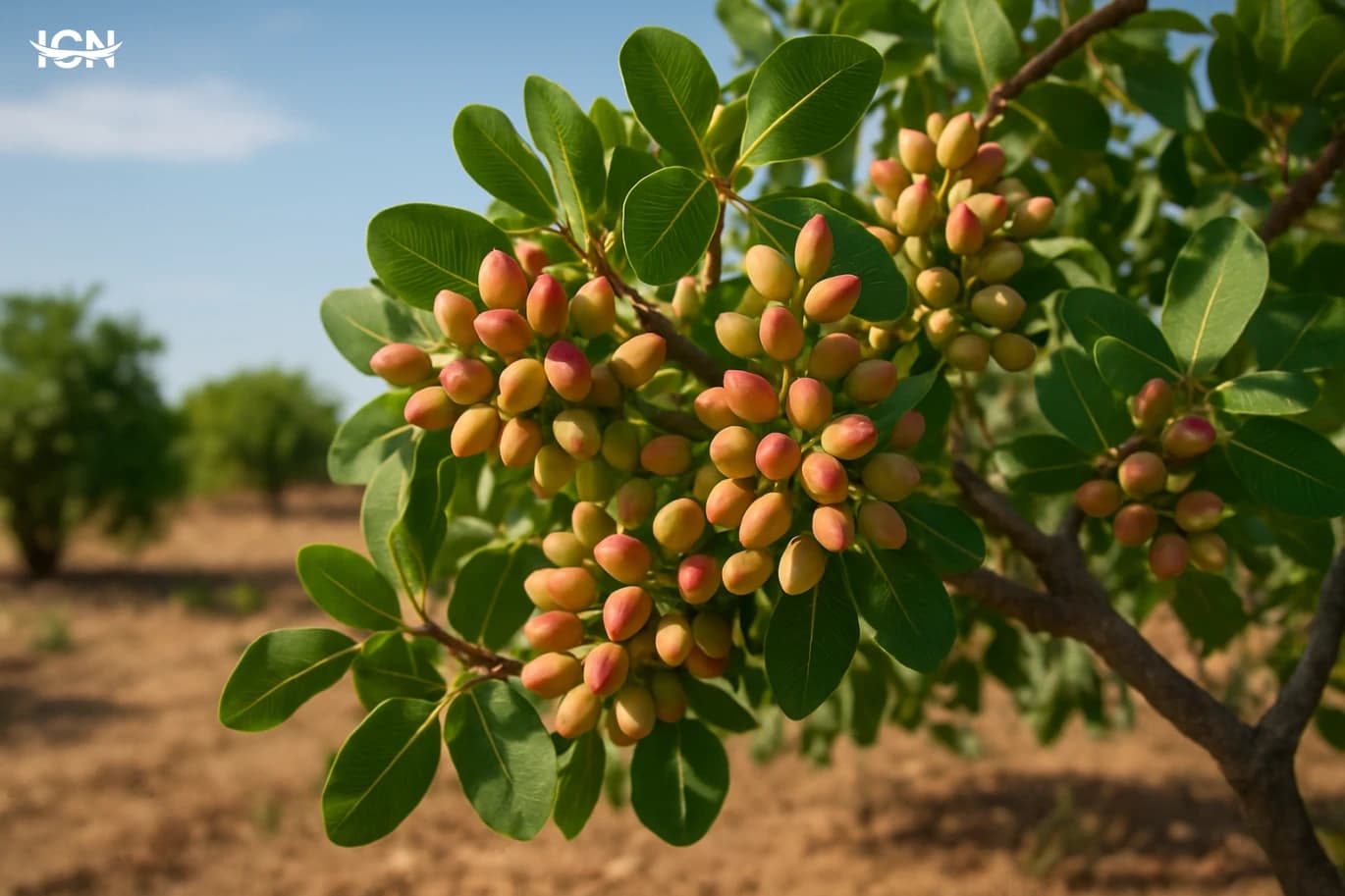
Successful pistachio production depends on matching rootstock and cultivar to local conditions. Rootstocks influence vigor, salinity tolerance, and disease resilience. Small growers should consult local nursery recommendations and extension guidance, because the “best” rootstock varies by soil type and regional challenges. Using certified, true-to-type nursery trees reduces the risk of off-types that can take years to detect. Cultivar choice affects harvest timing, shell split percentage, and market preference. In many regions, a small orchard benefits from selecting a widely accepted commercial cultivar to simplify marketing, while also considering a second cultivar only if it clearly fits the site and has a reliable buyer. The critical point is that pistachio trees are dioecious: male and female flowers are on separate trees. Without adequate male trees and correct bloom overlap, yields will be disappointing regardless of orchard care. A practical pollination plan for small blocks includes selecting a male cultivar with bloom timing that matches the female cultivar, planting males in a pattern that supports pollen distribution, and ensuring tree health so flowering is strong. Many small orchards use a ratio such as one male for every eight to twelve female trees, but the ideal ratio depends on wind patterns, block shape, and cultivar compatibility. Because small orchards often have irregular shapes, placing males upwind and distributing them across the planting can improve coverage. Keeping clear records of what was planted where is essential for future management and replanting decisions.
Planting Design and Early Orchard Care
For small orchards, planting design should balance tree spacing, equipment access, and long-term canopy management. Spacing depends on rootstock vigor and training system, but the goal is to avoid overcrowding that later forces aggressive pruning and reduces light penetration. Straight rows simplify mowing, irrigation line maintenance, and harvest logistics. Even on small plots, leaving adequate headlands for turning and access saves time and reduces tree damage. Early care sets the trajectory for the orchard. The first two to three years should focus on establishing a strong framework: selecting a central leader or open structure based on local practice, removing competing shoots, and preventing sunburn on young trunks where summers are intense. Weed control around the tree line reduces competition for water and nutrients. Many small growers find that a combination of mulching and targeted herbicide or mechanical control is more manageable than relying on one method alone. Nutrition should be guided by soil and leaf analysis rather than guesswork. Over-fertilization can push excessive vegetative growth and delay bearing, while under-fertilization slows canopy development. A small orchard can implement a simple annual routine: pre-season soil review, mid-season leaf sampling, and adjustments to nitrogen and micronutrients as needed. Training and pruning should be consistent each year, because irregular pruning contributes to uneven crop distribution and can worsen alternate bearing patterns over time.
Irrigation, Nutrition, and Managing Yield Swings
Irrigation strategy is one of the strongest levers a small pistachio grower can control. The tree can survive under limited water, but commercial-quality kernels depend on adequate moisture during nut development and fill. A practical approach is to prioritize consistent irrigation from late spring through summer, then adjust after harvest based on local climate and tree condition. Drip or micro-sprinkler systems can work well in small orchards because they allow targeted application and easier scheduling. Nutrition is closely tied to irrigation because nutrients move with water in the root zone. Nitrogen management should aim for steady growth without excessive shoot extension. Potassium and micronutrients can influence kernel development and overall tree health, but they should be applied based on measured need. Small orchards often benefit from fertigation because it allows smaller, more frequent doses and reduces labor compared with multiple granular applications. Alternate bearing, where a heavy crop year is followed by a lighter one, is common in pistachio. While it cannot be eliminated entirely, it can be moderated. Key practices include avoiding severe water stress in on-years, maintaining leaf area through balanced pruning, and supporting post-harvest recovery so the tree can set buds for the next season. Thinning is not commonly used in pistachio the way it is in some fruits, so the emphasis is on consistent orchard management and preventing extremes. Keeping annual records of yield, irrigation volumes, and leaf analysis results helps identify patterns and improve decisions year to year.
Harvest Timing, Drying, and Storage for Quality
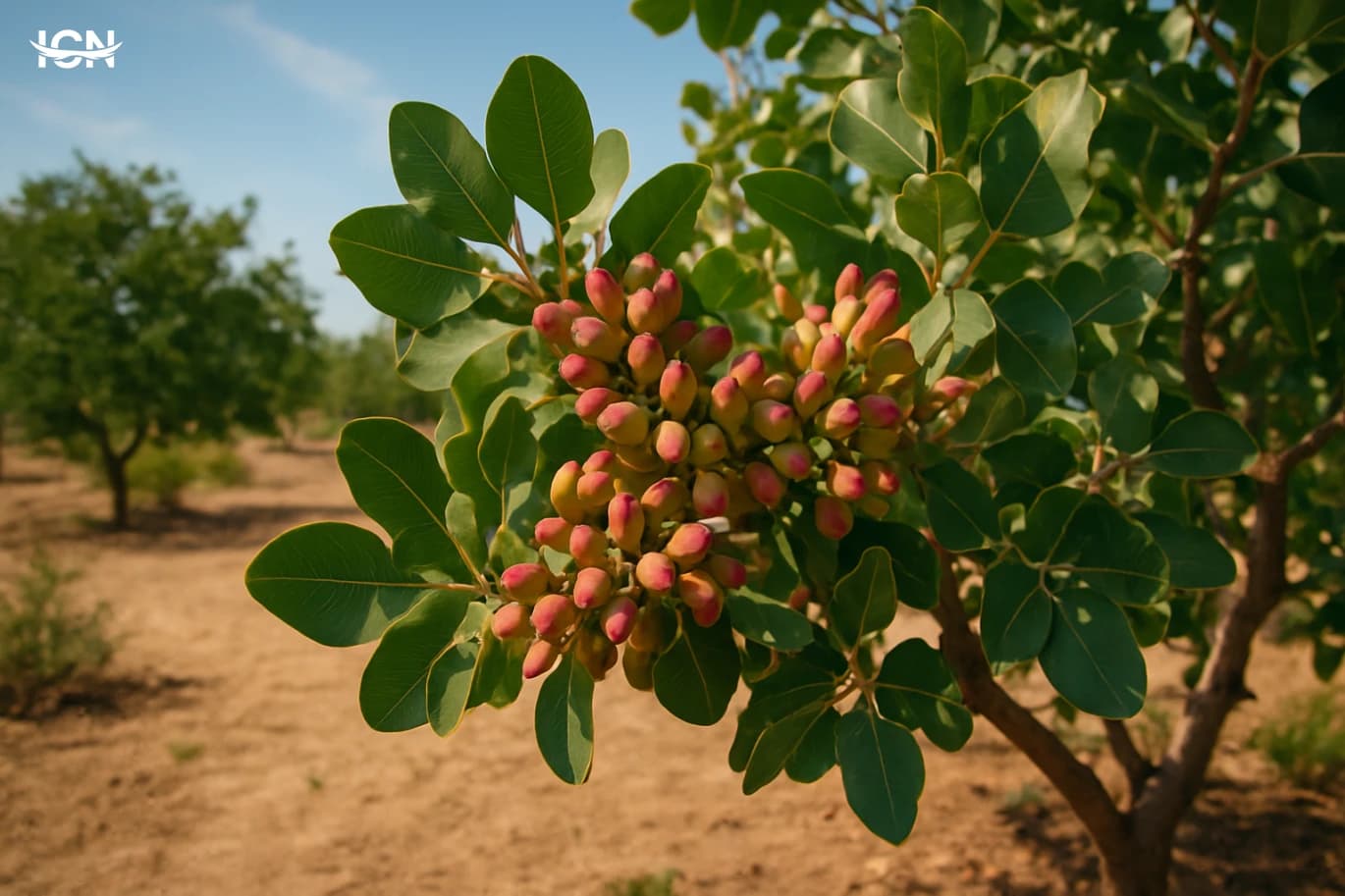
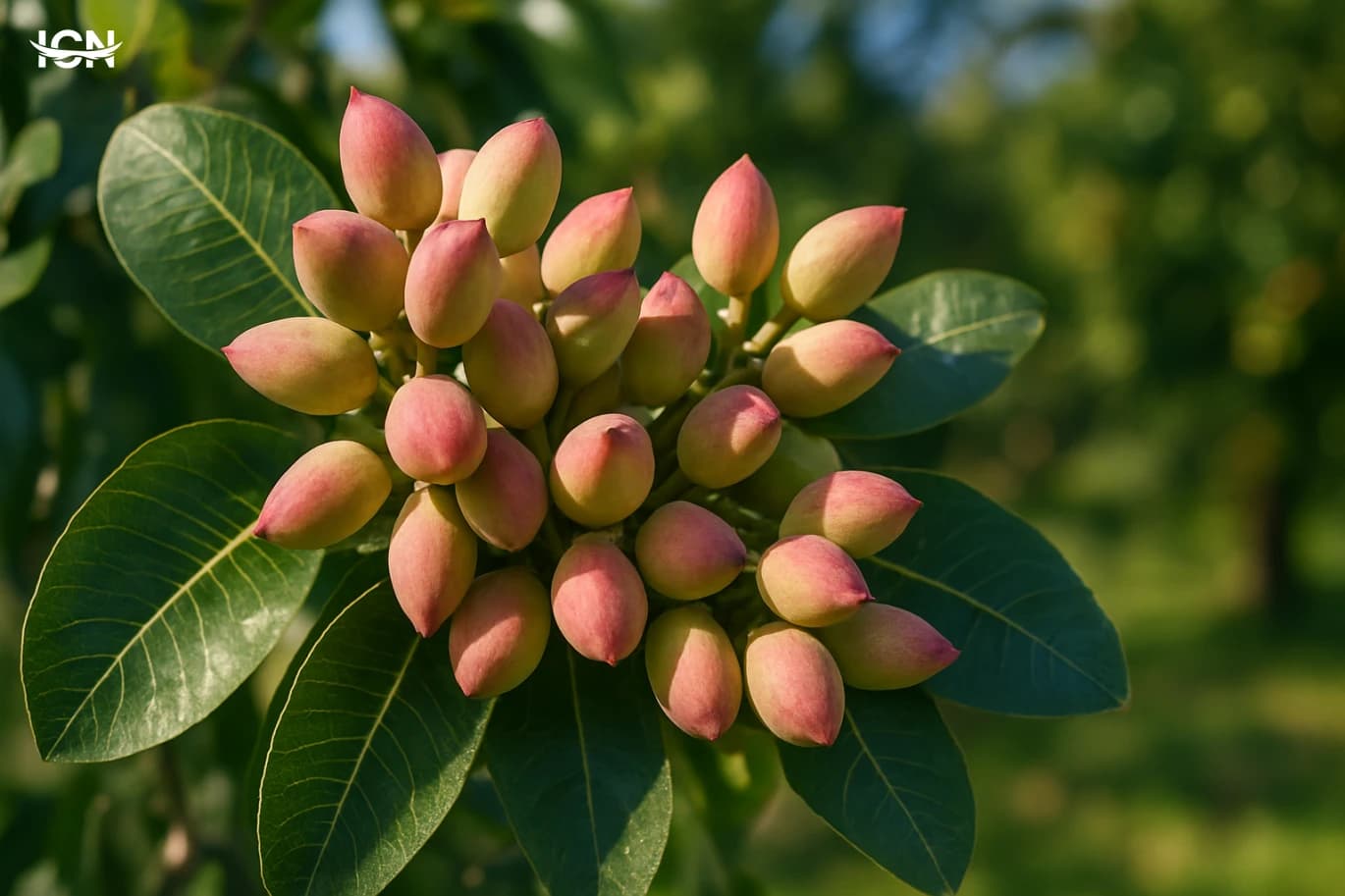
In small orchards, quality is often the main competitive advantage, and it is heavily influenced by harvest and post-harvest handling. Harvest timing should target full maturity while minimizing staining and shell damage. Waiting too long can increase defects and pest pressure in some regions, while harvesting too early can reduce split shells and kernel size. A small grower can monitor maturity by checking hull separation, nut color, and split percentage across multiple trees rather than relying on a single sample. Prompt hulling and drying are critical. Leaving harvested clusters in piles for extended periods can lead to staining and quality loss. Even without industrial equipment, small orchards can use scaled solutions: a small huller, clean drying racks, and forced-air drying setups sized to the harvest volume. The goal is to reduce moisture to safe storage levels quickly and evenly. Cleanliness matters throughout, including keeping nuts off bare soil and using food-grade containers. Storage should protect against moisture uptake and quality decline. Cool, dry conditions and sealed packaging help maintain flavor and reduce rancidity risk. Small growers who plan to sell over time should think like a processor: label lots by harvest date, track drying parameters, and store in a way that prevents mixing different quality grades. If selling to a buyer, understanding their specifications for moisture, defects, and sizing can guide decisions at harvest and improve acceptance rates.