Tesla company

- The history and development of Tesla
- Tesla products
- Technology and innovation at Tesla
- Challenges and competition in the electric vehicle market
- Tesla's impact on the automobile and energy industries
The history and development of Tesla
A. The beginning and establishment of the company Tesla was founded in 2003 by Martin Eberhard and Mark Tarpinen. Their vision was to accelerate the world's transition towards sustainable energy. The company began developing innovative electric cars, launching its first electric sports car, the Tesla Roadster, in 2008. b. Stages of growth and global expansion Over the years, Tesla has succeeded in expanding its production line to include Model S, Model Tesla expanded into global markets, believing in its ability to radically change the traditional automobile industry.
Tesla products
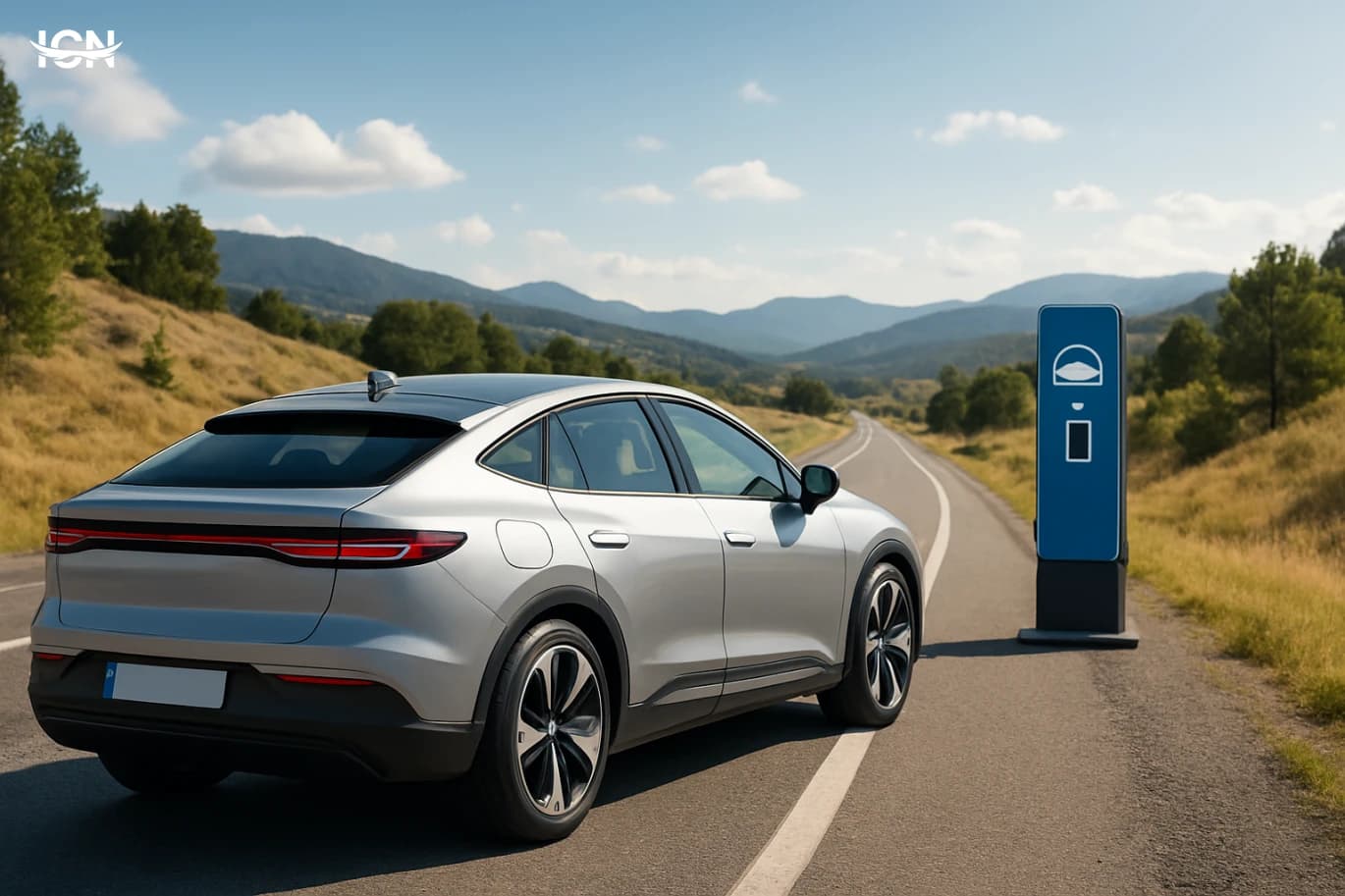
A. Electric Vehicles Tesla offers a variety of advanced electric vehicles, including the high-performance Model S and the best-selling Model 3 in its class. These cars feature self-driving technology and advanced safety systems, making them a preferred choice for many users. for. Energy Systems and Infrastructure In addition to vehicles, Tesla offers integrated energy solutions including energy storage systems such as Powerwall and Powerpack. It is also developing a high-speed charging network for its users, making it easier for drivers to charge their cars easily and safely.
Technology and innovation at Tesla
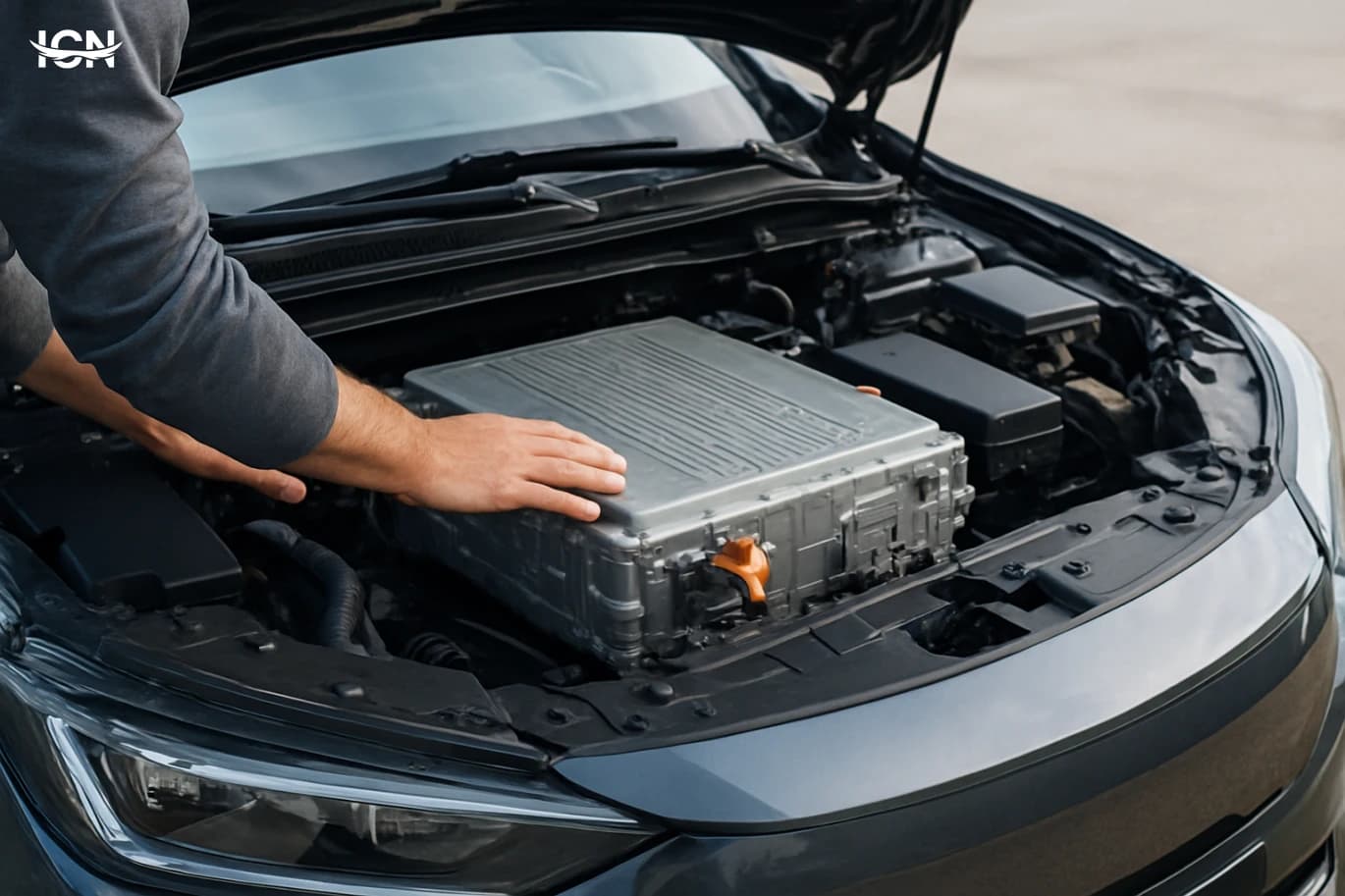
A. Self-driving systems Self-driving systems in Tesla cars are considered one of the most prominent advantages they have, as they aim to improve the driving experience and increase safety. These systems rely on an array of sensors and cameras to provide a comprehensive view of the road, allowing the car to make smart decisions while driving. for. Battery Technologies and Development Tesla is investing heavily in battery technologies, as it seeks to improve energy efficiency and reduce production costs. The use of rechargeable batteries, such as lithium batteries, enables Tesla to deliver excellent electric vehicle performance, delighting users with longer driving range and higher performance.
Challenges and competition in the electric vehicle market
A. Technical and operational challenges Tesla faces many technical and operational challenges, such as ensuring the safety of autonomous systems and developing battery technology. These challenges require huge investments and continuous innovations to keep pace with market developments and ensure customer satisfaction. for. Main Competitors Tesla competes with other prominent companies in the field of electric cars such as Nissan, Charger, and BMW. These companies offer innovative and competitive models, forcing Tesla to continue developing its products and improving its services to strengthen its position in the growing market.
Tesla's impact on the automobile and energy industries
A. Changes in the automotive market Tesla is considered a pioneer in the shift towards electric cars, revolutionizing how consumers interact with vehicles. By offering advanced technology and innovative driving experiences, Tesla was able to establish new standards in the market, prompting competing companies to think of new strategies and innovative business mechanisms. for. Contributions to Sustainability and Clean Energy Tesla advances the use of clean energy by developing energy storage and solar solutions. These efforts contribute to reducing carbon emissions and promoting sustainability initiatives, making a noticeable impact not only on the automotive industry but also on future energy trends.