Buying a Used EV Without Regrets
- Why used EVs are suddenly tempting
- Battery health checks that actually matter
- Charging compatibility and real-world convenience
- Software, features, and the hidden ownership costs
- A practical inspection and negotiation checklist
Why used EVs are suddenly tempting
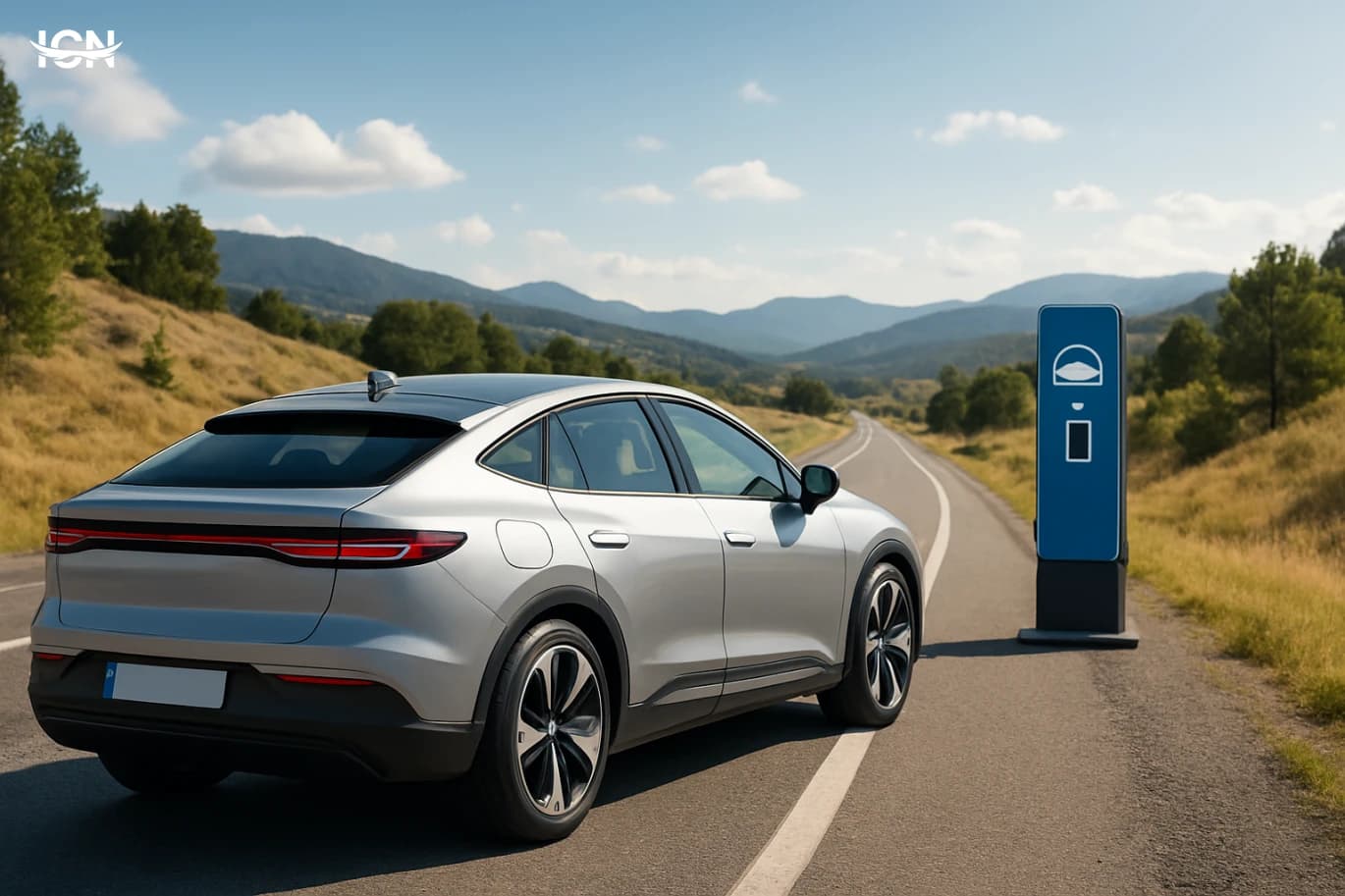
Used electric vehicles have moved from niche listings to mainstream options because pricing has shifted faster than many shoppers expected. New-model incentives, rapid model updates, and changing demand have pushed a larger number of lease returns and trade-ins into the market. For buyers, that can mean a newer car for the money, but it also means you must compare vehicles that look similar on paper yet differ widely in battery health, charging capability, and software support. The biggest appeal is predictable daily running costs. Electricity pricing is usually steadier than fuel, and fewer moving parts can reduce routine service needs. However, the purchase decision is less about engine condition and more about how the battery has been treated, what charging standards the car supports, and whether the manufacturer still provides updates and parts. A smart used-EV purchase starts with understanding these market dynamics so you can separate a genuine value from a discounted headache.
Battery health checks that actually matter
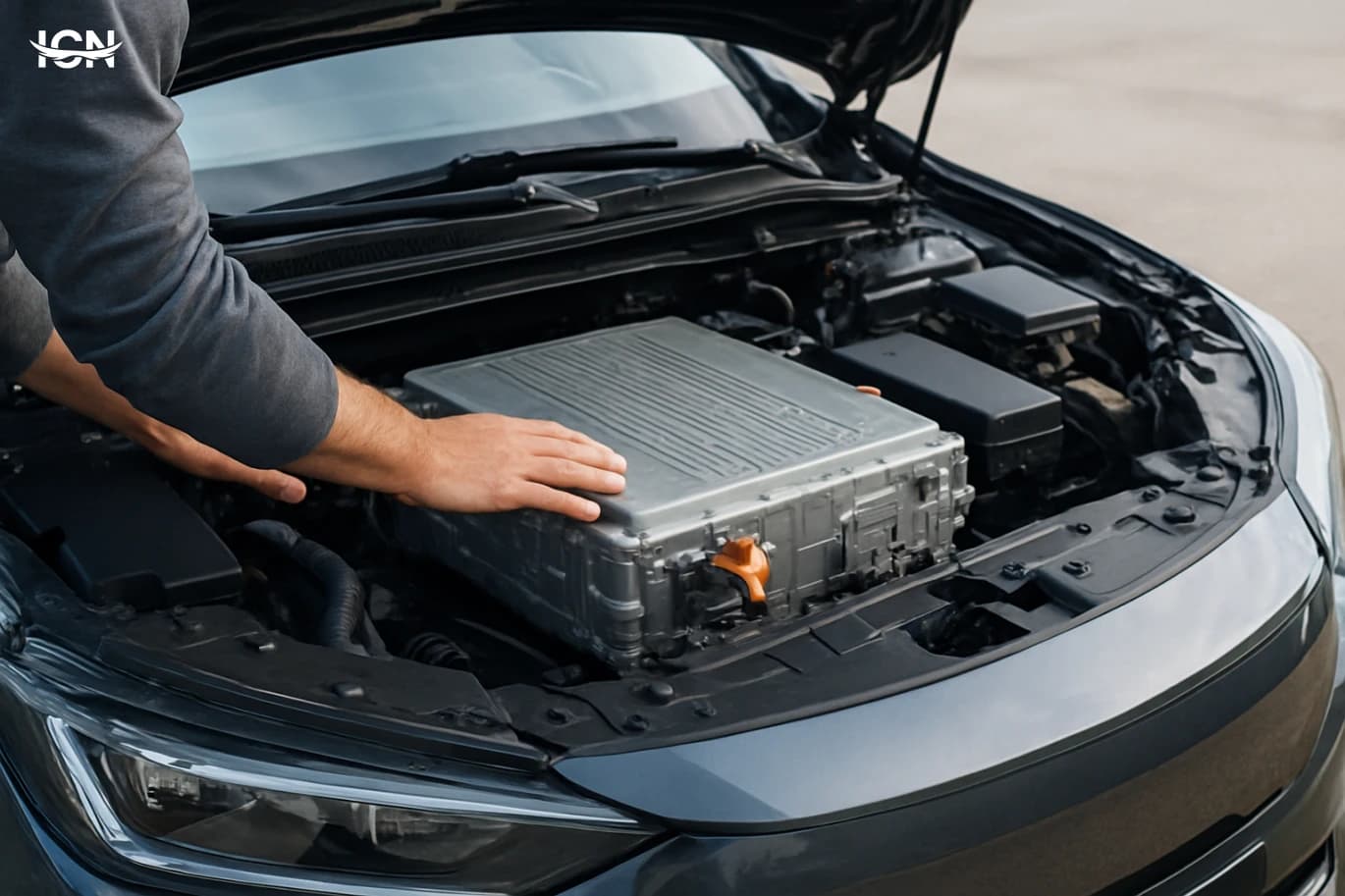
Battery condition is the core of a used EV’s value. Start by asking for a recent battery health report if the brand or dealer can provide one. Some manufacturers show state of health (SOH) or usable capacity in service menus, while others require a diagnostic scan. If a formal report is not available, use practical indicators: compare the displayed range at 100% charge with the original EPA/WLTP figure, but adjust for temperature, wheel size, and driving mode. A single number is not proof, yet a large gap can justify deeper inspection. During a test drive, watch for rapid percentage drops under moderate acceleration, unusual power limiting at mid-charge, or cooling fans running aggressively in mild weather. Ask about the car’s charging habits: frequent fast charging is not automatically bad, but repeated high-heat sessions can accelerate wear. Also check warranty terms. Many EVs have separate battery warranties with mileage and time limits; knowing what remains can change the risk profile dramatically. Finally, look for evidence of battery-related recalls or software updates that improve thermal management, because these can affect long-term durability.
Charging compatibility and real-world convenience
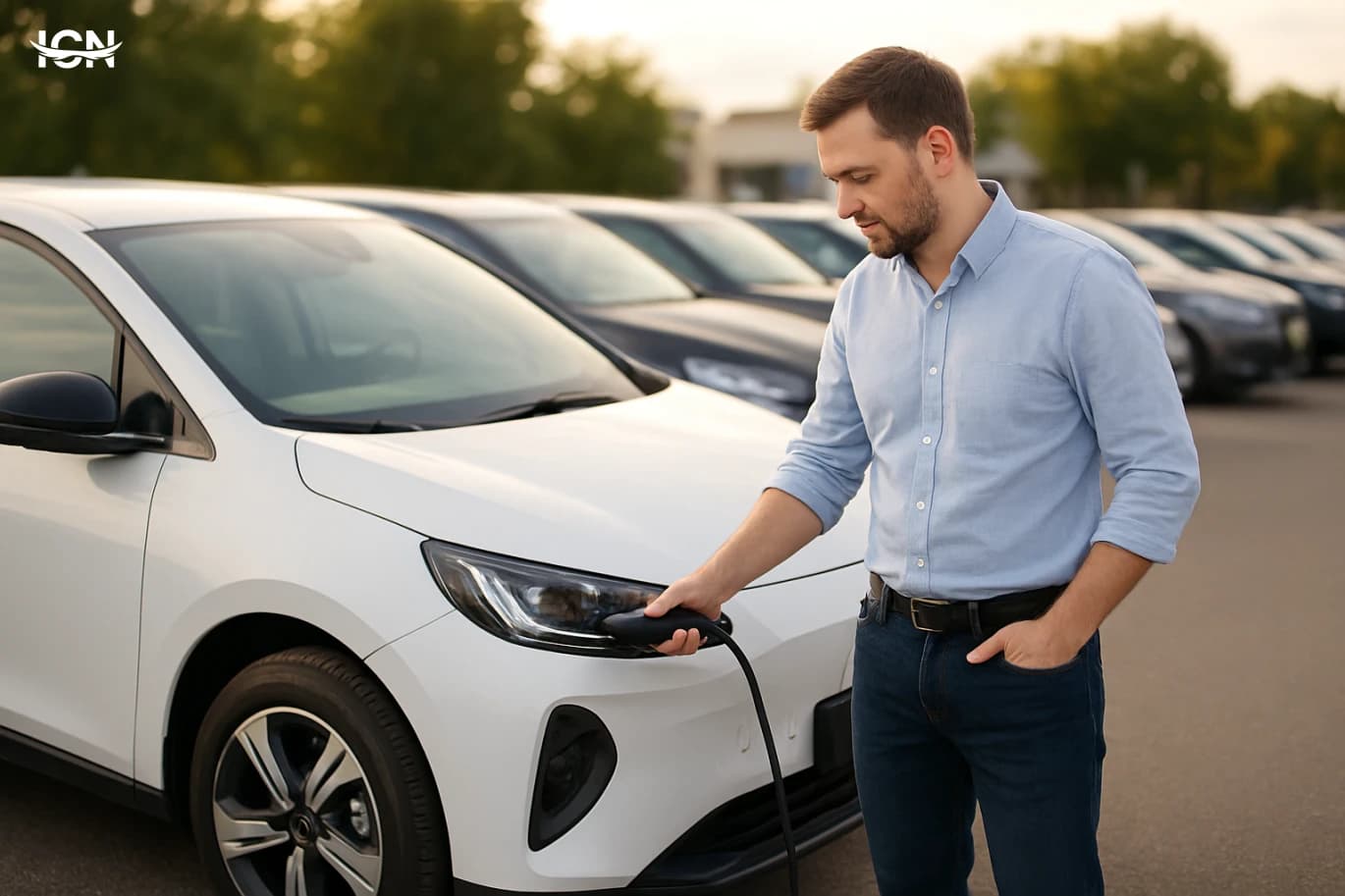
Two used EVs can share similar range yet feel completely different to live with because of charging standards and speeds. Confirm the connector type and what public infrastructure is common in your area. In many markets, the practical question is whether the car can access the most reliable fast-charging networks and whether it supports plug-and-charge or requires multiple apps and accounts. Also check the maximum DC fast-charging rate and, more importantly, the charging curve. A car advertised at a high peak rate may only hold that speed briefly, while another with a lower peak can be faster from 10% to 80%. At home, verify whether the car includes a portable charger, whether it supports single-phase or three-phase AC charging, and what onboard charger capacity it has. If you live in an apartment, ask about building policies, metering, and the feasibility of installing a dedicated outlet. For road trips, look at route planning tools and whether the vehicle’s navigation integrates charger availability and preconditioning. These details determine whether the EV fits your routine or becomes a constant planning exercise.
Software, features, and the hidden ownership costs
Modern EVs are software-heavy, and that changes what “condition” means. Confirm whether the car still receives over-the-air updates and whether the previous owner’s account can be cleanly removed. Some brands tie key features to subscriptions, such as advanced driver assistance, connected navigation, or remote climate control. Before buying, ask for a list of active subscriptions, what transfers to the next owner, and what will cost extra. A low purchase price can be offset by monthly fees you did not expect. Also evaluate repair and insurance realities. EVs can be inexpensive to maintain, but certain repairs—battery cooling components, high-voltage wiring, or collision-related work—may require specialized shops and higher labor rates. Check tire wear too; EV torque and weight can shorten tire life, and some models use uncommon sizes. Finally, review the vehicle’s service history for coolant changes, brake fluid intervals, and any high-voltage system inspections recommended by the manufacturer. Treat the software and service record as part of the car’s mechanical health, not as optional extras.
A practical inspection and negotiation checklist
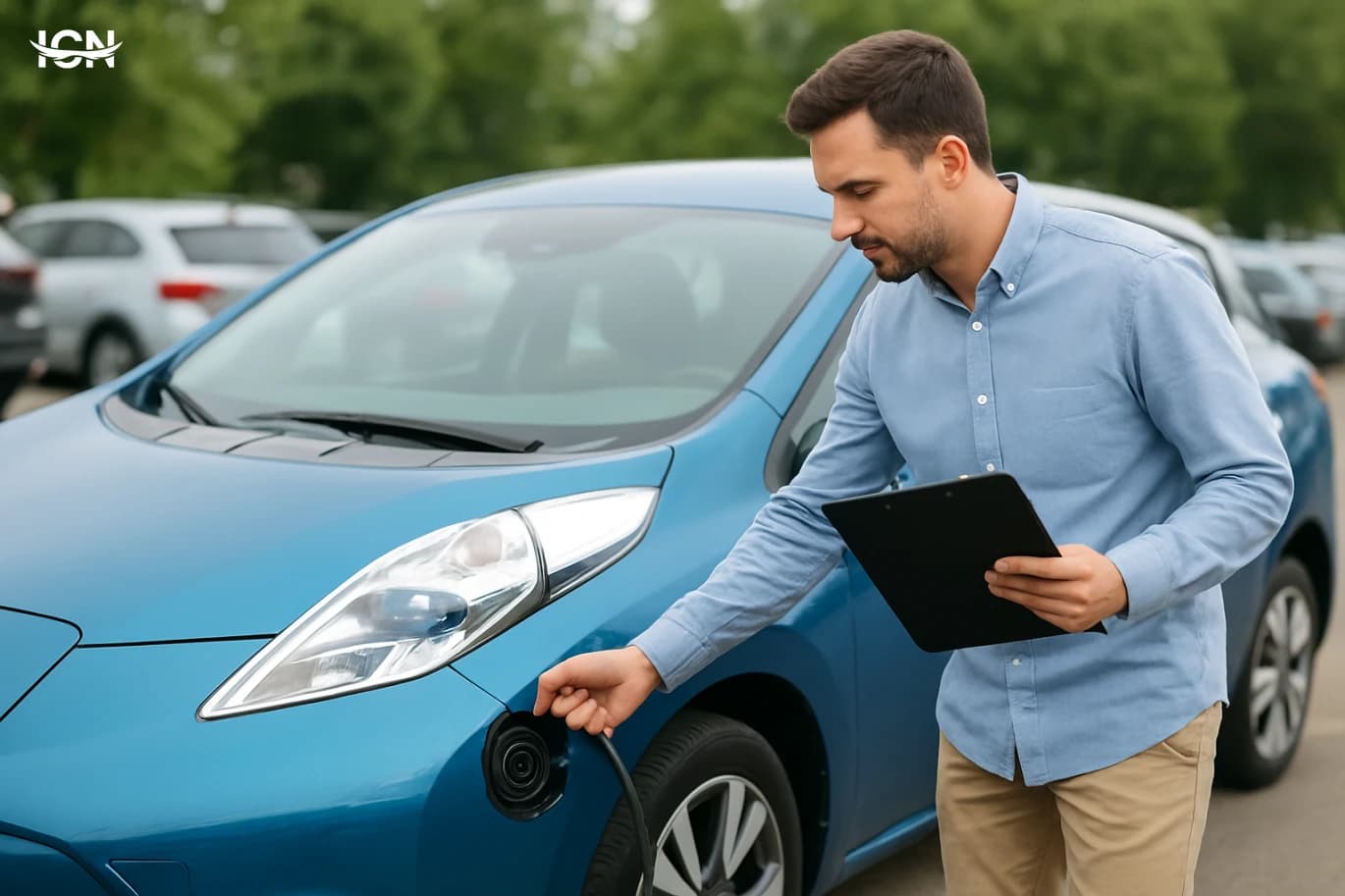
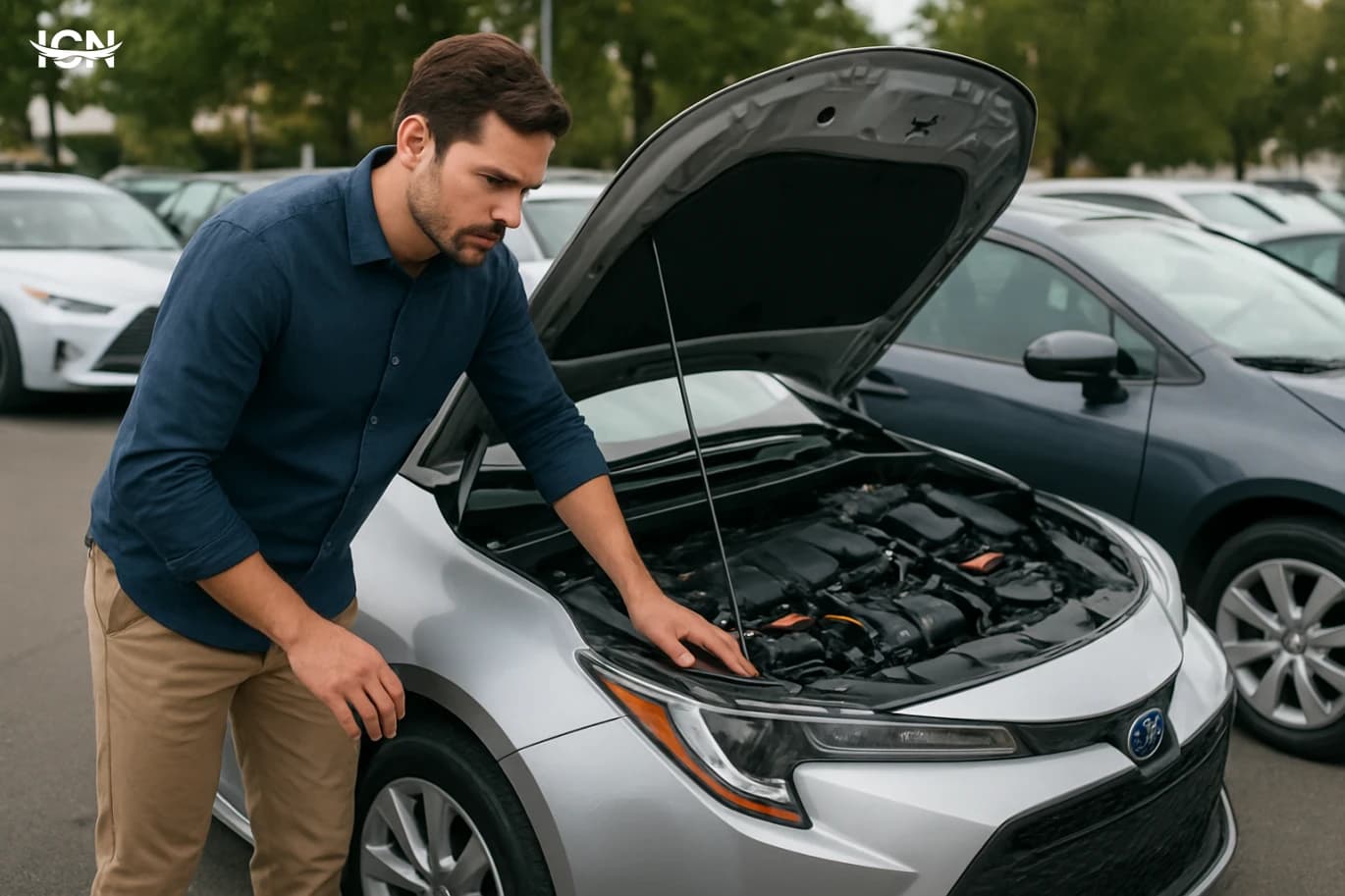
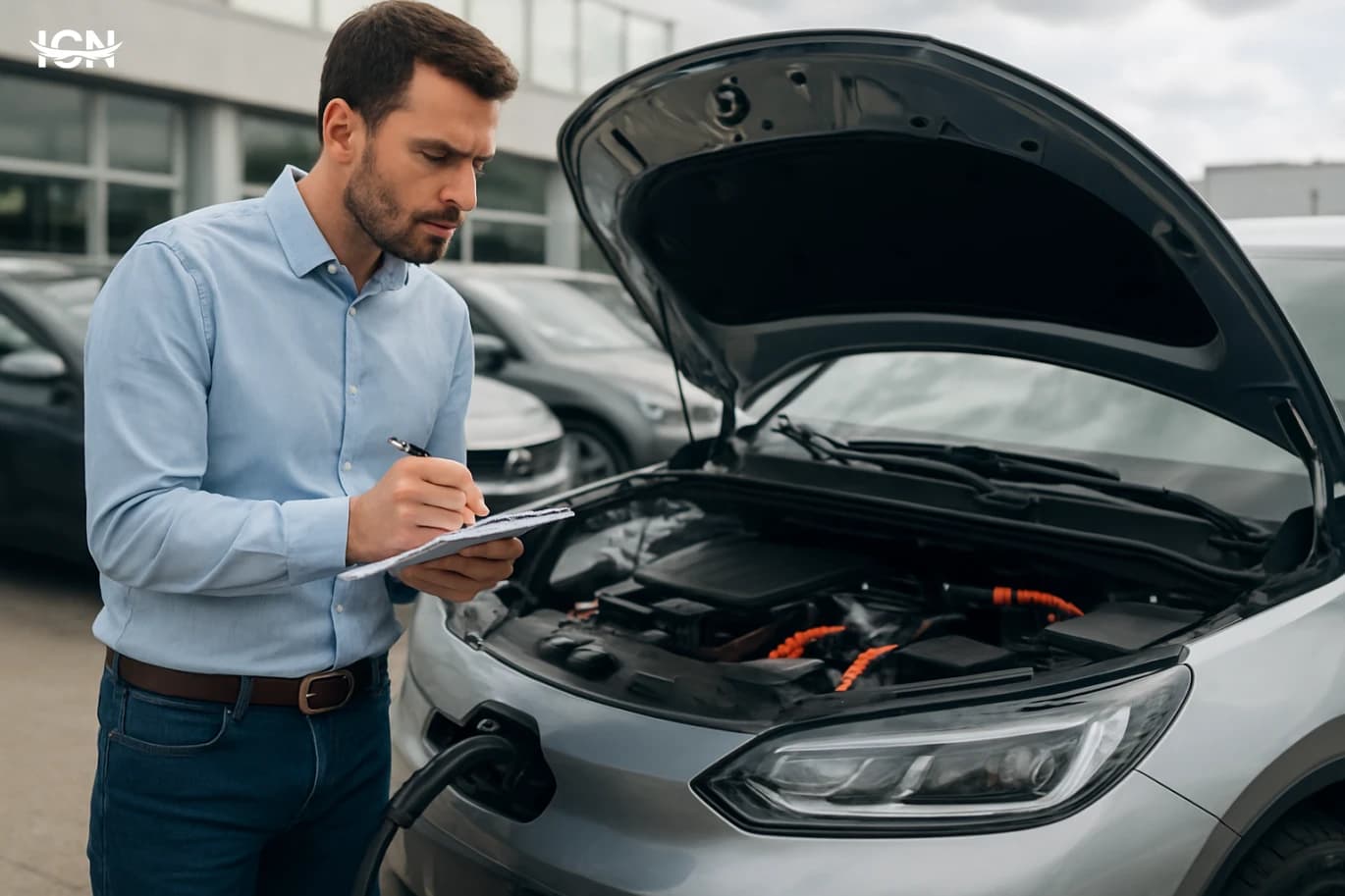
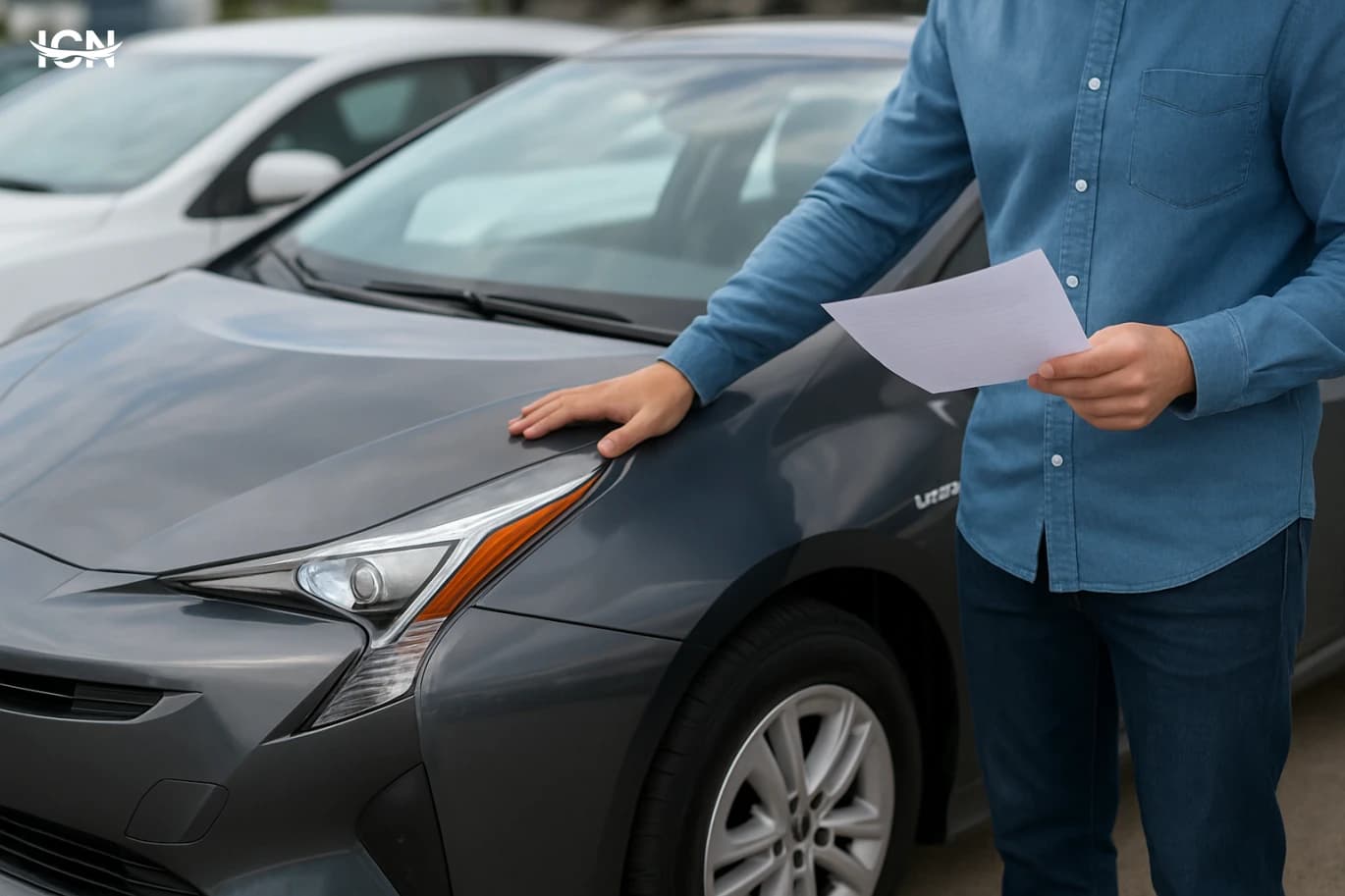
Approach a used EV like a structured audit. First, verify the VIN history for title issues and confirm any recall work is completed. Inspect the charging port for damage, corrosion, or loose pins, and test both AC and DC charging if possible. Look under the car for battery pack scrapes or impacts, especially if the vehicle has been driven on rough roads. Check that all keys are present; replacement smart keys can be expensive and sometimes require dealer programming. On the road, listen for suspension clunks and check for vibration under acceleration, which can indicate drivetrain or axle issues. Confirm that regenerative braking feels smooth and consistent. Inside, test climate control thoroughly; heat pumps and electric heaters are critical for winter range and comfort. When negotiating, use concrete findings: remaining battery warranty, tire condition, missing charging equipment, and any paid features that will expire. Ask the seller to include a fresh inspection report or to reduce the price to cover one at a specialist EV shop. A disciplined checklist turns uncertainty into numbers you can negotiate with.