App Logo

Download Our App

Shop your way

logologo
Image

Practical Guide to Buying a Used EV

06/07/2026By: ICN Writer
Practical Guide to Buying a Used EV

Why used EVs are different

Buying a used electric vehicle is not the same as buying a used gasoline car, even when the body looks identical. The most expensive component is the battery pack, and its condition affects range, charging speed, and resale value. Unlike an engine, battery wear is not always obvious during a short test drive, so you need a plan to verify it. Another difference is software: many EVs receive updates that can change efficiency, charging behavior, and even driver-assistance features. A used EV may also have paid options tied to an account, a subscription, or a previous owner, so you must confirm what transfers with the car. Finally, charging is part of ownership. Your daily routine, access to home charging, and local public charging reliability matter more than horsepower figures. A used EV can be an excellent value, but only if you check the right things in the right order.

Battery health checks you can actually do

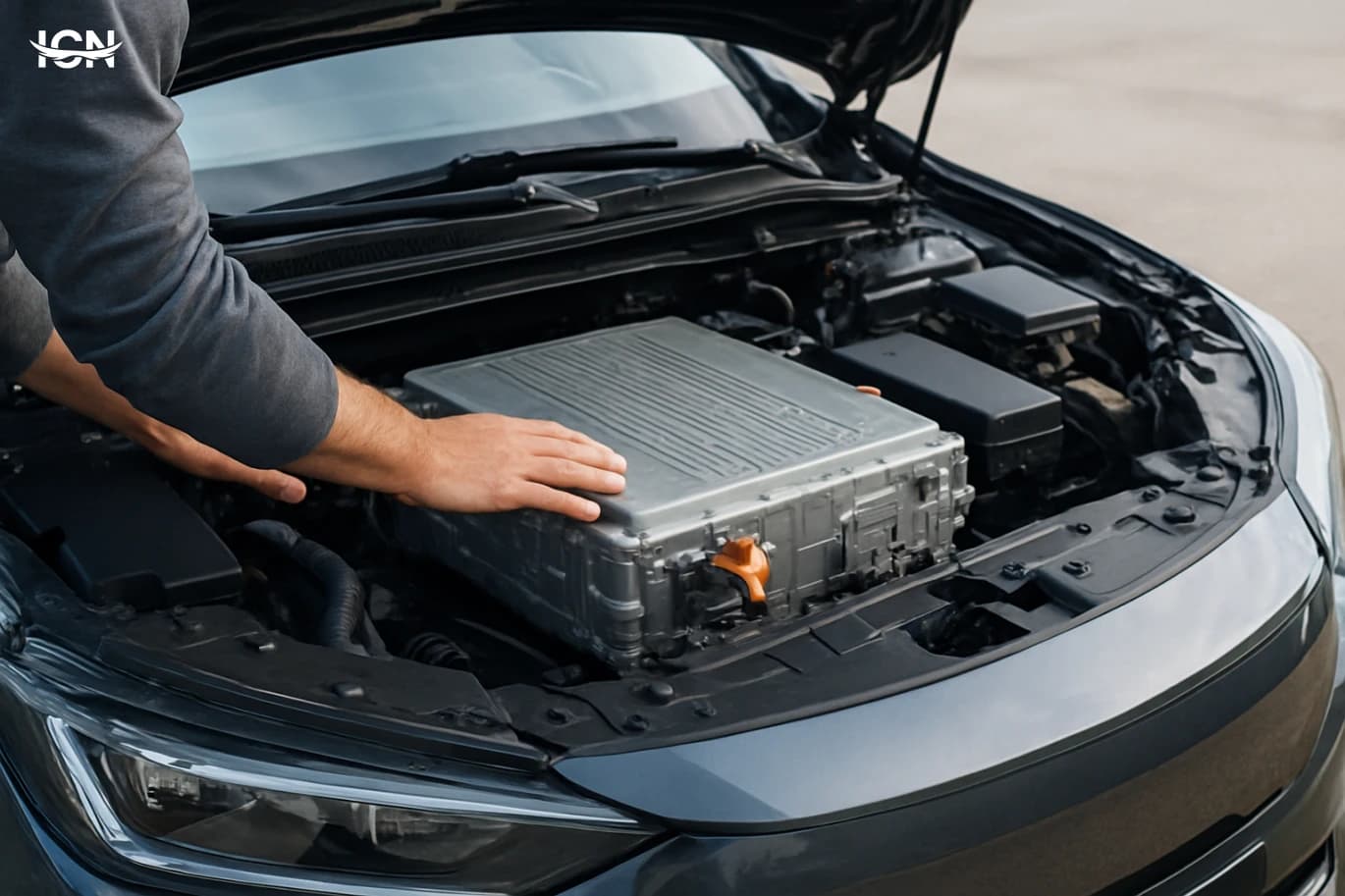
Start with the basics: ask for the current displayed range at 100% charge and compare it with the model’s original EPA or WLTP rating, keeping in mind that wheels, tires, temperature, and driving style change the number. A more reliable indicator is the car’s reported battery health or state of health (SOH) if the system shows it. Some brands display it in service menus; others require a dealer report. Request a recent diagnostic printout if possible. During inspection, check the charging history: frequent fast charging is not automatically bad, but heavy reliance on DC fast charging in hot climates can accelerate degradation. Look for evidence of thermal management issues, such as repeated warnings in the car’s logs or a history of reduced charging speed. On a test drive, watch the energy consumption and the battery percentage drop over a known distance. If the car loses an unusually large percentage on a short, steady drive, that can be a red flag, though wind and temperature can distort results. If the seller agrees, do a short DC fast-charge session and observe the charging curve: a healthy pack typically accepts higher power at low state of charge and tapers smoothly. Sudden, early throttling may indicate a cold battery, a hot battery, or a pack that has been limited by the manufacturer. Also confirm warranty status: many EVs have separate battery warranties, often 8 years or a mileage limit, with a minimum capacity threshold. Knowing what is still covered changes the risk calculation.

Charging compatibility and home setup

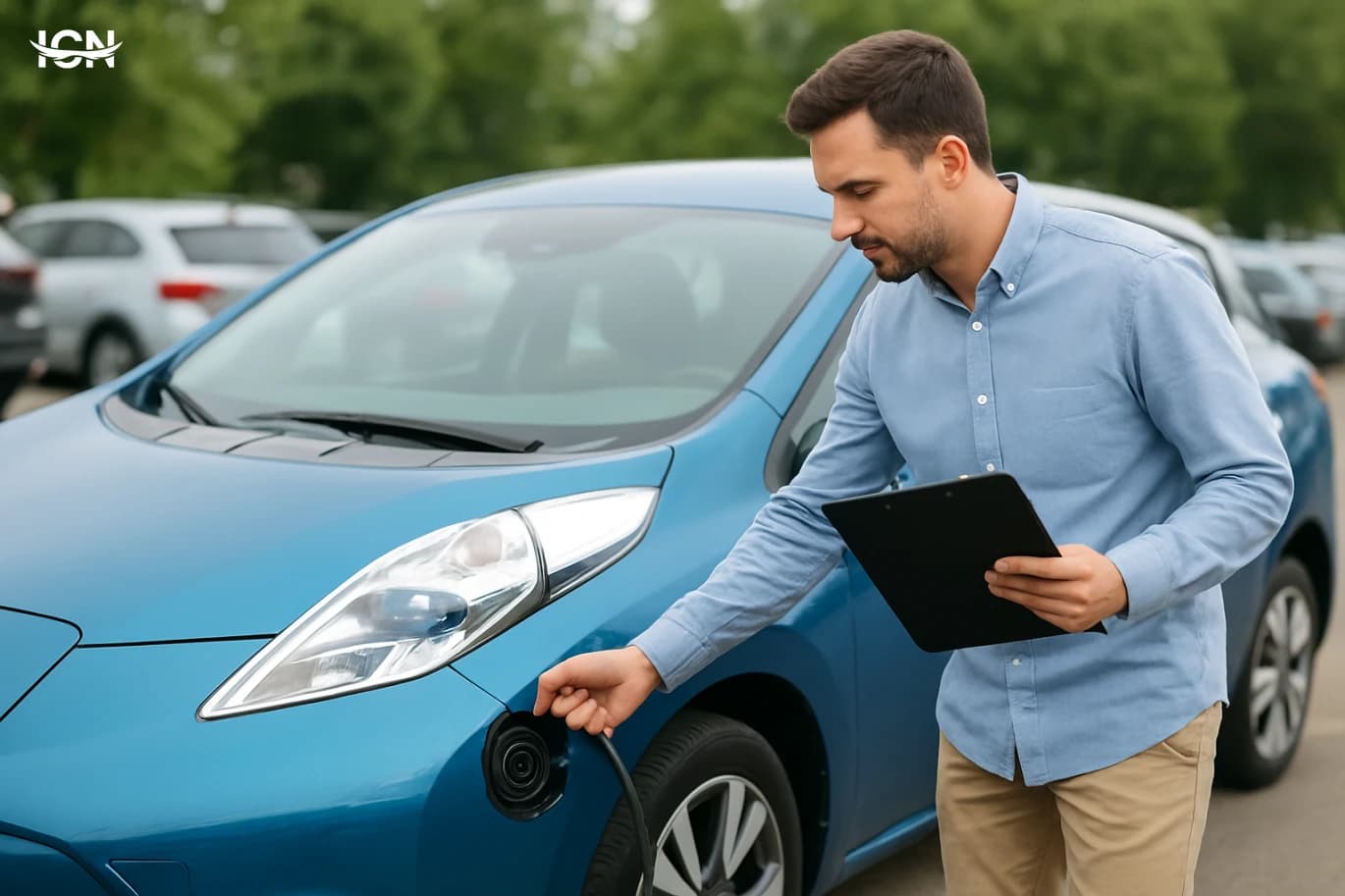
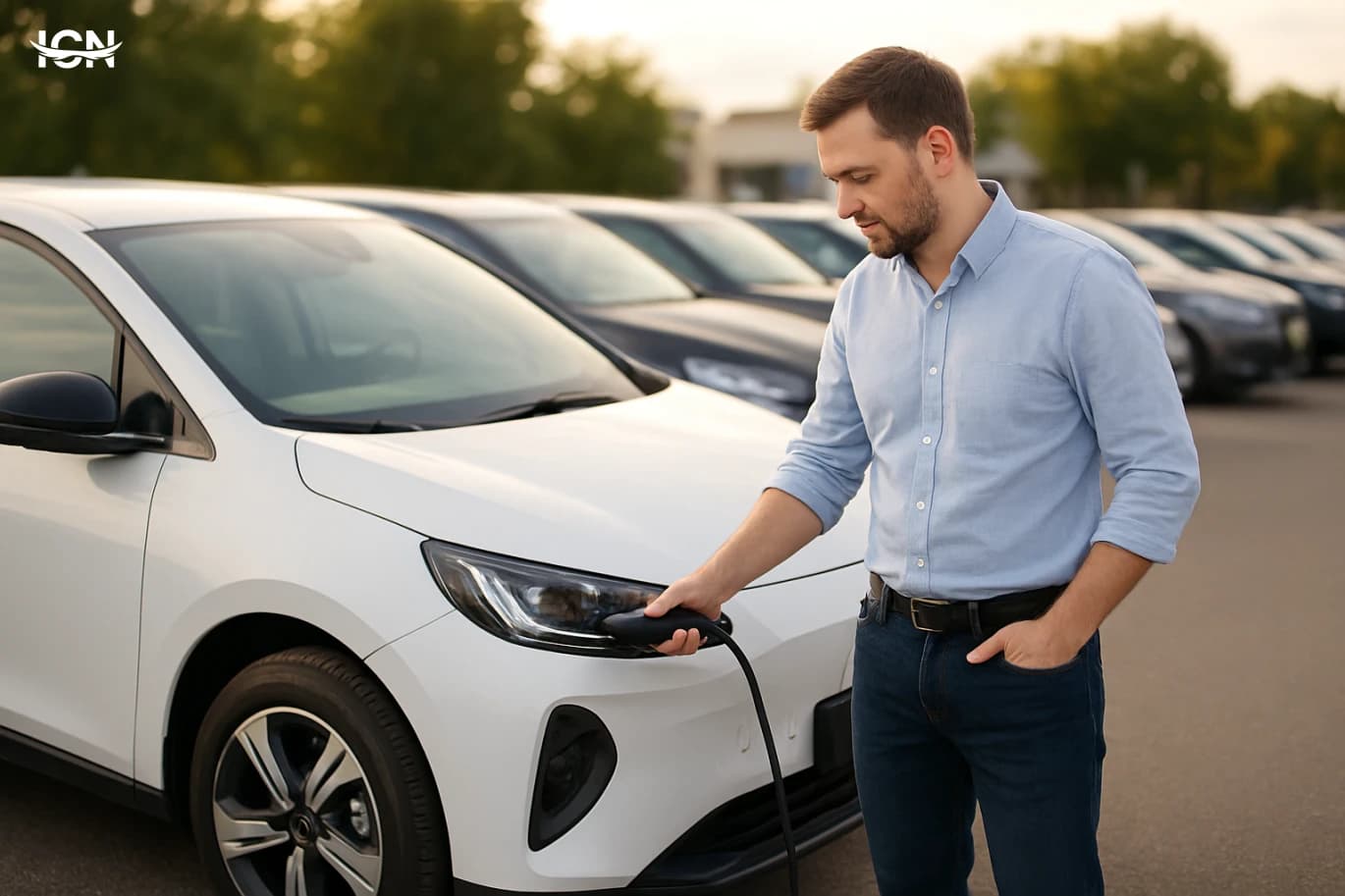
Before you fall in love with a specific used EV, confirm that you can charge it conveniently. At home, the key questions are whether you have a dedicated parking spot, the distance to your electrical panel, and whether your building allows installing a Level 2 charger. A standard wall outlet can work for low daily mileage, but many drivers underestimate how slow it is. A Level 2 setup is often the difference between stress-free ownership and constant planning. Next, check connector standards and local infrastructure. In some markets, certain models use different fast-charging connectors or need adapters. Ask what comes with the car: portable charging cable, wall box, and any adapters. If the car relies on a proprietary charging network for best experience, verify that the account can be transferred and that the network is available on your routes. Also consider charging speed: two EVs with similar battery sizes can have very different DC fast-charge performance. Look up the maximum kW rate and, more importantly, typical 10–80% time. For daily use, efficiency matters too. A slightly smaller battery with better efficiency can be easier to live with than a larger battery that consumes more energy per kilometer. Finally, plan for public charging realities. Check the number of stations near your home and workplace, but also read recent user reports about reliability and wait times. A used EV is a practical purchase only when charging fits your schedule, not when it looks good on paper.

Service history, recalls, and software

A used EV still needs documentation, just in different areas than a traditional car. Ask for service records that show coolant changes for the battery thermal system (if applicable), brake fluid intervals, cabin filter replacements, and any repairs to the onboard charger, charge port, or high-voltage components. Because regenerative braking reduces pad wear, some cars go long periods without brake service, but that can lead to rusted rotors in humid regions. Inspect the brakes carefully and confirm they have been cleaned and serviced when needed. Check for open recalls and service campaigns. EV recalls often involve software updates, battery monitoring, or charging behavior. Confirm that all updates have been applied and that the car is eligible for future updates. Some manufacturers limit features by region or by ownership status. If the car uses an app for remote functions, verify that the seller will remove the vehicle from their account and that you can register it immediately. Software version matters for usability. Updates can improve route planning, charging preconditioning, and efficiency. During inspection, test the infotainment system, navigation, Bluetooth, and driver-assistance sensors. A used EV with glitchy software can be frustrating even if the battery is fine, so treat the digital experience as part of the mechanical inspection.

Costs, depreciation, and smart negotiation

Used EV pricing can be confusing because depreciation is influenced by incentives, new-model price cuts, and rapid technology changes. Start by comparing the used price not only to the original MSRP, but also to the current new price after incentives in your area. In some markets, a discounted new EV can be close to a used one, which changes the value equation. Build a realistic cost picture. Ask for insurance quotes, check tire prices (EVs often use specific low-rolling-resistance tires), and estimate electricity costs based on your tariff. If you will rely on public fast charging, include those rates, which can be significantly higher than home charging. Also consider potential out-of-warranty repairs: while EVs have fewer moving parts, components like the air-conditioning compressor, suspension, and infotainment can still be expensive. For negotiation, use facts you can document. If the battery health report shows reduced capacity, translate that into practical impact: fewer kilometers per charge and potentially lower resale value. If the car lacks a home charger, has worn tires, or needs a brake service, price those items and present them calmly. Avoid arguing about online rumors; focus on the specific vehicle in front of you. A fair deal is one where the price reflects battery condition, charging equipment included, warranty remaining, and the local charging reality.

Final checklist before you sign

Before committing, run a structured checklist. Confirm the VIN matches all documents and that there is no outstanding finance or ownership issue. Verify the battery warranty start date and remaining coverage, and ask whether the warranty transfers automatically. Ensure you receive all keys, charging cables, adapters, and the tire repair kit if the car does not have a spare. Do a full walk-around and underbody inspection for damage, especially around the battery pack area. Check that all driver-assistance features work without warnings. Test AC performance; EVs rely on efficient climate control, and repairs can be costly. If possible, schedule a pre-purchase inspection with a shop experienced in EVs or a dealer diagnostic session. The goal is not perfection; it is to avoid expensive surprises. Finally, confirm your charging plan for the first week of ownership. Know where you will charge, what apps or RFID cards you need, and how long typical sessions take. A used EV becomes a confident purchase when the paperwork is clean, the battery condition is verified, and charging is already solved in your routine.

* All articles published on this blog are sourced from various websites and are provided for informational purposes only. They should not be considered as confirmed studies or accurate information. Please verify the information independently before relying on it.

Similar ARTICLES

The Hidden Economics of Tire Pressure
Tire pressure is usually treated as a safety checklist item, but it also has a measurable impact on day-to-day costs. A few PSI below the recommended level increases rolling resistance, which forces the engine or electric motor to work harder. Over weeks of commuting, that extra effort shows up as higher fuel consumption or reduced driving range, and it can be large enough to notice in monthly spending. Underinflation also accelerates shoulder wear on the tread, shortening tire life and bringing forward the next replacement cycle. The financial effect is not limited to fuel. Incorrect pressure changes how the tire deforms over bumps, which can increase vibration and stress on suspension components. While one low-pressure drive will not break anything, chronic neglect can contribute to earlier wear of bushings and alignment drift, which then creates more uneven tire wear. The result is a chain of small costs: more frequent alignments, earlier tire replacement, and a steady leak of efficiency that drivers often blame on traffic or “old car behavior.”
Choosing the Right Tires for Every Season
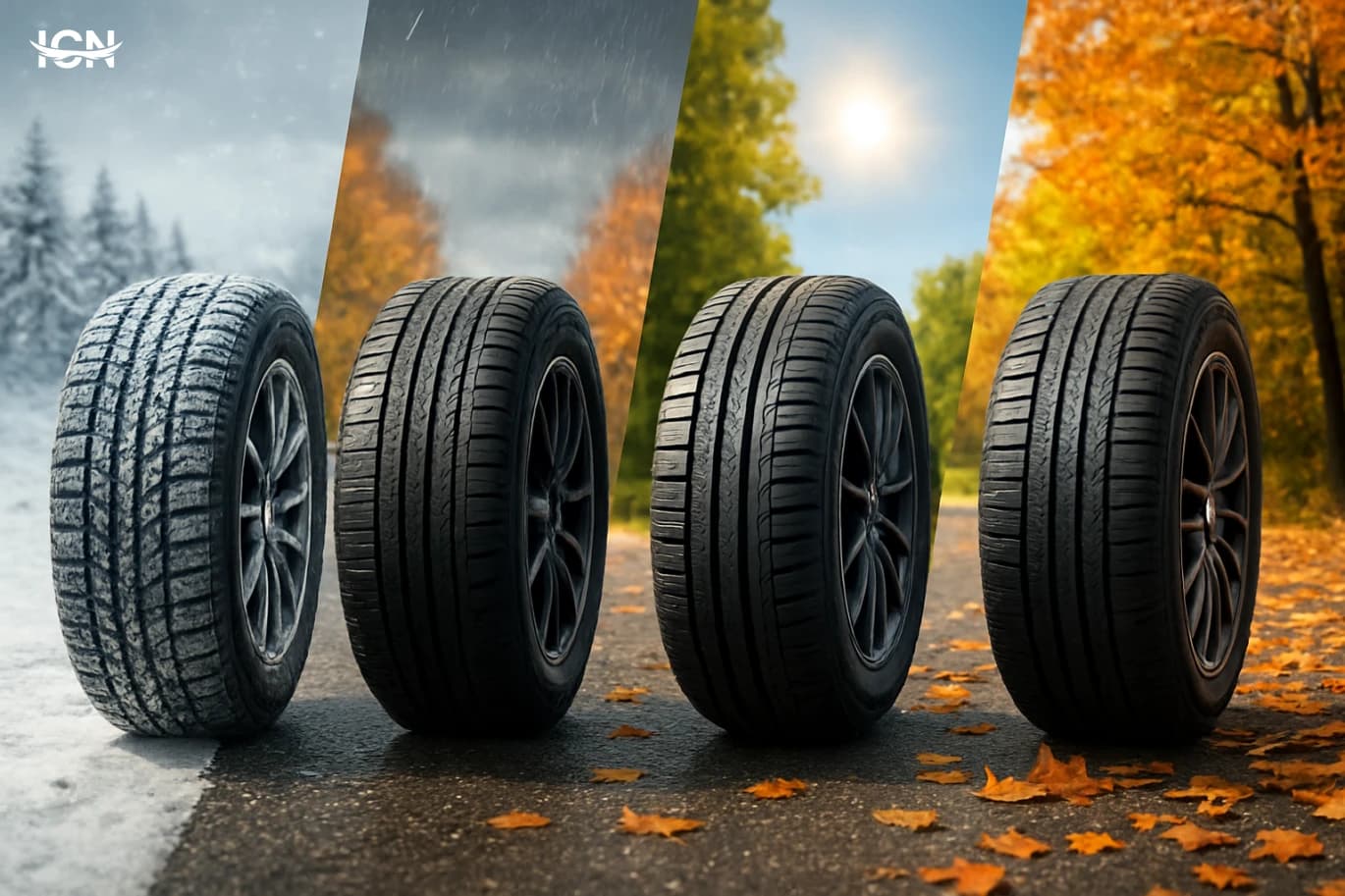
Tires are the only part of a car or motorcycle that continuously touches the road, so their condition and design affect braking distance, cornering stability, ride comfort, and fuel consumption more directly than many popular upgrades. A high-performance exhaust or a stronger battery does not help if the contact patch cannot transmit grip safely in rain, heat, or cold. Tire choice also changes how electronic safety systems behave; ABS and traction control can only work with the grip available, and mismatched tires can make these systems feel inconsistent. For motorcycles, tire profile and compound influence steering effort and stability at speed, while for cars the tread pattern and sidewall stiffness can change how the vehicle responds in emergency maneuvers. This section sets the practical goal of the topic: selecting tires that match your climate, driving style, and vehicle requirements, rather than buying by brand reputation alone.
Practical Guide to Buying a Used EV
Used electric vehicles are no longer a niche purchase. In many markets, the first wave of mass‑market EVs is now reaching second and third owners, which creates real price variety and more negotiating power for buyers. The biggest attraction is depreciation: an EV that was expensive new can become accessible after a few years, while still offering quiet driving, strong low‑speed acceleration, and lower routine maintenance than many gasoline cars. That said, buying used is not only about finding the lowest price. The value of an EV depends heavily on battery health, charging compatibility, and how the previous owner used and maintained the car. A well‑documented, moderately driven EV with consistent charging habits can be a better purchase than a cheaper car with unclear history. This guide focuses on practical checks that reduce risk and help you match the vehicle to your daily needs, especially if you rely on public charging or live in an apartment.
Smart Maintenance for High Mileage Cars
A car with 150,000–250,000 km can still be dependable, but the maintenance logic shifts from “follow the manual” to “manage wear.” Rubber parts harden, seals shrink, and small leaks become common. Heat cycles and vibration gradually loosen clamps, brackets, and electrical connectors. The result is that minor issues—an intermittent misfire, a slow coolant loss, a faint drivetrain vibration—can turn into expensive failures if ignored. High mileage also changes how you judge value. The goal is not to make the car feel brand new; it is to keep it safe, efficient, and predictable. That means prioritizing systems that protect the engine and transmission, then focusing on braking, steering, suspension, and tires. A smart plan starts with a baseline inspection, then a schedule that targets the parts most likely to fail next, based on age, mileage, and driving conditions.
Choosing a Used Hybrid Without Surprises
Buying a used hybrid is not the same as buying a conventional gasoline car. The powertrain is split between an engine, one or more electric motors, and a high-voltage battery controlled by software. That means the car’s condition is not only about mileage and oil changes; it is also about how the battery has aged, how the cooling system has been maintained, and whether the car’s updates and recalls were completed. Hybrids can be excellent used purchases because they often spend more time in gentle, low-load operation, especially in city driving where the electric motor assists frequently. Many owners also follow dealer service schedules more closely. At the same time, a hybrid can hide expensive issues if you do not check the right things. A weak battery may still drive normally on a short test, and a neglected inverter coolant circuit may not show symptoms until hot weather or long climbs. The goal is not to fear the technology. It is to approach it with a checklist that matches how hybrids actually fail and how they are repaired. If you do that, you can find a reliable, efficient car with lower fuel costs and strong resale value.
Choosing Tires for Heat and Highways
Many drivers spend on lights, audio, or cosmetic parts while ignoring the only component that touches the road. Tires influence braking distance, steering response, stability in crosswinds, and fuel consumption. On highways, a tire that runs cooler and maintains its shape at speed can feel calmer and quieter, while a mismatched or worn set can make the car wander and increase cabin noise. In hot climates, the stakes rise because heat accelerates rubber aging and increases air pressure, which can change handling and wear patterns. A practical tire choice is not about chasing the most expensive model; it is about matching your driving profile, vehicle load, and local temperatures to a tire built for that environment. This article focuses on how to make that decision with clear checks you can do before buying.
Buying a Used EV Without Regrets
Used electric vehicles have moved from niche listings to mainstream options because pricing has shifted faster than many shoppers expected. New-model incentives, rapid model updates, and changing demand have pushed a larger number of lease returns and trade-ins into the market. For buyers, that can mean a newer car for the money, but it also means you must compare vehicles that look similar on paper yet differ widely in battery health, charging capability, and software support. The biggest appeal is predictable daily running costs. Electricity pricing is usually steadier than fuel, and fewer moving parts can reduce routine service needs. However, the purchase decision is less about engine condition and more about how the battery has been treated, what charging standards the car supports, and whether the manufacturer still provides updates and parts. A smart used-EV purchase starts with understanding these market dynamics so you can separate a genuine value from a discounted headache.
EV Battery Health for Used Car Buyers
In a used electric vehicle, the battery is not just another component; it is the most expensive system and the one that most directly shapes daily range, charging speed, and long-term ownership costs. Two cars with the same model year and mileage can feel completely different if one has a battery that has aged well and the other has lost a noticeable share of usable capacity. That difference shows up in how often you need to charge, whether you can rely on highway range in cold or hot weather, and how much performance is available at low state of charge. Battery health also affects resale value and warranty coverage. Many manufacturers provide an 8-year or similar battery warranty with a minimum capacity threshold, but the details vary by brand and market. A buyer who understands battery health can negotiate based on measurable facts rather than assumptions, and can avoid paying a premium for a car that looks clean but will require earlier battery service. The goal is not to find a “perfect” battery; it is to confirm that the remaining capacity and behavior match your driving needs and the price you are paying.
Choosing the Right Tires for Every Season
Tires are the only part of a car or motorcycle that consistently touches the road, which makes them a primary factor in braking distance, steering response, and stability. Many drivers spend money on power, styling, or infotainment while overlooking the basics of grip and control. A tire’s rubber compound, tread pattern, and construction determine how it behaves on dry asphalt, wet roads, and changing temperatures. Even a well-maintained vehicle can feel unpredictable if the tires are mismatched to the season or worn unevenly. Seasonal conditions change the way rubber works. In cold weather, many summer-oriented compounds stiffen and lose traction, while in high heat some winter-focused tires can feel vague and wear faster. For motorcycles, the effect can be even more noticeable because the contact patch is smaller and the balance between front and rear grip is critical. Understanding how tires are designed for specific temperature ranges and road conditions is a practical way to improve safety and daily driving confidence without changing the vehicle itself.
EV Road Trips Without Range Anxiety
Range anxiety is less about the car’s advertised range and more about uncertainty during real travel. Highway speeds, headwinds, cold or very hot weather, and elevation changes can cut efficiency quickly, so a “300-mile” estimate may not match a long motorway day. Drivers also tend to overestimate how often they must charge to 100%, when most EVs travel best with shorter, planned stops. Another factor is the gap between what the dashboard predicts and what actually happens after a detour, a traffic jam, or a closed charger. The solution is not simply buying a bigger battery; it is learning how to plan around charging networks, realistic consumption, and time. This article topic focuses on practical road-trip habits, not theory, so readers can leave with a repeatable checklist for any route.
Choosing Tires That Match Your Driving
Tires are the only part of a car or motorcycle that actually touches the road, so they shape braking distance, cornering stability, ride comfort, and even fuel use. Many drivers focus on engine power or suspension upgrades while ignoring the four contact patches that determine how safely that power is used. A tire’s rubber compound, tread design, and sidewall stiffness decide how quickly it warms up, how it clears water, and how it responds to steering inputs. The same vehicle can feel completely different after a tire change: quieter on highways, more confident in rain, or sharper in turns. Tire choice also affects maintenance costs because the wrong type can wear unevenly, trigger vibration, or increase the chance of punctures. Understanding what each tire category is designed to do is the fastest way to improve real-world performance without modifying the vehicle.
Buying a Used Hybrid Without Regrets
A used hybrid is not just a regular used car with better fuel economy. It is a system purchase: engine, electric motor, battery pack, power electronics, and software working together. That means the usual checklist for a used vehicle still matters—service history, accident repairs, tires, brakes—but it is not enough on its own. The biggest difference is that wear is distributed differently. Hybrids often have less brake wear because regenerative braking does part of the stopping, but they can have more sensitivity to neglected cooling systems and inverter-related maintenance. The market also behaves differently. Some models hold value because fleets and ride-hailing drivers trust them, while others depreciate faster due to limited specialist support in certain regions. A smart buyer focuses less on the badge and more on evidence: documented maintenance, battery health indicators, and a test drive that confirms smooth transitions between electric and gasoline power. If you approach a hybrid like a normal car, you risk missing the items that actually drive long-term cost.
By clicking the SUBSCRIBE button, you are agreeing to our Privacy & Cookie Policy If you want to unsubsribe the marketing email, please proceed to our privacy center.
© 2005-2026 ICN. All Rights Reserved.