Choosing Tires for Heat and Highways
- Why tires matter more than most upgrades
- Decode the sidewall without getting lost
- Heat, pressure, and the real risk on long drives
- Tread patterns and what they mean on highways
- Buying checklist and common mistakes to avoid
- Maintenance habits that extend tire life
Why tires matter more than most upgrades
Many drivers spend on lights, audio, or cosmetic parts while ignoring the only component that touches the road. Tires influence braking distance, steering response, stability in crosswinds, and fuel consumption. On highways, a tire that runs cooler and maintains its shape at speed can feel calmer and quieter, while a mismatched or worn set can make the car wander and increase cabin noise. In hot climates, the stakes rise because heat accelerates rubber aging and increases air pressure, which can change handling and wear patterns. A practical tire choice is not about chasing the most expensive model; it is about matching your driving profile, vehicle load, and local temperatures to a tire built for that environment. This article focuses on how to make that decision with clear checks you can do before buying.
Decode the sidewall without getting lost
Start with the size printed on the sidewall, such as 225/55 R17. The first number is width in millimeters, the second is the aspect ratio (sidewall height as a percentage of width), and the last is wheel diameter in inches. Staying with the manufacturer’s recommended size keeps speedometer accuracy and suspension geometry close to design. Next, check the load index and speed rating, for example 97V. The load index indicates how much weight each tire can carry at a specified pressure, and the speed rating indicates the maximum tested speed under load. For long highway trips in heat, choosing a tire that meets or slightly exceeds the vehicle’s required load and speed ratings can reduce stress and heat buildup. Also look for the DOT code that includes the manufacturing week and year; a tire that has been sitting for years may look new but can be less resilient in high temperatures. As a general buying habit, prioritize fresher stock and avoid unknown storage conditions.
Heat, pressure, and the real risk on long drives
High ambient temperatures raise tire pressure as the air inside expands, and highway speeds add more heat from flexing and friction. Overinflation can reduce the contact patch and make the ride harsher, while underinflation increases sidewall flex, which generates even more heat and accelerates wear. The safest routine is to set pressure when tires are cold, using the vehicle placard values, then recheck during seasonal changes. For drivers who regularly carry passengers or cargo, using the manufacturer’s higher-load pressure recommendation is often more appropriate than a single “one number” habit. Heat also affects tread compounds: touring tires may prioritize low noise and long life, while performance tires may offer sharper grip but wear faster and sometimes feel louder on coarse asphalt. In hot regions with long highway stretches, a balanced touring or highway-terrain tire with strong heat resistance and a stable construction is often the most sensible choice for daily use.
Tread patterns and what they mean on highways
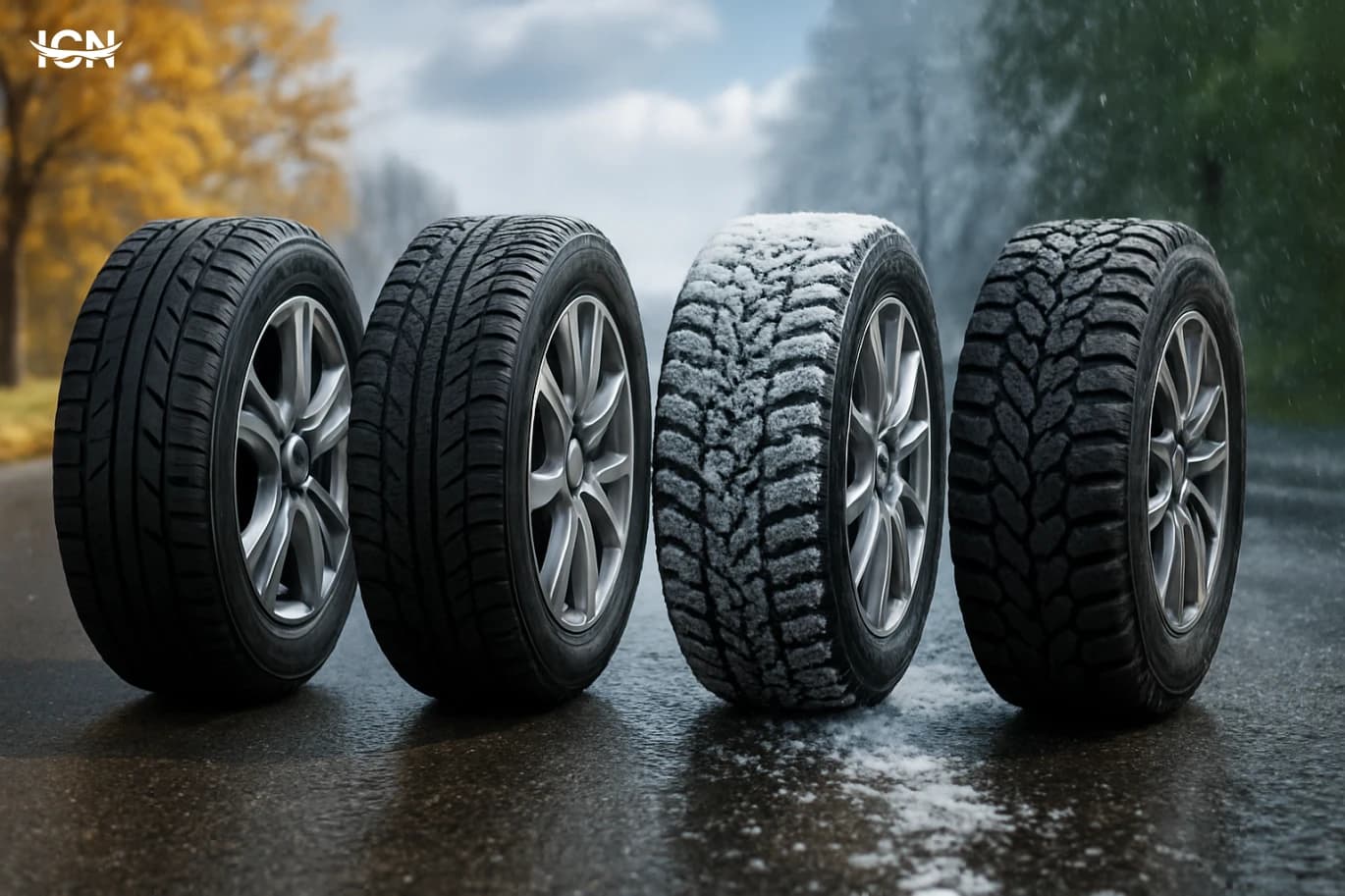
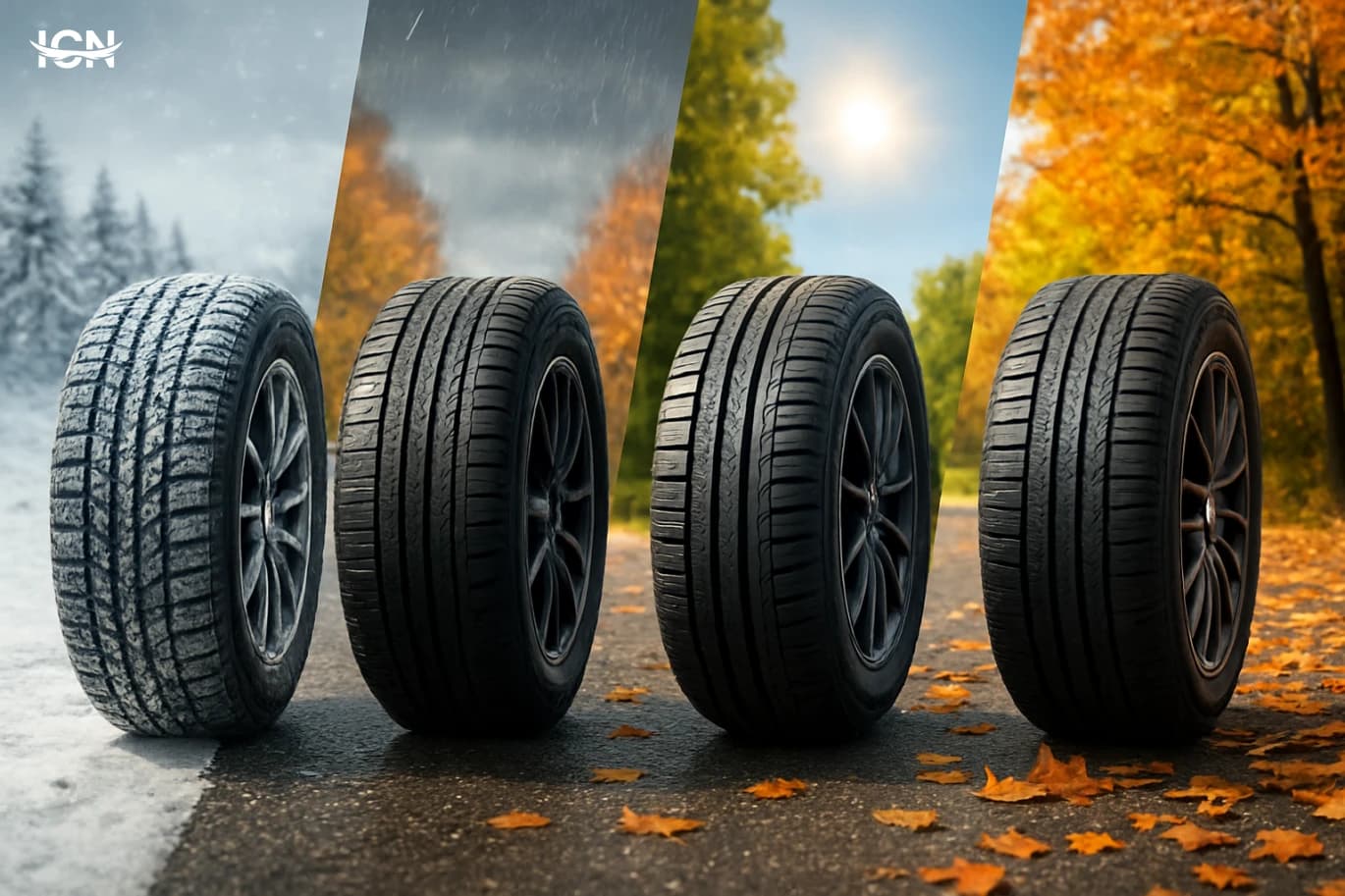
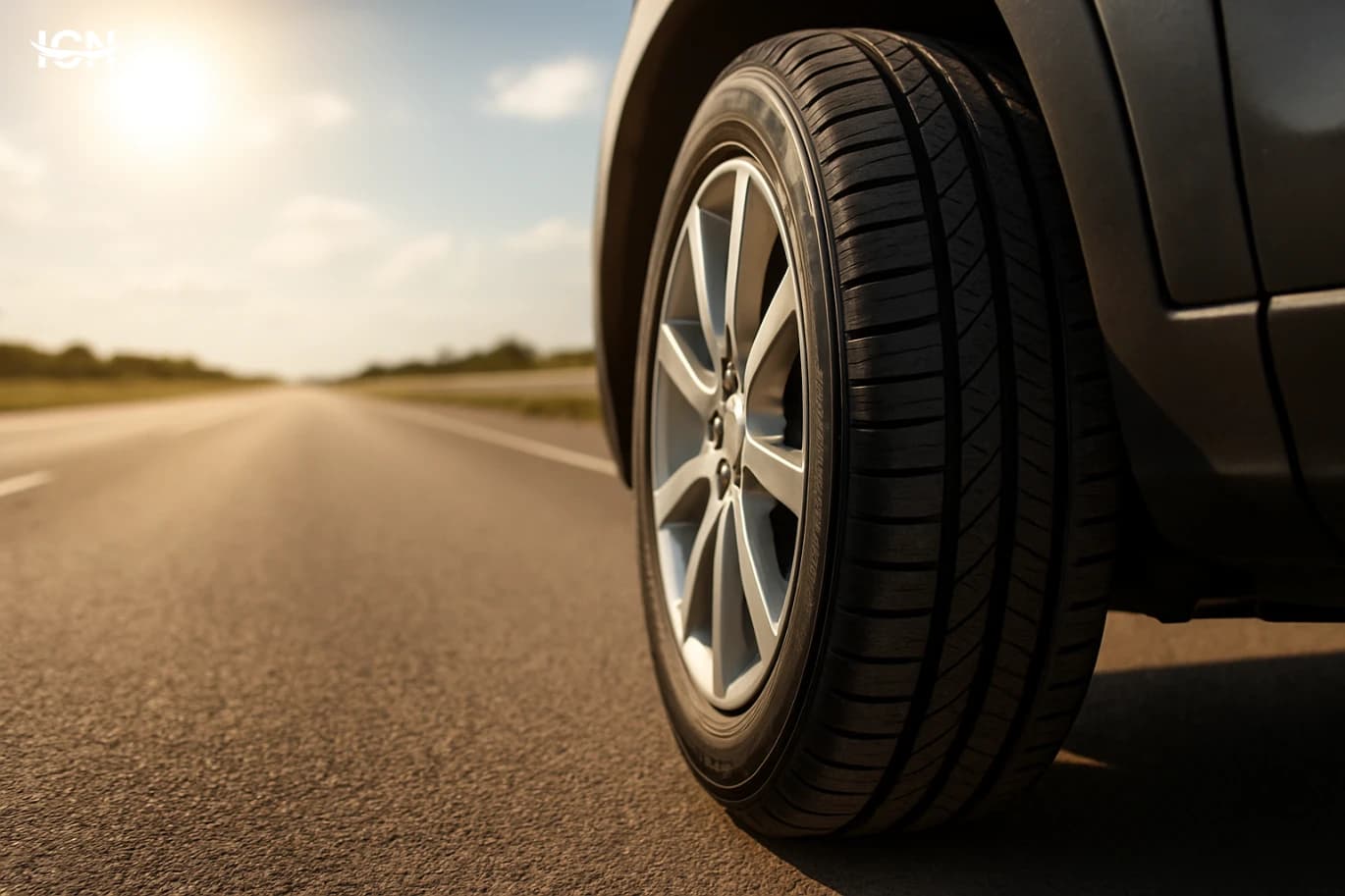
On highways, the goal is predictable straight-line stability, controlled braking, and good water evacuation when it rains. Symmetric tread patterns are common on touring tires and tend to be quiet and easy to rotate, which helps extend life. Asymmetric patterns can improve cornering stability and wet grip by using different tread blocks on the inside and outside, but they must be mounted correctly. Directional patterns are designed to channel water efficiently at speed; they can be effective in heavy rain but limit rotation options. For drivers who face occasional sand or rough shoulders, a tire with slightly stronger sidewalls and a tread designed for mixed surfaces can reduce puncture risk, but aggressive patterns may increase noise and fuel consumption on smooth highways. The key is to match the tread to your most frequent conditions rather than the most extreme scenario you might see once a year.
Buying checklist and common mistakes to avoid
Before buying, confirm the exact recommended size, load index, and speed rating from the driver’s door placard or manual. Compare at least two reputable brands in the same category, because a premium performance tire and a premium touring tire are built for different priorities. Ask the shop to show the manufacturing date and inspect for uniformity; avoid tires with visible cracking or uneven surfaces even if the tread looks deep. If you are replacing only two tires, place the newer pair on the rear axle for stability in wet conditions, unless the vehicle maker specifies otherwise. After installation, insist on proper balancing and, if you feel vibration at highway speeds, return for a recheck rather than living with it. Finally, plan for alignment checks if you see uneven wear, because a new tire can be damaged quickly by incorrect toe or camber. The most common mistake is choosing by price alone and ignoring heat, load, and your actual driving distances.
Maintenance habits that extend tire life
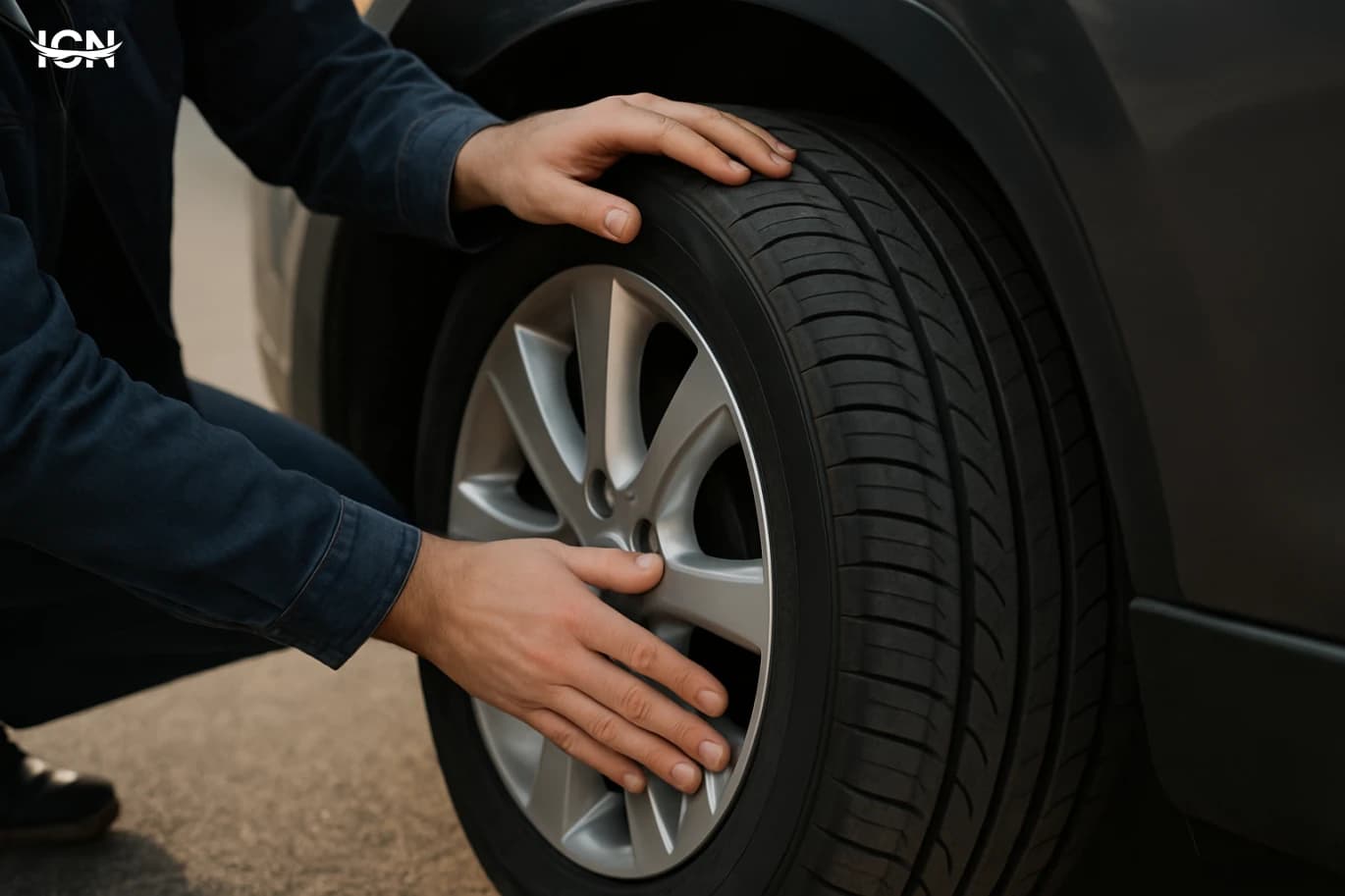
A tire that is well chosen still needs consistent care. Check pressure at least monthly and before long trips, using a reliable gauge rather than guessing by appearance. Rotate tires on the schedule recommended for your drivetrain; front-wheel-drive cars often wear front tires faster, while some SUVs can show uneven patterns if rotations are skipped. Keep an eye on tread depth and wear indicators, and do not wait until the tire is nearly bald, because wet braking performance drops earlier than many drivers expect. Inspect for cuts, bulges, and embedded objects after highway construction zones or rough shoulders. If you store a spare or seasonal set, keep them away from direct sun and extreme heat sources, and store them clean and dry. These habits cost little time but can add thousands of kilometers of safe service and keep highway driving stable and quiet.