App Logo

Download Our App

Shop your way

logologo
Image

Practical Guide to Buying a Used EV
07/07/2026By: ICN Writer
Practical Guide to Buying a Used EV

Why a used EV can be the smart choice

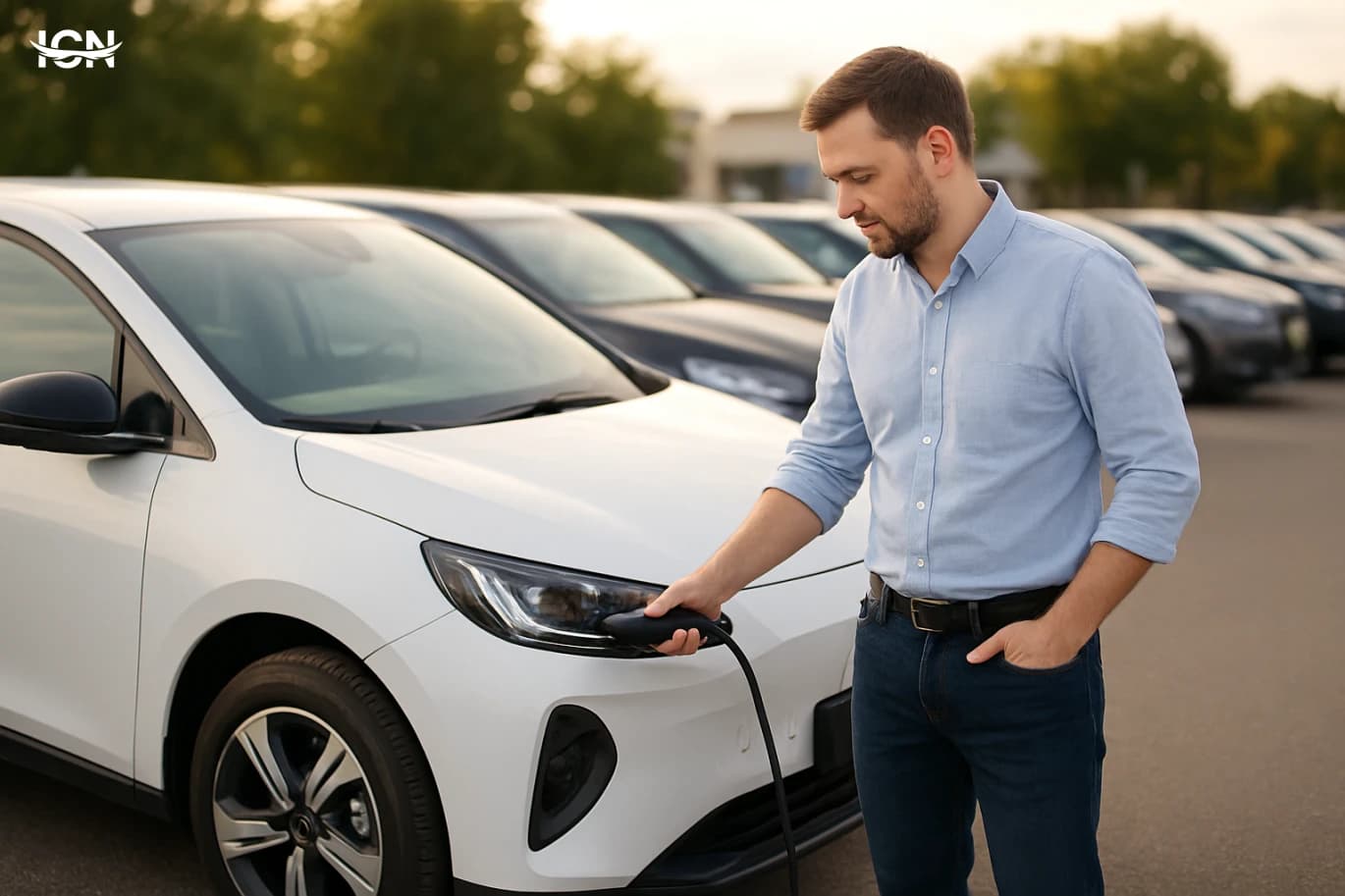
Used electric vehicles are no longer a niche purchase. In many markets, the first wave of mass‑market EVs is now reaching second and third owners, which creates real price variety and more negotiating power for buyers. The biggest attraction is depreciation: an EV that was expensive new can become accessible after a few years, while still offering quiet driving, strong low‑speed acceleration, and lower routine maintenance than many gasoline cars. That said, buying used is not only about finding the lowest price. The value of an EV depends heavily on battery health, charging compatibility, and how the previous owner used and maintained the car. A well‑documented, moderately driven EV with consistent charging habits can be a better purchase than a cheaper car with unclear history. This guide focuses on practical checks that reduce risk and help you match the vehicle to your daily needs, especially if you rely on public charging or live in an apartment.

Start with your real-world driving and charging plan

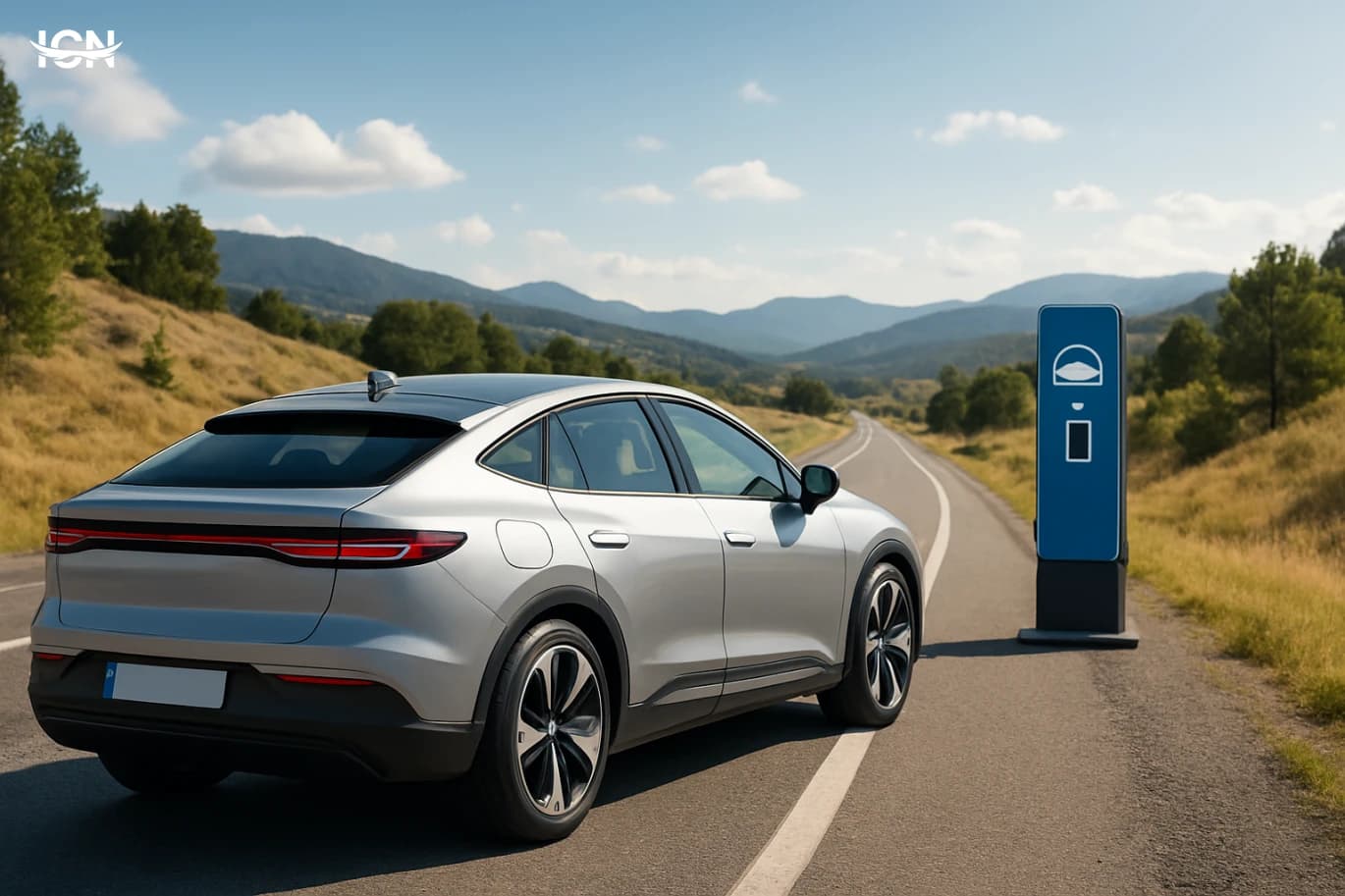
Before you compare models, define your daily and weekly pattern. Track your typical commute distance, weekend trips, and whether you can charge at home or at work. A used EV with 150–220 km of real‑world range can be perfectly adequate for city driving if you can charge overnight, but it may feel restrictive if you depend on public chargers with unpredictable availability. Map the charging options you will actually use. Check the nearest AC chargers (often slower but widely available) and DC fast chargers (faster but sometimes more expensive and busier). Look at connector types in your area and the car’s supported charging speeds. Two cars with similar advertised range can feel very different if one charges quickly on DC and the other does not. Also consider climate: frequent high heat or very cold winters can reduce range, and older EVs may have less efficient thermal management. Finally, be honest about your tolerance for planning. Some drivers enjoy scheduling charging stops; others want a car that behaves like a conventional vehicle with minimal thought. Your comfort level should influence whether you choose a smaller‑battery city EV or a longer‑range model, even if the longer‑range car costs more upfront.

Battery health checks that matter

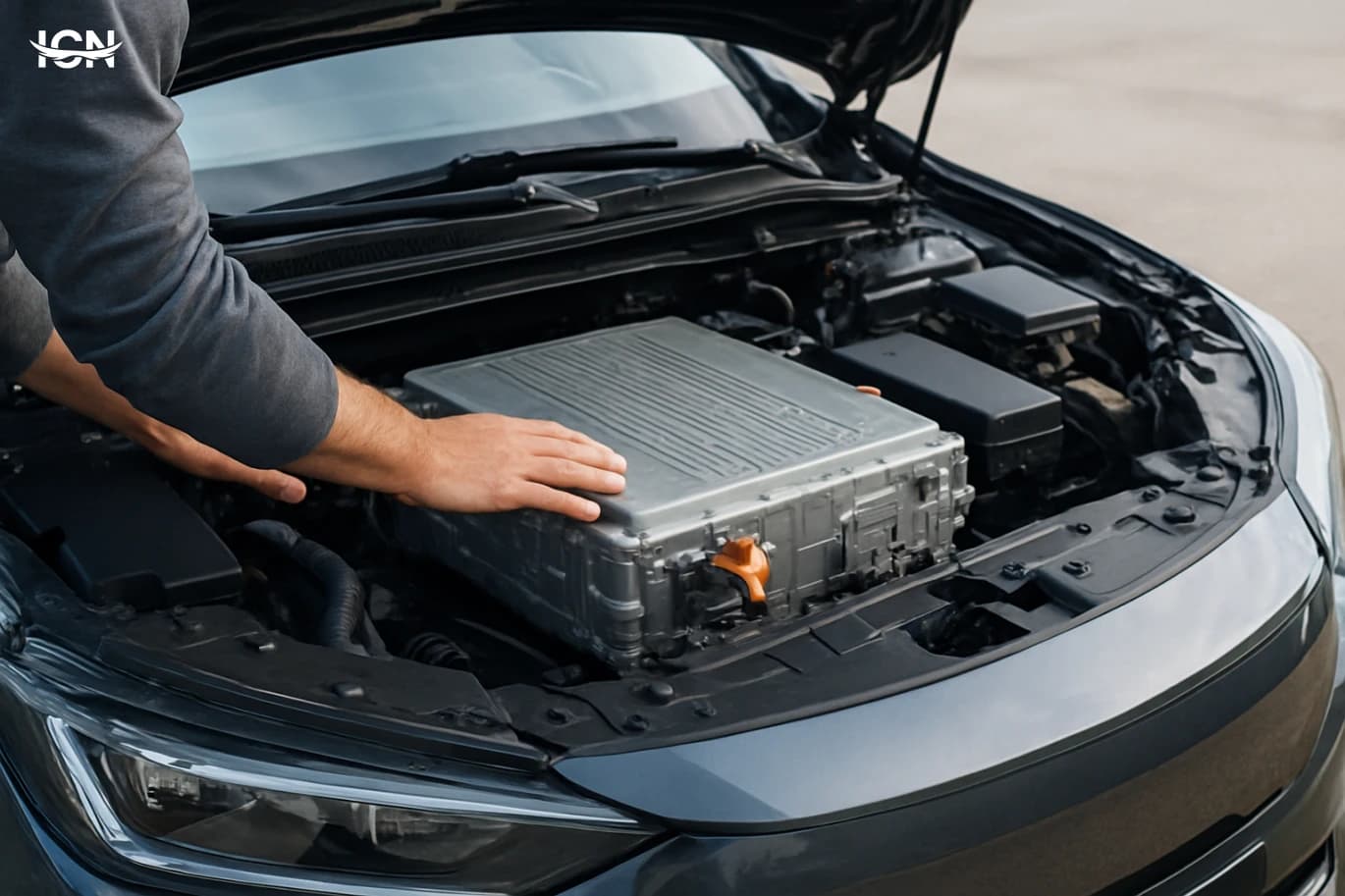
Battery condition is the core of a used EV purchase. Ask for a battery health report if the brand or dealer can provide one. Some manufacturers show state of health (SoH) in service tools, while independent workshops can read data through diagnostic equipment. You are looking for a realistic picture of remaining capacity and whether the car has any stored fault codes related to the battery, charging system, or thermal management. During a test drive, watch for clues. Compare the displayed range to the battery’s state of charge and the recent consumption figure. A low range estimate is not automatically a problem because it can reflect driving style, temperature, or recent short trips, but it should make you ask more questions. If possible, start the drive with a moderate state of charge and observe how quickly the percentage drops under normal acceleration and steady cruising. Charging behavior is another signal. If the seller allows it, plug into an AC charger and confirm that the car starts charging reliably and that the onboard charger reaches its expected power. If you can access a DC fast charger, check whether the car accepts fast charging and whether the charging speed ramps up normally. A car that frequently fails to initiate charging, or that charges far slower than expected, can indicate hardware issues that are expensive to fix. Also ask about battery warranty status. Many EVs have separate battery coverage with mileage and time limits. A transferable warranty can significantly reduce risk, but read the fine print on capacity guarantees and required service history.

Service history, software, and recalls

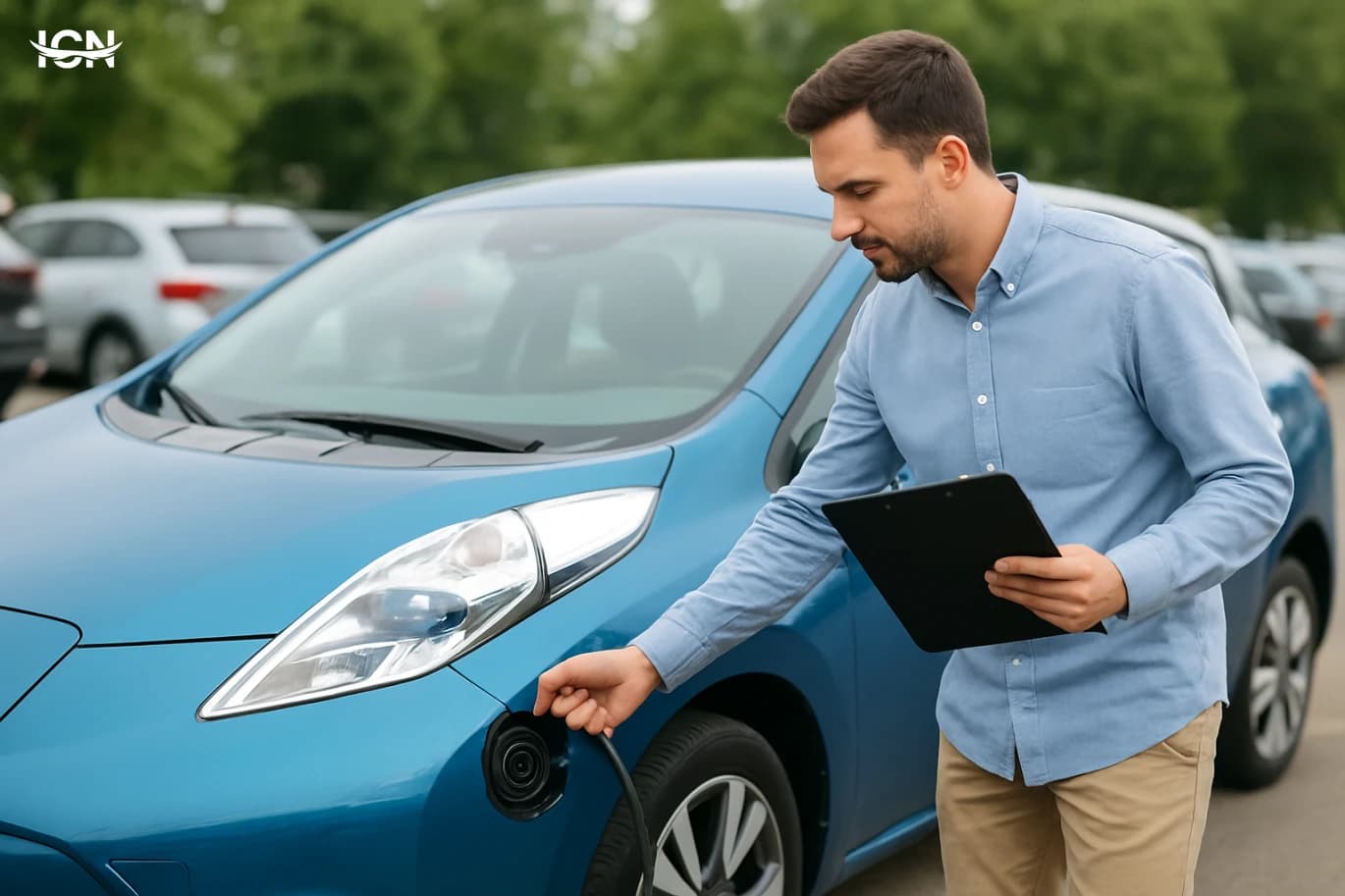
A used EV is as much a software product as it is a vehicle. Request the full service history and verify that scheduled inspections were done, especially checks related to coolant for the battery system, brake fluid, cabin filters, and any high‑voltage system inspections recommended by the manufacturer. Even though EVs have fewer moving parts, neglect can still lead to costly repairs. Software updates matter because they can improve charging behavior, fix bugs, and sometimes adjust range estimation. Ask whether the car receives over‑the‑air updates or requires dealer visits. Confirm that the infotainment system, navigation, and driver assistance features work as expected. If the car relies on a mobile app for remote functions, verify that the account can be transferred and that subscriptions, if any, are clearly explained. Check for open recalls and technical service bulletins. Recalls are not automatically a deal breaker, but unresolved safety or charging‑related recalls should be completed before purchase. Use the vehicle identification number to check official databases where available, and ask the seller for proof of completed recall work. Finally, inspect the charging equipment included with the car. A damaged portable charger, missing adapters, or a worn charging port door can add unexpected costs and inconvenience.

Cost reality: electricity, tires, and resale

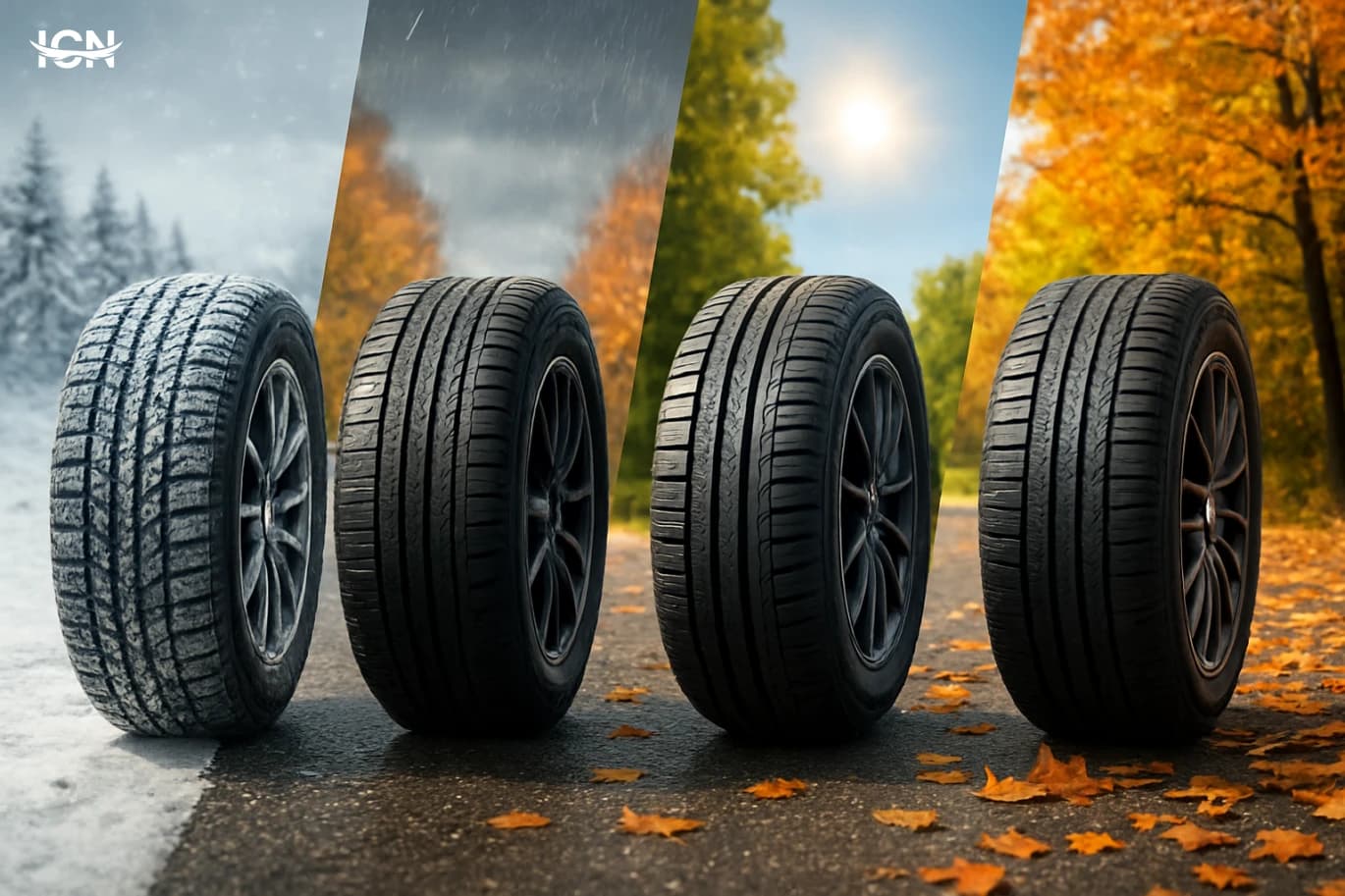
Many buyers focus on the purchase price and forget the operating details that shape total cost. Start with electricity pricing. Home charging can be significantly cheaper than public fast charging, but the difference depends on local tariffs and time‑of‑use rates. Estimate your monthly kilometers and multiply by the car’s typical consumption (kWh per 100 km) to get a realistic energy budget. Tires are a common surprise. EVs are heavier and deliver instant torque, which can wear tires faster, especially if the previous owner drove aggressively. Check tread depth and confirm that the tires are the correct load rating for the vehicle. Also inspect brakes: regenerative braking can reduce pad wear, but cars that sit unused can develop rust on brake components. Insurance and registration can differ from gasoline cars depending on the market. Get quotes before you commit, and confirm whether the car has any advanced driver assistance sensors that are expensive to calibrate after minor repairs. Resale value is influenced by battery health, charging speed, and brand reputation. A model with a strong charging network compatibility and a clear service record often holds value better than a cheaper alternative with limited charging options. If you plan to sell in a few years, prioritize mainstream connector standards and avoid configurations that are rare in your area.

A step-by-step inspection and negotiation checklist

Use a structured checklist to keep emotions out of the decision. First, verify the basics: matching VIN on documents, clear ownership, and any remaining factory warranties. Then inspect the exterior for signs of poor repairs, panel gaps, and damage around the charging port area. Inside, test every switch, screen function, and climate setting, because HVAC performance affects comfort and range. Next, focus on EV-specific items. Confirm the included charging cables and adapters, check that the charge port locks and unlocks properly, and review the car’s charging settings menu for any unusual limitations. During the test drive, listen for suspension noises and check for steering vibration, which can indicate worn tires or alignment issues. After the drive, look underneath for impacts to the battery tray area if accessible, and ask directly whether the car has ever been in a flood or stored for long periods. For negotiation, use evidence rather than opinions. If the battery health report shows reduced capacity, translate that into a practical impact on range and propose a price adjustment. If tires are near replacement, get a written quote and use it in the discussion. If a recall is open, request that it be completed before delivery. Finally, plan your first month of ownership. Set up home charging if possible, learn the car’s efficient driving modes, and schedule any preventive service recommended by the manufacturer. A used EV can be an excellent purchase when the decision is based on data, not assumptions.


* All articles published on this blog are sourced from various websites and are provided for informational purposes only. They should not be considered as confirmed studies or accurate information. Please verify the information independently before relying on it.

Similar ARTICLES

The Hidden Economics of Tire Pressure
Tire pressure is usually treated as a safety checklist item, but it also has a measurable impact on day-to-day costs. A few PSI below the recommended level increases rolling resistance, which forces the engine or electric motor to work harder. Over weeks of commuting, that extra effort shows up as higher fuel consumption or reduced driving range, and it can be large enough to notice in monthly spending. Underinflation also accelerates shoulder wear on the tread, shortening tire life and bringing forward the next replacement cycle. The financial effect is not limited to fuel. Incorrect pressure changes how the tire deforms over bumps, which can increase vibration and stress on suspension components. While one low-pressure drive will not break anything, chronic neglect can contribute to earlier wear of bushings and alignment drift, which then creates more uneven tire wear. The result is a chain of small costs: more frequent alignments, earlier tire replacement, and a steady leak of efficiency that drivers often blame on traffic or “old car behavior.”
Choosing the Right Tires for Every Season
Tires are the only part of a car or motorcycle that continuously touches the road, so their condition and design affect braking distance, cornering stability, ride comfort, and fuel consumption more directly than many popular upgrades. A high-performance exhaust or a stronger battery does not help if the contact patch cannot transmit grip safely in rain, heat, or cold. Tire choice also changes how electronic safety systems behave; ABS and traction control can only work with the grip available, and mismatched tires can make these systems feel inconsistent. For motorcycles, tire profile and compound influence steering effort and stability at speed, while for cars the tread pattern and sidewall stiffness can change how the vehicle responds in emergency maneuvers. This section sets the practical goal of the topic: selecting tires that match your climate, driving style, and vehicle requirements, rather than buying by brand reputation alone.
Smart Maintenance for High Mileage Cars
A car with 150,000–250,000 km can still be dependable, but the maintenance logic shifts from “follow the manual” to “manage wear.” Rubber parts harden, seals shrink, and small leaks become common. Heat cycles and vibration gradually loosen clamps, brackets, and electrical connectors. The result is that minor issues—an intermittent misfire, a slow coolant loss, a faint drivetrain vibration—can turn into expensive failures if ignored. High mileage also changes how you judge value. The goal is not to make the car feel brand new; it is to keep it safe, efficient, and predictable. That means prioritizing systems that protect the engine and transmission, then focusing on braking, steering, suspension, and tires. A smart plan starts with a baseline inspection, then a schedule that targets the parts most likely to fail next, based on age, mileage, and driving conditions.
Choosing a Used Hybrid Without Surprises
Buying a used hybrid is not the same as buying a conventional gasoline car. The powertrain is split between an engine, one or more electric motors, and a high-voltage battery controlled by software. That means the car’s condition is not only about mileage and oil changes; it is also about how the battery has aged, how the cooling system has been maintained, and whether the car’s updates and recalls were completed. Hybrids can be excellent used purchases because they often spend more time in gentle, low-load operation, especially in city driving where the electric motor assists frequently. Many owners also follow dealer service schedules more closely. At the same time, a hybrid can hide expensive issues if you do not check the right things. A weak battery may still drive normally on a short test, and a neglected inverter coolant circuit may not show symptoms until hot weather or long climbs. The goal is not to fear the technology. It is to approach it with a checklist that matches how hybrids actually fail and how they are repaired. If you do that, you can find a reliable, efficient car with lower fuel costs and strong resale value.
Choosing Tires for Heat and Highways
Many drivers spend on lights, audio, or cosmetic parts while ignoring the only component that touches the road. Tires influence braking distance, steering response, stability in crosswinds, and fuel consumption. On highways, a tire that runs cooler and maintains its shape at speed can feel calmer and quieter, while a mismatched or worn set can make the car wander and increase cabin noise. In hot climates, the stakes rise because heat accelerates rubber aging and increases air pressure, which can change handling and wear patterns. A practical tire choice is not about chasing the most expensive model; it is about matching your driving profile, vehicle load, and local temperatures to a tire built for that environment. This article focuses on how to make that decision with clear checks you can do before buying.
Buying a Used EV Without Regrets
Used electric vehicles have moved from niche listings to mainstream options because pricing has shifted faster than many shoppers expected. New-model incentives, rapid model updates, and changing demand have pushed a larger number of lease returns and trade-ins into the market. For buyers, that can mean a newer car for the money, but it also means you must compare vehicles that look similar on paper yet differ widely in battery health, charging capability, and software support. The biggest appeal is predictable daily running costs. Electricity pricing is usually steadier than fuel, and fewer moving parts can reduce routine service needs. However, the purchase decision is less about engine condition and more about how the battery has been treated, what charging standards the car supports, and whether the manufacturer still provides updates and parts. A smart used-EV purchase starts with understanding these market dynamics so you can separate a genuine value from a discounted headache.
EV Battery Health for Used Car Buyers
In a used electric vehicle, the battery is not just another component; it is the most expensive system and the one that most directly shapes daily range, charging speed, and long-term ownership costs. Two cars with the same model year and mileage can feel completely different if one has a battery that has aged well and the other has lost a noticeable share of usable capacity. That difference shows up in how often you need to charge, whether you can rely on highway range in cold or hot weather, and how much performance is available at low state of charge. Battery health also affects resale value and warranty coverage. Many manufacturers provide an 8-year or similar battery warranty with a minimum capacity threshold, but the details vary by brand and market. A buyer who understands battery health can negotiate based on measurable facts rather than assumptions, and can avoid paying a premium for a car that looks clean but will require earlier battery service. The goal is not to find a “perfect” battery; it is to confirm that the remaining capacity and behavior match your driving needs and the price you are paying.
Choosing the Right Tires for Every Season
Tires are the only part of a car or motorcycle that consistently touches the road, which makes them a primary factor in braking distance, steering response, and stability. Many drivers spend money on power, styling, or infotainment while overlooking the basics of grip and control. A tire’s rubber compound, tread pattern, and construction determine how it behaves on dry asphalt, wet roads, and changing temperatures. Even a well-maintained vehicle can feel unpredictable if the tires are mismatched to the season or worn unevenly. Seasonal conditions change the way rubber works. In cold weather, many summer-oriented compounds stiffen and lose traction, while in high heat some winter-focused tires can feel vague and wear faster. For motorcycles, the effect can be even more noticeable because the contact patch is smaller and the balance between front and rear grip is critical. Understanding how tires are designed for specific temperature ranges and road conditions is a practical way to improve safety and daily driving confidence without changing the vehicle itself.
Practical Guide to Buying a Used EV
Buying a used electric vehicle is not the same as buying a used gasoline car, even when the body looks identical. The most expensive component is the battery pack, and its condition affects range, charging speed, and resale value. Unlike an engine, battery wear is not always obvious during a short test drive, so you need a plan to verify it. Another difference is software: many EVs receive updates that can change efficiency, charging behavior, and even driver-assistance features. A used EV may also have paid options tied to an account, a subscription, or a previous owner, so you must confirm what transfers with the car. Finally, charging is part of ownership. Your daily routine, access to home charging, and local public charging reliability matter more than horsepower figures. A used EV can be an excellent value, but only if you check the right things in the right order.
EV Road Trips Without Range Anxiety
Range anxiety is less about the car’s advertised range and more about uncertainty during real travel. Highway speeds, headwinds, cold or very hot weather, and elevation changes can cut efficiency quickly, so a “300-mile” estimate may not match a long motorway day. Drivers also tend to overestimate how often they must charge to 100%, when most EVs travel best with shorter, planned stops. Another factor is the gap between what the dashboard predicts and what actually happens after a detour, a traffic jam, or a closed charger. The solution is not simply buying a bigger battery; it is learning how to plan around charging networks, realistic consumption, and time. This article topic focuses on practical road-trip habits, not theory, so readers can leave with a repeatable checklist for any route.
Choosing Tires That Match Your Driving
Tires are the only part of a car or motorcycle that actually touches the road, so they shape braking distance, cornering stability, ride comfort, and even fuel use. Many drivers focus on engine power or suspension upgrades while ignoring the four contact patches that determine how safely that power is used. A tire’s rubber compound, tread design, and sidewall stiffness decide how quickly it warms up, how it clears water, and how it responds to steering inputs. The same vehicle can feel completely different after a tire change: quieter on highways, more confident in rain, or sharper in turns. Tire choice also affects maintenance costs because the wrong type can wear unevenly, trigger vibration, or increase the chance of punctures. Understanding what each tire category is designed to do is the fastest way to improve real-world performance without modifying the vehicle.
Buying a Used Hybrid Without Regrets
A used hybrid is not just a regular used car with better fuel economy. It is a system purchase: engine, electric motor, battery pack, power electronics, and software working together. That means the usual checklist for a used vehicle still matters—service history, accident repairs, tires, brakes—but it is not enough on its own. The biggest difference is that wear is distributed differently. Hybrids often have less brake wear because regenerative braking does part of the stopping, but they can have more sensitivity to neglected cooling systems and inverter-related maintenance. The market also behaves differently. Some models hold value because fleets and ride-hailing drivers trust them, while others depreciate faster due to limited specialist support in certain regions. A smart buyer focuses less on the badge and more on evidence: documented maintenance, battery health indicators, and a test drive that confirms smooth transitions between electric and gasoline power. If you approach a hybrid like a normal car, you risk missing the items that actually drive long-term cost.
By clicking the SUBSCRIBE button, you are agreeing to our Privacy & Cookie Policy If you want to unsubsribe the marketing email, please proceed to our privacy center.
© 2005-2026 ICN. All Rights Reserved.