Smart Fruit Habits for Ramadan

- Why fruit matters in Ramadan
- Best timing from iftar to suhoor
- Portions and smart combinations
- Choosing fruits for hydration and digestion
- Practical Ramadan fruit routines
Why fruit matters in Ramadan
Fruit can be one of the most practical tools for steady energy and better hydration during Ramadan, but the benefit depends on timing and portion size. Most fruits provide water, potassium, and natural sugars that can help replenish what the body loses through long fasting hours, especially in warm climates. They also add fiber, which supports comfortable digestion and can reduce the urge to overeat at iftar. The key is to treat fruit as a structured part of the day rather than a random add-on. Many people concentrate all sweets at night, then feel heavy and thirsty later. Using fruit strategically can reduce reliance on syrupy desserts and help keep meals balanced. It also offers variety: citrus for vitamin C, bananas for potassium, berries for antioxidants, and melons for hydration. When fruit is planned across iftar, the evening window, and suhoor, it becomes easier to meet daily micronutrient needs without complicated supplements.
Best timing from iftar to suhoor
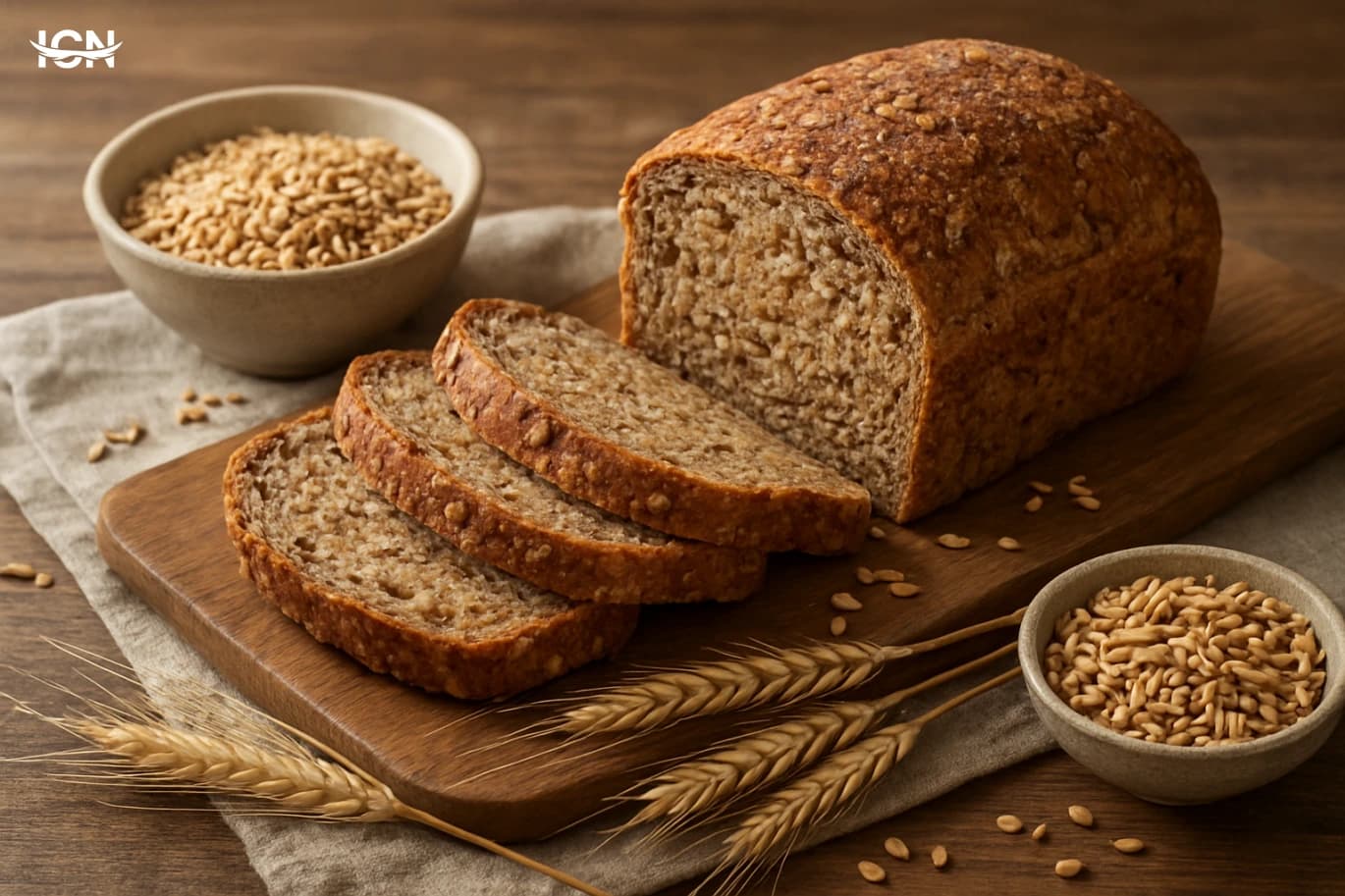
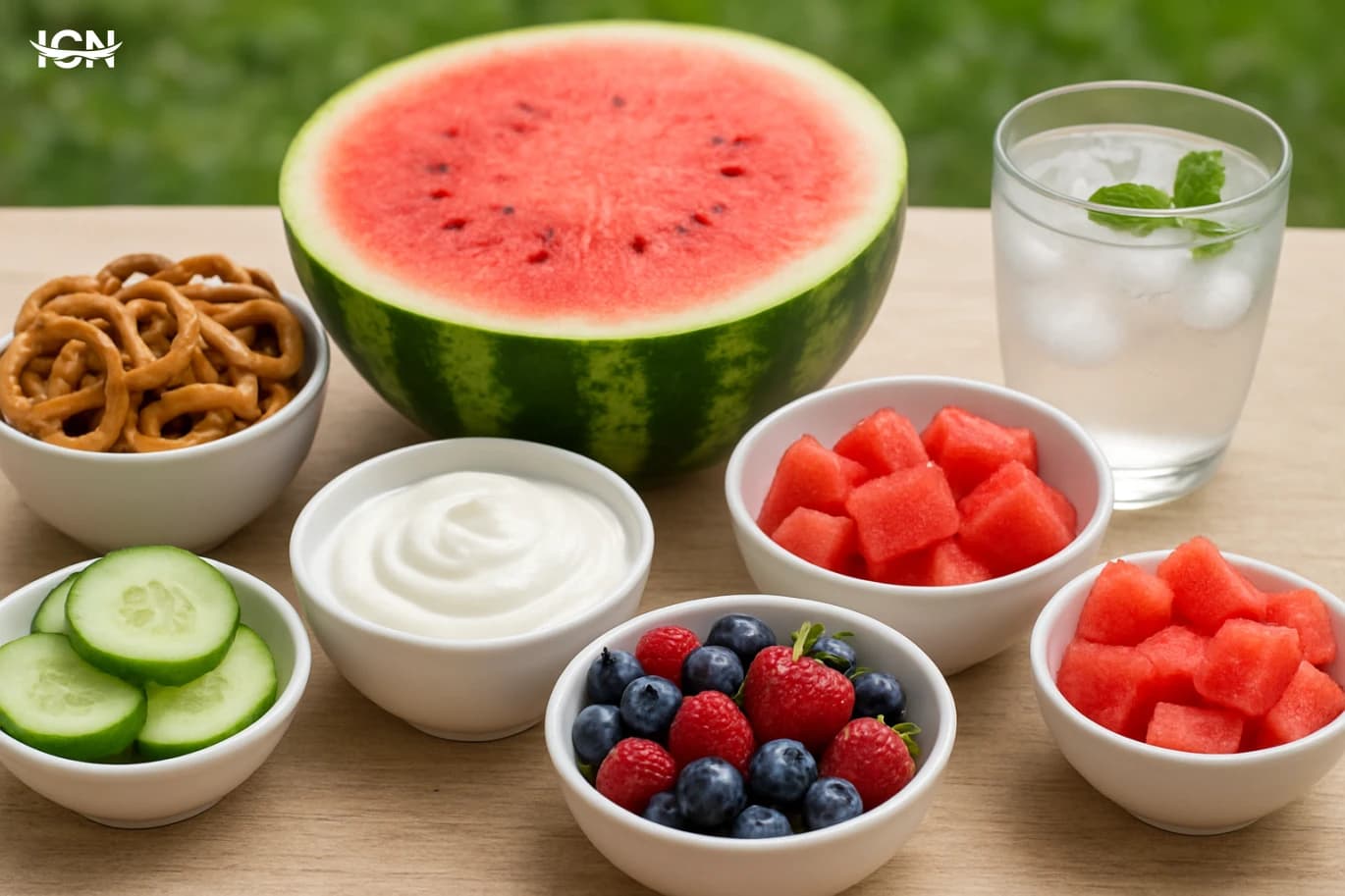
Timing is the difference between fruit that supports fasting and fruit that feels like extra sugar. At iftar, start light: water and 1–2 dates are traditional, but you can also add a small portion of hydrating fruit such as watermelon, orange slices, or a few grapes. This helps ease the transition from fasting to eating and can reduce the urge to rush into heavy dishes. After the main meal, fruit works well as a dessert replacement. Instead of pastries every night, choose a fruit bowl or a simple plate with one or two types of fruit. If you want something more filling, pair fruit with a small portion of plain yogurt or a handful of unsalted nuts. This combination slows digestion and keeps blood sugar more stable. For suhoor, prioritize fruits that release energy gradually and support hydration. Bananas, apples, pears, and berries are practical options. Avoid making suhoor fruit-only; it may leave you hungry early. Use fruit as part of a complete suhoor with protein and whole grains, such as oats with banana and milk, or whole-wheat toast with labneh and a side of fruit. If you are sensitive to acidity, keep citrus for earlier in the evening rather than right before fasting begins.
Portions and smart combinations
Fruit is healthy, but portions still matter in Ramadan because eating windows are shorter and meals can become calorie-dense. A practical approach is to aim for 2–3 servings of fruit per day, distributed across the evening and suhoor. One serving can be a medium apple or orange, a small banana, or about a cup of cut fruit. This keeps intake consistent without turning fruit into a late-night binge. Combinations can improve satiety and reduce cravings. Pair fruit with protein or healthy fats: apple with a spoon of peanut butter, berries with yogurt, or dates with a few almonds. These pairings are especially useful for people who feel shaky or overly hungry after sweet foods. If you are managing weight, avoid turning fruit into high-calorie “healthy desserts” by adding large amounts of honey, sweetened condensed milk, or heavy cream. Be mindful of fruit juices. Even fresh juice can deliver a lot of sugar quickly and lacks the fiber of whole fruit. If you enjoy juice, keep it small and dilute with water, or choose smoothies that include the whole fruit and add protein like milk or yogurt. For people with digestive sensitivity, very large servings of fruit right after a heavy meal may cause discomfort; spacing fruit 60–90 minutes after eating can be easier.
Choosing fruits for hydration and digestion
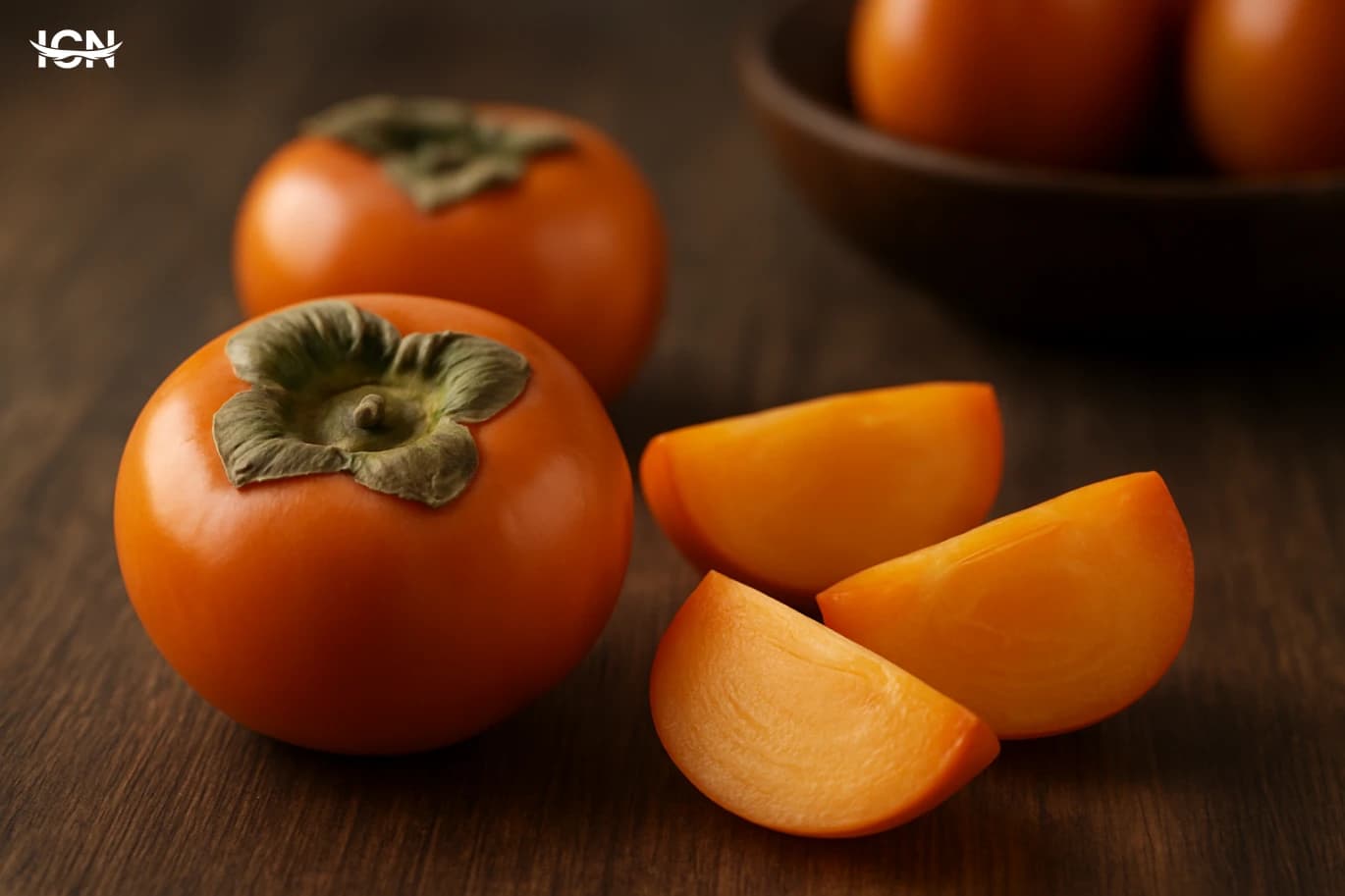
Not all fruits play the same role. For hydration, prioritize high-water options in the evening: watermelon, melon, strawberries, oranges, and peaches. These can support fluid intake alongside water and soups, especially for people who struggle to drink enough between iftar and sleep. However, hydration is not only about water content; electrolytes matter too. Bananas and oranges provide potassium, which supports fluid balance. For digestion, fiber-rich fruits can be helpful, particularly when Ramadan meals include more refined grains and fried foods. Apples, pears, berries, and prunes are common choices. If constipation is an issue, prunes or figs in moderate amounts can support regularity, but they should be introduced gradually to avoid bloating. On the other hand, some people experience discomfort with very ripe mangoes or large amounts of grapes due to higher sugar content; adjusting quantity and timing often solves the problem. If you have reflux or stomach sensitivity, keep acidic fruits like oranges, lemons, and pineapple away from late-night eating and suhoor. Choose gentler options such as bananas, melons, or peeled apples. The goal is to match fruit selection to your body’s response during fasting, not to follow a single list for everyone.
Practical Ramadan fruit routines
A routine makes fruit easier to maintain than relying on willpower. One simple plan is: a small fruit portion at iftar, one serving after taraweeh or later in the evening, and one serving at suhoor. This spreads sugar intake and keeps fiber consistent. If your household serves dessert daily, agree on a “fruit-first” rule: start with fruit, then decide if you still want a small dessert portion. Preparation also matters. Wash and portion fruit in advance so it becomes the fastest option when you are hungry. Keep a container of cut melon, oranges, or mixed berries in the fridge, and store bananas and apples at room temperature for quick access. For gatherings, bring a fruit platter or skewers; it is a practical contribution that fits most tables. Finally, align fruit choices with the rest of the menu. If iftar is heavy on rice and fried items, choose lighter fruit and avoid adding sugary drinks. If the meal is already light, fruit can be paired with yogurt or nuts for more staying power. Over the month, variety is important: rotate 5–7 fruits across the week to avoid boredom and to cover a wider range of nutrients.