A Practical Guide to Pakistani Cuisine
- What Defines Pakistani Food
- Regional Diversity on the Plate
- Core Ingredients and Spice Logic
- Signature Dishes to Know
- Eating Culture and Everyday Habits
- bookmark
What Defines Pakistani Food
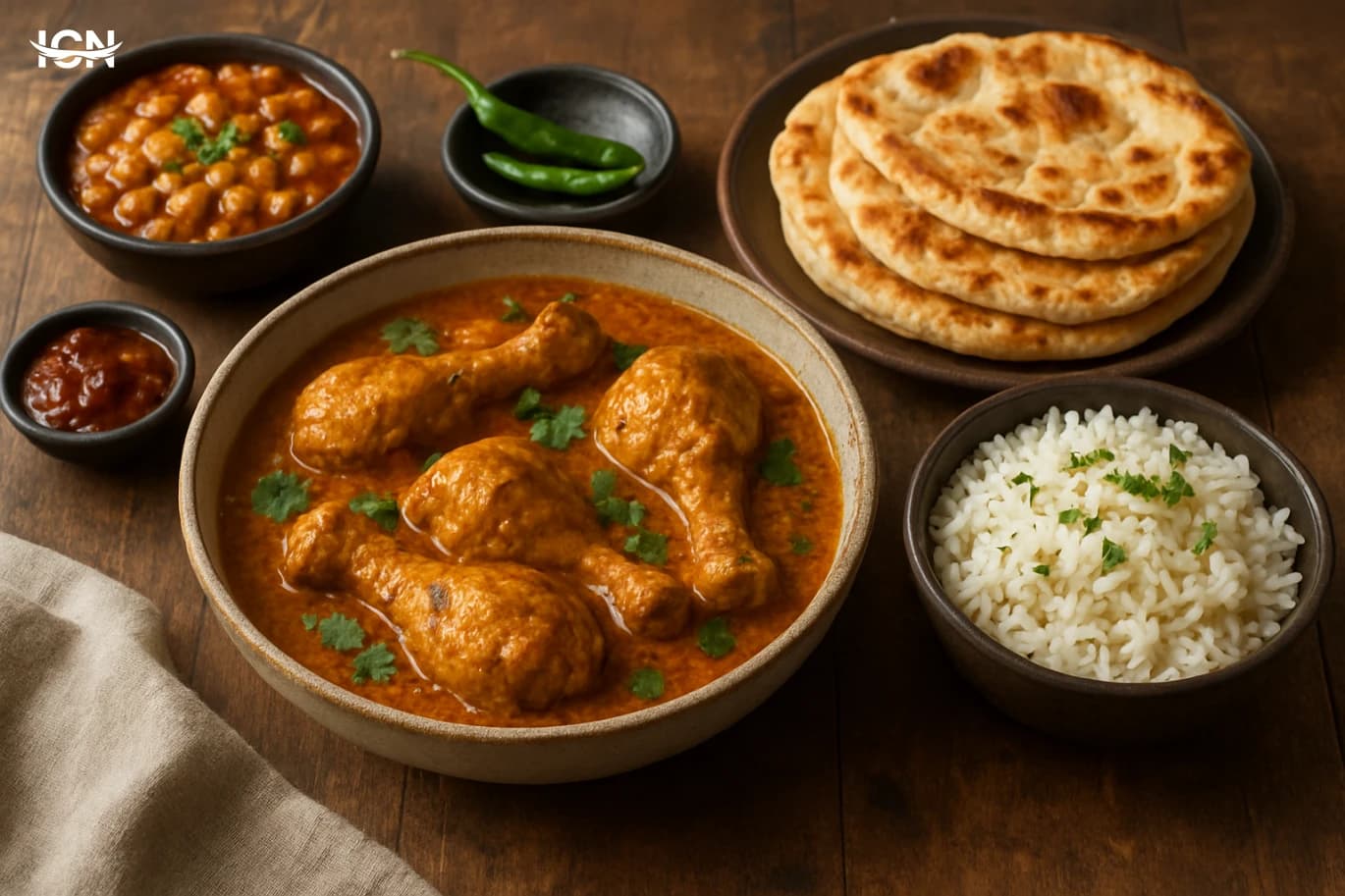
Pakistani cuisine is built around bold spice blends, slow-cooked meats, and everyday staples that vary by region and season. It shares historical links with North Indian cooking, but it has its own identity shaped by local agriculture, trade routes, and home-style techniques. Wheat is central in many areas, so roti, naan, and paratha appear on most tables, while rice anchors celebratory meals and many street foods. The flavor profile often balances heat with aromatics such as cumin, coriander, black pepper, and cardamom, and it frequently uses ginger and garlic as a base. Meals commonly revolve around a main curry or grilled dish, a bread or rice component, and cooling sides like raita or fresh salad. Pickles, chutneys, and sliced onions with lemon are typical accompaniments, adding acidity and crunch. Cooking fats vary by household and budget, from vegetable oil to ghee, and the choice affects aroma and richness. The cuisine also reflects religious and cultural norms, with halal meat as the standard and pork absent from mainstream cooking.
Regional Diversity on the Plate
Pakistan’s provinces and major cities offer distinct culinary signatures. Punjab is often associated with hearty, ghee-forward cooking, robust lentils, and popular street foods. Lahore, in particular, is known for a dense food culture that includes grilled meats, rich curries, and a strong tradition of sweets. Sindh, with Karachi as a major hub, brings coastal and trading influences; seafood appears more often, and spicy preparations are common, reflecting a preference for assertive heat and tang. Khyber Pakhtunkhwa and parts of the northwest emphasize grilled and roasted meats, simpler spice mixes, and bread-based meals, influenced by pastoral lifestyles and cross-border culinary exchange. Balochistan is widely linked to large-format roasting and smoky flavors, with dishes that highlight meat quality and slow heat rather than complex sauces. Across these regions, the same dish name can signal different methods: a “karahi” may be tomato-forward in one city and more ginger-heavy in another, while biryani styles range from fragrant and layered to intensely spiced and saucy.
Core Ingredients and Spice Logic
A typical Pakistani pantry starts with onions, tomatoes, ginger, garlic, and green chilies, supported by dried spices such as cumin, coriander, turmeric, red chili powder, and garam masala. Whole spices—bay leaf, cinnamon, cloves, black cardamom, and peppercorns—are often bloomed in hot oil to build aroma before adding onions or meat. This step is not decorative; it controls how flavors develop and how “warm” spices carry through a dish. Legumes and grains are equally important. Lentils (masoor, moong, chana) appear as everyday dals, while chickpeas are used in chana masala and snack-style preparations. Rice ranges from plain steamed basmati to pulao and biryani, where fragrance is a defining feature. Dairy appears as yogurt in marinades and sauces, and as raita to cool spicy meals. Fresh herbs—cilantro and mint—finish many dishes, while lemon and tamarind provide acidity. Cooking techniques emphasize layering. Many curries begin with browning onions to a deep color for sweetness and body, then adding ginger-garlic paste, spices, and tomatoes to form a concentrated masala. Meat is often cooked until tender, either in a sealed pot or with controlled simmering, and the final stage may include high-heat reduction to intensify flavor. Understanding this sequence helps explain why the same ingredients can produce very different results depending on timing and heat.
Signature Dishes to Know
Several dishes act as entry points for understanding Pakistani cuisine. Biryani is the most famous: spiced rice layered with meat or chicken, often paired with raita and salad. Its character depends on the masala, the quality of basmati, and whether the rice is steamed together with the curry or assembled in layers. Nihari, a slow-cooked stew traditionally eaten in the morning in some cities, is known for deep spice and a silky texture, often served with naan. Karahi refers both to a cooking vessel and a style: meat cooked quickly with tomatoes, ginger, green chilies, and a concentrated spice base, finished with fresh herbs. Haleem is a thick porridge-like dish made from wheat, lentils, and meat, cooked for hours until smooth, then topped with fried onions, lemon, and herbs. On the grilled side, seek out seekh kebabs, chapli kebabs, and chicken tikka, which highlight marinades and charcoal heat. Street foods and snacks are equally important. Samosas, pakoras, chaat variations, and bun kebab are common, especially in urban areas. Desserts such as gulab jamun, jalebi, kheer, and regional milk-based sweets reflect a strong tradition of celebratory eating. Together, these dishes show the cuisine’s range—from slow-cooked comfort food to fast, high-heat grilling and crisp fried snacks.
Eating Culture and Everyday Habits
Pakistani eating culture blends home cooking with a strong street-food economy. In many households, breakfast can be simple—tea with paratha, eggs, or leftover curry—while weekends and gatherings may feature halwa puri or richer dishes. Lunch and dinner often revolve around a shared table, with bread used to scoop curries and dals, and with salads and pickles offered as standard sides. Tea culture is significant. Chai is served throughout the day in homes and roadside stalls, and it often accompanies snacks such as biscuits, samosas, or pakoras. Hospitality norms encourage offering food to guests, and celebratory meals during weddings and religious holidays can involve multiple courses, including rice dishes, grilled meats, and sweets. Urbanization has also shaped habits. Karachi, Lahore, and Islamabad have extensive restaurant scenes, from traditional dhabas to modern cafés. At the same time, home kitchens remain central, and many families rely on familiar spice mixes and routine techniques. For visitors, understanding these patterns helps when ordering: portions can be generous, spice levels vary widely, and sides like raita or lassi can make a meal more balanced.
bookmark
If you are exploring Pakistani cuisine for the first time, start with a small set of dishes that represent different techniques: one rice dish (biryani or pulao), one slow-cooked item (nihari or haleem), and one grilled option (seekh kebab or chicken tikka). Ask how spicy a dish is, because heat levels can differ even within the same restaurant. Pair spicy mains with raita, plain yogurt, or a simple salad to keep flavors clear. When shopping for ingredients, focus on quality basmati rice, fresh ginger and garlic, and a reliable garam masala. Whole spices stored in airtight containers keep aroma longer than pre-ground mixes, and toasting them briefly can improve depth. For home cooking, controlling onion browning and cooking the masala until oil separates are practical indicators that the base is ready. For dietary preferences, Pakistani menus offer many lentil and vegetable dishes, but cross-contact with meat is common in mixed kitchens. If you need vegetarian food, specify it clearly and ask about stock, ghee, and shared frying oil. With these basics, Pakistani cuisine becomes easier to navigate and more rewarding to taste.