Ramadan 2026 with Jordanian Kitchen Flavors
- A Jordanian Ramadan Table in 2026
- Signature Dishes That Define the Season
- Soups, Salads, and Small Plates
- Suhoor the Jordanian Way
- Smart Prep and Budget Planning
- Bookmark for Your Ramadan Menu
A Jordanian Ramadan Table in 2026
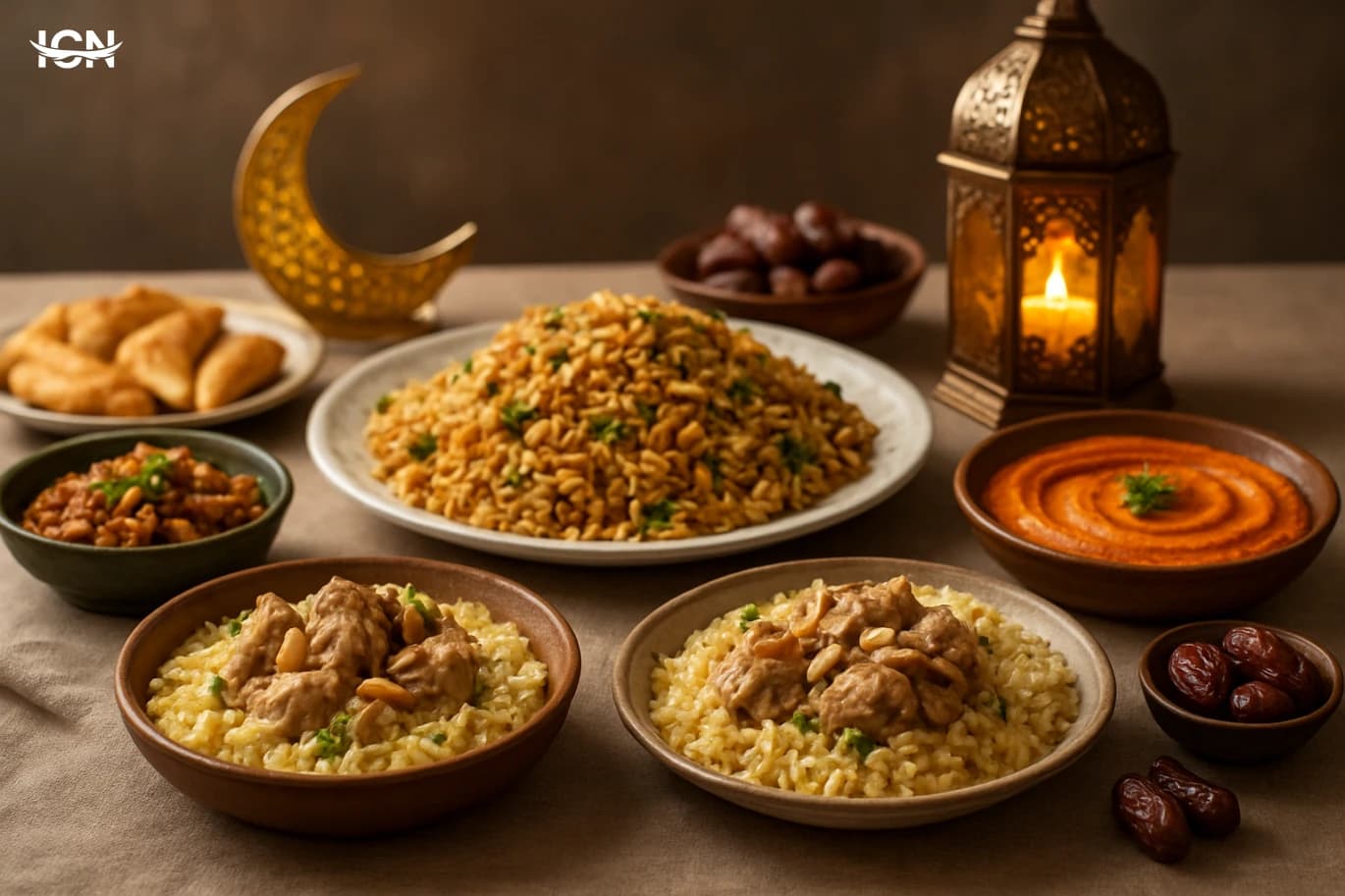
Ramadan 2026 is expected to fall in late winter, which naturally shapes what appears on Jordanian tables. In many homes, the month leans toward warming dishes, slow-cooked stews, and breads that hold up well with soups and dips. Families often plan weekly menus around a balance of tradition and practicality: a steady rotation of familiar staples, plus a few “guest-night” dishes for weekends and visits. A typical Jordanian iftar structure starts with water and dates, followed by a light soup such as lentil or vegetable soup, then a main dish with rice, bread, or bulgur, and finally small plates that can be shared. In 2026, the same structure fits modern schedules, but with more attention to prep efficiency. Many cooks rely on batching: preparing a base of caramelized onions, cooked chickpeas, or a tomato-garlic sauce early in the week, then building different meals from those components. What makes the Jordanian kitchen distinctive during Ramadan is the way it combines Levantine pantry basics with local preferences: olive oil, sumac, yogurt, and mint appear alongside hearty grains and generous use of onions and spices. The result is a table that feels abundant without being complicated, and that can accommodate both small households and large gatherings.
Signature Dishes That Define the Season
Several dishes are strongly associated with Jordanian hospitality in Ramadan, and they tend to appear at least once during the month. Mansaf remains the most recognizable, built around jameed (dried yogurt), lamb or chicken, and rice, served with shrak bread. For Ramadan, many families choose a lighter approach: smaller portions, more salad on the side, and careful timing so the dish is served fresh without sitting too long. Maqluba is another frequent choice, especially for family nights. The layered pot of rice, vegetables, and chicken or meat is practical because it uses one main pot and can be paired with a simple cucumber-yogurt salad. In winter-leaning Ramadan weeks, stews such as okra with tomato, peas and carrots, or green beans with olive oil and tomato become common, often served with rice or bread. For those who prefer a quicker iftar, Jordanian kitchens often turn to dishes that are filling but not heavy: mujaddara (lentils and rice with caramelized onions), freekeh soup with chicken, or baked trays of kofta with potatoes and tahini sauce. These meals fit the rhythm of Ramadan because they can be prepared earlier in the day and reheated without losing texture. Desserts also carry a clear Jordanian and Levantine identity. Qatayef is the headline item, typically filled with walnuts or cheese and finished with syrup. Many households also prepare simple sweets that travel well for visits, such as basbousa or date-based bites, keeping portions modest to avoid turning dessert into the main event.
Soups, Salads, and Small Plates
Jordanian iftar rarely relies on a single centerpiece. The supporting plates matter, especially in Ramadan when people prefer to start gently and then build up. Lentil soup is the most common opener, often seasoned with cumin and finished with lemon. Vegetable soup and freekeh soup also appear frequently, with freekeh offering a smoky grain flavor that feels substantial without being heavy. Salads and cold sides provide balance. Fattoush and tabbouleh are widely served, but many Jordanian households also prepare simpler bowls that can be refreshed quickly: chopped tomatoes and cucumbers with mint, or a cabbage salad with lemon and olive oil. Yogurt-based sides are especially popular in winter Ramadan weeks, including cucumber-yogurt salad and labneh topped with olive oil and dried mint. Small plates can turn an ordinary iftar into a flexible spread. Hummus, mutabbal (eggplant dip), and ful are common, as are pickles and olives. For a Jordanian touch, many families include fried or baked sambousek, cheese rolls, or potato kibbeh. These items are often prepared in batches and frozen, then cooked in small quantities to keep them crisp. The practical advantage of this approach is that it accommodates different appetites. Some people prefer soup and salad only, while others want a full plate of rice and meat. A well-planned set of sides makes it easier to serve everyone without doubling the workload.
Suhoor the Jordanian Way
In Jordan, suhoor is often built around dairy, bread, and simple proteins that can carry people through the fasting hours. Labneh with olive oil is a classic base, served with cucumbers, tomatoes, and olives. Many families add eggs—boiled, scrambled, or as an omelet with herbs—because they are quick and reliable. Foul and hummus are also common at suhoor, especially when prepared at home with controlled salt and a generous squeeze of lemon. For those who want something warm, shorak or khubz with za’atar and olive oil is a frequent choice, sometimes paired with a small bowl of yogurt. In colder weeks, leftover soup can be repurposed for suhoor, provided it is not overly salty. Hydration is a major consideration, and Jordanian households often handle it through food choices rather than large amounts of sweet drinks. Water, unsweetened tea, and yogurt-based drinks are preferred, while heavily sweetened beverages are kept occasional. Fresh fruit, particularly oranges or apples, is used as a simple finish that adds moisture and fiber. The most effective suhoor in Ramadan 2026 will likely be the one that is consistent and easy to repeat. A rotating set of three or four suhoor templates—labneh plate, eggs and salad, foul and bread, or yogurt with oats and fruit—helps households avoid waste and reduces last-minute decisions.
Smart Prep and Budget Planning
Ramadan shopping in 2026 will likely reflect the same pressures seen in recent years: households want quality ingredients, but they also want predictable spending. A Jordanian kitchen can manage this by focusing on versatile staples. Rice, lentils, bulgur, chickpeas, onions, garlic, canned tomatoes, and frozen vegetables can support dozens of meals without forcing daily market trips. Batch cooking is especially effective for Ramadan. Cooking chickpeas and freezing them in portions makes hummus, stews, and salads faster. Preparing a large pot of lentil soup base and storing it in the fridge for two or three days reduces evening workload. Even small steps—washing and chopping herbs, mixing a za’atar-olive oil jar, or portioning meat for kofta—can save time when fasting. Budget planning also benefits from a clear “weekend hosting” strategy. Instead of making multiple expensive dishes, many families choose one signature main dish for guests and keep the rest of the table built from affordable sides: seasonal salad, yogurt dish, and a simple dessert. This approach keeps the Jordanian sense of generosity while controlling costs. Food safety and storage matter as well. In winter conditions, some items keep longer, but cooked rice and meats still require careful cooling and refrigeration. Labeling containers with dates and using a first-in, first-out routine helps households avoid waste and maintain consistent quality throughout the month.
Bookmark for Your Ramadan Menu
If you want a Jordanian-flavored Ramadan 2026 plan that is realistic for busy days, build your week around a repeatable structure. Choose two main dishes that your household loves—such as maqluba and mujaddara—then add one weekend centerpiece like mansaf or a kofta tray. Keep soups on rotation: lentil soup twice a week, freekeh soup once, and a vegetable soup when you need something lighter. For sides, aim for a consistent set that can be assembled quickly: fattoush or chopped salad, a yogurt dish, and one dip such as hummus or mutabbal. Add a freezer-friendly item like sambousek or cheese rolls for the days when time is tight. For dessert, plan qatayef nights once or twice a week and rely on fruit or a small piece of basbousa on other days. This menu logic keeps the Jordanian identity clear—jameed, olive oil, herbs, and grains—while reducing decision fatigue. It also makes shopping easier: you can buy in known quantities, use leftovers intentionally, and avoid overloading the table. The result is a Ramadan table that feels traditional, organized, and suited to 2026 routines.