Ramadan 2026 Through Egyptian Home Cooking
- Ramadan 2026 on Egyptian Tables
- Iftar Classics and How They Evolve
- Suhoor Staples That Last
- Desserts and Drinks With a Lighter Touch
- Smart Shopping and Prep for 2026
Ramadan 2026 on Egyptian Tables
Ramadan 2026 is expected to fall in late winter, which can shape shopping habits and menu planning in Egyptian homes. Cooler evenings often make warm soups, baked dishes, and slow-cooked stews more appealing at iftar, while suhoor tends to lean on filling staples that hold well until midday. Across cities and villages, the core rhythm remains familiar: a light start to break the fast, a main meal built around rice, bread, and vegetables, and a dessert or sweet drink that signals the social side of the month. Egyptian Ramadan cooking is also defined by practicality. Many families prepare base components in advance—stock, fried onions, cooked legumes, and freezer-ready portions—to reduce daily workload. In 2026, with food prices and time constraints continuing to influence households, the emphasis is likely to be on smart planning: rotating affordable proteins, stretching vegetables through mixed dishes, and relying on pantry items such as lentils, beans, rice, pasta, and tomato-based sauces. The result is not a single “Ramadan menu,” but a set of patterns that keep the table generous without becoming wasteful.
Iftar Classics and How They Evolve
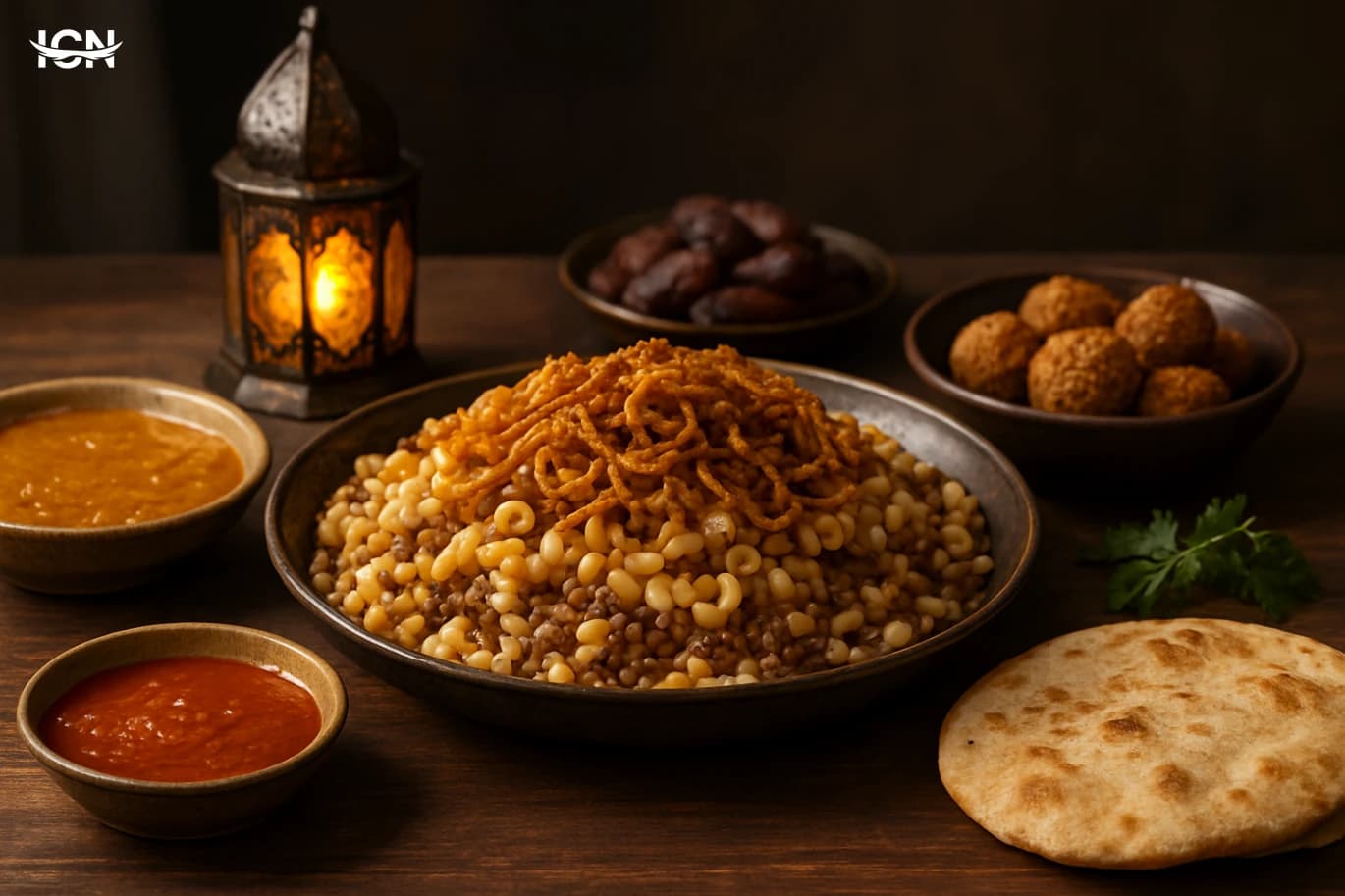
A typical Egyptian iftar often begins with dates and water, followed by a soup that sets the tone for the meal. Lentil soup is a winter favorite, while orzo (lisaan asfour) or vegetable soups appear frequently in family kitchens. Many households keep a tray of sambousek or spring-roll-style pastries, sometimes baked instead of fried to reduce oil use. Salads remain essential, especially baladi salad with cucumber, tomato, and herbs, and tahini-based sides that balance richer mains. Main dishes vary by region and budget, but several staples dominate Ramadan. Mahshi—stuffed zucchini, eggplant, peppers, or cabbage—remains a centerpiece because it can be prepared in batches and served over multiple days. Koshari is less common as a formal iftar main in some homes, yet it appears as a practical option on busy days, especially when paired with a simple salad. Molokhia with chicken or rabbit is a classic for gatherings, while kofta trays, baked chicken with potatoes, and okra stew with rice are common midweek choices. In 2026, many cooks are likely to adjust portions and ingredients without abandoning tradition. More families may use mixed proteins—chicken plus legumes, or small amounts of meat in vegetable stews—to keep costs controlled. Air fryers and oven-baking can reduce frying time and oil, especially for appetizers. The evolution is subtle: the same recognizable dishes, prepared with more attention to budgeting, batch cooking, and lighter techniques.
Suhoor Staples That Last
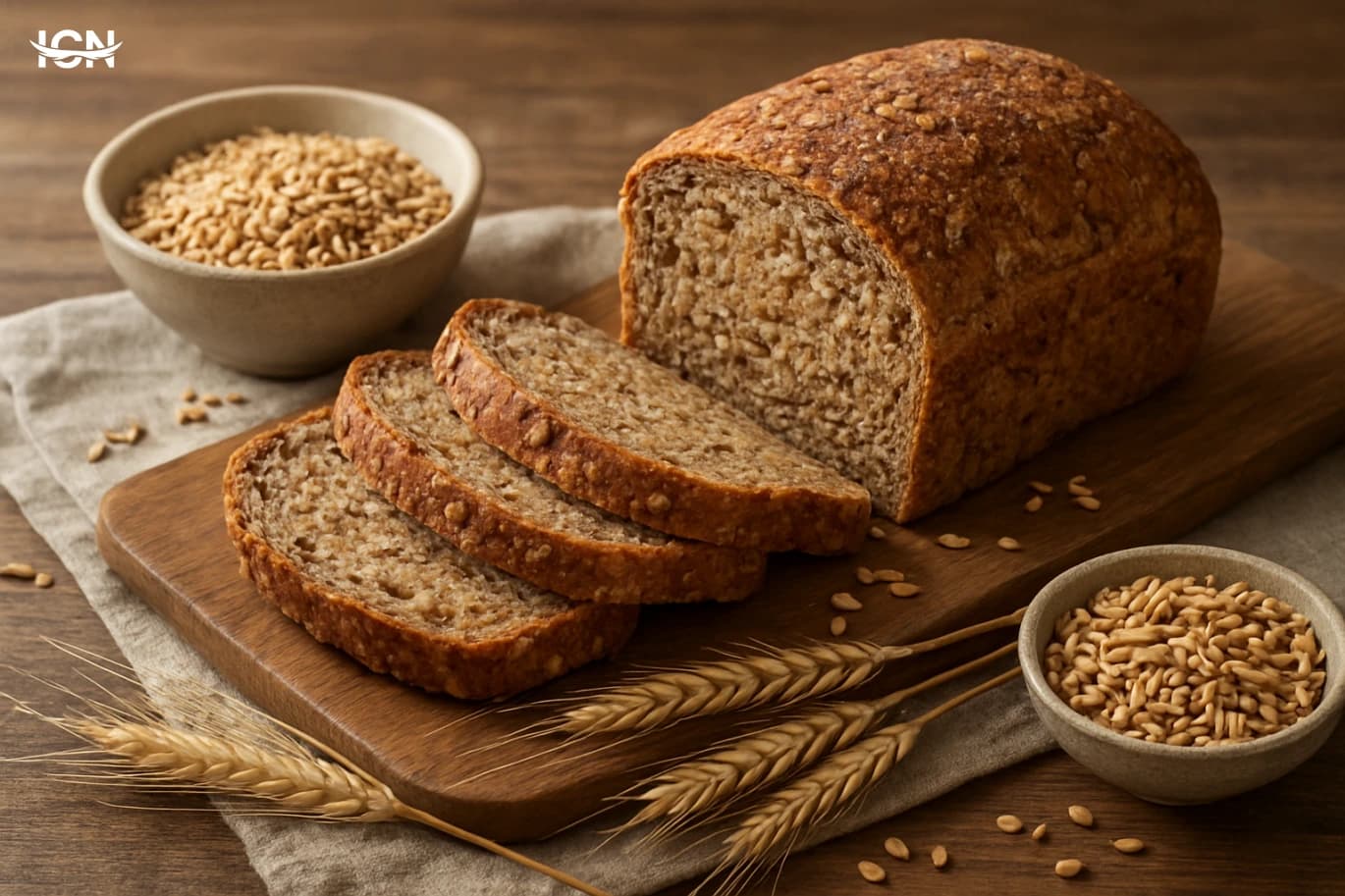
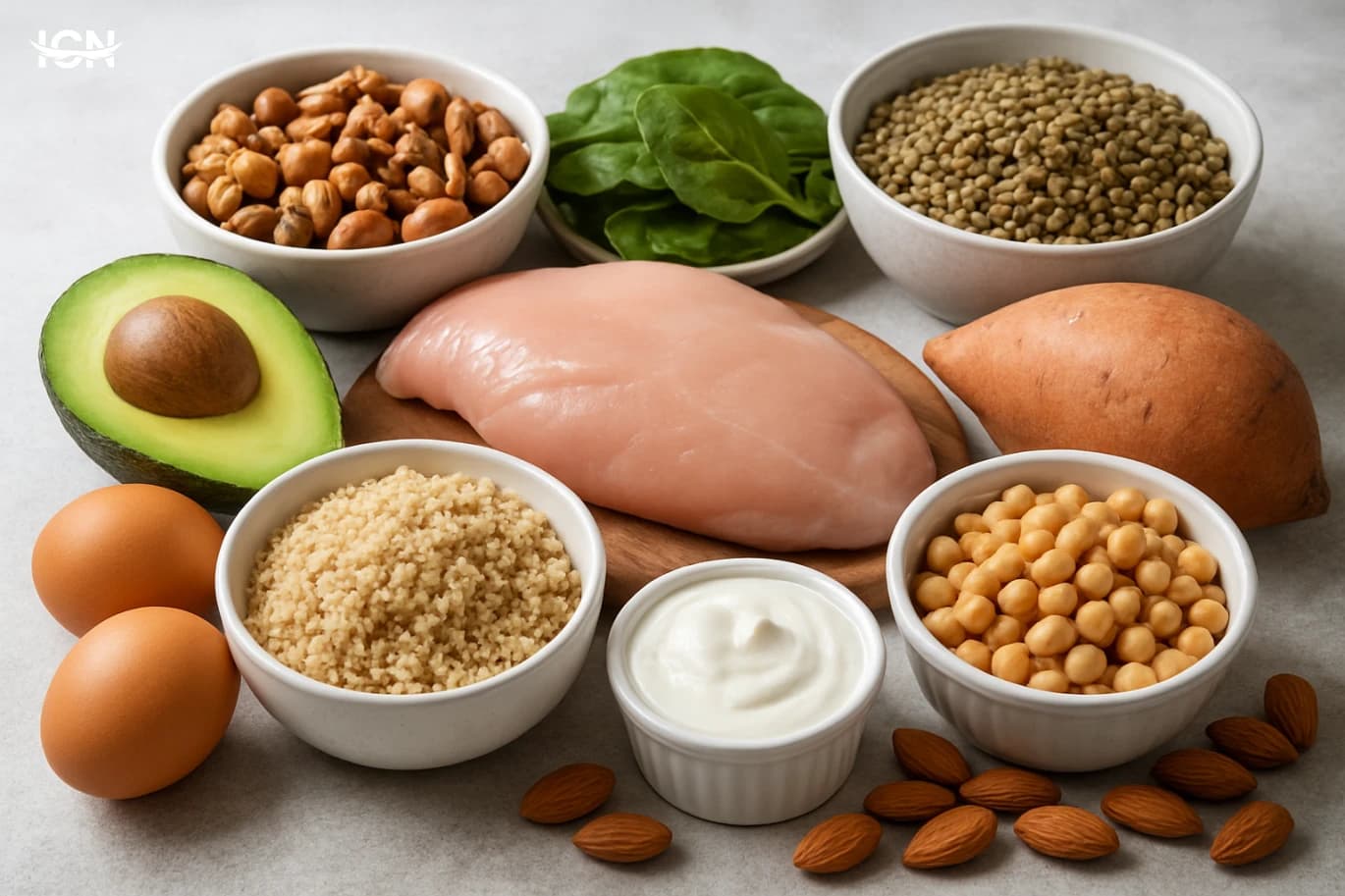
Suhoor in Egypt is built around foods that are affordable, easy to assemble, and satisfying. Fava beans (ful medames) remain the anchor for many households, served with olive oil, lemon, cumin, and chopped vegetables. Eggs—boiled, scrambled, or baked with tomatoes—are another reliable option, especially when paired with baladi bread. Dairy appears in the form of yogurt, laban rayeb, or white cheese, often combined with cucumbers and mint for a refreshing side. To improve staying power, many families add slow-digesting components: oats, whole grains, or a small portion of rice pudding made less sweet. Nuts and dates can be used in measured amounts for energy without turning the meal into a dessert. Hydration is a key focus, so suhoor plates are often paired with water and light drinks rather than heavily sweetened options. In late-winter Ramadan conditions, people may drink less out of habit, so households increasingly set a simple “water plan” between iftar and suhoor. In 2026, convenience will matter. Pre-portioned ful, ready-cut salad vegetables, and quick egg dishes can keep suhoor realistic for working schedules and school routines. The goal is consistent: a meal that prevents early hunger and supports a steady day of fasting without excessive salt or sugar.
Desserts and Drinks With a Lighter Touch
Egyptian Ramadan is famous for desserts, but many households now aim for smaller portions and more controlled sweetness. Qatayef remains a seasonal favorite, often filled with nuts or a light cream and baked rather than deep-fried. Basbousa and kunafa still appear, yet families increasingly buy smaller trays, share with neighbors, or reserve them for weekends and gatherings. Fruit plates—especially oranges, bananas, and apples in winter—are also used as a practical alternative after heavy meals. Drinks are part of the Ramadan identity: karkadeh, tamarind, and carob are common, along with traditional apricot drink when available. In 2026, the trend toward reducing sugar is likely to continue, with more people preparing concentrates at home and sweetening lightly. Some households add sparkling water to dilute sweet drinks, or serve them in smaller cups. Tea after iftar remains a daily habit, and many people choose mint or anise-based infusions in the evening. The key shift is not abandoning the classics, but managing frequency and portion size. This approach keeps the Ramadan atmosphere intact while supporting better digestion and steadier energy during fasting hours.
Smart Shopping and Prep for 2026
Planning is the most effective tool for keeping an Egyptian Ramadan kitchen efficient. A realistic weekly menu helps households avoid overbuying, especially for perishable items such as herbs, leafy greens, and dairy. Many families set a simple rotation: two poultry-based mains, one legume-focused meal, one fish day when possible, and one “leftovers and salad” day. This structure reduces waste and makes shopping lists clearer. Batch preparation is another cornerstone. Cooking a large pot of lentils or beans, portioning tomato sauce, and freezing chopped onions or herb mixes can save hours across the month. For mahshi and pastries, some households prepare fillings in advance and assemble closer to serving time. Using seasonal vegetables—cabbage, carrots, potatoes, and winter greens—often delivers better value and consistent quality. In 2026, many Egyptian cooks will likely balance tradition with cost control by prioritizing versatile ingredients. A small amount of minced meat can flavor a large tray of vegetables, and chicken can be stretched through soup, rice dishes, and sandwiches for suhoor. The practical goal is a Ramadan table that feels complete every day, supported by planning rather than last-minute spending.