Olive harvest season
- The importance of the brand
- Introduction to the olive harvest season
- Olive harvesting factors
- Olive harvesting methods
- Olive picking stages
- Challenges facing the harvest season
The importance of the brand
Article Contents: olive harvesting season needs any commercial work for effective and distinguished presence in the market, and this requires an investment in the brand. The work should highlight its values and story, which reflects the brand's uniqueness. By developing a strong identity, business can build customer loyalty and maintain their distinction from competitors. Your investment in the brand is not only a financial investment, but it is an investment in the future of your business, as it contributes to improving customer experiences and increasing sales. It is important to distinguish yourself in a clear and strategic way.
Introduction to the olive harvest season
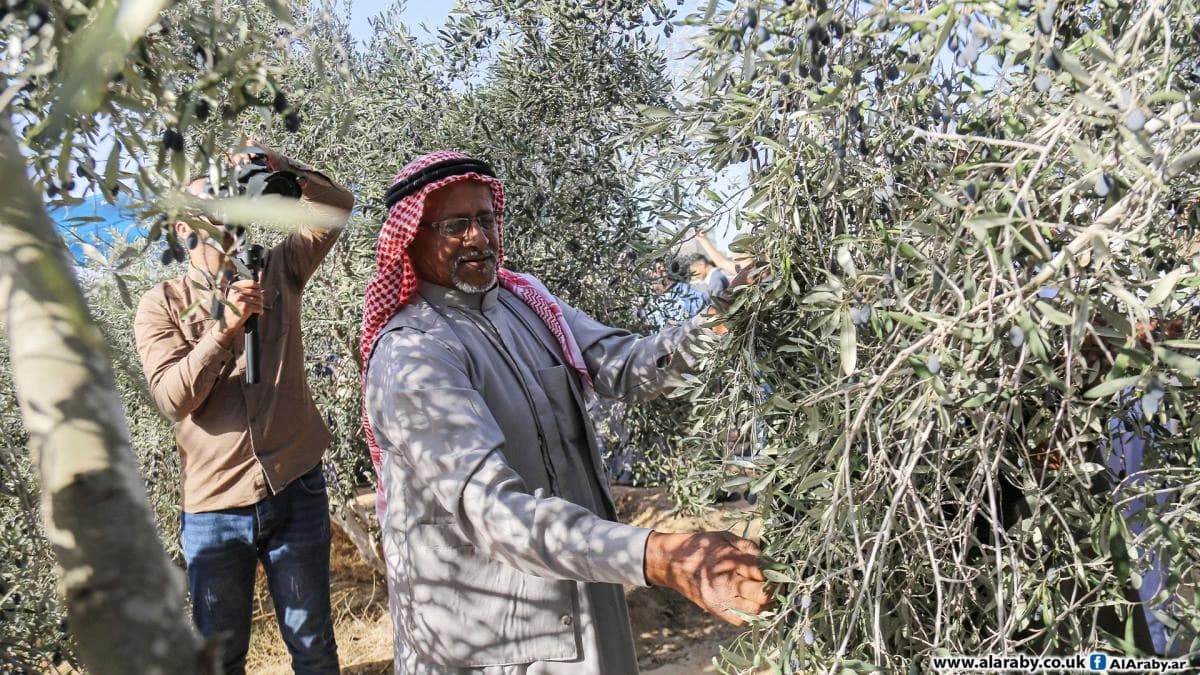
A. The importance of olives in culture and agriculture Olives are a cultural and agricultural symbol in many countries. It is not just a tree, but part of a long heritage that extends back thousands of years. Olives are used in cooking and have many health benefits. for. Timing and types of harvest season The olive harvest season usually begins in the months between September and November, depending on the region and the quality of the olives. Harvesting methods vary, and collection can be done manually or using mechanical tools, which affects the quality of the oil. Good organization of the harvest season contributes to enhancing productivity and crop quality.
Olive harvesting factors
A. The ripening of the fruit and the criteria used. The maturity of the fruit is one of the basic factors that determine the date of the olive harvest. It is preferable to collect olives when the fruits are of black green color, indicating their maturity. Some criteria are also used such as oil and the texture of the fruit to determine the most appropriate time for harvesting. for. The effect of the climate and weather on the timing of the harvest, climatic conditions play a big role in determining the timing of olive harvesting. Heavy rains or long periods of dehydration can negatively affect the quality of olives. Therefore, farmers should follow climate change to ensure the perfect time to collect the crop.
Olive harvesting methods
A. Handicrafts and traditional technologies are one of the oldest methods used in olive harvesting. Farmers use simple tools such as juice or baskets to collect fruits. This method requires accuracy and patience, as mature olives are handcrafted manually. for. Using modern tools and machines with technology progress, farmers began to use modern equipment such as olive picking machines. These machines help accelerate the plural process and increase efficiency. Modern equipment ensures reduce losses and improve quality, making it an ideal choice for farmers who seek to achieve higher productivity.
Olive picking stages
A. Preparation before the cluster Before starting the picking process, farmers must prepare well. This starts with inspecting the olive trees and identifying ripe fruit. Preparations also include preparing the necessary tools, whether manual or automatic, in addition to ensuring appropriate weather conditions. for. Collection and transportation process After preparation, farmers begin collecting olives using the specified methods. The fruits are carefully collected to avoid spoilage, and then transported to processing sites. It is necessary for transportation to take place as quickly as possible to preserve the quality and characteristics of the olives.
Challenges facing the harvest season
A. Diseases and pests Farmers face several challenges during the olive harvest season, especially diseases and pests that may affect the crop. These problems may lead to a decrease in olive quality and production quantity. Therefore, farmers must take protection precautions such as using appropriate pesticides or adopting organic farming methods. Pest control requires constant awareness of the early signs of infestation, which helps protect the fruit and enhance the bottom line, as each season represents an opportunity to achieve optimal results.