mrkbat-alnkl-alkhrbayy

mrkbat-alnkl-alkhrbayy
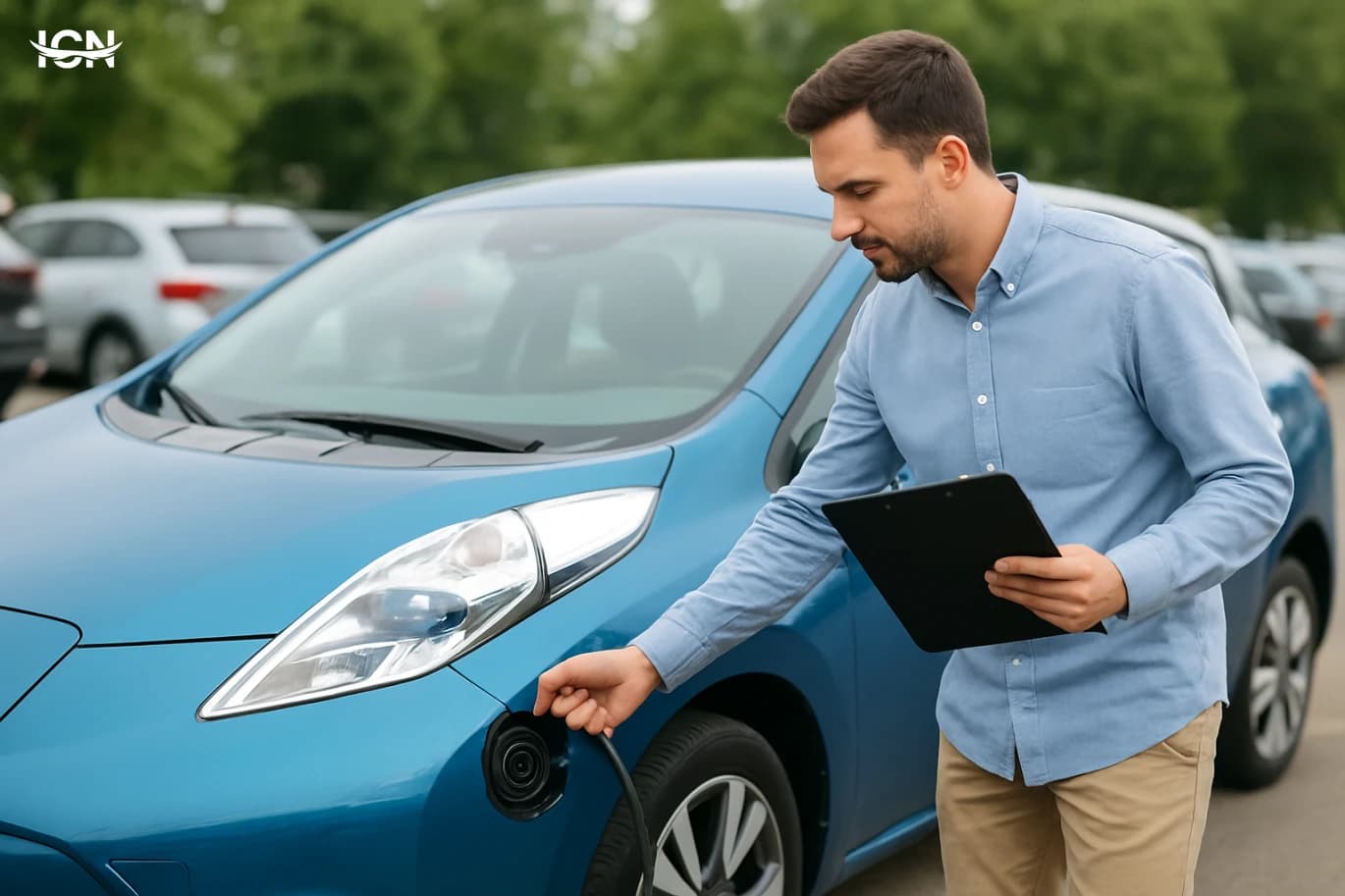
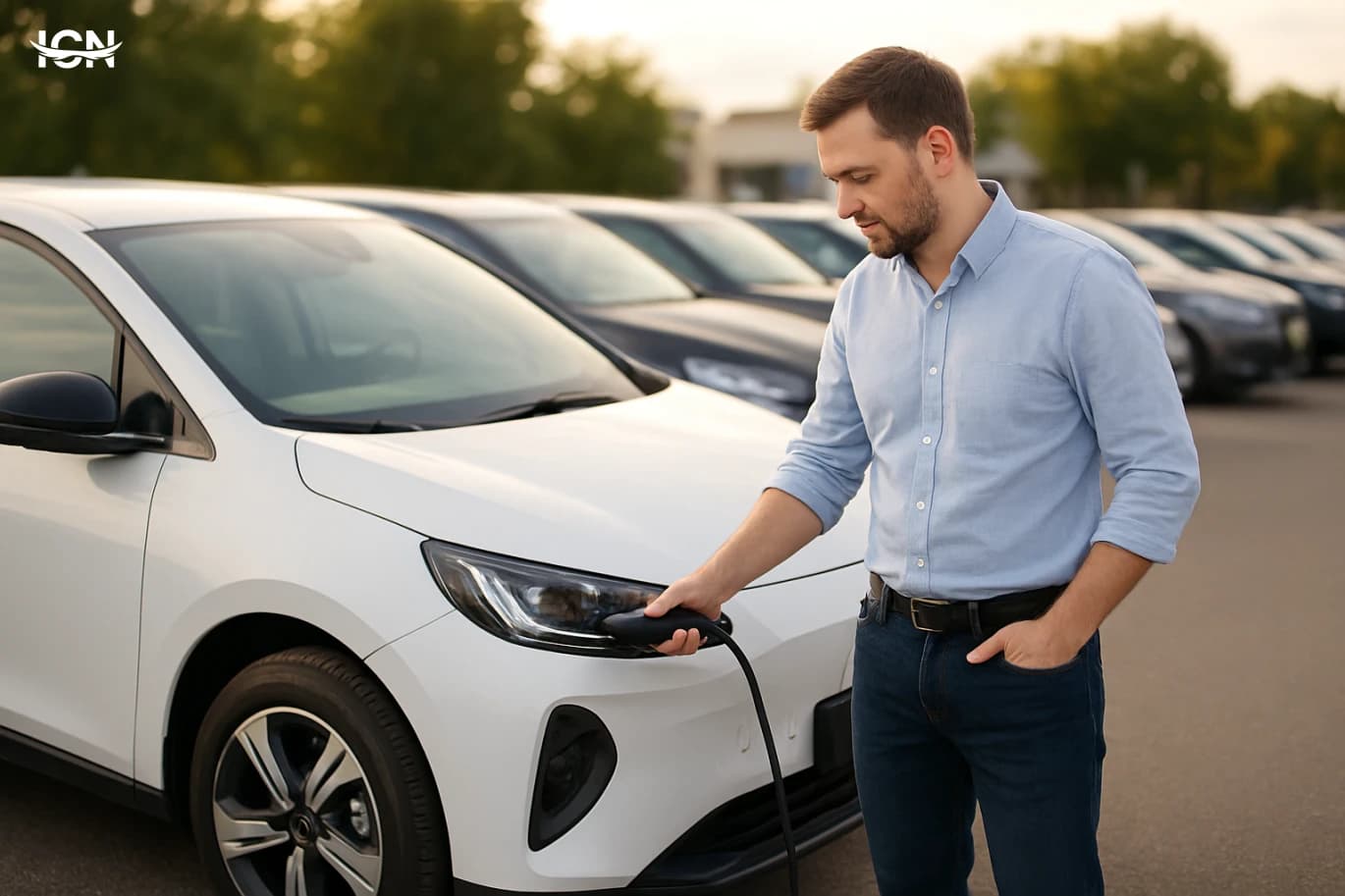
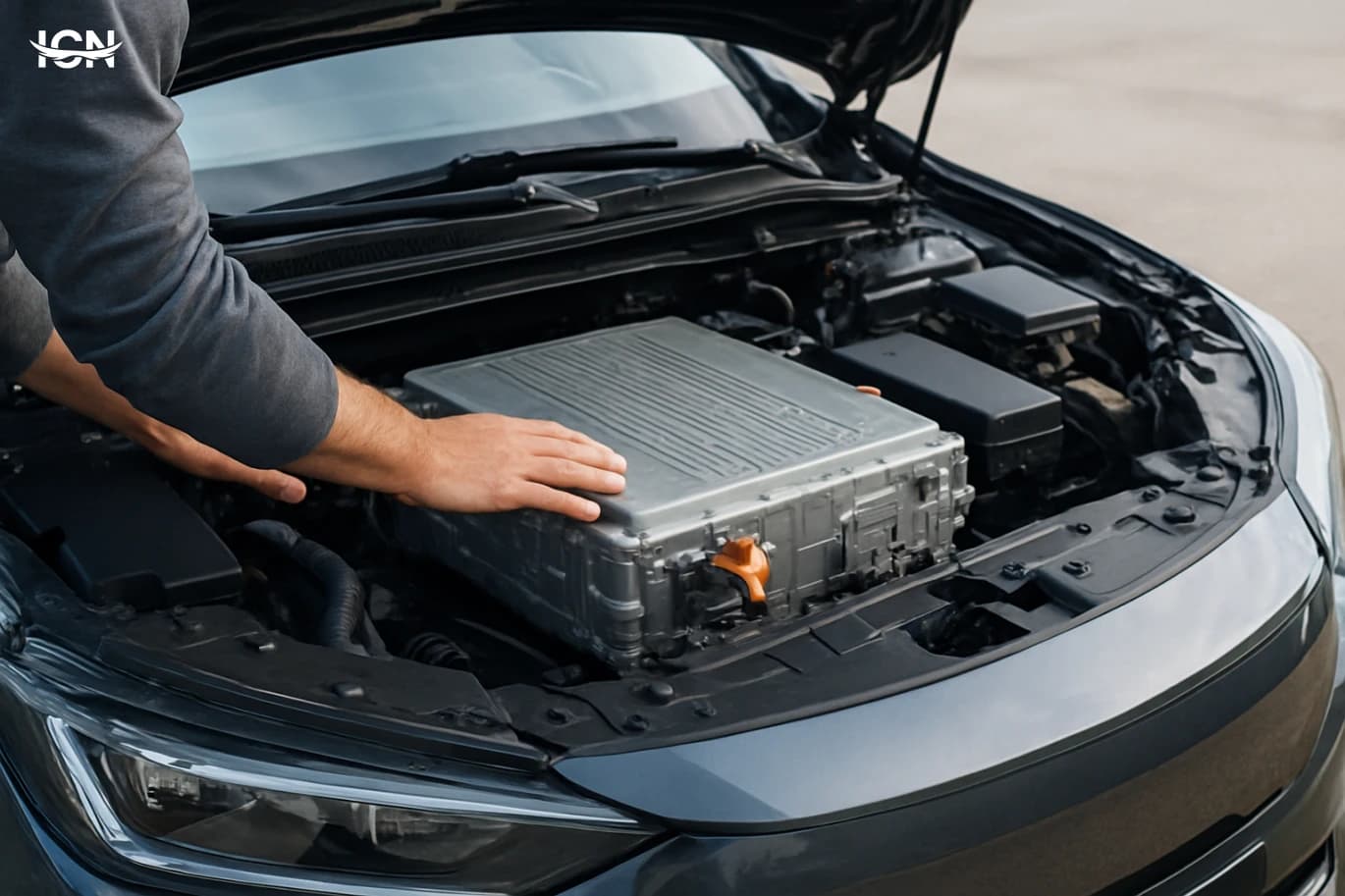
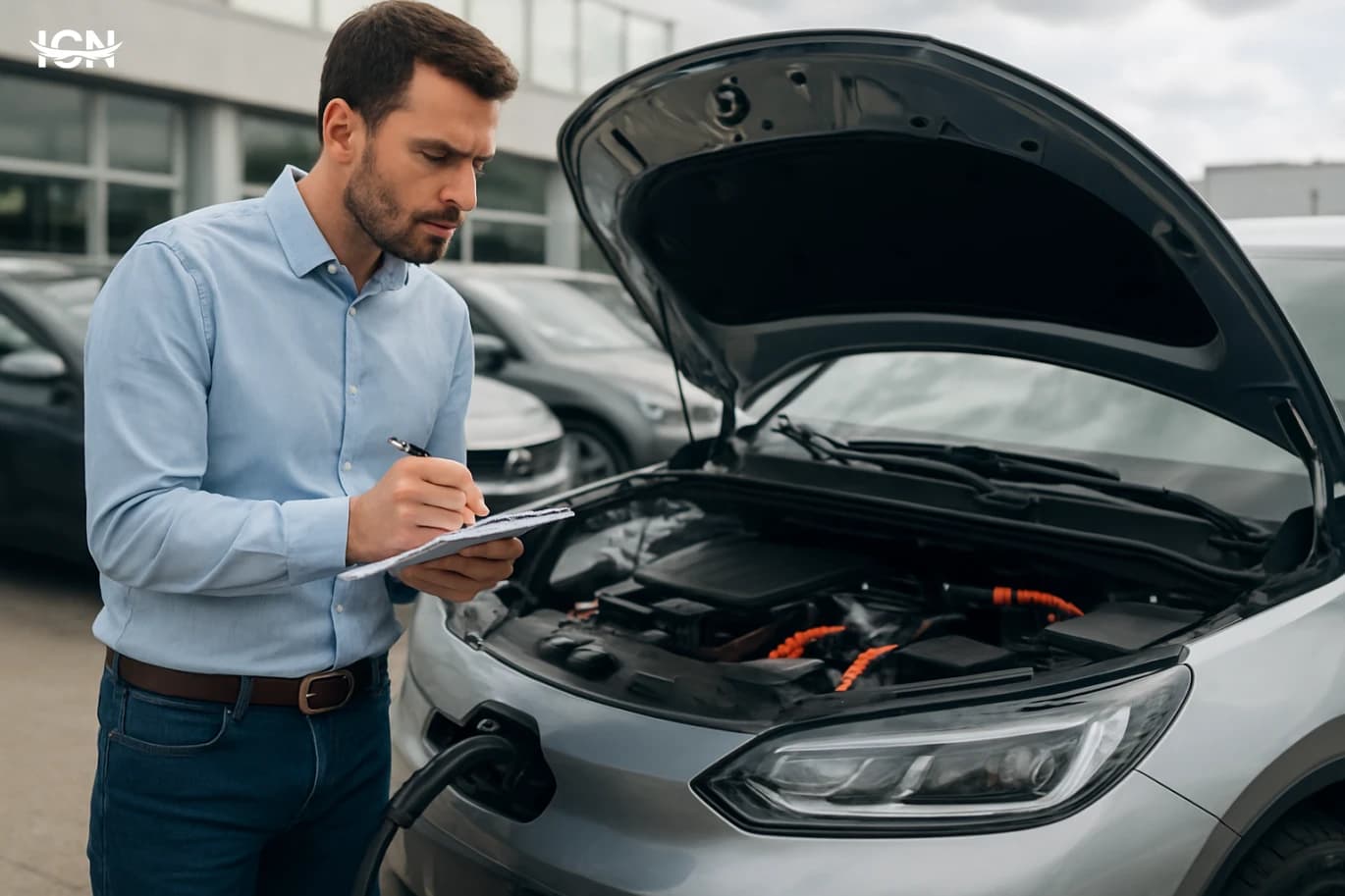
Electric Vehicles (EVs) are all means of transportation that rely on electricity as their primary energy source instead of fossil fuels. Main Types: Electric Vehicles (EVs): Powered by an electric battery and an electric motor alone, such as a Tesla or Nissan Leaf. Plug-in Hybrid Vehicles (PHEVs): Combine a fuel engine and an electric motor, and can be charged externally. Hybrid Vehicles (HEVs): Contain a fuel engine and an electric motor, but the battery is charged while driving through regenerative braking or the engine itself (such as the Toyota Prius). Electric buses and trucks: Used for public transportation or freight, and equipped with large batteries. Electric bicycles and scooters: A common means of individual transportation in cities. Basic Components: Battery: The power source, often lithium-ion. Electric Motor: Converts electricity into motion. Electronic Control Unit: Regulates the flow of electricity to the motor. Charger: Charges the battery from the electrical grid. Regenerative braking system: Recovers energy during braking and stores it in the battery. Advantages: Environmentally friendly (lower or no emissions). Lower operating and maintenance costs than conventional cars. Quiet and comfortable driving. Challenges: Higher price compared to gasoline. Limited driving range (range anxiety). Requires adequate charging station infrastructure. Charging takes longer than refueling.