Moroccan caftan
Moroccan caftan
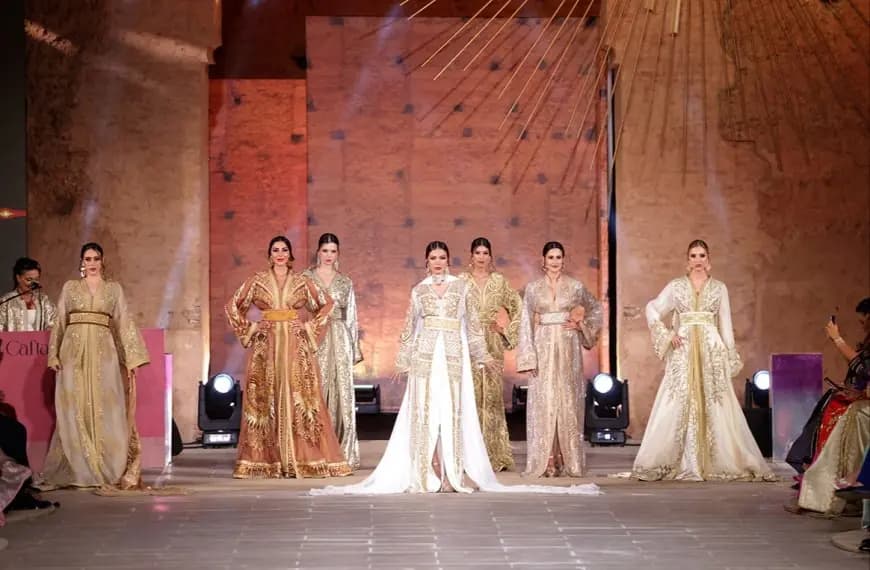
The Moroccan caftan is one of the most prominent symbols of traditional elegance in Morocco, a work of art that blends history, heritage, and authenticity. Worn on special occasions and weddings, it is renowned for its intricate details and exquisite embellishments. Here is comprehensive information about it: What is the Moroccan caftan? The Moroccan caftan is a long, traditional garment with long sleeves, often made from luxurious fabrics such as silk, velvet, brocade, and pearls, and adorned with gold or silver embroidery. History of the caftan Its origins trace back to the Almoravid and Marinid dynasties, but it flourished significantly during the Saadian dynasty. Today, it has become a global garment showcased on international fashion runways, distinguished by its elegance and artistic richness. Characteristics of the Moroccan caftan Unique elegance: It combines simplicity with refined aesthetics. Exquisite hand-stitching: such as the sfifa, aqli, randa, and Fassi embroidery. A wide variety: modern, traditional, Fassi, Rabat, and Marrakesh kaftans. Rich colors: from royal white to vibrant hues like turquoise and gold. Can be worn in a single layer or layered like a takchita. The Moroccan Takchita The takchita is a layered version of the kaftan, typically consisting of: The inner layer: a simple kaftan. The outer layer: usually adorned with sfifa (braided trim) and luxurious embellishments. It is the most popular choice for Moroccan weddings. When is the kaftan worn? Weddings Engagements Religious occasions National celebrations Glam parties And sometimes, celebrities wear it at international festivals as a symbol of Moroccan distinction. The Art of Traditional Sewing The caftan is more than just a garment; it's a time-honored craft that relies on: Rabat embroidery Fez embroidery Hassani randa (a type of Moroccan embroidery) Sfifa (a type of Moroccan trim) and 'aqli (a type of Moroccan lace) Each element adds a unique artistic touch. The Caftan's Status Today The Moroccan caftan has become a global symbol of Eastern elegance, worn by international stars like Beyoncé and Angelina Jolie, further increasing its worldwide popularity.