How Cities Shape Everyday Food Culture
- Street Corners and Daily Routines
- Markets, Grocers, and the Local Basket
- Migration, Mixing, and New Classics
- Social Media and the Taste Map
- Festivals, Seasons, and Shared Tables
- What to Watch in Your Own City
Street Corners and Daily Routines
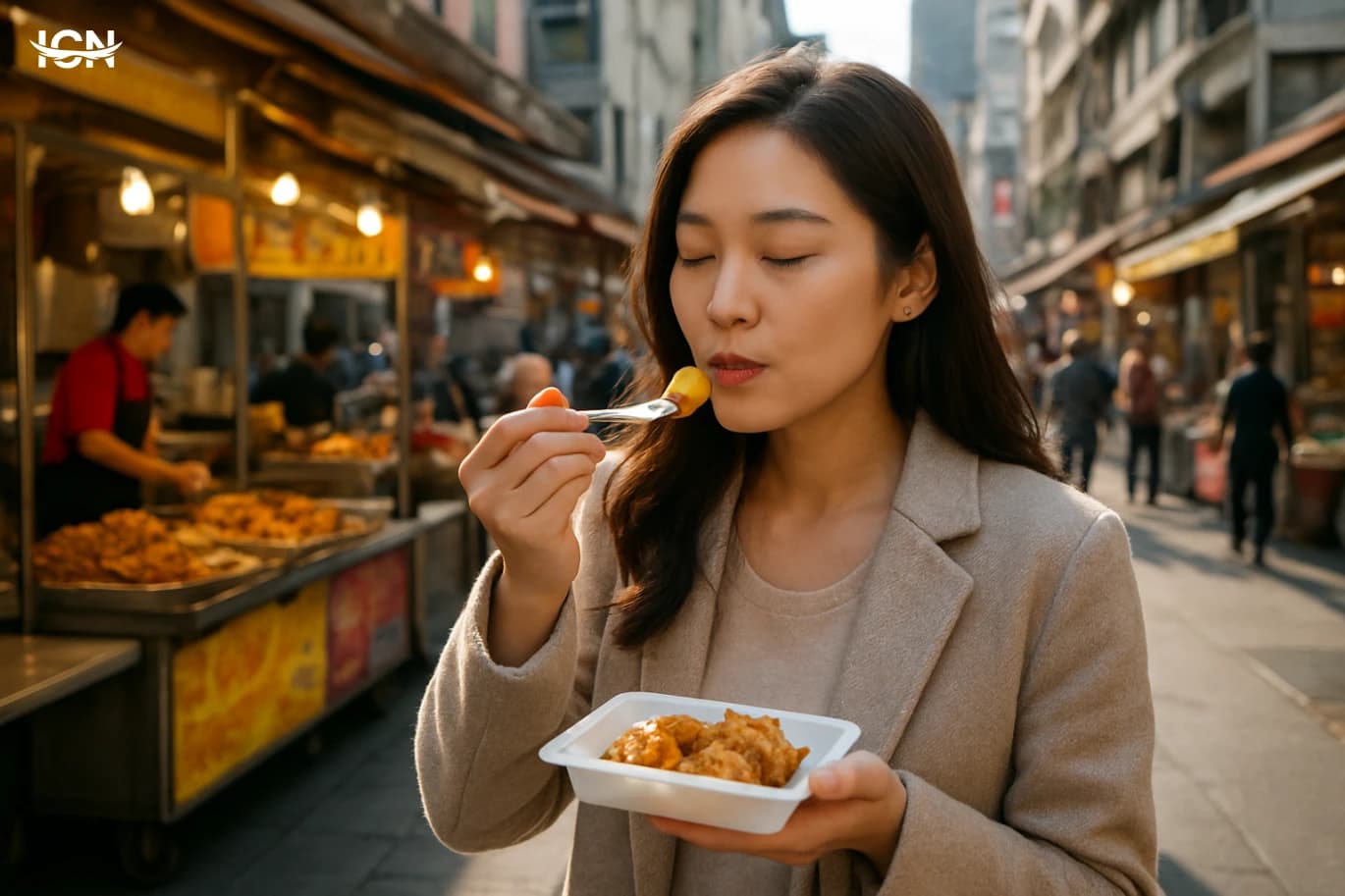
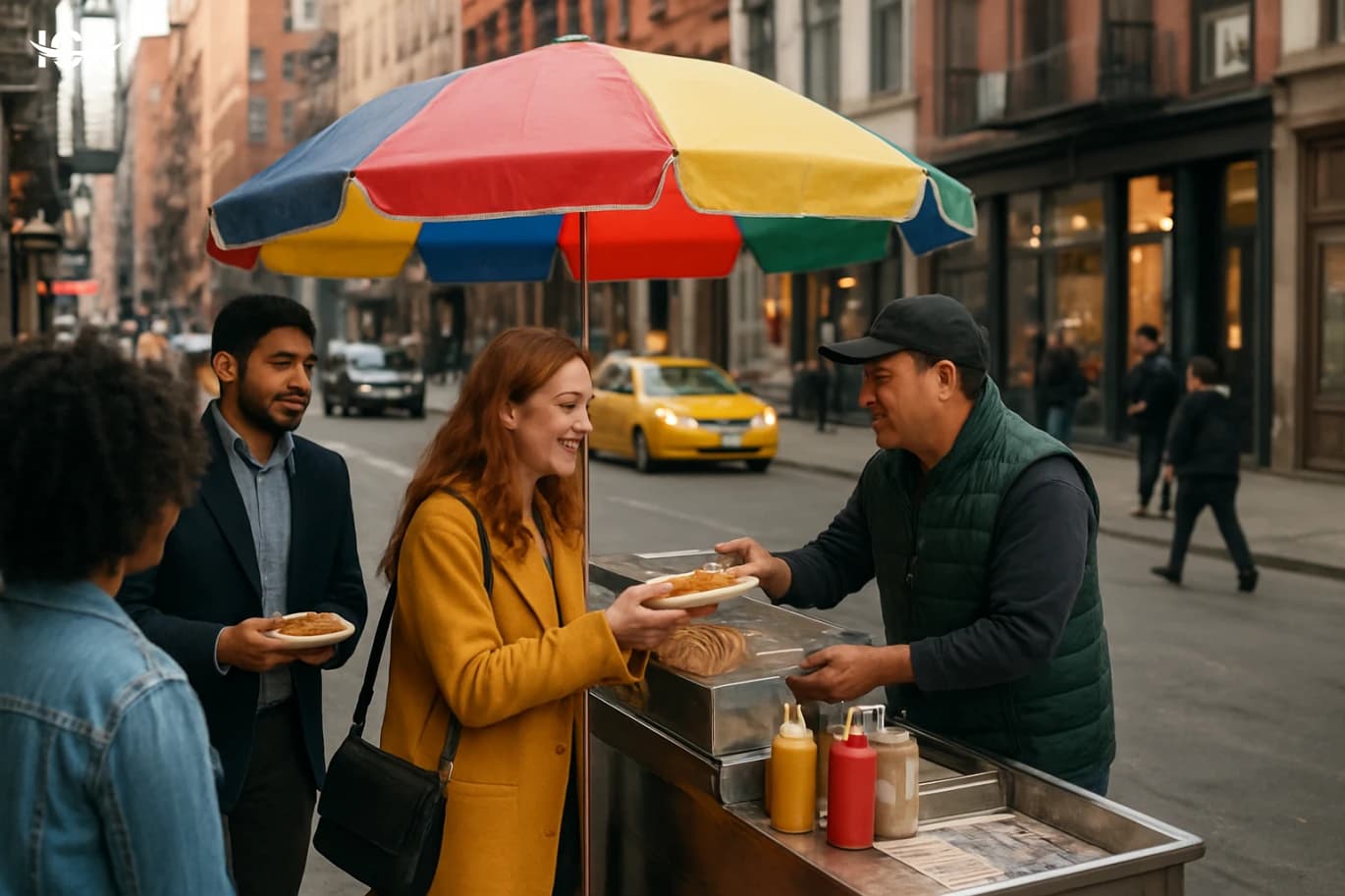
Urban food culture is built less by big restaurants and more by the small decisions people make on the way to work, school, or errands. In many cities, the first meal is not planned at home but chosen at a bakery window, a coffee kiosk, or a small grocery near transit stops. These places succeed because they match the city’s pace: quick service, predictable quality, and prices that fit daily budgets. The result is a shared routine where thousands of residents eat similar items at similar times, creating a recognizable local pattern. City design also shapes what becomes “normal” to eat. Dense neighborhoods with short walking distances support frequent small purchases, while car-dependent areas push larger weekly shopping trips and more home storage. Transit hubs create their own micro-markets: portable foods, drinks with lids, and items that can be eaten standing up. Over time, these practical constraints influence taste preferences and even portion sizes. What looks like a culinary trend is often a response to sidewalks, schedules, and the simple need to keep moving.
Markets, Grocers, and the Local Basket
The everyday “city basket” is defined by what is easy to buy regularly. Traditional markets, neighborhood grocers, and modern supermarkets each shape habits differently. Open-air markets tend to encourage seasonal cooking because prices and availability change week by week. Small grocers influence daily meals through limited shelf space: they prioritize fast-moving staples, popular snacks, and ingredients that serve multiple dishes. Supermarkets expand choice but also standardize it, promoting the same packaged brands across districts. Supply chains matter as much as culture. A city with strong links to nearby farms will see more fresh produce in daily cooking, while a city that relies on long-distance imports may lean on frozen items, canned goods, and shelf-stable sauces. Even within one city, differences appear by neighborhood. Areas with higher foot traffic can support specialty shops—spice stores, cheese counters, or fishmongers—while quieter residential zones may depend on one general store. These patterns influence what families consider “basic” ingredients and what feels like an occasional treat.
Migration, Mixing, and New Classics
Cities are magnets for newcomers, and food is one of the fastest ways their presence becomes visible. When people move, they bring techniques, spices, and meal structures that adapt to what the city offers. A dish may change because a key ingredient is expensive, unavailable, or replaced by a local alternative. Over time, these adjustments can produce “new classics” that feel native to the city even if their roots are elsewhere. This mixing is not only about restaurants. It happens in school lunchboxes, workplace cafeterias, and shared apartment kitchens. A neighbor’s recommendation can introduce a family to a new bread, a different way to season rice, or a weekend dish that becomes part of the household routine. Cities with diverse populations often develop hybrid comfort foods: familiar formats with new flavors, such as a local sandwich filled with ingredients from another culinary tradition. The cultural impact is practical and measurable—new items appear in grocery aisles, new vendors open near community centers, and cooking vocabulary expands in everyday conversation.
Social Media and the Taste Map
Digital platforms now influence what a city eats and where people go. Short videos and review apps can turn a small vendor into a citywide destination within days. This changes the economics of local food: a shop may need to scale up quickly, adjust hours, or standardize portions to meet sudden demand. At the same time, online attention can narrow choices, pushing crowds toward a few “must-try” items while many reliable places remain overlooked. The online “taste map” also affects expectations. People arrive with a checklist, specific photo angles in mind, and a preference for foods that travel well and look consistent. That can encourage certain formats—handheld snacks, layered desserts, brightly colored drinks—because they perform better on screens. Yet social media can also preserve culture by documenting older shops, family-run kitchens, and regional recipes that might otherwise fade. In many cities, the most influential food critics are not professionals but residents who post regularly and build trust through clear pricing, honest comparisons, and practical tips on timing and queues.
Festivals, Seasons, and Shared Tables
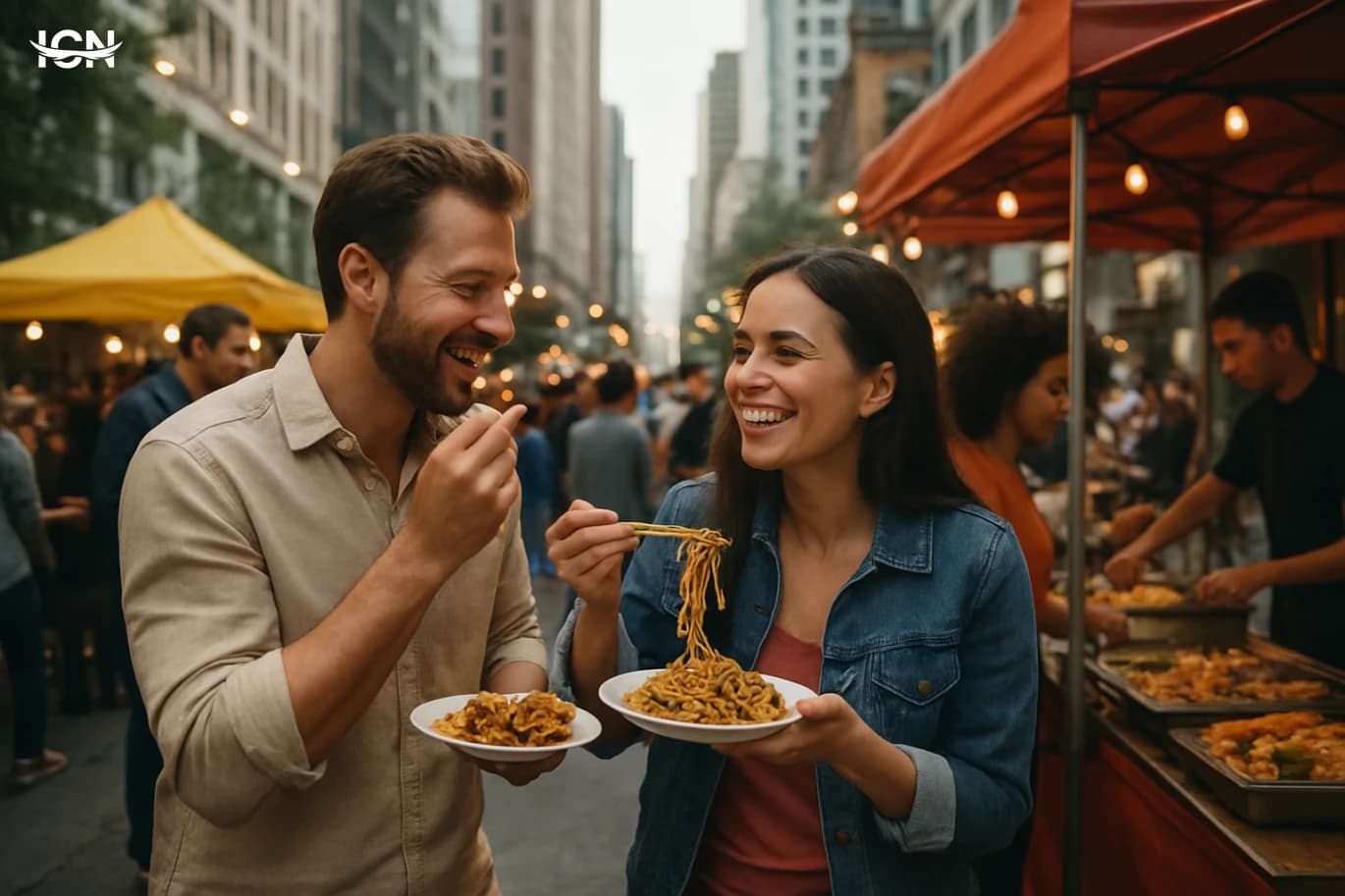
Seasonal events and public festivals give cities a calendar of flavors. Food stalls at cultural fairs, weekend markets, and neighborhood celebrations create moments when residents try dishes outside their normal routine. These events often highlight regional specialties, traditional cooking methods, and ingredients tied to a particular season. For vendors, festivals are also testing grounds: a successful item can later become a permanent menu feature or inspire a new small business. Shared eating spaces matter because they reduce barriers. A family might hesitate to visit an unfamiliar restaurant but will sample a small portion at a festival. This low-risk trial helps foods cross social and geographic boundaries within the city. Seasonal patterns also influence home cooking. When certain fruits, herbs, or fish are at their best, they appear more often in meals, and people exchange tips on preparation. In this way, the city’s food culture becomes a mix of planned traditions and practical responses to what is fresh, affordable, and available that month.
What to Watch in Your Own City
To understand your city’s food culture, start with observation rather than assumptions. Track what people buy at peak hours near transit stops, and note which items are designed for walking and quick eating. Compare two neighborhoods: what staples dominate the shelves, which fresh ingredients are common, and how pricing differs. Look for signs of mixing, such as a local bakery offering fillings from another cuisine or a grocery stocking new spice blends. Pay attention to how information travels. Are recommendations coming from family networks, workplace chats, or social media? Which places are busy because of long-term trust, and which are busy because of a recent viral post? Finally, watch the seasonal cycle: what appears in markets, what disappears, and what becomes a short-lived trend. These details show that culture is not only heritage; it is also infrastructure, logistics, and daily choices repeated at scale. When you see the city through food, you see how residents actually live—on schedules, within budgets, and through shared habits that quietly define local identity.