How Cities Curate Culture Through Public Libraries

- Why Libraries Still Matter in City Culture
- Collections as a Mirror of the Community
- Libraries as Everyday Cultural Venues
- Digital Access and the New Cultural Divide
- Measuring Cultural Impact Beyond Visitor Counts
Why Libraries Still Matter in City Culture
Public libraries are often described as quiet buildings full of books, but in many cities they function as cultural infrastructure with measurable impact. They shape what residents read, how they learn, and where they gather without needing to buy a ticket. A library’s collection policy, opening hours, and neighborhood branches influence which voices are easy to access and which remain distant. In practice, libraries act as a city’s most consistent cultural venue, operating year-round and serving people across income levels. Their cultural role is also visible in how they preserve local memory. City archives, oral history projects, and neighborhood newspaper collections frequently sit inside library systems, not museums. When a library digitizes photographs, maps, or community newsletters, it is deciding what becomes searchable and shareable for future generations. That decision affects school projects, local journalism, and even how newcomers understand the city’s identity. In this way, libraries do not just store culture; they actively organize it.
Collections as a Mirror of the Community
A library collection is never neutral. Budgets, donation programs, and selection criteria determine whether shelves reflect the city’s languages, age groups, and interests. In diverse urban areas, libraries increasingly balance bestsellers with materials in multiple languages, children’s picture books that represent different family backgrounds, and nonfiction that supports practical needs such as job searching or small business basics. The cultural outcome is concrete: residents see their experiences acknowledged, and they also encounter perspectives they might not meet in their daily routines. Local authorship is another indicator. Many library systems run “local writer” shelves, small-press showcases, or community publishing initiatives that help residents produce zines, poetry chapbooks, or neighborhood histories. These programs change what counts as “published” culture in a city by lowering barriers to entry. When a library hosts a launch event for a self-published memoir or a bilingual children’s book, it is validating cultural production that might not fit commercial publishing priorities. Over time, these choices influence which stories become part of the city’s shared references.
Libraries as Everyday Cultural Venues
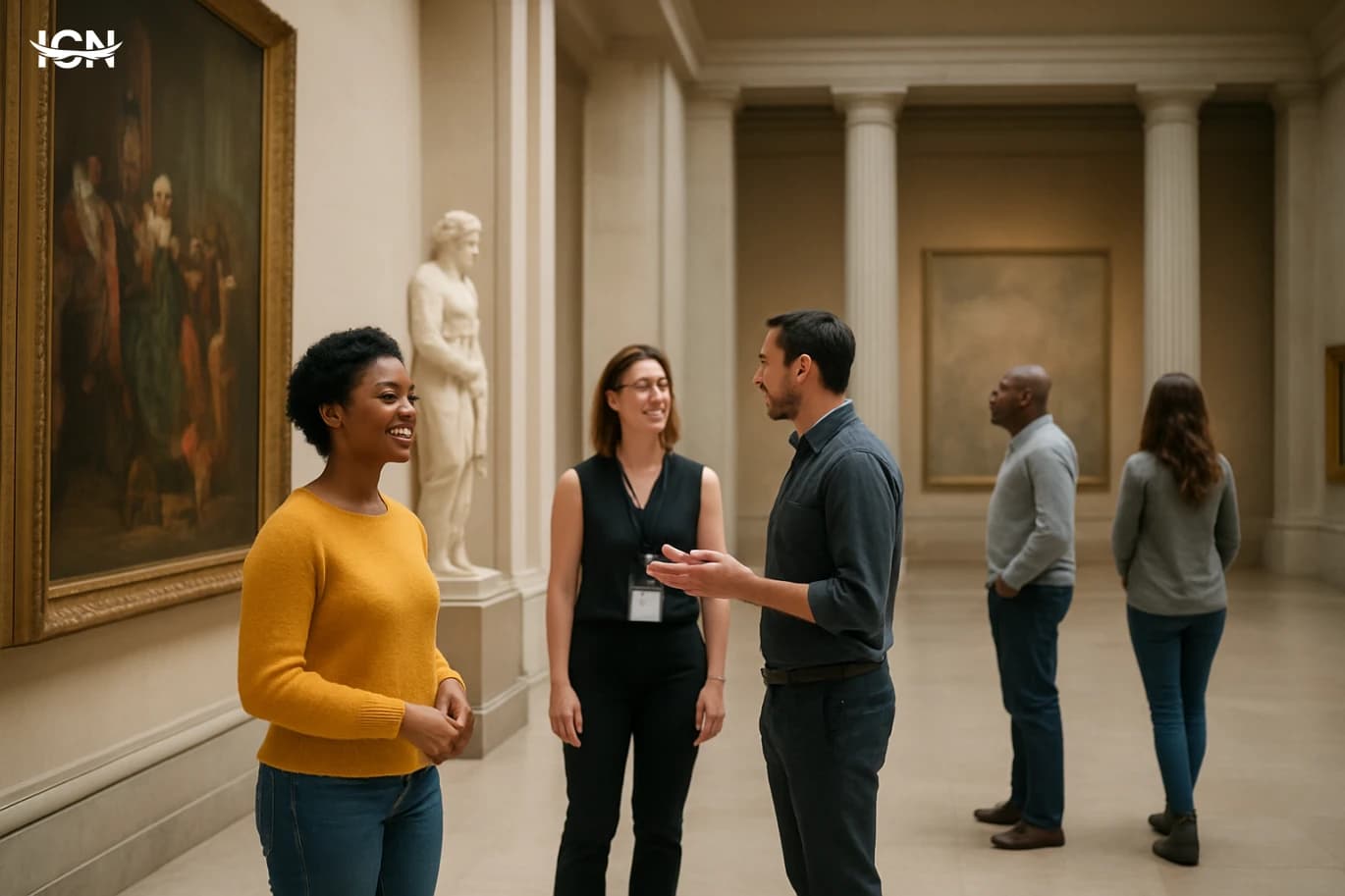
Modern libraries host cultural programming that looks more like a community arts calendar than a reading room schedule. Typical offerings include author talks, film screenings with discussion, language conversation clubs, craft workshops, and exhibitions of local photography. These events matter because they normalize cultural participation. A resident who would not attend a formal theater or gallery may still join a free workshop at the nearest branch. The library becomes a low-pressure entry point into arts and learning. The design of library spaces supports this shift. Many new or renovated branches include flexible rooms, small stages, maker spaces, and recording booths for podcasts or oral histories. These facilities allow residents to produce culture, not only consume it. A teenager learning audio editing in a library studio or a retiree joining a community choir rehearsal in a multipurpose room is engaging in cultural activity that is anchored in a public institution. The practical detail is important: access is often free, equipment is shared, and staff provide basic guidance, making participation possible for people who cannot afford private classes or studio rentals.
Digital Access and the New Cultural Divide
As culture moves online, libraries increasingly act as digital gateways. E-book lending, streaming platforms for documentaries, online language learning subscriptions, and remote access to academic databases can reshape what residents consider “available” culture. For students and lifelong learners, a library card can function like a membership to a broad knowledge ecosystem. This is especially relevant in cities where household internet quality and device ownership vary widely. However, digital services also introduce new gaps. If a library’s website is hard to navigate, if authentication is complicated, or if digital collections prioritize only mainstream content, the promise of access weakens. Some library systems address this by offering device lending, Wi‑Fi hotspot loans, and in-person digital literacy help. The cultural significance is direct: someone who learns to use a tablet to read newspapers, access local history archives, or join a virtual lecture is not only gaining a skill, but also entering cultural conversations that increasingly happen online. Libraries that invest in clear interfaces and practical support can reduce the risk that digital culture becomes limited to those with money and time.
Measuring Cultural Impact Beyond Visitor Counts
Cities often evaluate libraries through simple metrics such as foot traffic, circulation numbers, and program attendance. These indicators are useful, but they do not fully capture cultural impact. A small neighborhood branch may host fewer events than a central library, yet it can be the primary cultural anchor for its area. More informative measures include repeat participation, diversity of program audiences, partnerships with schools and local organizations, and the extent to which residents use library resources to achieve concrete outcomes such as completing certifications, publishing community projects, or improving language proficiency. Qualitative evidence also matters. Libraries can document how exhibitions lead to community donations of historical materials, how reading clubs create sustained intergenerational exchange, or how a maker workshop results in a local product showcase. These are not abstract benefits; they are observable changes in participation and production. For policymakers, the practical takeaway is that cultural value should be assessed with a mix of data and documented stories, and with attention to equity across neighborhoods. A city that invests in branch networks, staff training, and accessible programming is effectively investing in cultural continuity and local knowledge.