How Cities Shape Everyday Food Traditions
- Why urban food habits matter
- Street design and the snack economy
- Migration, mixing, and new classics
- Work schedules and the changing meal clock
- Markets, supermarkets, and what stays seasonal
- Bookmark: keeping traditions without freezing them
Why urban food habits matter
Food culture is often described through famous dishes, but everyday habits tell a clearer story about how people actually live. In cities, routines around breakfast, lunch breaks, and late-night snacks are shaped by commuting patterns, working hours, and the availability of small businesses. A neighborhood with dense public transit and walkable streets tends to support quick, frequent purchases from bakeries, kiosks, and corner cafés. Areas built around long car commutes often push meals into fewer, larger occasions, with more reliance on supermarkets and batch cooking. Urban food habits also matter because they influence which skills and tastes get passed on. When a city’s housing is smaller and kitchens are compact, residents may cook differently, choosing dishes that require fewer tools or shorter preparation. When rent is high and storefront turnover is fast, long-standing family-run eateries can be replaced by standardized chains, changing what becomes “normal” to eat. Looking at these patterns is a practical way to understand culture as something produced daily, not only celebrated on holidays.
Street design and the snack economy
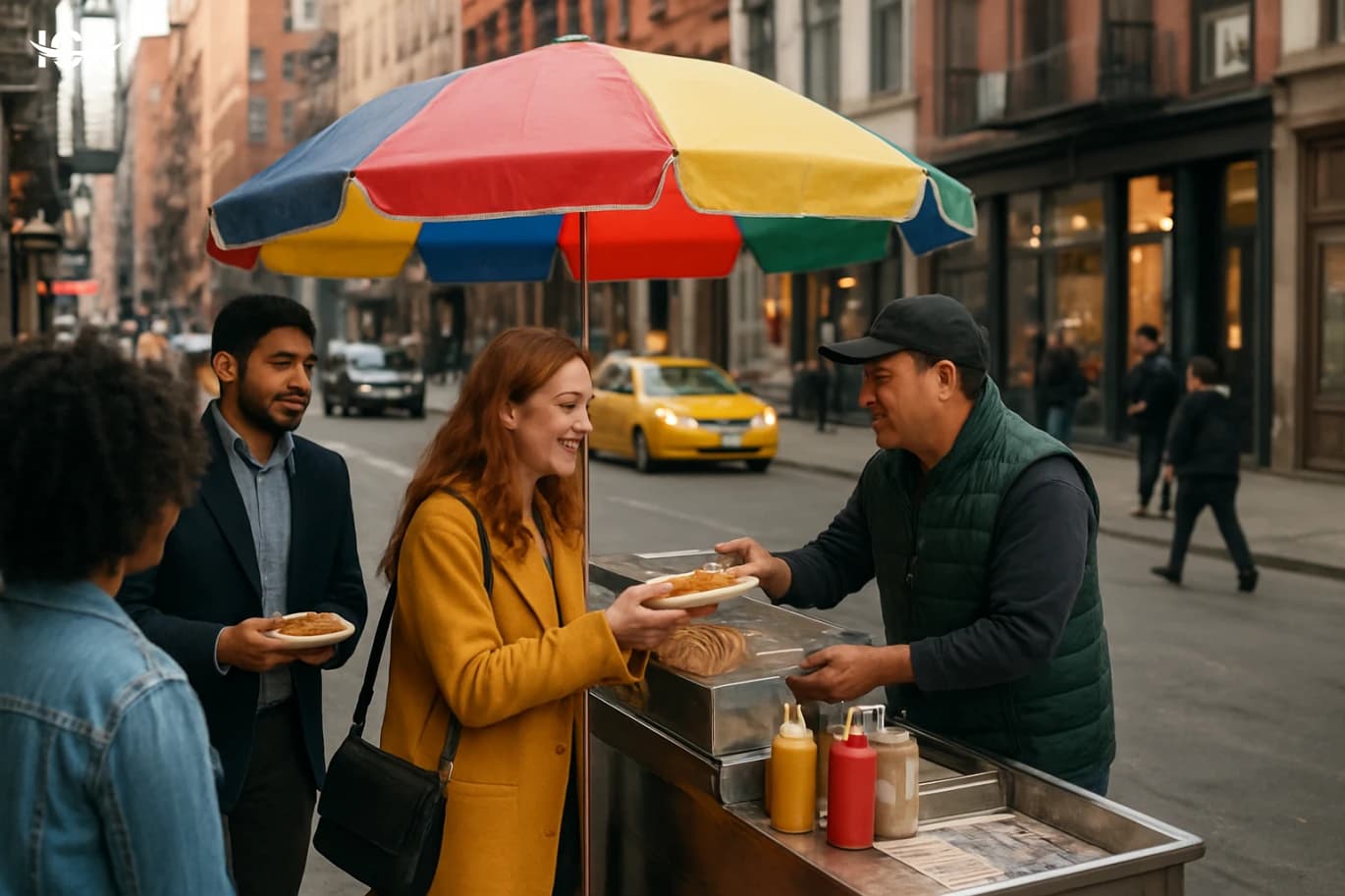
The physical layout of a city strongly affects what people eat between meals. Wide sidewalks, shaded streets, and clusters of offices or schools create steady foot traffic, which supports vendors selling affordable, portable foods. This is why certain snacks become emblematic of specific districts: they fit the pace of movement and the need to eat while walking or standing. In contrast, areas with fewer pedestrians and more isolated buildings tend to favor drive-through options or larger sit-down venues. Regulation and infrastructure play a role as well. Permits for street vending, rules about outdoor seating, and access to electricity and water can determine whether a street becomes a food corridor or remains quiet. Even small changes—adding benches, improving lighting, or creating a weekly market—can shift demand toward fresh items and local specialties. Over time, these conditions shape not only what is sold but also how residents define a “normal” snack, how much they expect to pay, and where they consider it acceptable to eat.
Migration, mixing, and new classics
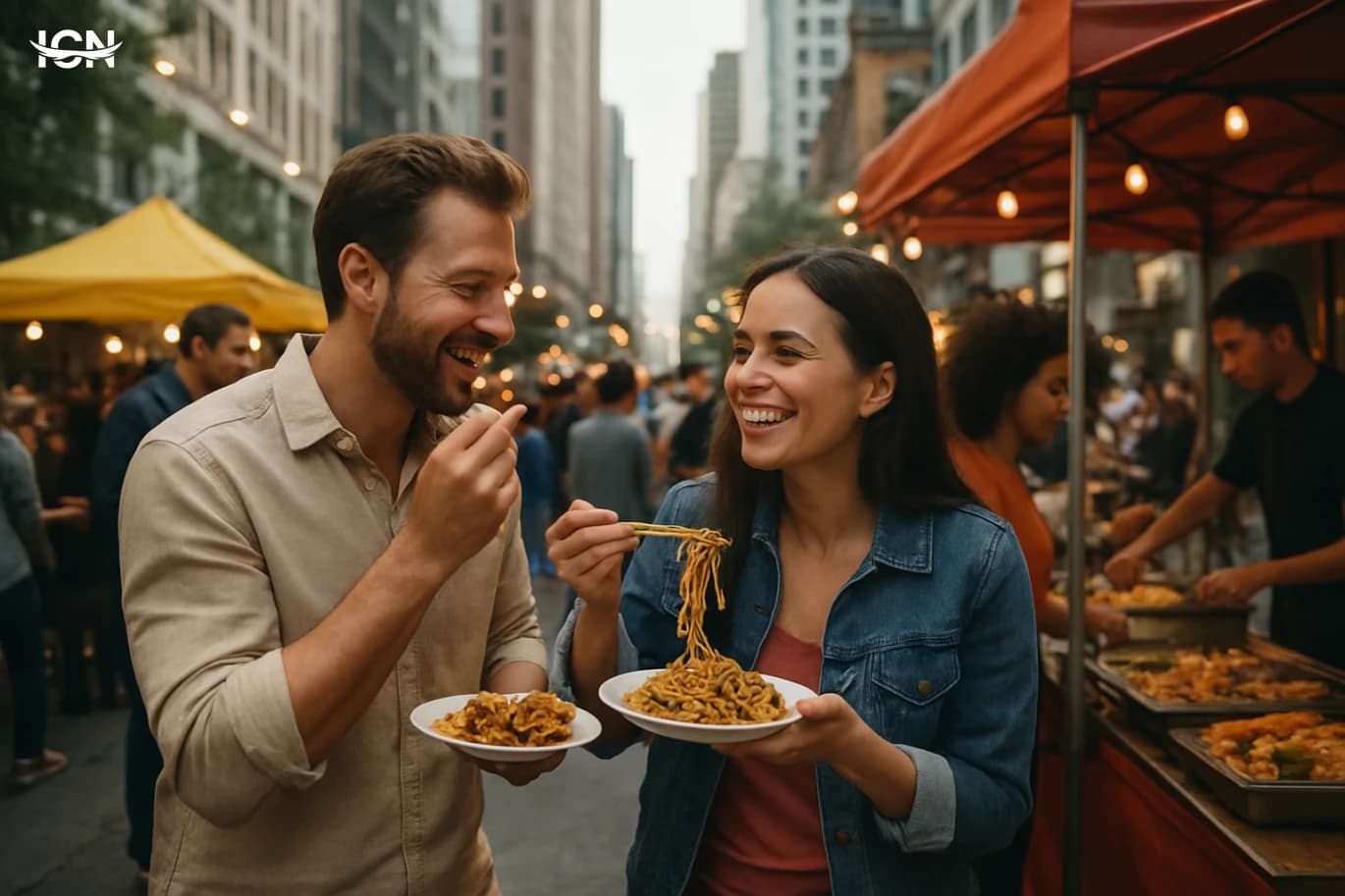
Cities concentrate people from different regions and backgrounds, and food is one of the fastest ways these groups interact. New arrivals often bring ingredients, cooking methods, and dining customs that adapt to local supply chains and budgets. A dish that was once tied to a specific hometown can change when certain spices are hard to find, when meat cuts differ, or when local customers prefer milder flavors. Over time, these adjustments can create “city versions” that become classics in their own right. This mixing is not only about restaurants. It happens in workplaces where colleagues share lunches, in apartment buildings where neighbors exchange plates during busy weeks, and in markets where shoppers learn to use unfamiliar produce. Media and delivery apps accelerate the process by making niche cuisines visible and easy to try. The result is a cultural map where authenticity is less about strict replication and more about consistent quality, recognizable taste, and the social meaning attached to a place that serves a reliable meal.
Work schedules and the changing meal clock
The “meal clock” in a city is rarely fixed. Shift work, long commutes, and flexible schedules push people to eat at different times, which creates demand for specific types of food service. Early-morning workers keep bakeries and breakfast counters busy before sunrise. Late shifts support cafés that stay open longer and small kitchens that can deliver quickly. In many cities, lunch is no longer a single shared hour; it becomes a staggered window where people eat whenever they can, often choosing meals that are fast, consistent, and easy to consume at a desk. These patterns influence what foods become popular. Items that reheat well, travel without losing texture, and remain affordable under daily purchasing become staples. At the same time, weekend habits can diverge sharply from weekday routines. Families may reserve longer cooking projects for days off, while relying on simple, repeatable meals during the week. Understanding the meal clock helps explain why certain neighborhoods develop strong breakfast cultures, why some streets thrive at night, and why “comfort food” often reflects time constraints as much as taste.
Markets, supermarkets, and what stays seasonal
Where people buy food determines how seasonal their diet remains. Traditional markets and produce shops often reflect local harvest cycles, with visible shifts in price and quality across the year. Supermarkets and large distributors smooth out these changes by importing items and standardizing supply, which can make the same ingredients available year-round. This convenience affects cooking habits: when tomatoes, herbs, or certain fruits are always on the shelf, recipes lose some of their seasonal rhythm. However, seasonality does not disappear entirely; it moves into different signals. Shoppers may follow promotions, limited-time products, or regional specialty weeks. Restaurants may build menus around what is abundant, even if the ingredients are sourced from wider networks. In cities with strong market culture, people still plan meals around what looks best that day, and they develop practical knowledge about ripeness, storage, and bargaining. These shopping choices shape cultural identity in a grounded way: they influence daily spending, reduce or increase food waste, and determine whether cooking is guided by tradition, convenience, or a mix of both.
Bookmark: keeping traditions without freezing them
Cities change quickly, but food traditions can remain stable when communities treat them as living practices rather than museum pieces. One practical approach is documenting everyday recipes and routines, not only celebratory dishes. Community cookbooks, neighborhood interviews, and short videos from local kitchens can capture measurements, substitutions, and time-saving tricks that reflect real urban life. Schools and cultural centers can also host tastings and workshops focused on basic skills—bread, soups, pickles, and simple sauces—because these are the building blocks that survive across income levels. Support for small food businesses matters as much as nostalgia. When policies make it easier for independent bakeries, family restaurants, and market vendors to operate safely and affordably, a city keeps more of its edible memory. At the same time, adaptation should be expected: new ingredients, dietary needs, and work patterns will continue to reshape what people cook and buy. The cultural goal is not to stop change, but to keep a clear link between place, people, and the everyday meals that make a city feel familiar.