How Cities Shape Modern Food Traditions
- Why urban food culture changes so fast
- Markets, street stalls, and the new neighborhood map
- Migration, mixing, and the rise of hybrid dishes
- Social media, reviews, and what becomes famous
- What we lose and what we preserve
Why urban food culture changes so fast
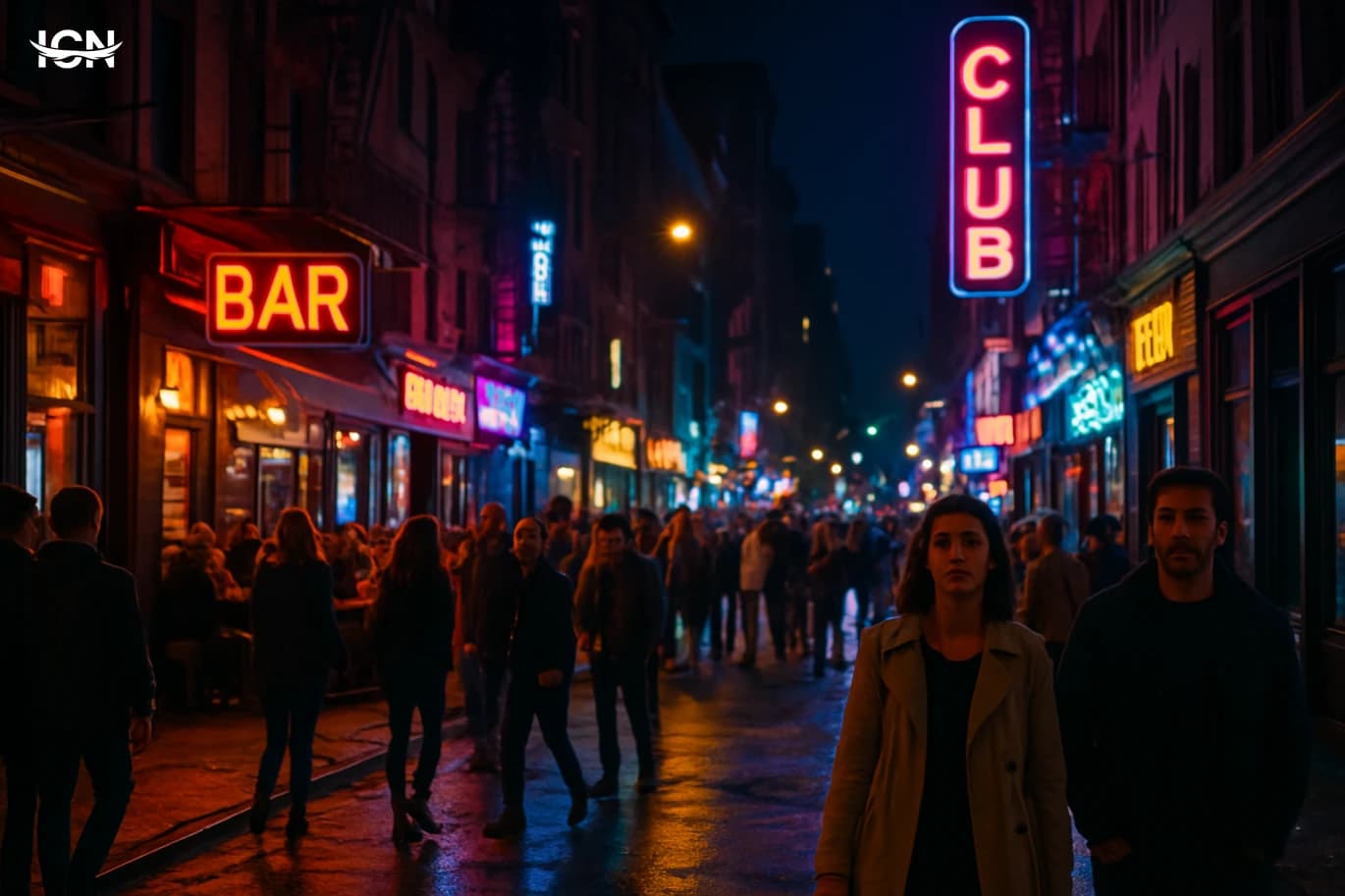
Urban food culture evolves quickly because cities concentrate people, jobs, and daily routines into tight spaces. When commuting times, office schedules, and housing costs shift, eating habits follow. A neighborhood that gains a new transit line often sees a wave of small cafés and takeaway counters because foot traffic becomes predictable. In many cities, lunch breaks are short and dinner happens late, so menus adapt with faster service, smaller portions, and extended hours. The rise of delivery platforms has also changed what “local” means: a resident can order from across town, which pushes restaurants to compete on packaging, consistency, and speed as much as taste. Cities also amplify trends through visibility. A new dish can spread from one street to another in weeks because people share recommendations in group chats, review apps, and short videos. At the same time, urban consumers are diverse, and that diversity encourages hybrid menus: bakeries that sell both traditional pastries and globally familiar items, or street stalls that mix regional spices with modern formats like wraps and bowls. These changes are not random; they reflect the city’s infrastructure, work patterns, and the constant negotiation between convenience and identity.
Markets, street stalls, and the new neighborhood map
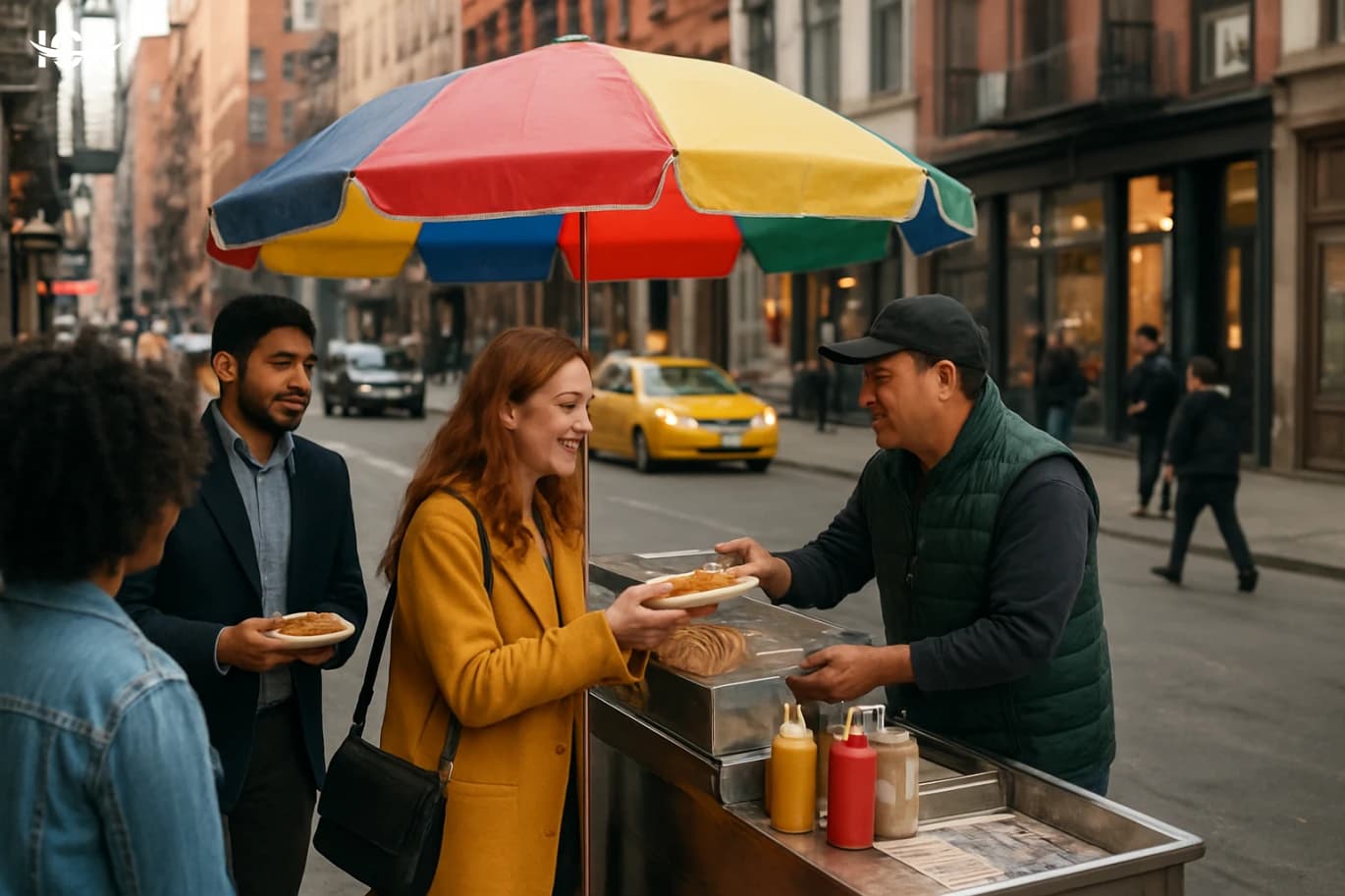
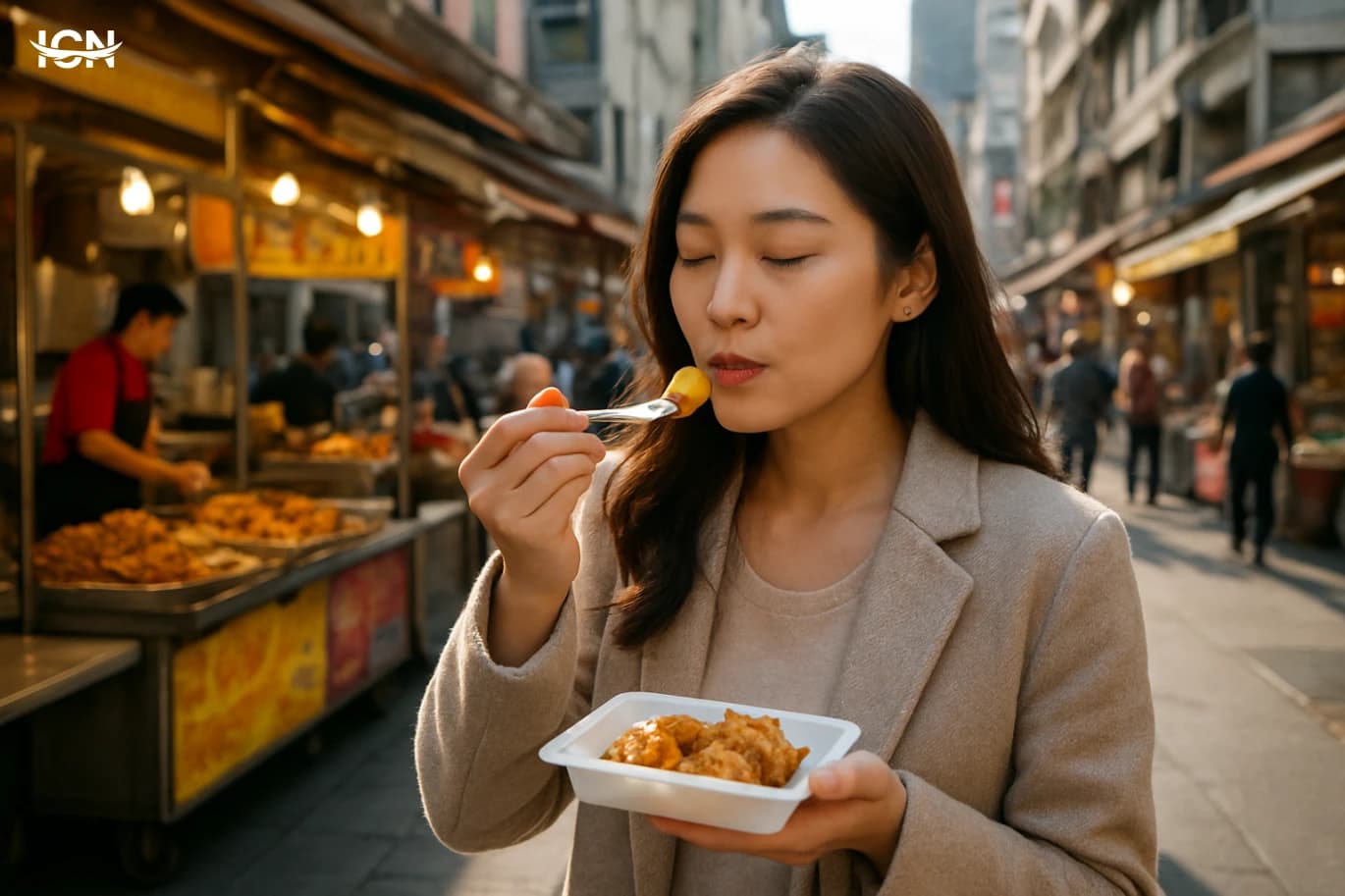
Traditional markets remain cultural anchors, but their role is changing. In many cities, a central market is no longer only a place to buy ingredients; it becomes a weekend destination with tasting counters, cooking demonstrations, and small specialty shops. This shift supports producers who can tell a story about origin, seasonality, and craft. It also changes the neighborhood map: areas once known for wholesale trade may become known for breakfast spots, spice boutiques, and artisanal bread. Street food is also being reshaped by regulation and real estate. Where permits are clear and affordable, stalls can become stable small businesses that build loyal followings. Where rules are uncertain, vendors may move frequently, which affects consistency and customer trust. In both cases, the city’s layout matters. A stall near a university tends to offer low-cost, high-volume items; one near office towers may focus on quick lunches and coffee. As rents rise, some entrepreneurs choose “micro-spaces” such as kiosks, shared kitchens, or pop-up counters inside existing shops. These formats allow experimentation with less risk, and they often become the first step toward a permanent restaurant.
Migration, mixing, and the rise of hybrid dishes
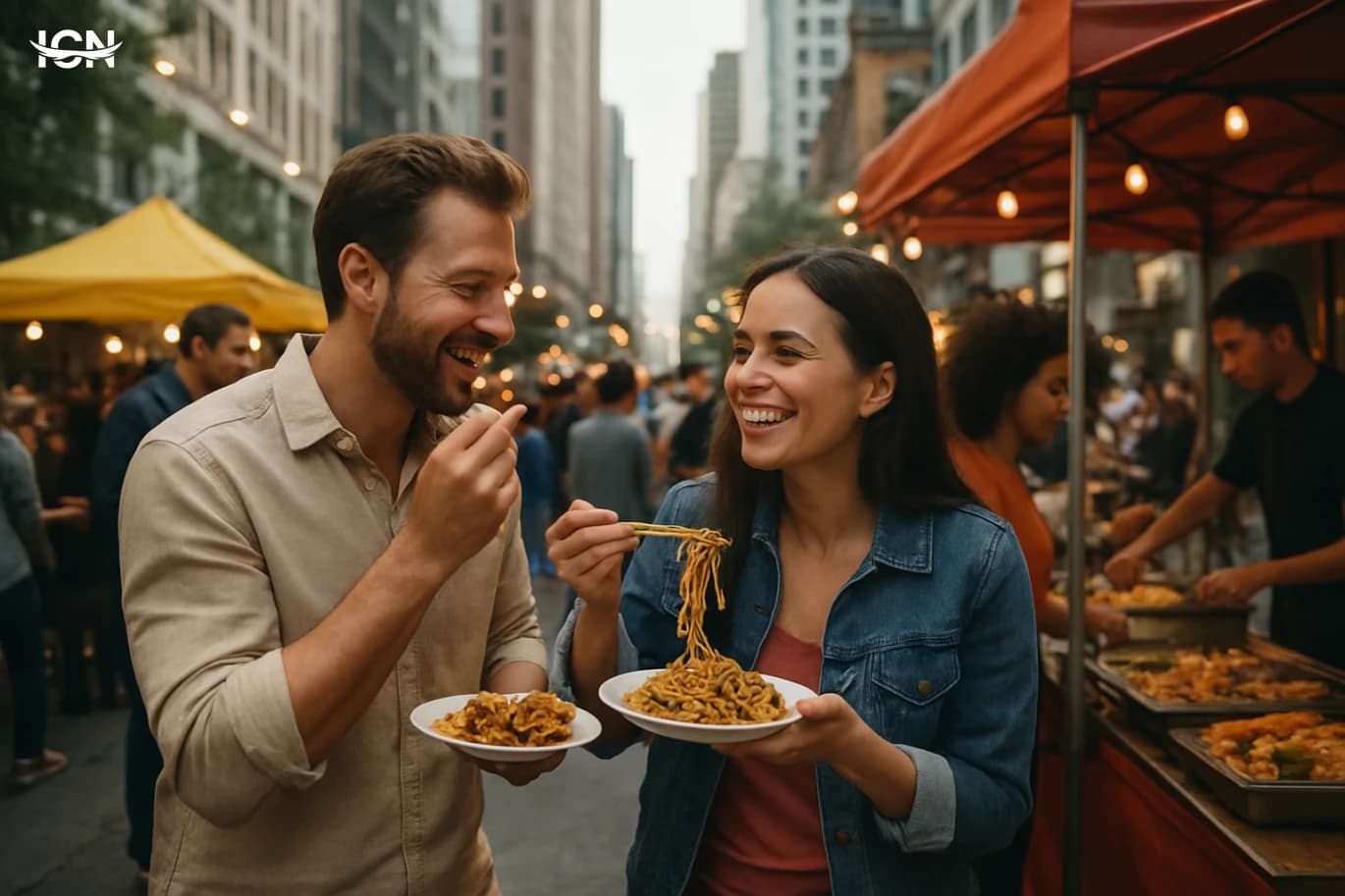
Cities are built on movement: students, workers, and families arrive with their recipes and preferences. Over time, ingredients that were once rare become common through importers, specialty grocers, and community demand. This availability changes home cooking and restaurant menus alike. A spice blend that used to be carried in luggage can become a standard shelf item, and a dish that was cooked for holidays can appear as a weekday lunch option. Hybrid dishes often emerge from practical needs rather than novelty. A cook adapts to what is affordable and available, or to what customers recognize. That is how you get sandwiches filled with regional stews, noodles served with local sauces, or desserts that combine familiar textures with new flavors. These combinations can be controversial for purists, but in many cities they become a shared language across communities. The key cultural point is that hybrid food is not “less authentic”; it documents how people live now, how they shop, and how they build belonging in a place where many identities overlap.
Social media, reviews, and what becomes famous
Digital platforms now shape urban food reputation as much as word of mouth. A restaurant’s success can depend on how well a dish photographs, how quickly staff respond to comments, and whether the location is easy to tag and find. This changes design choices: brighter lighting, open kitchens, and signature items that are visually distinctive. It also changes the rhythm of demand. A single viral post can create lines for weeks, forcing small businesses to scale up ingredients, staffing, and quality control faster than planned. Review culture has benefits and risks. It can reward consistency and transparency, pushing restaurants to publish clear menus, allergen information, and pricing. But it can also encourage sameness if owners chase ratings by copying what already performs well. In response, some cities are seeing a return to “quiet” dining: places that focus on regular customers, limited menus, and seasonal changes rather than constant online promotion. The cultural outcome is a split between food designed for attention and food designed for routine, both of which now coexist in the same neighborhoods.
What we lose and what we preserve
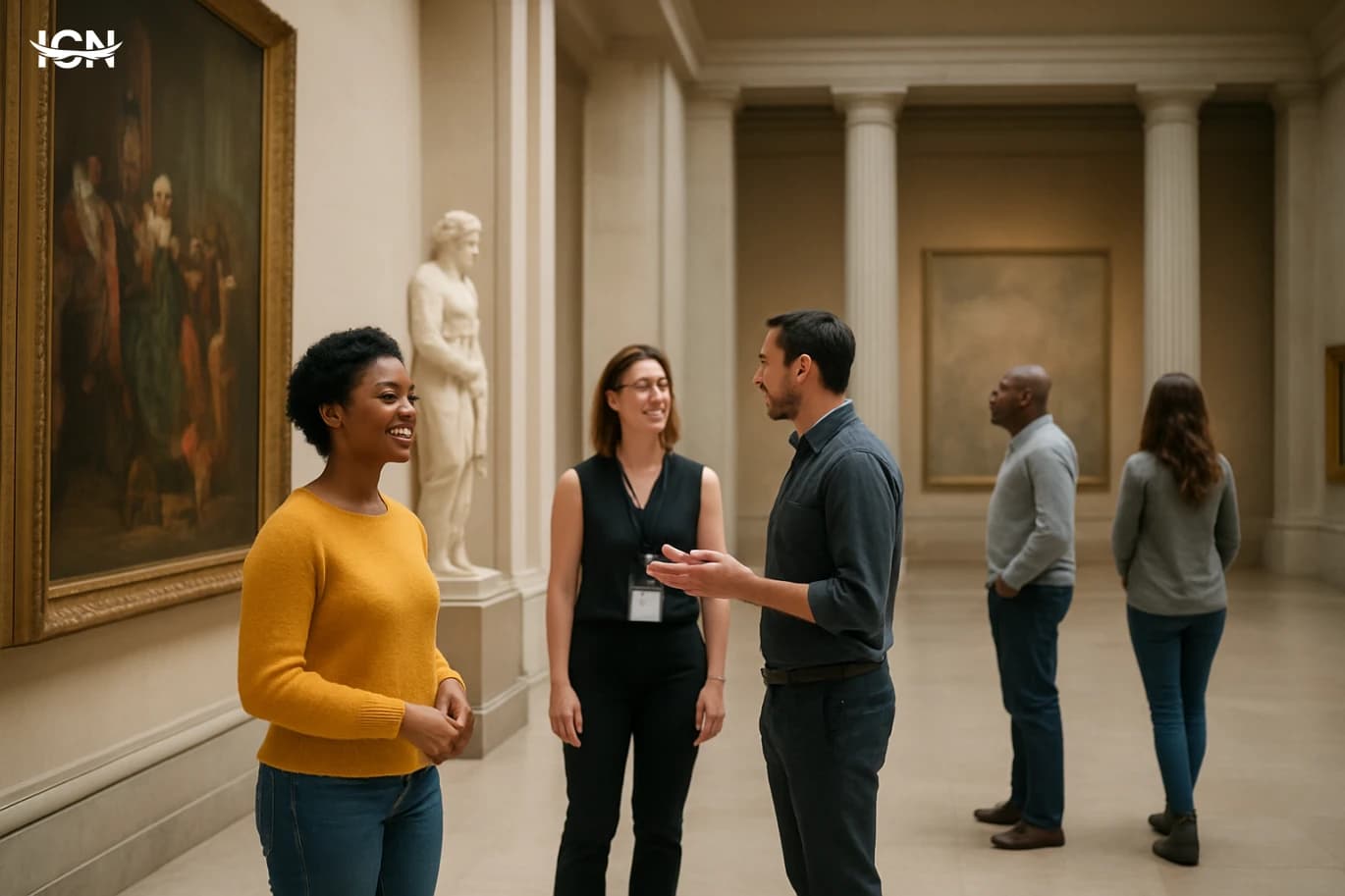
Fast change can threaten older food traditions, especially those tied to time-intensive methods. When fewer people cook at home, knowledge about fermentation, slow stews, or seasonal preserving can fade. Small family-run shops may struggle when supply chains favor large distributors and when rent increases push out long-standing tenants. Yet cities also create new preservation tools. Community cooking classes, heritage food festivals, and documentation projects can keep techniques visible and teachable. Preservation is most effective when it is practical. A city that supports affordable market stalls, clear licensing, and shared kitchen spaces makes it easier for traditional vendors to operate legally and safely. Schools and local media can highlight regional ingredients and explain how to use them in everyday meals, not only on special occasions. Consumers also play a role by choosing places that maintain craft standards, pay fair wages, and source responsibly. Urban food culture will keep changing, but it does not have to erase the past; it can integrate older practices into modern life if the city’s policies and habits make room for them.