How to train your body to hydrate before Ramadan

- Why is smart hydration crucial before Ramadan?
- The importance of pre-Ramadan hydration: The key to avoiding Ramadan fatigue
- Smart Hydration Strategy: Distribution of Water Intake
- Smart Hydration Standards: Required Quantity and Water Balance Indicators
- Moist foods: 30% of your daily water need
- Weekly Preparation for Safe Fasting: Managing Fluids and Caffeine
- FAQs and expert answers on smart hydration before Ramadan
Why is smart hydration crucial before Ramadan?
To achieve electrolyte balance and maintain digestive health, you should start preparing your body for safe and effective fasting. This is the key to getting ready for Ramadan. Remember, relying on drinking large amounts at once is ineffective; instead, water intake should be distributed throughout the day.
The importance of pre-Ramadan hydration: The key to avoiding Ramadan fatigue
These symptoms are often due to sudden dehydration, as the body is not accustomed to long periods of refraining from drinking water. Recent medical studies indicate that training the body for smart hydration before preparing for Ramadan significantly reduces thirst and headache symptoms during healthy fasting. Relying on drinking large quantities at once, whether at Iftar or Suhoor, is an ineffective strategy. Your body cannot efficiently absorb all these fluids, which increases their rapid loss and affects water balance. In short, dehydration directly affects blood circulation and brain functions. This causes difficulty in concentration, fasting headaches, and the appearance of Ramadan fatigue, hindering your daily activities. Therefore, pre-hydration is your first step towards healthy fasting and a healthy lifestyle, ensuring longer energy throughout the day.
Smart Hydration Strategy: Distribution of Water Intake
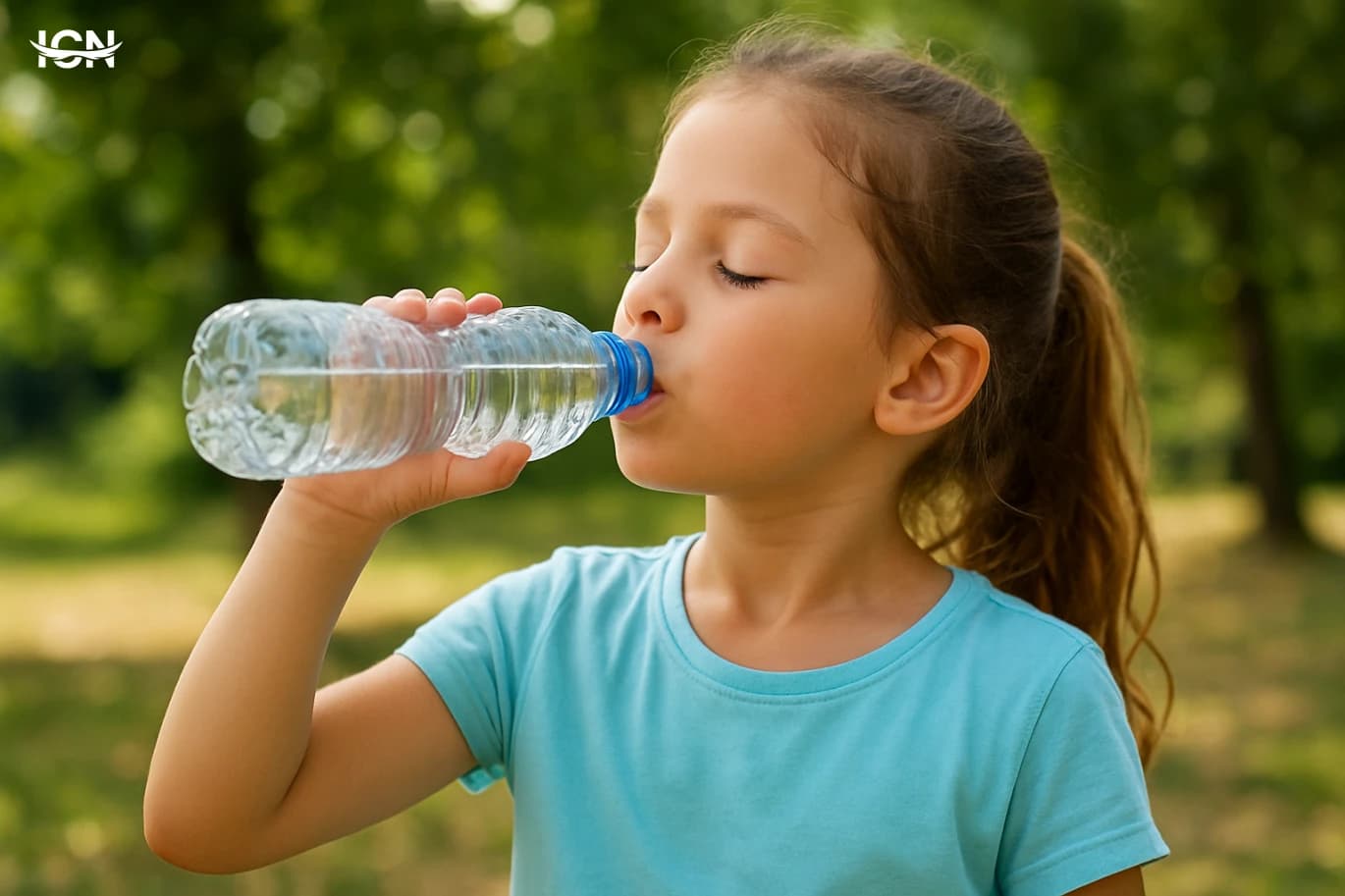
It is advised to drink a glass of water (about 250 ml) every hour or two outside fasting times. To reinforce this habit, link drinking to regular daily routines. For example, drink a glass after waking up, another before each meal, and another after each prayer. This method helps the kidneys regulate fluids and ensures the distribution of water intake as Dr. Nawar Ali suggests. The ideal quantity and natural hydration for optimal body energy should make your daily goal 8 to 10 glasses of water before Ramadan. Remember that 20% of your needs come from food. A good hydration indicator is if your urine is light yellow. This standard ensures you have successfully prepared the body for fasting and avoids severe thirst. Smart hydration isn't limited to drinking only. To reduce severe thirst, increase the proportion of water-rich foods in your diet. Cucumber, lettuce, and watermelon contribute 20-30% of your daily water needs. Body hydration training schedule (a week before Ramadan) Timing Daily goal (in cups) Notes on smart hydration: First week (current week) 8 cups (2 liters) Focus on linking drinking to regular habits to boost smart hydration. Last three days before Ramadan 10 to 12 cups Increase the proportion of water-rich foods and avoid diuretic drinks like caffeine. During Ramadan (between Iftar and Suhoor) 8 cups minimum Distribute the amount with at least one cup each hour, avoiding rapid and excessive drinking.
Smart Hydration Standards: Required Quantity and Water Balance Indicators
Maintaining water balance in your body is simple and easy. The clearest indicator of the success of your hydration plan is the color of your urine. Light yellow or clear urine is a clear sign of good hydration. If it's dark, you're experiencing dehydration symptoms and need to drink more water to avoid Ramadan fatigue and tiredness. To achieve the 20% target from water through food, focus on incorporating water-rich foods such as cucumber, lettuce, and watermelon. These foods help regulate body fluids and support a healthy life before fasting. "Hydration is not just about drinking water, but it is the art of fluid management in the body. Regular distribution ensures kidney efficiency and reduces dehydration symptoms, making you ready for healthy fasting." Dr. Nawwar Ali, Public Health Expert.
Moist foods: 30% of your daily water need
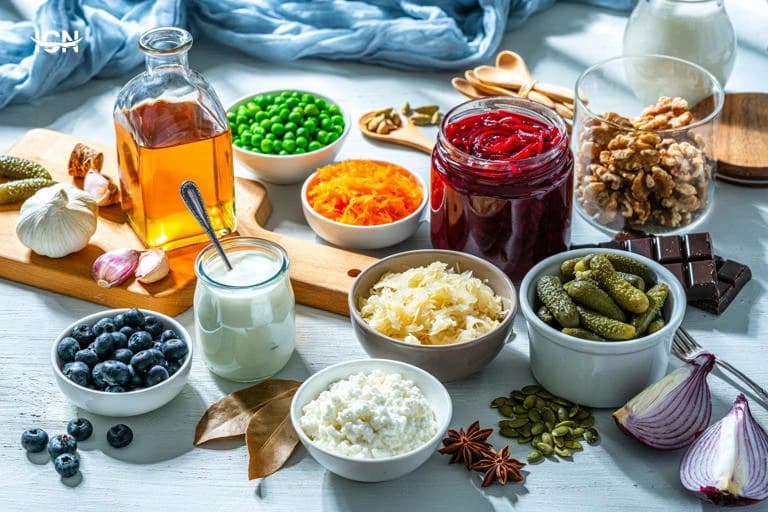
Focus should be on foods that provide essential electrolytes for electrolyte balance. This not only improves fluid physiology but also helps the digestive system to be more resilient when starting fasting, ensuring longer energy. Nutrition experts recommend increasing the consumption of hydrating fruits and vegetables at least a week before Ramadan as part of the preparation process. The best sources for enhancing natural hydration are hydrating vegetables: cucumber, lettuce, and tomatoes, which have the highest water content and help reduce fasting headache symptoms. Beneficial fruits: watermelon, melon, oranges, and strawberries. These fruits provide natural sugars that maintain the body's energy levels. Healthy drinks: Use water infused with lemon, mint, or cucumber slices to increase the desire to drink water and distribute its intake throughout the day wisely. Focusing on these foods helps in building a good water reserve, which is a crucial step in preparing the body for a healthy fast free from fatigue symptoms.
Weekly Preparation for Safe Fasting: Managing Fluids and Caffeine
Sudden cessation of caffeine causes severe withdrawal symptoms, the most notable being severe fasting headaches and Ramadan fatigue. Start now by reducing a cup daily until you reach one cup or none before the last week of Ramadan. This training ensures a comfortable preparation process for safe fasting. 2. Water intake distribution: Smart hydration strategy Did you know that drinking large amounts of water at once is ineffective? Studies in fluid physiology indicate that the kidneys quickly dispose of excess amounts, reducing the benefit of hydration. To train the body to drink water intelligently, water intake should be distributed. Adopt a system of a cup of water every hour or two to distribute water intake, linking drinking to consistent habits like after waking up and after prayer. The ideal amount recommended by nutrition experts is 8 to 12 cups of water daily, remembering that 20% of your needs come from hydrating foods. 3. Avoid foods that increase thirst and severe hunger Salty and overly processed foods should be avoided. Salty foods increase the need for water and contribute to severe thirst during fasting, disrupting electrolyte balance. It's also advised to avoid fried foods as they cause indigestion and add burden to the digestive system, consuming body energy and causing Ramadan fatigue. Adopting a healthy lifestyle now ensures you have longer and better energy during fasting. This is an essential part of health education that precedes preparation for Ramadan. Adjusting sleep and physical activity schedules is also necessary to prepare the body for fasting, ensuring fasting free of dehydration symptoms.
FAQs and expert answers on smart hydration before Ramadan
What are the signs of mild dehydration to watch out for? Symptoms of dehydration include dry mouth, feeling of Ramadan fatigue or lethargy, concentrated dark urine, and fasting headache. These are all warning signs that must be addressed immediately with smart hydration. Do sugary drinks like juices compensate for water? No, on the contrary. Sugary drinks may increase the feeling of extreme thirst and cause a rapid rise in blood sugar, which harms healthy fasting and leads to rapid fluid loss. The best is pure water and natural herbal infusions. How does hydration help in reducing severe hunger? The body sometimes confuses thirst signals with hunger. When you are well hydrated, false severe hunger signals decrease, ensuring you have extended energy during the fasting period and improving overall body energy. What is the ideal amount of water and how do I monitor hydration? To ensure preparation for safe fasting, you should aim to drink between 8 to 12 cups of water daily during the pre-Ramadan period. Remember that 20% of your need comes from foods. One of the main monitoring criteria emphasized by health and nutrition experts is the color of urine. If it's light yellow, this is a sign of ideal fluid balance. Effective hydration strategies: Distributing water and fluid-rich foods to achieve smart hydration, you should distribute water intake throughout waking hours. It is advised to associate drinking with steady habits: a cup after waking up, a cup before each meal, and a cup after every prayer. Also, incorporating water-rich foods is essential. Foods like cucumber, lettuce, and watermelon contribute 20-30% of your daily water need, which enhances natural hydration and helps avoid thirst. Preparing for Ramadan is an integrated process that starts with smart hydration. Experts like Dr. Magdy Samaha pointed out the importance of this pre-training. Start today by implementing a smart water drinking strategy. When you enter the holy month with an ideal fluid balance, you'll find that healthy fasting becomes much easier. Prepare yourself for 2026 with a healthy and active lifestyle, and avoid Ramadan fatigue and extreme thirst.