How to protect yourself from the harmful effects of heat waves
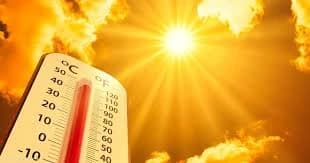
To protect yourself from the harmful effects of heat waves, it's important to combine physical cooling, avoid direct exposure, and replenish fluids, as high temperatures can cause heat exhaustion or heatstroke. Here are some practical steps:
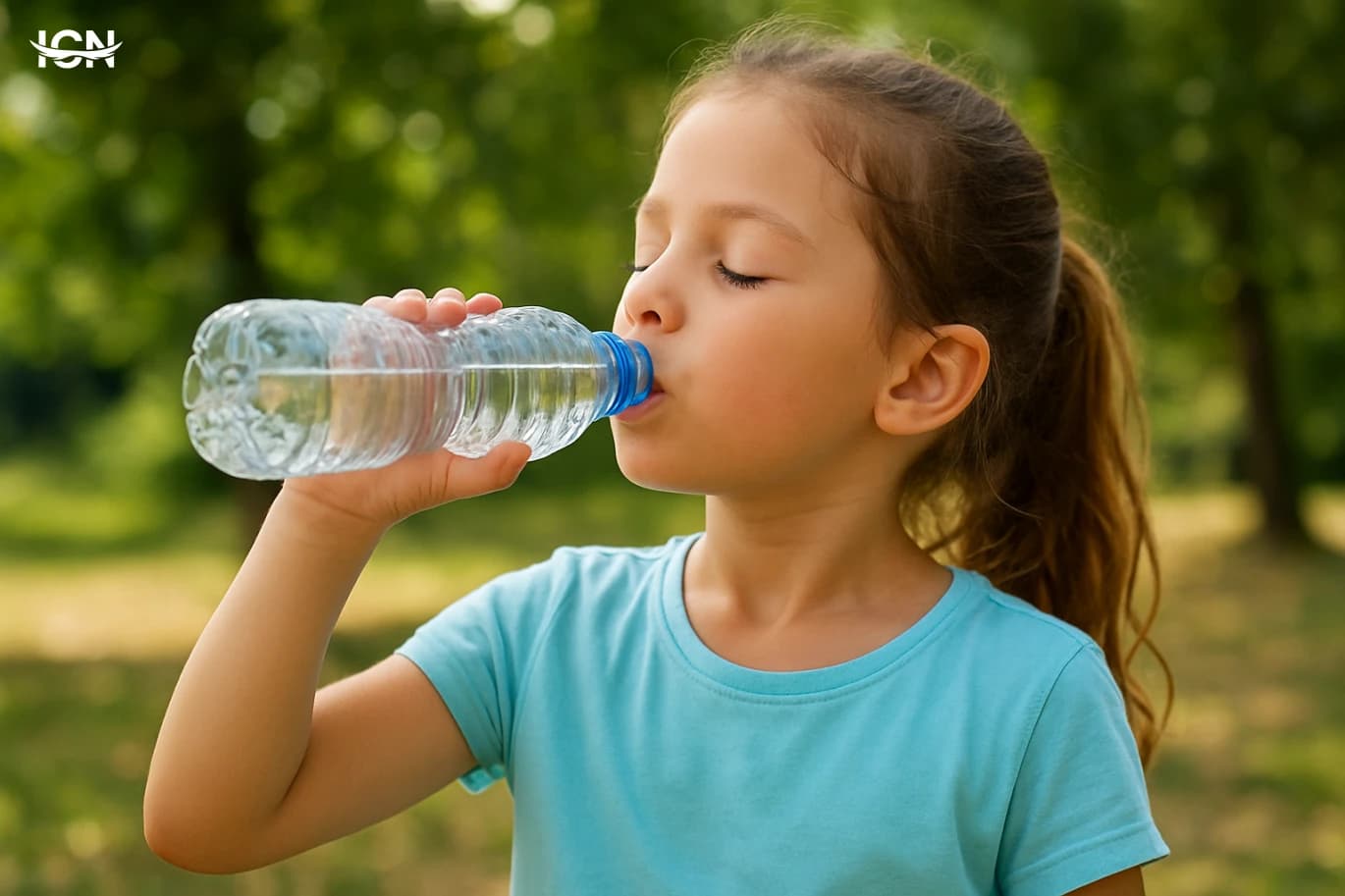
1. Avoid direct sun exposure during peak hours Try to stay in the shade or indoors between 11 a.m. and 4 p.m., when the sun's rays are strongest. If you must go outside, wear a wide-brimmed hat, sunglasses, and sunscreen with an SPF of at least 30. 2. Dress appropriately Choose light-colored, loose-fitting cotton or linen fabrics to allow air circulation. Avoid dark colors, as they absorb more heat. 3. Drink plenty of fluids Water is the best option; drink even if you don't feel thirsty. Avoid caffeine, carbonated drinks, and alcoholic beverages, as they can increase dehydration. In very hot weather, lost salts can be replenished with drinks containing salts and minerals (such as coconut water or rehydration solutions). 4. Keep your home cool Use curtains or blinds on windows during the day. Turn on fans or air conditioners, preferably early in the morning and evening. 5. Cool Your Body When Needed Take a lukewarm shower or apply cold compresses to your neck, wrists, and underarms. Wet a cloth with cold water and place it on your forehead. 6. Monitor for Serious Symptoms If you experience dizziness, severe headache, rapid heartbeat, nausea, or cramps, these could be signs of heat exhaustion or heatstroke. You should cool your body quickly and seek immediate medical help. Remember: The most at-risk groups are the elderly, children, those with heart disease or diabetes, and those working in the sun.
- <p>1. Avoid direct sun exposure during peak hours</p><p><br></p><p>Try to stay in the shade or indoors between 11 a.m. and 4 p.m., when the sun's rays are strongest.</p><p><br></p><p>If you must go outside, wear a wide-brimmed hat, sunglasses, and sunscreen with an SPF of at least 30.</p><p><br></p><p>2. Dress appropriately</p><p><br></p><p>Choose light-colored, loose-fitting cotton or linen fabrics to allow air circulation.</p><p><br></p><p>Avoid dark colors, as they absorb more heat.</p><p><br></p><p>3. Drink plenty of fluids</p><p><br></p><p>Water is the best option; drink even if you don't feel thirsty.</p><p><br></p><p>Avoid caffeine, carbonated drinks, and alcoholic beverages, as they can increase dehydration.</p><p><br></p><p>In very hot weather, lost salts can be replenished with drinks containing salts and minerals (such as coconut water or rehydration solutions).</p><p><br></p><p>4. Keep your home cool</p><p><br></p><p>Use curtains or blinds on windows during the day.</p><p><br></p><p>Turn on fans or air conditioners, preferably early in the morning and evening.</p><p><br></p><p>5. Cool Your Body When Needed</p><p><br></p><p>Take a lukewarm shower or apply cold compresses to your neck, wrists, and underarms.</p><p><br></p><p>Wet a cloth with cold water and place it on your forehead.</p><p><br></p><p>6. Monitor for Serious Symptoms</p><p><br></p><p>If you experience dizziness, severe headache, rapid heartbeat, nausea, or cramps, these could be signs of heat exhaustion or heatstroke. You should cool your body quickly and seek immediate medical help.</p><p><br></p><p>Remember: The most at-risk groups are the elderly, children, those with heart disease or diabetes, and those working in the sun.</p>