How the Renaissance Remade Europe
- What the Renaissance Was
- Italian City-States and Patronage
- Art, Architecture, and New Techniques
- Humanism, Education, and Politics
- Printing, Science, and Global Connections
- bookmark
What the Renaissance Was
The Renaissance was a broad cultural and intellectual movement that reshaped parts of Europe from roughly the 14th to the 17th centuries. It did not begin everywhere at once, and it unfolded differently across cities and kingdoms, but it shared a recognizable set of priorities: renewed interest in classical Greek and Roman learning, a growing confidence in human reason and observation, and new ways of funding and circulating art and ideas. The term “Renaissance” is often associated with Italy, especially Florence, Venice, and Rome, where wealthy merchant families, banking networks, and civic institutions supported artists, architects, and scholars. Rather than a clean break from the Middle Ages, the period built on earlier developments such as medieval universities, legal scholarship, and long-distance trade. What changed was the scale and visibility of cultural production, along with the methods used to study texts, nature, and society. Humanist scholars emphasized grammar, rhetoric, history, poetry, and moral philosophy, and they pursued more accurate editions of ancient works by comparing manuscripts. This approach influenced education, politics, and even diplomacy, as elites increasingly valued persuasive writing and historical precedent.
Italian City-States and Patronage
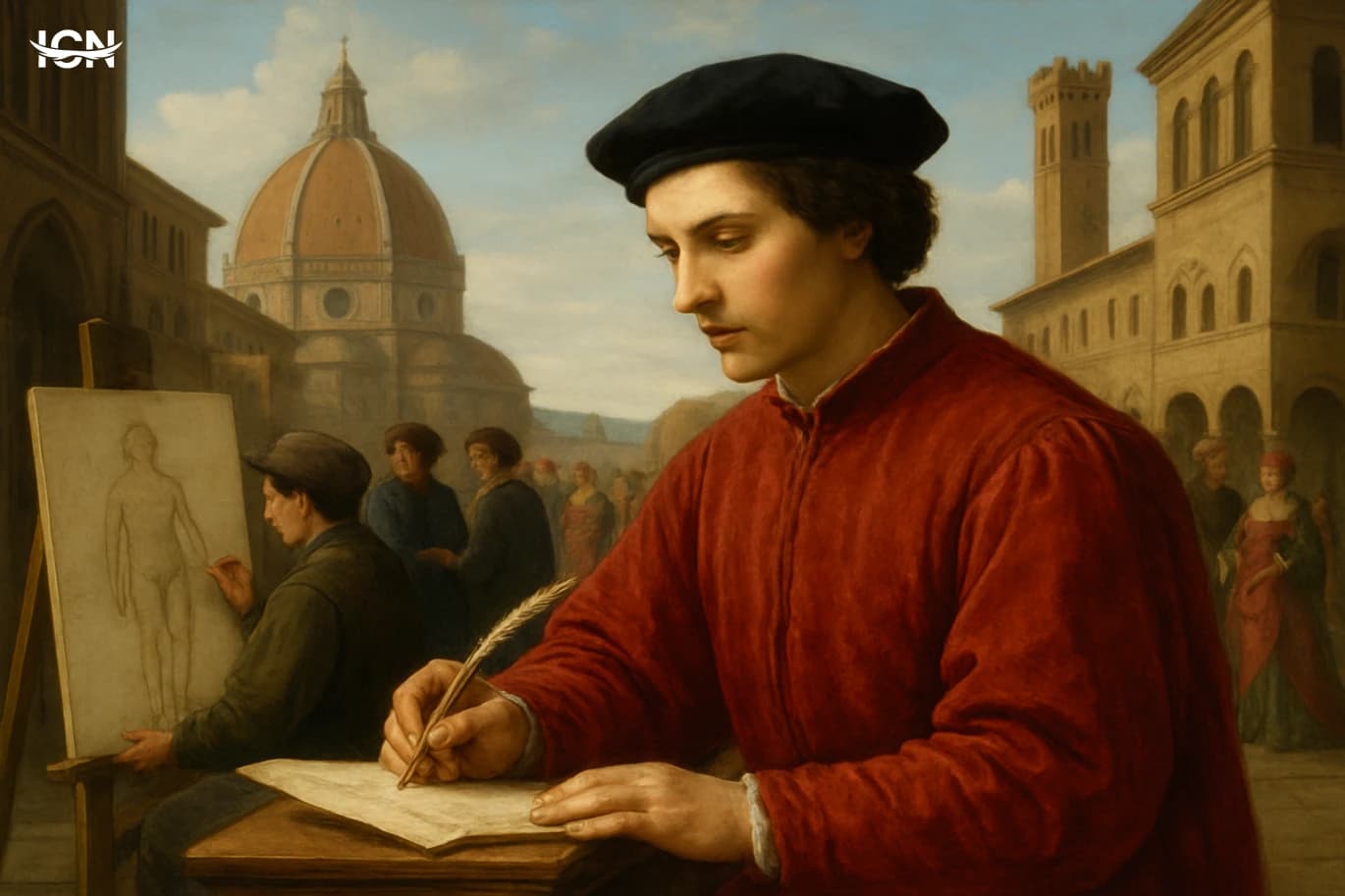
Italian city-states provided the Renaissance with its early infrastructure. Florence’s economy relied on textiles and banking, and families such as the Medici used wealth to sponsor churches, public buildings, and workshops. Patronage was not only personal taste; it was also political messaging. Commissioning a chapel, a statue, or a civic façade signaled legitimacy, piety, and status. Venice, with its maritime empire and printing industry, became a hub for trade in books as well as goods. Rome, especially under ambitious popes, invested heavily in architecture and visual culture to project authority. Workshops functioned as training centers and small businesses. Apprentices learned drawing, pigment preparation, stone carving, and metalwork, and they absorbed practical geometry used in architecture and perspective. Contracts often specified materials, deadlines, and even the amount of gold leaf, showing how art was tied to accounting and procurement. Competition between patrons and cities helped raise standards and encouraged experimentation, from new building techniques to more naturalistic depiction of the human body.
Art, Architecture, and New Techniques
Renaissance art is often summarized by realism, perspective, and classical forms, but these were achieved through specific technical and institutional changes. Linear perspective, associated with experiments in early 15th-century Florence, offered a systematic way to represent space on a flat surface. Artists also studied anatomy more carefully, improving proportion and movement. Oil painting, developed and refined in Northern Europe and widely adopted elsewhere, allowed richer color, smoother blending, and greater detail than many earlier tempera methods. Architecture drew on ancient Roman models such as columns, domes, and symmetrical plans, but it adapted them to new urban needs. The period produced redesigned churches, civic buildings, and private palaces that emphasized balance and clear geometry. Sculpture returned to freestanding forms and public display, often portraying civic heroes, religious figures, and patrons. These works were not only aesthetic objects; they shaped how communities understood power, faith, and identity in public spaces.
Humanism, Education, and Politics
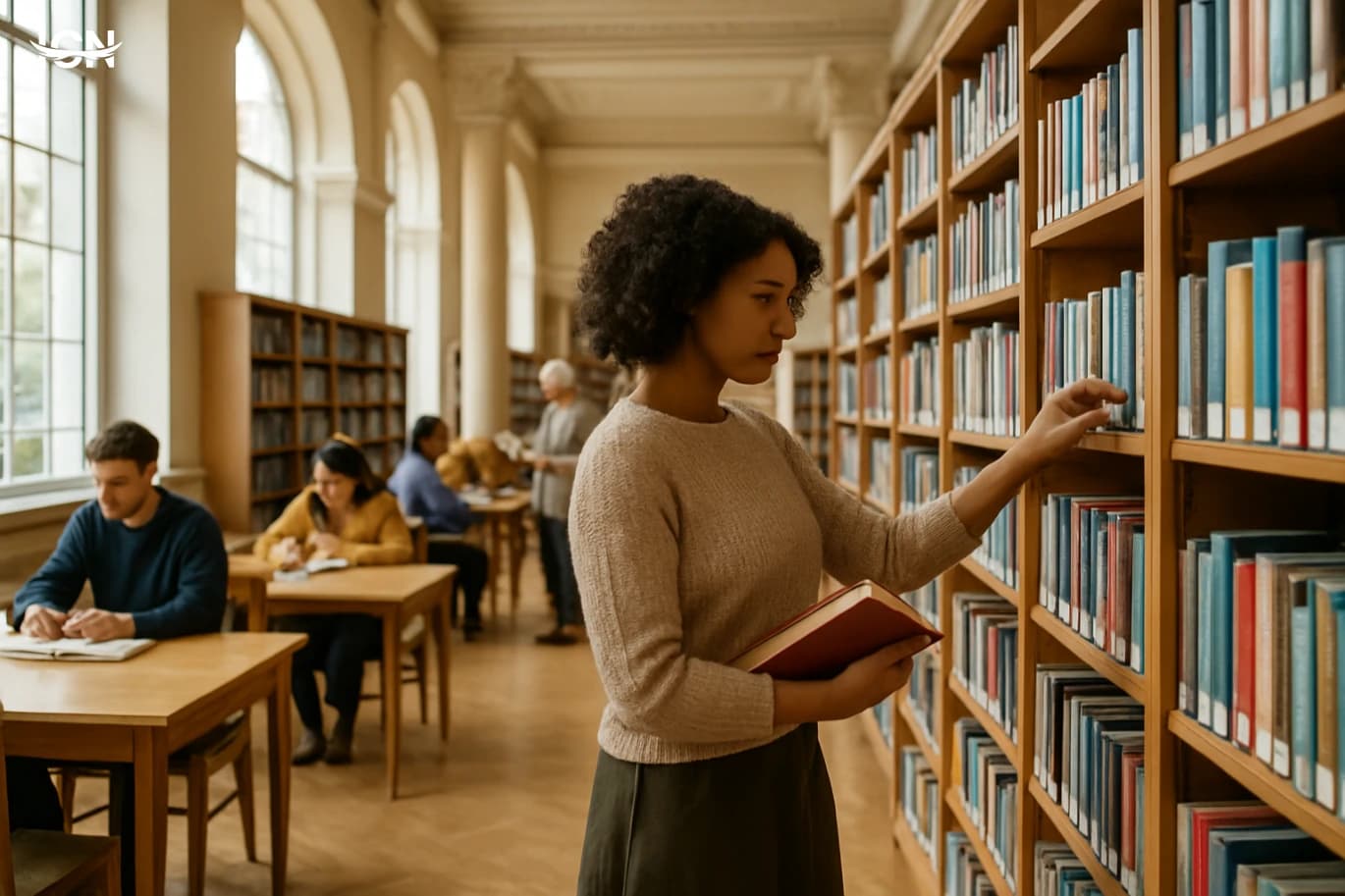
Humanism was a central intellectual engine of the Renaissance. Humanists promoted the studia humanitatis—subjects aimed at forming capable public figures through language, history, and moral reasoning. They collected manuscripts, corrected texts, and argued that clear writing and critical reading mattered for civic life. This approach influenced schools and courts, where secretaries, diplomats, and advisers were expected to write persuasive letters and speeches. Politics in the period was shaped by intense rivalry among city-states and emerging monarchies. Thinkers analyzed power in more pragmatic terms, drawing lessons from Roman history and contemporary conflicts. The growth of bureaucracies increased demand for educated administrators, while the spread of vernacular literature broadened audiences beyond Latin readers. At the same time, the Renaissance was not uniformly tolerant; debates over religion and authority could be sharp, and intellectual freedom depended heavily on local conditions and patron protection.
Printing, Science, and Global Connections
The spread of printing in the 15th century transformed how knowledge moved. Printed books reduced the cost of copying, increased consistency, and allowed ideas to circulate across borders faster than manuscript culture. Printers developed networks linking authors, editors, and booksellers, and cities with strong commercial ties became information hubs. This shift supported religious debate, technical manuals, and the standardization of reference works. Renaissance science was not a single revolution, but it featured growing emphasis on observation, measurement, and the comparison of sources. Advances in astronomy, cartography, and engineering were tied to navigation and warfare as well as curiosity. European expansion and trade brought new plants, commodities, and reports about distant societies, forcing scholars to reconcile classical authorities with new evidence. These global connections also carried violence and exploitation, including the growth of Atlantic slavery, reminding readers that cultural flourishing coexisted with harsh economic systems.
bookmark
The Renaissance emerged through specific urban economies, patronage systems, and educational reforms rather than a sudden cultural awakening. Italy’s city-states provided early momentum, while Northern Europe strengthened publishing, oil painting, and broader literacy. Humanism reshaped schooling and public administration by prioritizing language, history, and critical reading. New artistic techniques such as linear perspective and refined oil methods changed visual standards, and architecture adapted classical forms to modern civic needs. Printing accelerated the spread of ideas, while science and cartography advanced through observation and practical demands like navigation. The period also expanded Europe’s global reach, bringing new knowledge alongside coercive systems, including colonial extraction and slavery. Understanding the Renaissance requires holding these elements together: innovation in art and learning, institutional support from patrons and states, and the wider economic and geopolitical forces that shaped what could be produced and who benefited.