How Retailers Rebuilt Loyalty Programs for 2026
- Why loyalty programs changed so fast
- From points to instant value
- Data, privacy, and the new bargain
- Personalization that actually works
- Paid membership and subscription bundles
- What brands should measure next
Why loyalty programs changed so fast
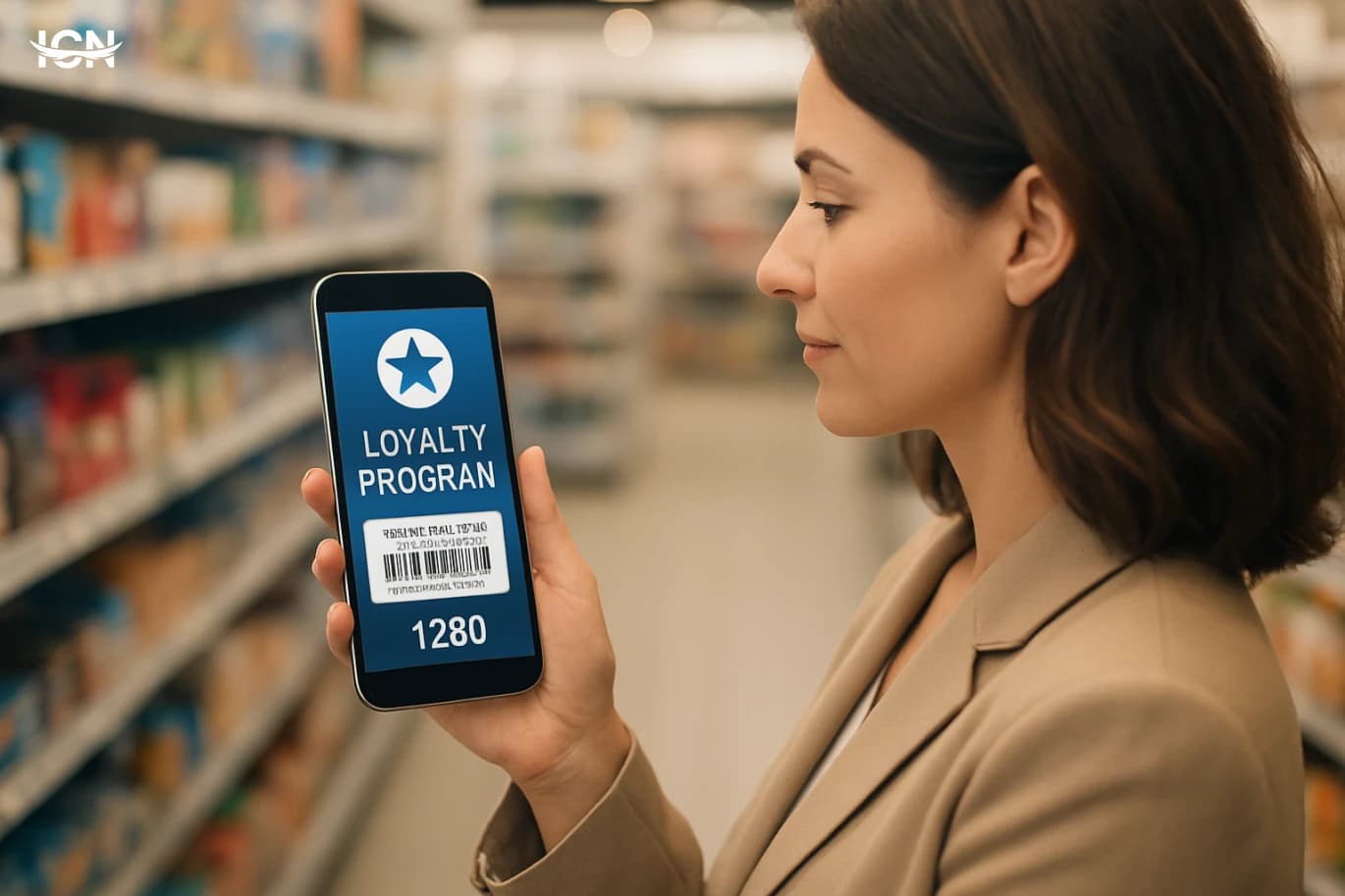
Between 2022 and 2026, loyalty programs shifted from simple points-for-purchases into full customer relationship systems. Inflation pushed shoppers to compare prices more aggressively, while supply chain volatility made promotions harder to plan months in advance. At the same time, mobile wallets and retailer apps became the default way many customers track offers, receipts, and returns. Brands and retailers responded by redesigning loyalty to deliver immediate value, not just future discounts. A major driver was the rising cost of acquiring new customers through paid social and search, which made retention economics more attractive. Retailers also faced a more fragmented audience: some customers wanted premium perks, others wanted basic savings, and many wanted both depending on the month. The result was a move toward flexible programs that can change benefits quickly, personalize offers, and connect online and in-store behavior into one profile.
From points to instant value
The most visible change is the decline of “earn points, redeem later” as the only mechanic. Retailers increasingly mix points with instant benefits such as member-only prices, automatic coupons at checkout, free delivery thresholds, and extended return windows. This approach reduces friction: customers do not need to remember to redeem, and the perceived value appears on the receipt immediately. Many programs now use tiered structures that reward frequency and basket size, but they also add “soft benefits” that cost less than blanket discounts. Examples include early access to limited drops, priority customer service, free alterations, or a monthly gift. Grocery and mass retailers have leaned into fuel discounts, pharmacy perks, and bundled subscriptions that combine streaming or delivery with shopping benefits. The strategic goal is to make membership feel like a utility rather than a promotional game.
Data, privacy, and the new bargain
Loyalty programs have always been about data, but the 2026 version is more explicit about the trade. Retailers ask customers to share purchase history, location permissions, and communication preferences in exchange for better prices and convenience. At the same time, privacy regulation and platform changes reduced third-party tracking, making first-party data from loyalty accounts more valuable. Leading companies are tightening consent flows, clarifying what data is collected, and offering granular controls for email, SMS, and app notifications. Some brands are experimenting with “privacy-forward” loyalty that provides baseline benefits without requiring extensive profiling, then offers extra perks if customers opt in to personalization. The operational challenge is governance: data quality, identity resolution across devices, and secure integrations with payment providers and customer service systems. Programs that mishandle privacy or spam members tend to see higher churn and lower engagement, even if discounts are generous.
Personalization that actually works
Retailers learned that personalization is not just recommending products; it is deciding which benefit to show, when, and through which channel. Effective programs use a small set of signals—recency, frequency, average basket, category affinity, and price sensitivity—to tailor offers without becoming unpredictable. For example, a household that buys baby products regularly may receive consistent diaper bundles and pharmacy credits, while a seasonal shopper may get reminders tied to holidays and local weather. The best-performing loyalty teams also test aggressively. They run A/B experiments on offer types, minimum spend thresholds, and message timing, then measure incremental lift rather than raw redemption. Many brands now connect loyalty to customer service: if a member has a delayed delivery or a return issue, the system can automatically issue a goodwill credit or free shipping on the next order. This turns loyalty into a recovery tool, not just a marketing channel.
Paid membership and subscription bundles
A defining trend is the growth of paid loyalty tiers that resemble subscriptions. Instead of relying solely on margin-eroding discounts, retailers charge an annual or monthly fee and return value through shipping, exclusive pricing, and partner benefits. This model works best when the retailer can deliver frequent, measurable savings—especially in categories with repeat purchases such as grocery, beauty, and household essentials. Companies are also bundling loyalty with third-party services to raise perceived value without matching the full cost internally. Examples include partnerships with delivery platforms, travel rewards, or entertainment subscriptions. The risk is overpromising: if delivery speed, inventory availability, or customer support fails, paid members react more strongly because they feel they purchased a service level. Successful brands set clear terms, publish benefit calculators, and use onboarding journeys that show members how to activate and use perks in the first 30 days.
What brands should measure next
By 2026, the key question is not how many members a program has, but how the program changes behavior. Brands are prioritizing metrics such as incremental revenue per member, retention by cohort, share of wallet within core categories, and the cost-to-serve for different tiers. They also track engagement quality: app opens that lead to purchases, offer views that convert, and customer service interactions resolved on first contact. Operationally, companies are investing in cleaner data pipelines, real-time decisioning, and fraud controls to prevent points abuse and account takeovers. They are also aligning loyalty with merchandising so that offers support inventory goals rather than conflicting with them. The next wave of loyalty winners will be the brands that treat the program as a product: continuously improved, financially accountable, and designed around clear customer jobs such as saving time, reducing uncertainty, and getting consistent value.