How Retailers Build Trust in Private Labels
- Why Private Labels Are Growing
- Quality Signals Customers Notice
- Sourcing and Supplier Partnerships
- Pricing Without Undermining Confidence
- Digital Reviews and In-Store Experience
- What to Watch Next
Why Private Labels Are Growing
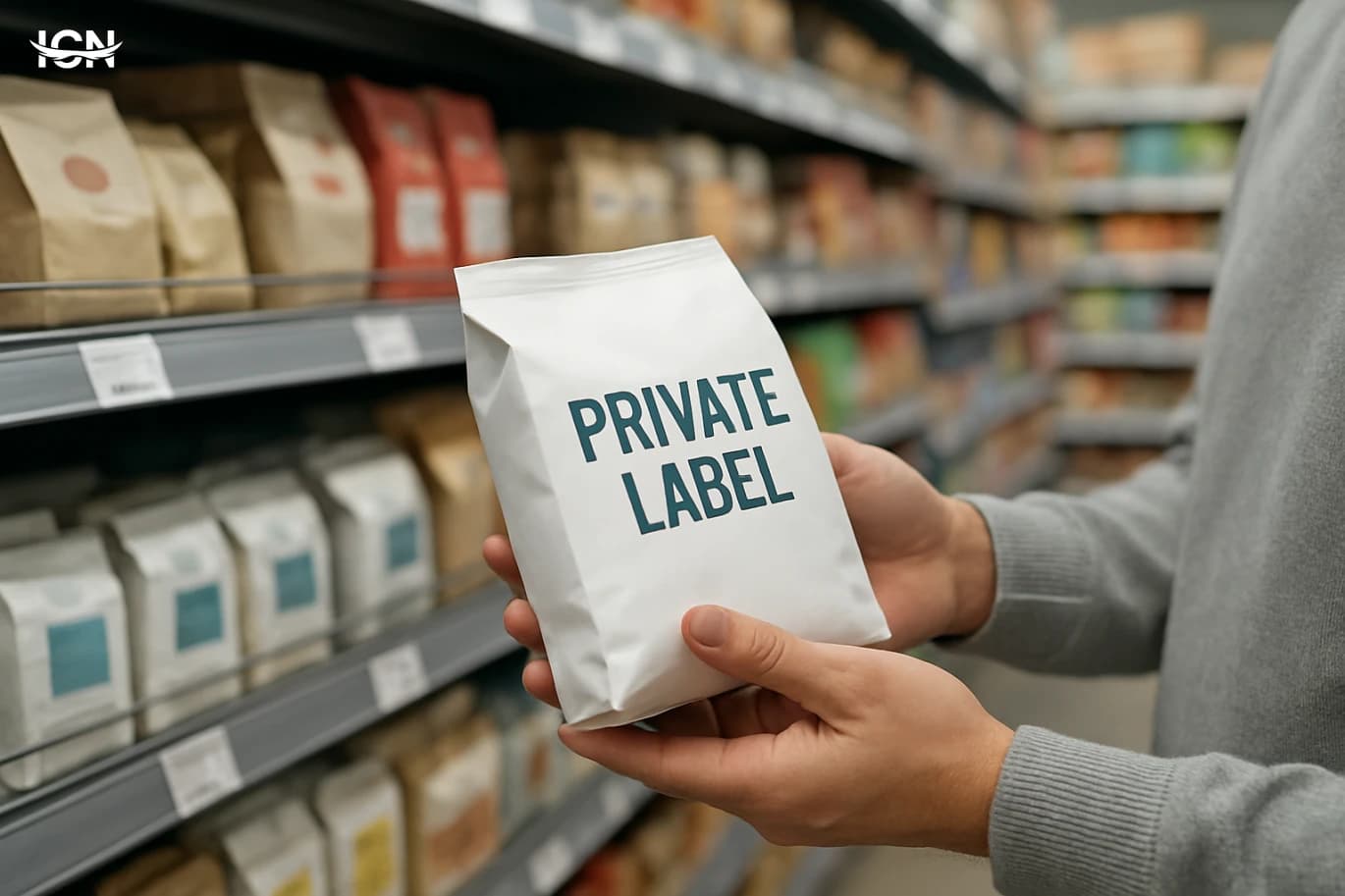
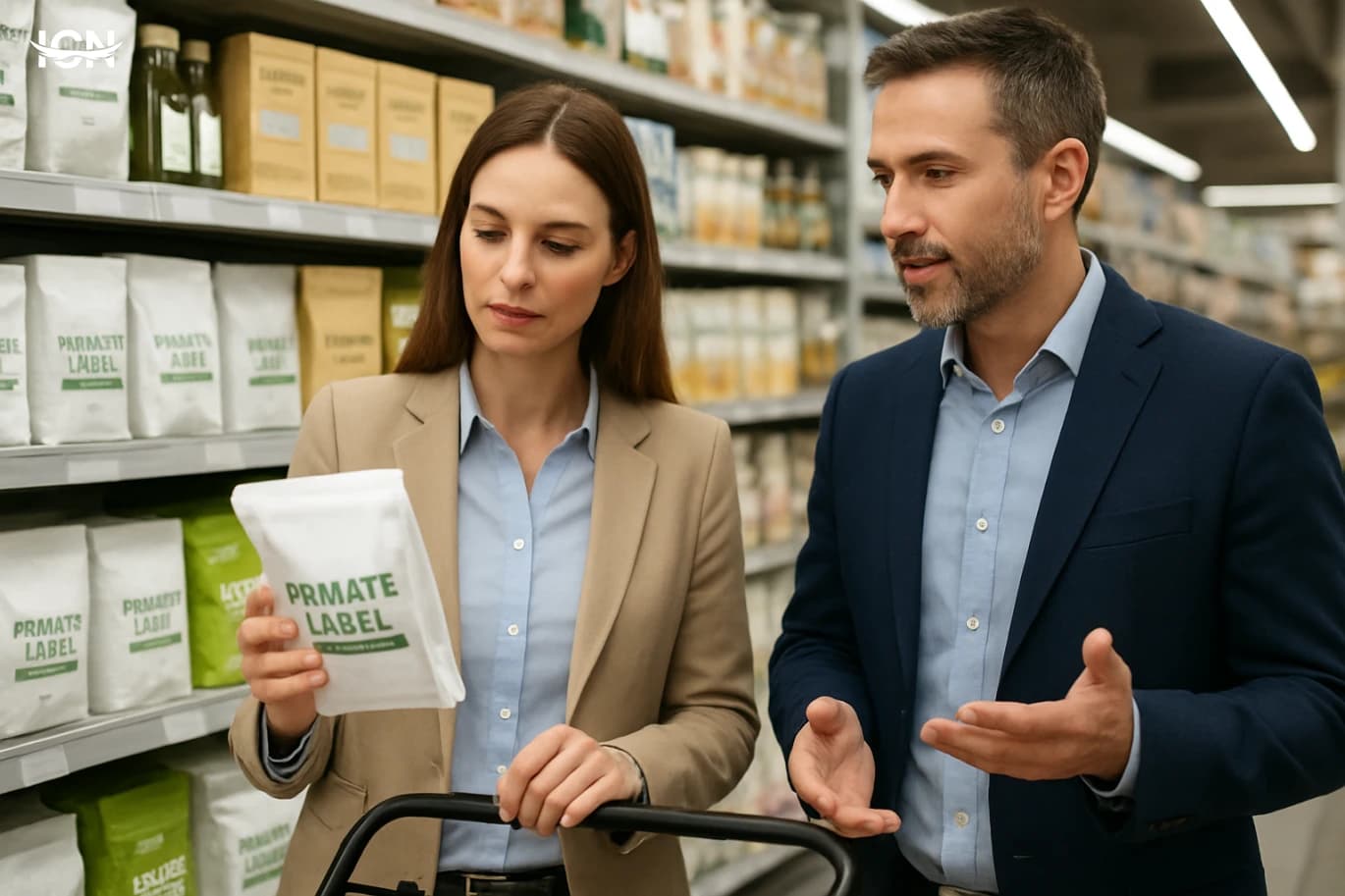
Private-label products have moved far beyond “cheap alternatives.” In many grocery, pharmacy, and household categories, retailers now treat their own brands as strategic assets that can lift margins, differentiate the store, and control the customer experience end to end. The growth is also tied to data: retailers see what sells, at what price points, and which features customers actually use, allowing them to design products with fewer guesses than many manufacturers. This shift is visible in shelf space and marketing. Store brands are increasingly placed at eye level, packaged with modern design, and supported with clear claims such as ingredient standards, sustainability certifications, or performance benchmarks. Retailers also use loyalty programs and digital channels to test new items quickly, then scale winners across regions. The result is a competitive landscape where private labels can compete on quality, not only price, and where trust becomes the deciding factor for repeat purchases.
Quality Signals Customers Notice
Trust starts with signals that are easy to verify in a few seconds. Packaging clarity is one of the strongest: readable labels, transparent ingredient lists, and straightforward usage instructions reduce uncertainty. Retailers that standardize packaging across a private-label range—while still differentiating sub-lines like “value,” “core,” and “premium”—help customers understand what they are buying without needing to compare every detail. Consistency matters more than a single standout product. Customers judge a private label by whether the pasta cooks the same way every time, whether the detergent performs across water types, or whether the snack tastes identical from one batch to the next. Retailers build these signals through supplier qualification, process controls, and routine product testing. Some publish comparative tests against national brands or provide satisfaction guarantees. Even small touches, such as clear allergen statements, batch codes, and customer service contact details, act as credibility markers that reduce perceived risk.
Sourcing and Supplier Partnerships
Behind every private-label item is a network of manufacturers, ingredient suppliers, packaging providers, and logistics partners. Retailers that want long-term trust typically avoid purely transactional sourcing. Instead, they build multi-year partnerships with factories that can meet defined specifications, comply with audits, and scale production without compromising quality. A common approach is to set a “product brief” that includes target performance, ingredient or material standards, shelf-life expectations, and acceptable variability. Retailers may require third-party certifications for food safety, environmental management, or social compliance, and they often conduct their own inspections. Importantly, good partnerships also include feedback loops: returns data, customer reviews, and complaint patterns are shared with suppliers to fix root causes. When a retailer can show that it actively manages its supply chain—rather than simply putting its logo on a generic product—customers are more likely to treat the private label as a reliable choice.
Pricing Without Undermining Confidence
Price is a major reason customers try private labels, but pricing that looks “too cheap” can trigger doubts about quality. Retailers manage this by using clear tiering. A value tier competes on affordability with basic specifications, a core tier targets everyday reliability, and a premium tier offers distinctive ingredients, better materials, or specialized features. This structure helps customers match expectations to price rather than assuming all store-brand items are the same. Promotions also need discipline. Frequent deep discounts can train shoppers to wait and can signal that the product is not worth its regular price. Many retailers instead use targeted offers through loyalty apps, bundle deals, or limited-time trials for new launches. Another trust-building tactic is transparent comparison: showing unit price, pack size, and key attributes side by side with national brands. When customers can see the value equation clearly, they are more comfortable switching, and the private label becomes part of the normal shopping basket rather than a one-off experiment.
Digital Reviews and In-Store Experience
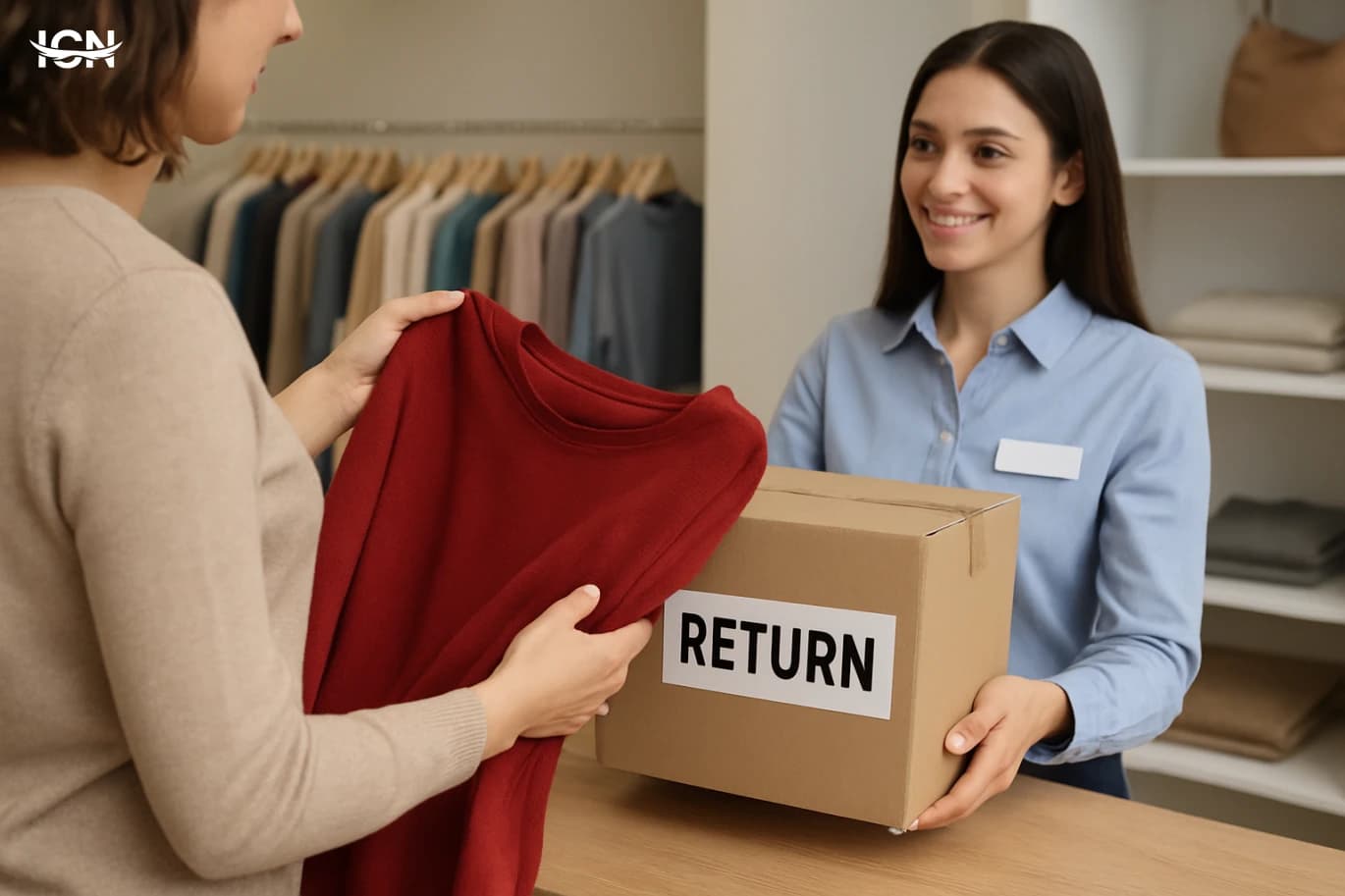
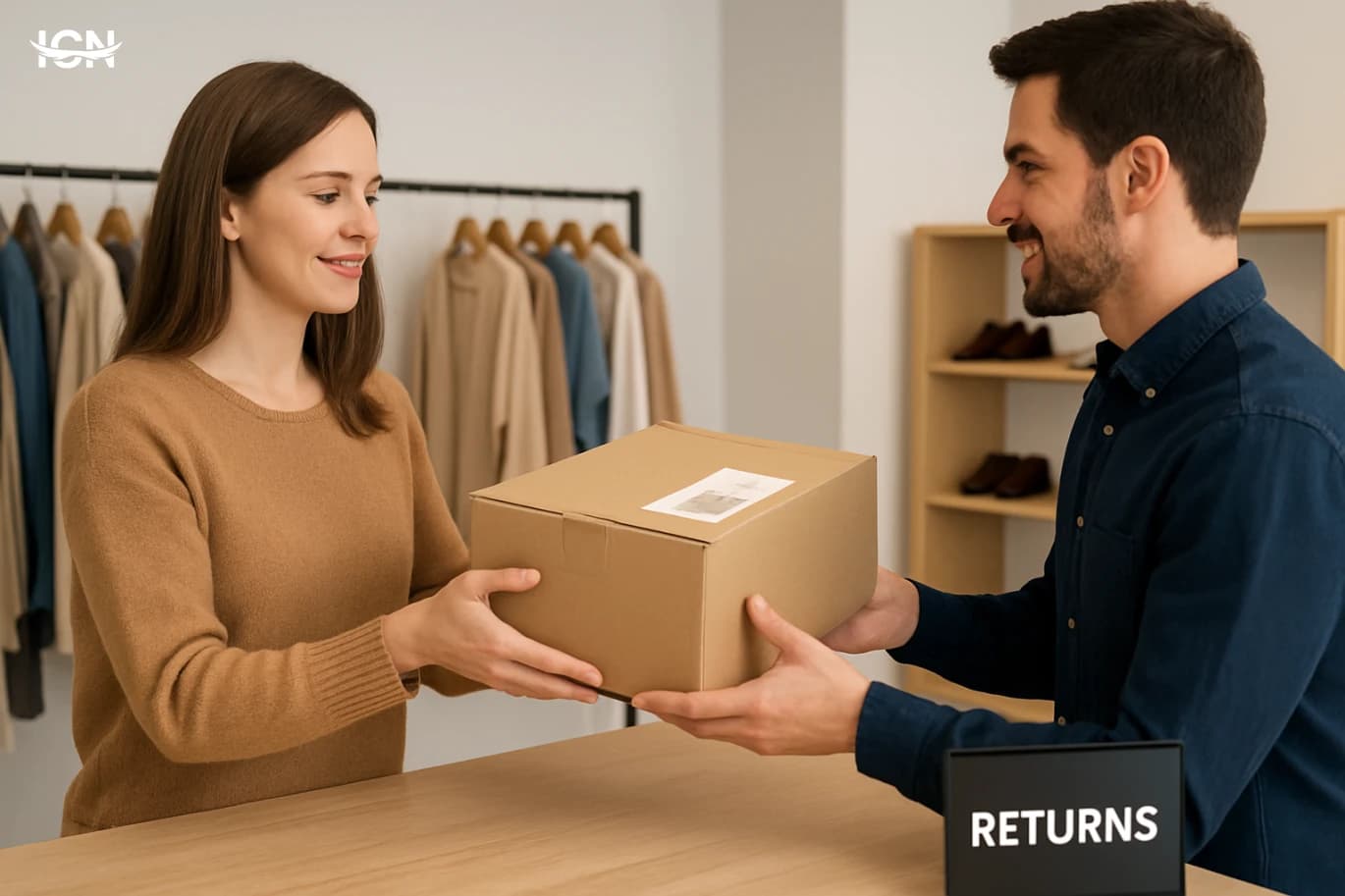
Private labels increasingly win or lose on digital proof. Ratings, written reviews, and Q&A sections provide social validation that a store brand performs as promised. Retailers that actively moderate reviews—removing spam but keeping critical feedback—signal transparency. They also use review insights to refine formulas, adjust sizing, or improve packaging. Some add “verified purchase” tags, publish response times for customer service, or highlight common questions with clear answers. In-store experience completes the trust cycle. Sampling stations, clear shelf tags, and simple signage that explains what makes a product different can reduce hesitation. Staff training matters in categories where customers ask for guidance, such as baby care, health-related items, or specialized cleaning products. Retailers also build confidence through easy returns and consistent availability; if a customer likes a private-label item but cannot find it again, trust erodes quickly. The strongest programs connect online and offline: the app shows stock levels, suggests complementary items, and stores receipts for hassle-free returns.
What to Watch Next
The next phase of private-label competition will likely focus on proof, not promises. Expect more retailers to publish measurable standards: ingredient sourcing rules, performance test results, and clearer sustainability metrics tied to packaging and logistics. Technology will also shape trust-building, from QR codes that show origin and batch information to improved demand forecasting that reduces out-of-stocks. Another trend is specialization. Instead of one broad store brand, retailers are launching focused sub-brands aimed at specific needs such as low-sugar snacks, sensitive-skin personal care, or eco-friendly home products. This can strengthen trust if the positioning is backed by consistent quality and honest communication. For customers, the practical takeaway is simple: the most reliable private labels are those that behave like accountable brands—offering consistent performance, transparent information, responsive support, and a clear reason to exist beyond being cheaper.