How Retail Brands Build Trust With Returns

- Why returns became a brand promise
- The policy details customers actually notice
- Operations behind a smooth return experience
- How brands limit abuse without losing goodwill
- Measuring success beyond return rate
- What a strong returns strategy looks like
Why returns became a brand promise
Returns used to be treated as a back-office cost, but in modern retail they function as a public promise that shapes whether customers buy at all. When shoppers cannot touch a product before purchase, the return policy becomes the substitute for certainty, especially for apparel, electronics accessories, and home goods. Brands that communicate clear, fair rules reduce perceived risk and raise conversion rates, while vague or restrictive policies push customers to marketplaces that feel safer. This shift is measurable in how brands allocate resources. Customer service scripts, packaging design, and post-purchase emails now include return guidance as a core message rather than an afterthought. Many companies also track “policy comprehension” through support tickets and website behavior, because confusion is often interpreted as friction or distrust. In practice, a return policy is not only about refunds; it signals how a company handles mistakes, quality variation, and customer expectations. That signal can be stronger than advertising when customers compare similar products across competing brands.
The policy details customers actually notice
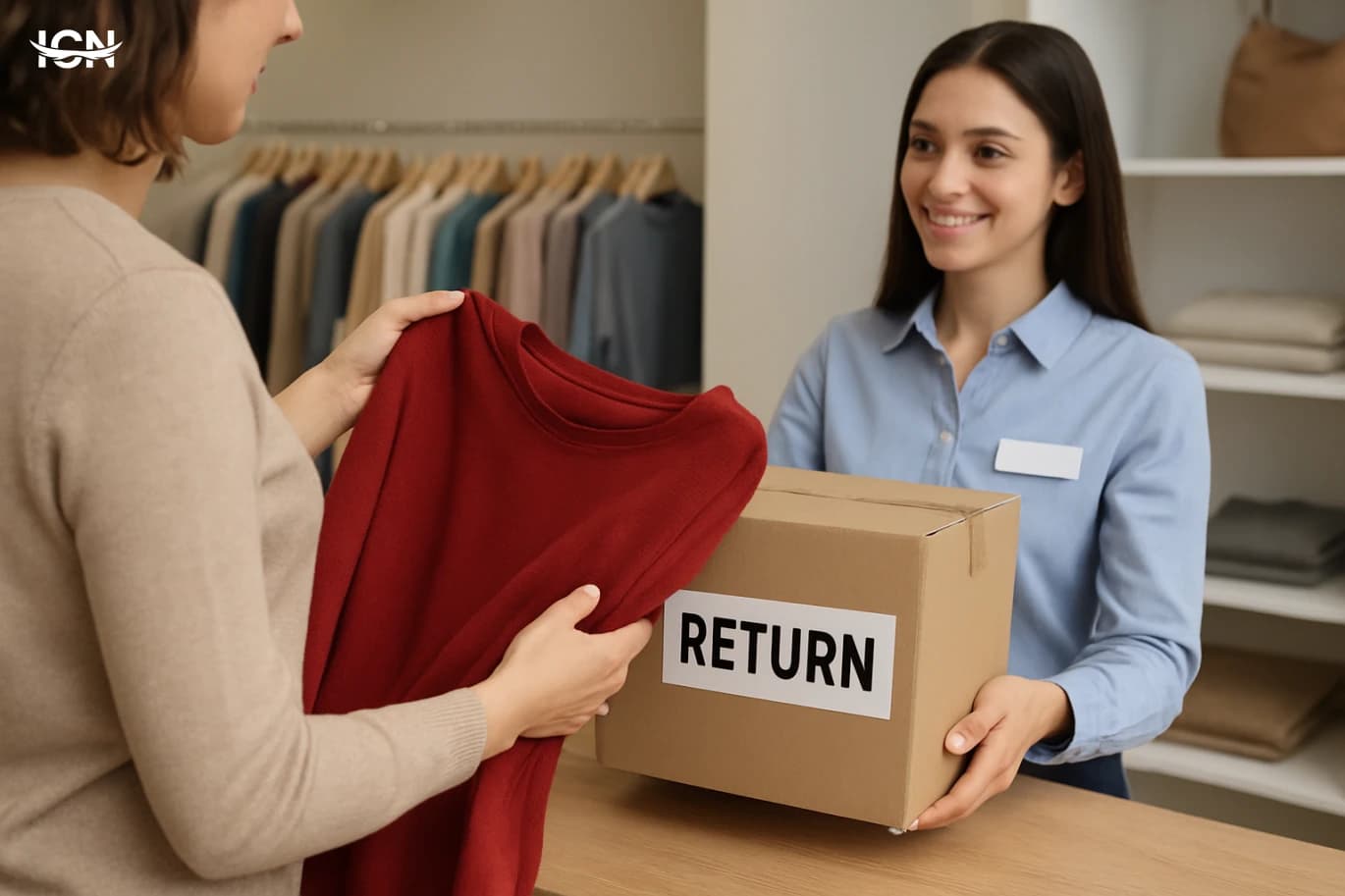
Most shoppers do not read full legal terms, but they remember a few concrete details that influence trust. The first is the time window: 14, 30, 60, or 90 days communicates how confident the brand is in product fit and durability. The second is the condition requirement. Policies that demand “unused and in original packaging” can be reasonable for hygiene or resale, yet they can also feel unrealistic for items that must be opened to evaluate. Brands that explain the rationale in plain language reduce frustration. Fees are another high-sensitivity point. Restocking fees, return shipping charges, and “final sale” exclusions can be acceptable when disclosed early, but they damage trust when revealed late in checkout or only after a return is initiated. Customers also notice how refunds are issued: original payment method versus store credit, and how long the process takes. A promise of “refund within 3–5 business days after inspection” is clearer than “processed promptly.” Finally, the return channel matters. In-store returns for online purchases, drop-off partnerships, and printable labels each change the effort required. Brands that offer at least two convenient options tend to earn higher repeat purchase rates because the customer feels in control.
Operations behind a smooth return experience
A customer-friendly return policy only works if operations can deliver it consistently. The process typically starts with an authorization step that captures the reason for return, photos when relevant, and the preferred resolution (refund, exchange, repair). That data is not just administrative; it feeds quality control and merchandising decisions. If a specific size runs small or a component fails frequently, return reasons become an early warning system. Logistics design is the second pillar. Brands decide whether returns go back to a central warehouse, a regional hub, or directly to stores. Each option changes speed and cost. Centralized processing improves consistency in inspection and grading, while store-based returns can shorten customer wait times and reduce shipping. The inspection step then determines disposition: restock as new, sell as open-box, route to refurbishment, or recycle. Clear grading standards help avoid disputes and keep refund timelines predictable. Technology ties it together. Return portals that pre-fill order details, generate labels, and provide tracking reduce support volume. Integration with inventory systems prevents overselling items that are actually stuck in the return pipeline. Some brands also use automated rules to approve low-risk returns instantly, reserving manual review for high-value items or unusual patterns. When these operational pieces are aligned, the policy feels effortless to the customer rather than like a negotiation.
How brands limit abuse without losing goodwill
Generous policies can attract abuse, but heavy-handed restrictions often punish honest customers. The most effective approach is targeted controls that are mostly invisible to typical shoppers. Brands commonly monitor return rates by customer, product category, and seasonality to distinguish normal behavior from outliers. For example, high return rates in fashion during size transitions may be expected, while repeated returns of high-value items after short use may require intervention. Practical tools include serial number tracking for electronics, tamper-evident packaging for premium goods, and photo-based condition checks for certain categories. Some retailers apply “returnless refunds” for low-cost items where shipping back is uneconomical, which can actually improve customer satisfaction while reducing handling costs. Another method is improving pre-purchase information: better size guides, clearer product photos, and compatibility checkers reduce accidental purchases and therefore returns. Communication is critical. When a brand must deny a return or offer store credit instead of a refund, the explanation should cite specific policy points and provide next steps, such as warranty support or exchange options. Customers are more likely to accept an unfavorable outcome when the process is consistent, documented, and delivered respectfully. The goal is not to eliminate returns, but to keep them fair and predictable for the majority.
Measuring success beyond return rate
A low return rate can look good on paper, but it may hide a worse problem: customers who stop buying because they fear hassle. Brands that treat returns as part of customer experience track a broader set of metrics. Net promoter score or post-return satisfaction surveys can reveal whether the process builds loyalty. Repeat purchase rate after a return is especially telling, because it shows whether the customer felt treated fairly. Operational metrics matter too. Time to refund, percentage of returns processed within the promised window, and support contact rate per return indicate whether the system is working. On the financial side, brands analyze recovery value: how much of returned inventory can be resold at full price, discounted, or as open-box. They also track the cost per return, including shipping, labor, and payment processing. The most mature programs connect return data to product decisions. If a specific SKU has a high return rate due to “not as described,” the fix may be better photography or clearer specifications. If returns cite durability issues, the fix may be supplier changes or tighter quality checks. In this sense, returns become a feedback loop that improves the brand’s offer and reduces future costs without making the policy harsher.
What a strong returns strategy looks like
A strong returns strategy balances clarity, convenience, and operational realism. It starts with a policy page written in plain language, supported by a short summary near the buy button and a reminder in the order confirmation email. The best brands also publish examples: what qualifies for free returns, what is excluded, and how long refunds typically take. This reduces surprises and lowers support demand. Convenience comes next. Offering multiple return methods, providing packaging guidance, and giving real-time tracking updates can turn a stressful moment into a controlled process. Brands that operate both online and offline often gain an advantage by enabling in-store drop-offs, which can also create an opportunity for exchanges rather than refunds. Finally, the strategy must be sustainable. That means using return reasons to improve product information, investing in inspection and grading standards, and setting thresholds for automated approvals. When executed well, returns stop being a defensive policy and become a competitive capability. Customers remember the brand that made a problem easy to solve, and that memory influences the next purchase more than a discount code.