How Brands Build Trust With Product Returns
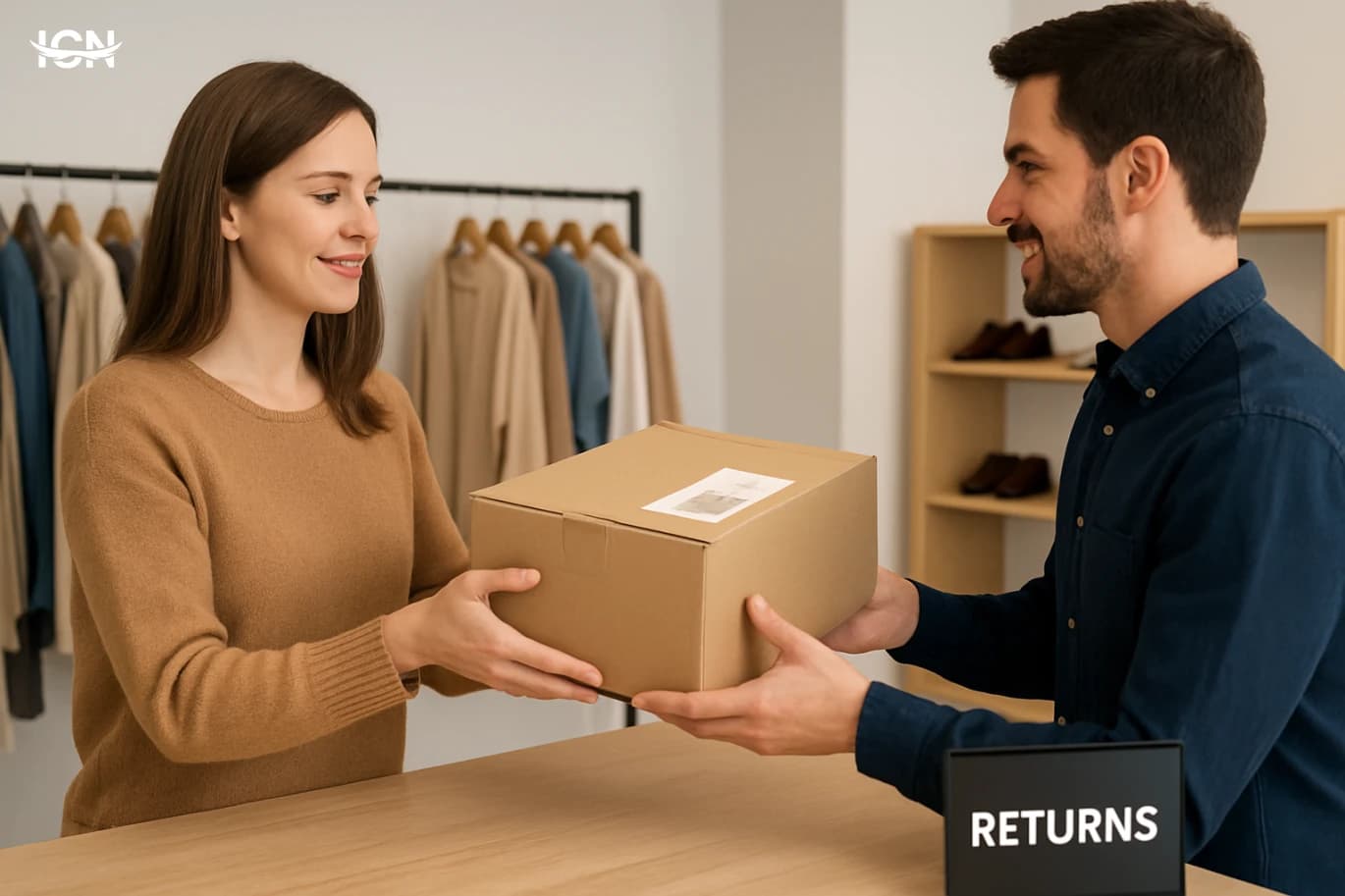
- Why returns are a brand strategy
- What customers judge in a return policy
- Operational choices that make returns painless
- How leading companies communicate returns
- Metrics that show whether trust is improving
- bookmark
Why returns are a brand strategy
Product returns are often treated as a cost center, but for many brands they function as a visible proof of confidence. A clear, fair return policy reduces the perceived risk of buying, especially online where customers cannot touch or test items. When a brand makes returns easy, it signals that it expects the product to meet expectations and is willing to stand behind it. This can lift conversion rates, increase repeat purchases, and reduce customer support friction. Returns also shape how customers talk about a company. People rarely share a story about a normal purchase, but they do share stories about a return that was painless or a return that felt like a battle. Those stories affect brand reputation in reviews, social posts, and word-of-mouth. For categories like apparel, electronics accessories, home goods, and cosmetics tools, the return experience can become as important as the product itself. Brands that treat returns as a strategic touchpoint typically align policy, operations, and messaging. They define what “easy” means in practice: clear timelines, simple steps, predictable refunds, and respectful communication. The goal is not to encourage returns, but to remove anxiety from the purchase decision and to keep customers within the brand ecosystem even when something goes wrong.
What customers judge in a return policy
Customers evaluate return policies using a few practical questions. First is time: how many days are allowed, and from which date does the clock start—delivery, purchase, or activation? A policy that looks generous but starts counting before delivery can feel misleading. Second is condition: whether items must be unopened, unused, or simply in “resalable” condition. Vague language creates disputes, while specific examples reduce confusion. Third is cost and effort. Customers notice whether return shipping is free, whether they must print labels, and whether drop-off points are accessible. A brand that offers multiple options—carrier pickup, lockers, retail partners—reduces friction. Fourth is the refund method and speed. Store credit can be acceptable if clearly presented, but unexpected credit instead of a refund often triggers complaints. Refund timing matters because it affects household budgets and trust. Finally, customers judge how exceptions are handled. Final-sale items, personalized products, and hygiene-related categories may require restrictions, but the policy must explain why and offer alternatives such as exchanges or partial refunds. The tone also matters: policies written like legal warnings feel hostile, while policies written in plain language feel customer-centered. These details collectively shape whether a customer believes the brand is fair.
Operational choices that make returns painless
Behind a smooth return experience are operational decisions that customers never see. One is reverse logistics design: where returns go, how they are inspected, and how quickly they are routed to resale, refurbishment, recycling, or disposal. Brands that centralize returns can standardize quality checks, but may slow down refunds. Brands that use regional hubs can speed processing but must maintain consistent standards. Technology also plays a role. A self-service portal that generates labels, tracks status, and offers exchange options reduces support tickets and improves transparency. Integrations with carriers allow real-time tracking and automated refund triggers when a package is scanned. Some brands use instant refunds for trusted customers, balancing fraud risk with loyalty benefits. Packaging and product design can reduce return rates and costs. Clear sizing guides, accurate photos, and detailed specs prevent mismatched expectations. For physical products, reusable packaging or easy-to-reseal boxes can reduce damage in transit. For electronics accessories and home items, including simple setup instructions and troubleshooting steps can prevent “no-fault” returns. Staff training matters as well. Customer service teams need consistent guidelines for edge cases, such as missing accessories or minor wear. Empowering agents to offer exchanges, partial refunds, or expedited replacements can turn a potential complaint into a retention moment. The best return operations treat every return as data: why it happened, what could have prevented it, and what it signals about product quality or marketing accuracy.
How leading companies communicate returns
Communication is where many brands either earn trust or lose it. The most effective approach is to place return information where customers make decisions: on product pages, in the cart, and in order confirmation emails. Hiding the policy in a footer link suggests the brand expects conflict. Clear summaries—“30 days, free returns, refund to original payment method”—help customers understand the basics without reading long text. Good brands also set expectations about timelines. They explain the steps: request return, ship or drop off, inspection, refund initiation, and bank processing time. They provide proactive updates when a return is received and when the refund is issued. This reduces inbound “where is my refund” contacts. Another communication choice is how brands handle exchanges. Offering an exchange flow that reserves inventory and ships quickly can keep revenue and improve satisfaction, particularly for sizing issues. Some companies encourage exchanges by making them faster than refunds, but they must avoid pressuring customers. Transparency is key. Finally, leading companies use returns messaging to reinforce values without sounding promotional. They may explain sustainability practices for returned items, or how they minimize waste, but they keep the message factual. Customers respond better to specific statements—such as refurbishment programs or donation partnerships—than to vague claims.
Metrics that show whether trust is improving
To manage returns as a brand lever, companies need metrics beyond the raw return rate. One key measure is refund cycle time: the number of days from customer drop-off to refund issuance. Shorter, predictable cycles correlate with higher satisfaction. Another is contact rate per return, which indicates whether customers understand the process and receive adequate updates. Brands also track reasons for return in a structured way. “Didn’t match description,” “size issue,” and “arrived damaged” point to different fixes: content accuracy, sizing tools, or packaging and carrier performance. Exchange rate is another useful indicator, showing whether the brand can retain revenue when the product is wrong but the customer still wants a solution. Financially, companies watch recovery value: what percentage of returned inventory can be resold at full price, discounted, refurbished, or written off. High write-offs may signal quality issues or overly permissive policies. However, tightening policies can backfire if it reduces conversion or increases disputes. Customer sentiment should be measured directly. Post-return surveys, review monitoring, and repeat purchase rates among customers who returned an item provide a clearer picture of trust. A strong sign of brand health is when customers who returned once still buy again because the process felt fair and predictable.
bookmark
A practical way to turn returns into a trust advantage is to run a 90-day return experience audit. Start by mapping the customer journey from “I want to return” to “money received,” listing every click, message, and handoff. Then compare what the policy promises with what operations deliver, including real refund times and the consistency of inspection decisions. Next, fix the top three friction points that create the most contacts: unclear eligibility, missing updates, and inconvenient drop-off. Update product pages with a short return summary and add a status page that shows each step. If exchange is a priority, build an exchange-first flow that is optional and clearly labeled. Finally, close the loop with product and marketing teams. If a specific SKU drives returns due to description mismatch, update the content and photography. If sizing is the issue, improve the size guide and fit notes. If damage is frequent, adjust packaging and carrier selection. Over time, the brand earns trust not by claiming “easy returns,” but by delivering a process that is consistent, measurable, and respectful of the customer’s time.