How Brands Win Trust With Clear Sustainability Claims

- Why sustainability claims now shape brand value
- The language trap behind vague eco promises
- Proof points customers actually recognize
- Packaging, labels, and the moment of truth
- How companies can build a credible claim process
- What to watch in 2026 and how to respond
Why sustainability claims now shape brand value
Sustainability messaging has moved from a niche marketing angle to a core driver of brand preference, especially in categories where products look similar and pricing is tight. Customers increasingly compare brands on packaging language, sourcing stories, and the presence of recognizable certifications. For companies, this creates both an opportunity and a risk: clear claims can strengthen trust and justify premium pricing, while vague or inflated claims can quickly damage reputation and reduce repeat purchases. This topic matters because the market is crowded with terms like “eco-friendly,” “natural,” “responsibly sourced,” and “carbon neutral,” yet many shoppers cannot tell what these phrases actually mean. Brands that translate sustainability into specific, verifiable statements tend to stand out. They also reduce confusion for customer service teams and retail partners who must answer questions about materials, recycling, and supply chain practices. In practice, sustainability claims now influence everything from product design and procurement to investor communications and employer branding.
The language trap behind vague eco promises
Many brands fall into a language trap: they use broad terms because they sound positive, fit on small packaging, and are easy to repeat in ads. The problem is that broad terms often hide important details. “Recyclable” may depend on local collection systems. “Plastic-free” may ignore coatings, labels, or caps. “Biodegradable” can mean very different things depending on conditions and timeframes. When customers discover these gaps, they may feel misled even if the company did not intend to deceive. A practical way to avoid this trap is to treat every claim as a mini contract with the customer. If a phrase cannot be explained in one or two precise sentences, it is probably too vague. Strong brands define the scope: which product line, which markets, which materials, and which period. They also avoid absolute statements unless they can prove them consistently. Instead of “zero impact,” they may say “reduced packaging weight by 18% versus 2022” or “100% of our paper packaging is FSC-certified.” Specificity turns a marketing line into an operational commitment.
Proof points customers actually recognize
Not all evidence carries the same weight with shoppers. In many markets, customers respond best to proof points that are easy to recognize and hard to fake. Third-party certifications are one example, but only when the logo is widely understood and the standard is credible. Clear material disclosures also work well, such as listing recycled content percentages, naming the fiber source for paper, or stating whether aluminum is used and why. Another strong proof point is a transparent “how it’s made” explanation that matches what the customer can see and feel, like lighter packaging, refill systems, or concentrated formulas. Brands can also build trust by publishing a simple methodology summary. For instance, if a company claims a reduction in emissions, it should state whether it covers manufacturing only or includes transportation and product use. If it claims “carbon neutral,” it should clarify whether it relies on reductions, offsets, or both, and how often the claim is audited. The goal is not to overwhelm readers with technical reports, but to provide enough clarity that a curious customer can verify the logic. This approach reduces skepticism and helps retailers and partners communicate consistently.
Packaging, labels, and the moment of truth
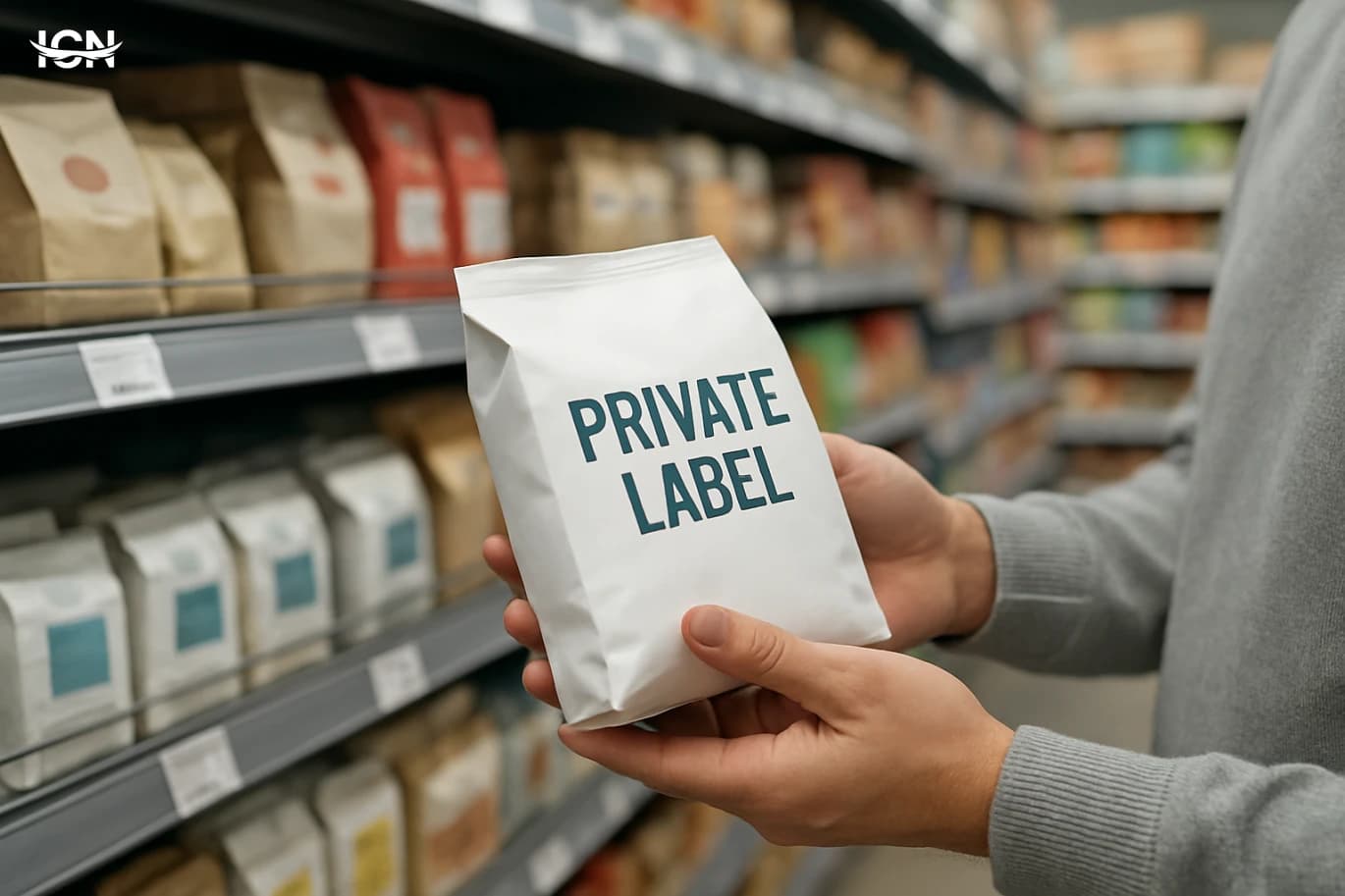
For most customers, the packaging is the primary interface with a brand’s sustainability story. The “moment of truth” happens in seconds: a shopper scans the front label, checks the back for details, and decides whether the claim feels credible. This is why label design matters as much as the underlying initiative. If the front of the pack uses bold green language but the back provides no specifics, the message can backfire. Conversely, a modest front claim supported by clear back-of-pack details often feels more trustworthy. Effective brands use packaging to answer practical questions: What is this made of? How should I dispose of it in my area? Is there a refill option? They also avoid clutter by prioritizing two or three key claims and linking to a QR code for deeper information. Importantly, they align packaging with customer experience. If a company promotes reduced waste, it should ensure the product is durable and easy to use so customers do not discard it early. Packaging is not just communication; it is part of the sustainability performance the customer can judge directly.
How companies can build a credible claim process
Credible sustainability claims are rarely the result of a single marketing decision. They come from a process that connects procurement, product development, legal review, and communications. A practical internal framework starts with a claim inventory: list every sustainability statement used on packaging, websites, ads, and sales decks. Then assign an owner for each claim and attach evidence, such as supplier documentation, test results, certification records, or audited calculations. Next, companies should set a review cadence. Claims can become outdated when suppliers change, materials shift, or regulations evolve. A quarterly or biannual review helps prevent legacy statements from staying on the market without support. Training is also essential. Sales teams and customer support should know what the claim means, what it does not mean, and how to answer common questions. Finally, brands should plan for corrections. If a claim is found to be unclear, the company should update the wording, improve the evidence, and communicate changes consistently across channels. This approach protects brand equity and reduces the cost of reactive fixes later.
What to watch in 2026 and how to respond
In 2026, sustainability communication is likely to become more standardized and more scrutinized by retailers, platforms, and informed consumers. Brands should expect tighter requirements for claim substantiation, more demand for product-level data, and greater attention to end-of-life outcomes such as recyclability in real local systems. Companies that rely on generic “green” language may find it harder to secure premium shelf placement or win procurement bids, while brands with clear documentation can move faster. A smart response plan includes three actions. First, prioritize a small set of high-impact claims that are easy to prove and meaningful to customers, rather than trying to claim everything at once. Second, invest in data readiness: consistent supplier data, version control for packaging statements, and a single source of truth for marketing teams. Third, communicate progress and limits honestly. Customers accept that improvement takes time, but they react poorly to overconfident promises. Brands that treat sustainability claims as measurable performance statements, not slogans, will be better positioned to earn trust and protect long-term brand value.