How Retail Brands Win Trust With Returns

- Why returns became a brand issue
- What customers actually read in a policy
- Operational choices that shape the experience
- How brands reduce returns without punishing buyers
- What to watch in 2026 return strategies
Why returns became a brand issue
Returns used to be treated as a back-office cost, but for many retail brands they now shape customer trust as much as price or product quality. Online shopping increased the likelihood of mismatched sizes, colors, and expectations, making the return experience part of the core product. Customers often judge a company by how it handles the moment something goes wrong: a late delivery, a damaged item, or simply a change of mind. A clear, fair return policy signals confidence in the merchandise and respect for the buyer’s time. The stakes are measurable. High return rates can erode margins through shipping, processing, and resale losses, yet overly strict policies can reduce conversion and repeat purchases. Brands are therefore balancing two goals that can conflict: lowering return volume while keeping the process simple enough that customers feel safe buying. This tension has pushed returns into marketing, product design, and customer experience teams, not just logistics. The brands that manage it well treat returns as a relationship tool, using policy and service to reinforce reliability.
What customers actually read in a policy
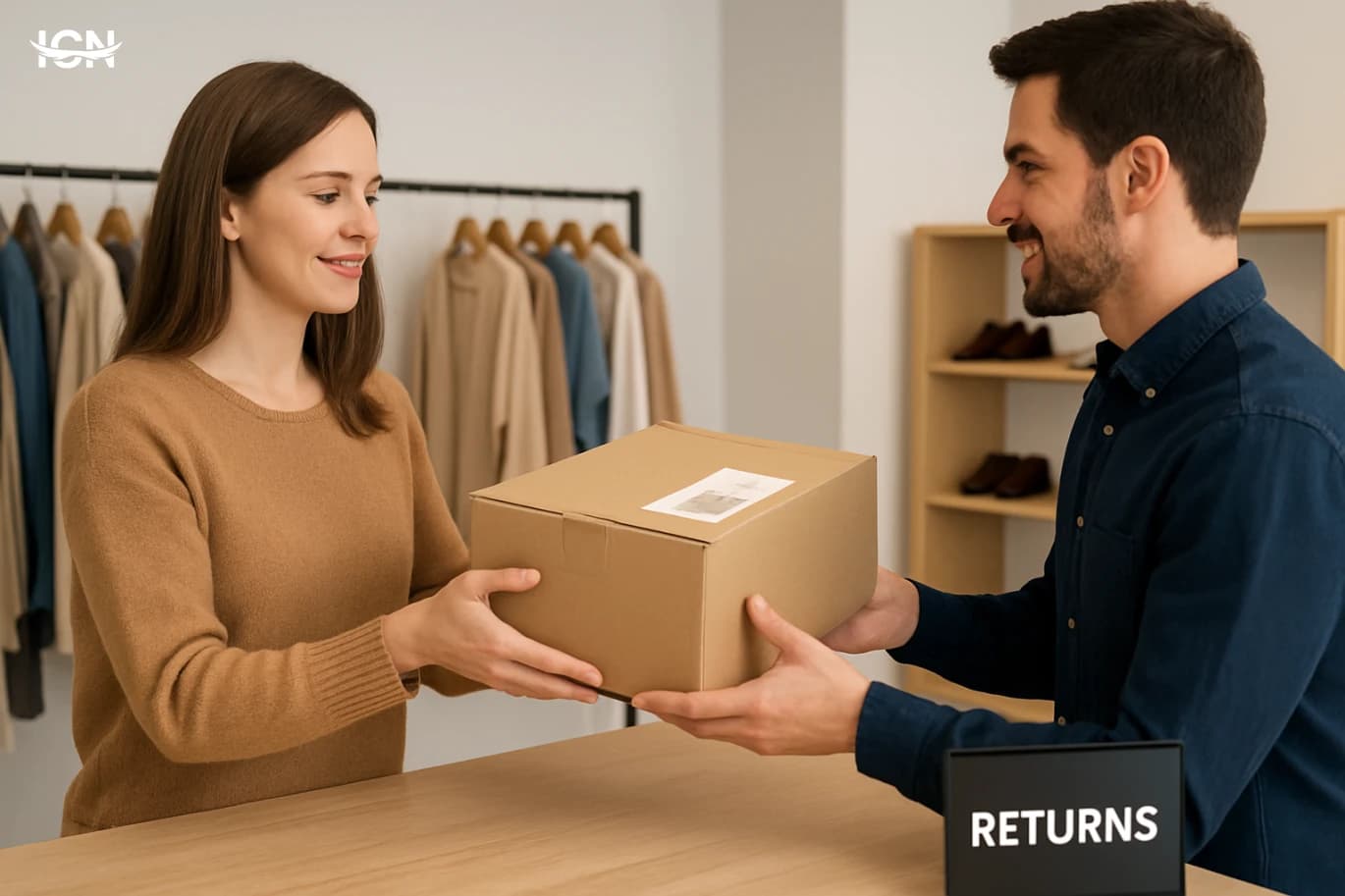
Most customers do not read every line, but they scan for a few decisive points. The first is the time window: 14, 30, or 60 days changes perceived risk. The second is cost: free returns, paid shipping, or restocking fees. The third is convenience: can the item be dropped at a nearby location, picked up from home, or must it be shipped with a printer and packaging. The fourth is speed of refund: immediate store credit, refund after inspection, or a long waiting period. These details become shorthand for how a company treats people. Brands that want to be trusted write policies that are easy to find, consistent across channels, and aligned with how they actually operate. If customer service makes exceptions that contradict the website, shoppers learn that rules are negotiable only for those who complain loudly. If the policy is full of exclusions—final sale categories, unopened packaging requirements, unclear condition standards—customers assume the company is trying to avoid responsibility. Clear definitions help: what counts as “unused,” what happens to promotional gifts, and whether original shipping fees are refunded. The more predictable the outcome, the less friction the brand creates.
Operational choices that shape the experience
Behind every “easy return” promise is a set of operational decisions. Brands choose between centralized return centers or store-based processing, each affecting speed and cost. Centralized centers can standardize inspection and reduce fraud, but they add transit time. Store processing can be faster for refunds and enables immediate exchanges, but it requires staff training and inventory coordination. Another choice is how to handle reverse logistics: prepaid labels, QR codes at drop-off points, or carrier pickup. Each option changes the customer’s effort and the brand’s expense. Technology is increasingly used to reduce uncertainty. Some companies provide fit tools, richer product photos, and detailed size charts to prevent avoidable returns. Others use return reason data to fix product issues, such as inconsistent sizing across suppliers or fragile packaging that leads to damage. There is also a growing trend toward “keep it” refunds for low-value items where shipping back costs more than the product. While this can improve satisfaction, it must be controlled to avoid abuse. The best operators treat returns as feedback loops: they measure reasons, processing time, resale rates, and customer satisfaction, then adjust product and policy accordingly.
How brands reduce returns without punishing buyers
Reducing returns does not have to mean making them harder. Many brands focus on prevention through better information and smarter merchandising. Accurate product descriptions, consistent photography, and customer reviews with sizing guidance can lower “not as expected” returns. For apparel, showing models of different body types and listing garment measurements helps customers choose correctly. For electronics and home goods, compatibility checkers and clear setup requirements reduce mistaken purchases. Another approach is to steer customers toward exchanges rather than refunds, but this must be done carefully. Offering instant exchanges, reserving replacement stock, or providing a small incentive for store credit can keep revenue while still respecting customer choice. Some brands also segment policies by risk: loyal customers may get faster refunds or extended windows, while new accounts may face standard processing. The key is transparency. If customers feel they are being profiled or trapped, trust declines. Brands that communicate the rationale—such as hygiene rules for cosmetics or safety rules for certain products—tend to face less backlash than those that hide behind vague “policy” language.
What to watch in 2026 return strategies
Return strategies are evolving as costs rise and customer expectations harden. More brands are experimenting with dynamic policies, such as charging for mail returns while keeping free in-store returns, or offering free returns only within a shorter window. Others are investing in local drop-off networks to reduce shipping distance and speed up processing. Sustainability is also becoming a visible factor: some companies disclose the environmental impact of returns and encourage exchanges or consolidated shipments. Regulatory and payment trends matter as well. Faster payment rails and digital wallets push customers to expect quicker refunds, while fraud pressures push brands to verify identity and track serial numbers for high-value goods. Artificial intelligence is being used to flag suspicious patterns and to predict which products are likely to be returned, influencing inventory and merchandising decisions. For consumers, the practical takeaway is that return policies will become more differentiated by channel, product category, and customer history. For brands, the competitive advantage will come from making these differences understandable, fair, and operationally reliable, so the policy feels like a service promise rather than a set of traps.