App Logo

Download Our App

Shop your way

logologo
Image

How Retail Brands Build Trust With Returns

03/11/2026By: ICN Writer
How Retail Brands Build Trust With Returns

Why returns became a brand promise

Returns used to be treated as a back-office cost, but in modern retail they function as a public promise. Customers compare brands not only on price and product range, but on how confidently they can buy without fear of being stuck with the wrong size, color, or model. This is especially true for apparel, consumer electronics, and home goods, where fit and expectations vary widely. A clear, generous return policy reduces perceived risk and can lift conversion rates because shoppers feel protected. For brands, the return experience is also one of the few moments where a customer interacts with customer service, logistics, and policy all at once. That makes it a high-impact touchpoint for trust. When the process is confusing, slow, or full of hidden conditions, customers often interpret it as a sign the company is not reliable. When it is simple and predictable, it signals operational competence and respect for the customer’s time. In competitive markets, that signal can matter as much as the product itself.

What a customer-friendly policy really includes

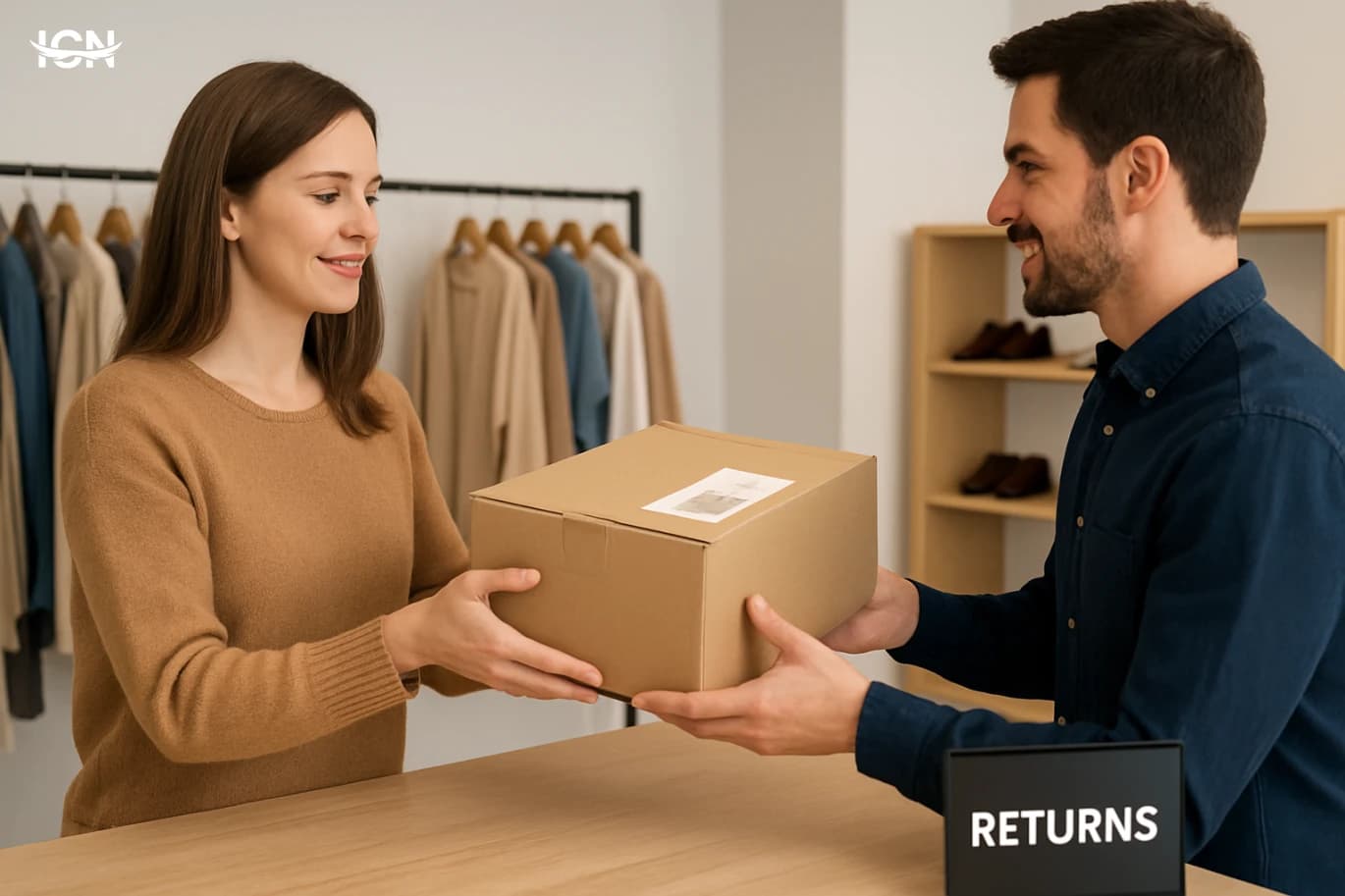
A customer-friendly return policy is not just “30 days free returns.” It is a set of decisions that remove friction at each step. The first element is clarity: the policy should state the return window, condition requirements, refund timing, and any exceptions in plain language. If a product category is excluded, the brand should explain why and offer alternatives such as exchanges or store credit. The second element is convenience. Leading retailers provide multiple return channels: drop-off points, in-store returns, scheduled pickups, and printable or QR-based labels. Convenience also includes packaging guidance, because customers often abandon returns when they are unsure how to ship an item safely. The third element is speed and predictability. Customers care less about the exact number of days and more about consistent timelines and proactive updates. A brand that communicates “refund issued within 48 hours of scan” and then meets that promise builds credibility. Finally, a customer-friendly policy includes fairness. That means consistent rules across channels, no surprise restocking fees, and a clear approach to damaged or opened items. Fairness also extends to customer support: the ability to reach a human when something goes wrong, and a process for exceptions that does not feel arbitrary.

The hidden operations behind a smooth return

A seamless return experience depends on operational design. The first layer is reverse logistics: how items move from the customer back to a warehouse, store, or third-party processing center. Brands that handle returns well typically invest in scanning and tracking at every handoff, because visibility reduces disputes and enables faster refunds. They also define routing rules so that a returned item goes to the most efficient destination, such as the nearest store for resale or a refurbishment partner for electronics. The second layer is inspection and grading. Returned products are not all equal; some can be resold as new, some as open-box, and some must be recycled. Clear grading standards help teams make consistent decisions and protect brand reputation. This is where packaging, accessories, and serial numbers matter, especially for high-value items. The third layer is inventory and pricing. If a brand can reintegrate returns quickly, it reduces stockouts and markdowns. If it cannot, returned inventory becomes a cost center. Technology ties these layers together. Return portals, automated label generation, refund triggers based on carrier scans, and integration with order management systems all reduce manual work. But technology alone is not enough; brands also need training, staffing, and performance metrics such as time-to-refund, return rate by category, and resale recovery rate. These metrics turn returns from a vague problem into a manageable business function.

Balancing generosity with cost and sustainability

Generous return policies can increase sales, but they also create real costs: shipping, handling, inspection labor, and lost value when items cannot be resold at full price. Brands that manage this balance avoid blunt restrictions and instead use targeted design. One approach is category-based rules: a longer window for apparel, stricter conditions for high-risk items, and clear hygiene or safety exceptions where appropriate. Another approach is encouraging exchanges by making them faster than refunds, which retains revenue while still serving the customer. Data plays a central role. Brands analyze return reasons to identify product issues such as inconsistent sizing, misleading photos, or fragile packaging. Fixing those issues reduces returns more effectively than tightening policy. Some retailers also use fit tools, richer product content, and customer reviews to set expectations before purchase. On the cost side, consolidation of return shipments, regional processing hubs, and resale channels such as outlet sections or certified refurbished programs can improve recovery. Sustainability is increasingly part of the conversation because returns add transportation emissions and packaging waste. Brands respond with options like paperless labels, reusable packaging pilots, and local drop-off networks that reduce last-mile pickups. The most credible sustainability claims are tied to measurable actions: reduced landfill disposal, higher resale rates, and transparent reporting on how returned goods are handled.

How to evaluate a brand by its return experience

Consumers and business buyers can assess a brand’s maturity by looking at a few practical signals. Start with the policy page: is it easy to find, written clearly, and updated recently? Check whether the brand states refund timelines and the method of refund, including how shipping fees are handled. Look for transparency on exceptions rather than vague language that leaves room for denial. Next, test the process before you need it. Many brands allow you to start a return in your account and preview steps without completing them. A well-designed flow will show available drop-off options, generate a label instantly, and provide a tracking reference. Communication is another indicator: confirmation emails, status updates, and a clear point of contact reduce uncertainty. For omnichannel retailers, the ability to return online purchases in-store is often a strong signal of integrated operations. Finally, pay attention to how the brand learns. If product pages include detailed sizing guidance, multiple photos, and verified reviews that mention fit and quality, the company is likely using feedback to reduce avoidable returns. Over time, brands that treat returns as a trust-building function tend to earn repeat purchases, because customers remember not only what they bought, but how the company handled the moment something went wrong.

* All articles published on this blog are sourced from various websites and are provided for informational purposes only. They should not be considered as confirmed studies or accurate information. Please verify the information independently before relying on it.

Similar ARTICLES

How Retailers Build Trust in Private Labels
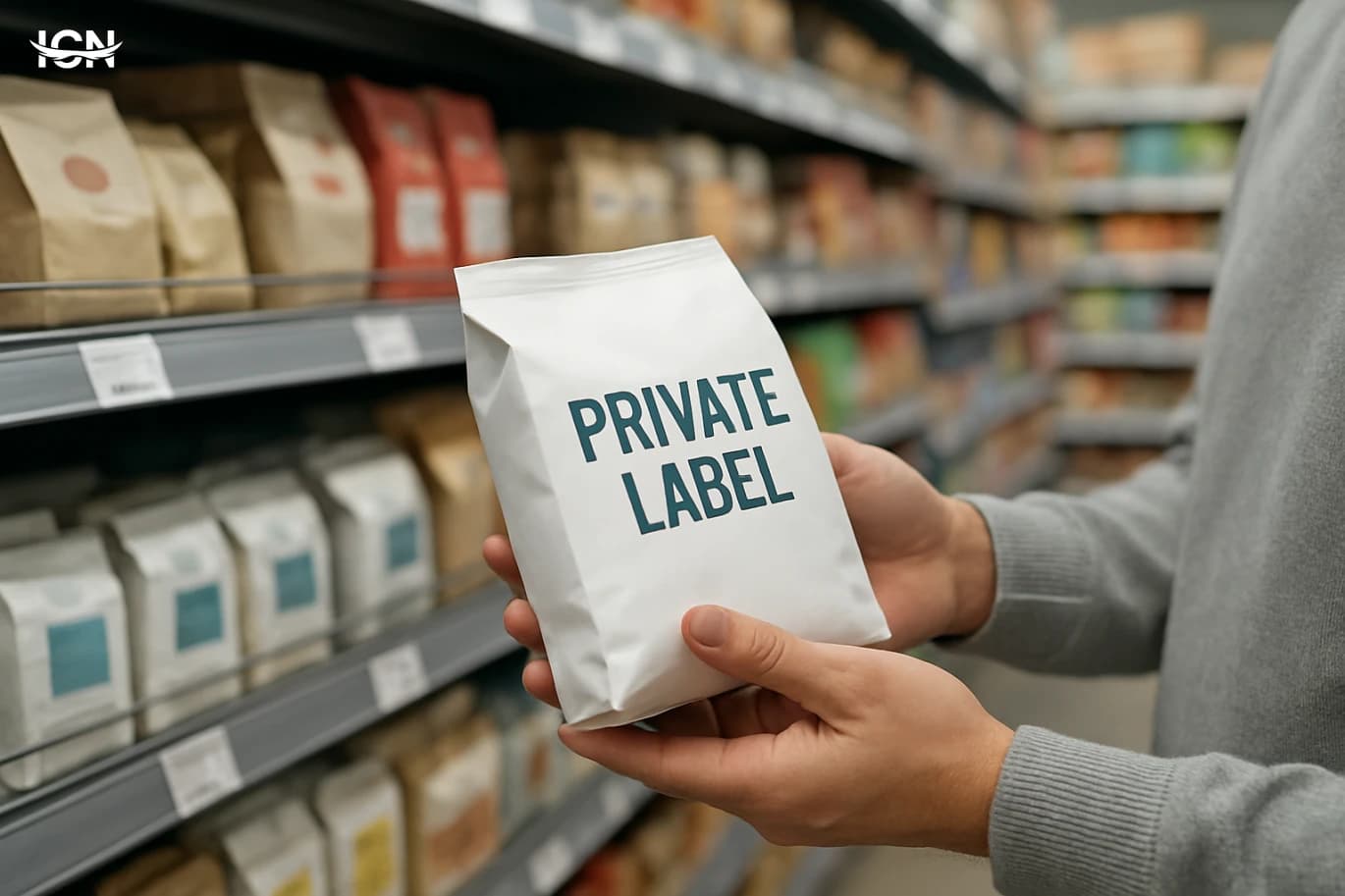
Private labels are no longer the “cheap alternative” tucked at the bottom shelf. In many supermarkets, pharmacies, and online marketplaces, store brands now sit next to national brands with comparable packaging, clearer claims, and wider product ranges. This shift is driven by retailers seeking higher margins, better control over assortment, and a stronger relationship with shoppers. When a retailer owns the brand, it can adjust sizes, ingredients, and pricing faster than a manufacturer brand that must coordinate across multiple distributors and markets. The growth is also tied to consumer behavior. Shoppers compare unit prices, read reviews, and look for consistent availability. If a store brand delivers acceptable quality at a predictable price, it becomes a repeat purchase and reduces the need to switch stores. For retailers, that repeat behavior is strategic: it increases basket size, improves loyalty program performance, and makes promotions more efficient because the retailer controls both shelf placement and marketing. The key question is not whether private labels can sell, but how retailers earn trust quickly enough to compete with established names.
How Retail Brands Build Trust With Returns
Returns used to be treated as a back-office cost, but for many retail and direct-to-consumer companies they now shape brand perception as much as product quality. Shoppers compare return windows, refund speed, and pickup options before they buy, especially for apparel, footwear, electronics accessories, and home goods where fit and expectations vary. A brand that makes returns predictable signals confidence in its products and respect for customers’ time. A brand that makes returns difficult creates friction that can outweigh discounts or marketing. Several market shifts pushed returns into the spotlight. Online shopping expanded the “try at home” behavior, which increases the probability of sending items back. At the same time, customer support moved to chat and self-service portals, so the return experience is often the most complex interaction a customer has with a company. Social reviews also amplify return stories; a single post about a delayed refund can travel farther than a product feature list. For companies, the return policy is no longer a legal footnote. It is a visible promise that affects conversion, repeat purchase, and word-of-mouth.
How Retail Brands Build Trust With Returns
Returns used to be treated as a back-office cost, but in modern retail they are a public promise that customers judge as part of the brand. As online shopping expanded, customers started comparing return windows, refund speed, and pickup options as carefully as they compare prices. A brand that makes returns difficult can lose repeat purchases even if its products are strong, because the customer feels the company is avoiding accountability. The brand impact is measurable in everyday behavior: shoppers often add items to their cart only if they feel safe about sending them back, especially for apparel, footwear, and electronics accessories. When a company communicates clear rules, provides easy labels, and refunds quickly, it reduces hesitation at checkout and increases confidence in trying new products. In this sense, returns are not only a cost center; they are part of the customer experience design and a signal of how the company treats people after the sale.
How Retail Brands Build Trust With Product Returns
Product returns are often treated as a back-office cost, but for many retail brands they function as a visible promise. Customers judge a company not only by the product page and delivery speed, but by what happens when something does not fit, arrives damaged, or fails expectations. A clear, fair return policy can reduce purchase anxiety, especially for apparel, footwear, consumer electronics accessories, and home goods where sizing and compatibility are uncertain. Returns also shape brand perception through consistency. If the policy is generous but the process is confusing, customers feel misled. If the policy is strict but communicated early and applied predictably, customers may still consider the brand reliable. In competitive categories, returns become a differentiator that influences repeat purchases, word-of-mouth, and customer lifetime value. Brands that treat returns as part of the customer experience design tend to invest in policy clarity, packaging choices, and service training rather than relying on fine print.
How Retailers Build Trust Through Returns
Returns used to be treated as a back-office cost, but for many brands and companies they have become a visible part of the customer promise. In online retail, shoppers cannot touch or try products, so the return policy often substitutes for the fitting room and the in-store conversation. A clear, fair policy reduces perceived risk and increases conversion, especially for categories like apparel, footwear, home goods, and consumer electronics where fit, color, or compatibility can be uncertain. This shift also changed how customers judge reliability. People now compare brands not only on price and delivery speed, but on how problems are handled after purchase. A retailer that makes returns simple signals confidence in product quality and respect for the customer’s time. Conversely, confusing rules, hidden fees, or slow refunds can damage trust faster than a late shipment. For companies competing in crowded markets, the return experience is increasingly a differentiator that shapes repeat purchase and word-of-mouth.
How Retail Brands Build Trust With Returns
Returns used to be treated as a back-office cost, but in modern retail they function as a public promise that shapes whether customers buy at all. When shoppers cannot touch a product before purchase, the return policy becomes the substitute for certainty, especially for apparel, electronics accessories, and home goods. Brands that communicate clear, fair rules reduce perceived risk and raise conversion rates, while vague or restrictive policies push customers to marketplaces that feel safer. This shift is measurable in how brands allocate resources. Customer service scripts, packaging design, and post-purchase emails now include return guidance as a core message rather than an afterthought. Many companies also track “policy comprehension” through support tickets and website behavior, because confusion is often interpreted as friction or distrust. In practice, a return policy is not only about refunds; it signals how a company handles mistakes, quality variation, and customer expectations. That signal can be stronger than advertising when customers compare similar products across competing brands.
How Retailers Build Trust in Private Labels
Private-label products have moved far beyond “cheap alternatives.” In many grocery, pharmacy, and household categories, retailers now treat their own brands as strategic assets that can lift margins, differentiate the store, and control the customer experience end to end. The growth is also tied to data: retailers see what sells, at what price points, and which features customers actually use, allowing them to design products with fewer guesses than many manufacturers. This shift is visible in shelf space and marketing. Store brands are increasingly placed at eye level, packaged with modern design, and supported with clear claims such as ingredient standards, sustainability certifications, or performance benchmarks. Retailers also use loyalty programs and digital channels to test new items quickly, then scale winners across regions. The result is a competitive landscape where private labels can compete on quality, not only price, and where trust becomes the deciding factor for repeat purchases.
How Brands Win With Repair and Resale
Repair services and brand-run resale have shifted from niche experiments to a mainstream growth lever because they answer three pressures at once: customer expectations, margin discipline, and supply volatility. Shoppers increasingly compare brands not only on product features but on what happens after purchase, including warranty clarity, access to spare parts, and the ability to keep a product in use longer. At the same time, brands face higher acquisition costs and are looking for ways to extend customer lifetime value through services, trade-in programs, and certified pre-owned channels. The economics are also improving. A repaired item can preserve a customer relationship that might otherwise be lost, while resale creates a second revenue event from an item that already exists. Brands that manage these programs internally can control pricing, quality standards, and customer experience, rather than leaving the secondary market to third parties. This is especially relevant for categories with durable goods and higher average selling prices, such as consumer electronics, appliances, outdoor gear, and premium apparel. Operationally, repair and resale reduce exposure to supply disruptions by making better use of existing inventory in the market. Returned items, trade-ins, and refurbished stock can be routed into a structured pipeline instead of being written off. For brands, the strategic question is no longer whether customers will buy used or repair; it is whether the brand will participate, set the rules, and capture the value.
Cannes Festival and the Making of Prestige
The Cannes Film Festival was conceived in the late 1930s as a new international showcase for cinema, shaped by the cultural tensions of its era and by a desire to create a juried event with global credibility. Plans for an inaugural edition in 1939 were interrupted by the outbreak of World War II, but the idea did not disappear. When the festival finally launched in 1946, it arrived with a clear mission: bring filmmakers, producers, and critics to the French Riviera to celebrate artistic achievement and to position France as a central meeting point for the film industry. From the beginning, Cannes was designed as more than a screening schedule. It was a brand-building exercise for a city and for a national cultural policy, using glamour, hospitality, and press attention as strategic assets. Early editions mixed prestige titles with diplomatic representation, reflecting the postwar appetite for international cultural exchange. The festival’s identity quickly became tied to the setting itself: the Mediterranean coastline, the seasonal timing, and the promise that cinema could be both serious art and a public spectacle. Those foundational choices still define Cannes today, even as the industry around it has transformed.
How Brands Build Trust With Product Returns
Product returns are often treated as a cost center, but for many brands they function as a visible proof of confidence. A clear, fair return policy reduces the perceived risk of buying, especially online where customers cannot touch or test items. When a brand makes returns easy, it signals that it expects the product to meet expectations and is willing to stand behind it. This can lift conversion rates, increase repeat purchases, and reduce customer support friction. Returns also shape how customers talk about a company. People rarely share a story about a normal purchase, but they do share stories about a return that was painless or a return that felt like a battle. Those stories affect brand reputation in reviews, social posts, and word-of-mouth. For categories like apparel, electronics accessories, home goods, and cosmetics tools, the return experience can become as important as the product itself. Brands that treat returns as a strategic touchpoint typically align policy, operations, and messaging. They define what “easy” means in practice: clear timelines, simple steps, predictable refunds, and respectful communication. The goal is not to encourage returns, but to remove anxiety from the purchase decision and to keep customers within the brand ecosystem even when something goes wrong.
Oscars Tighten Rules on AI Credits
The Academy of Motion Picture Arts and Sciences has been updating its eligibility and crediting standards as generative AI tools become common in writing, editing, and performance workflows. The core issue is not whether AI can be used at all, but whether awards meant to recognize human artistic achievement could be claimed by work that is substantially produced by automated systems. The Academy’s direction signals a preference for clear human accountability: a person must be responsible for the creative decisions that define a performance or a screenplay. In practice, the new approach aims to prevent a scenario where a studio markets an “AI actor” or an AI-generated script as the primary creative source and still competes for acting or writing awards. The Academy is also responding to industry pressure for transparency, especially as audiences and professionals struggle to distinguish between human-made and machine-generated elements. By tightening rules around credits, authorship, and disclosure, the Oscars are trying to protect the meaning of categories such as Best Actor, Best Actress, and the screenwriting awards. This is also a brand and business issue. The Oscars are a global media product, and the Academy’s credibility affects broadcasters, sponsors, and studios that invest heavily in awards campaigns. If the public believes awards can be “won by software,” the value of the Oscars as a marketing signal for talent and films could weaken. The new rules are therefore as much about maintaining trust in the brand as they are about defining artistic boundaries.
How Brands Win Trust With Clear Sustainability Claims
Sustainability messaging has moved from a niche marketing angle to a core driver of brand preference, especially in categories where products look similar and pricing is tight. Customers increasingly compare brands on packaging language, sourcing stories, and the presence of recognizable certifications. For companies, this creates both an opportunity and a risk: clear claims can strengthen trust and justify premium pricing, while vague or inflated claims can quickly damage reputation and reduce repeat purchases. This topic matters because the market is crowded with terms like “eco-friendly,” “natural,” “responsibly sourced,” and “carbon neutral,” yet many shoppers cannot tell what these phrases actually mean. Brands that translate sustainability into specific, verifiable statements tend to stand out. They also reduce confusion for customer service teams and retail partners who must answer questions about materials, recycling, and supply chain practices. In practice, sustainability claims now influence everything from product design and procurement to investor communications and employer branding.
How Brands Build Trust With Repair Programs
Repair programs have moved from a back-office service function to a visible part of brand positioning. Customers now compare brands not only on design and price, but on how long products can realistically stay in use. A clear repair offer signals confidence in product quality, reduces buyer anxiety, and can differentiate a company in crowded categories such as consumer electronics, home appliances, and outdoor gear. Brands that publish repair options and costs upfront often see higher consideration because the purchase feels less risky. This shift is also driven by practical pressures. Supply chain volatility and component shortages have made replacement cycles less predictable, pushing companies to keep existing products working. At the same time, customers are more informed about total cost of ownership, including maintenance, spare parts, and downtime. When a brand frames repair as a standard part of ownership rather than an exception, it can strengthen loyalty and reduce churn, especially for premium products where customers expect support beyond the warranty period.
By clicking the SUBSCRIBE button, you are agreeing to our Privacy & Cookie Policy If you want to unsubsribe the marketing email, please proceed to our privacy center.
© 2005-2026 ICN. All Rights Reserved.