App Logo

Download Our App

Shop your way

logologo
Image

How Pilgrimage Shapes Local Economies and Communities
03/11/2026By: ICN Writer
How Pilgrimage Shapes Local Economies and Communities

Why pilgrimage still matters today

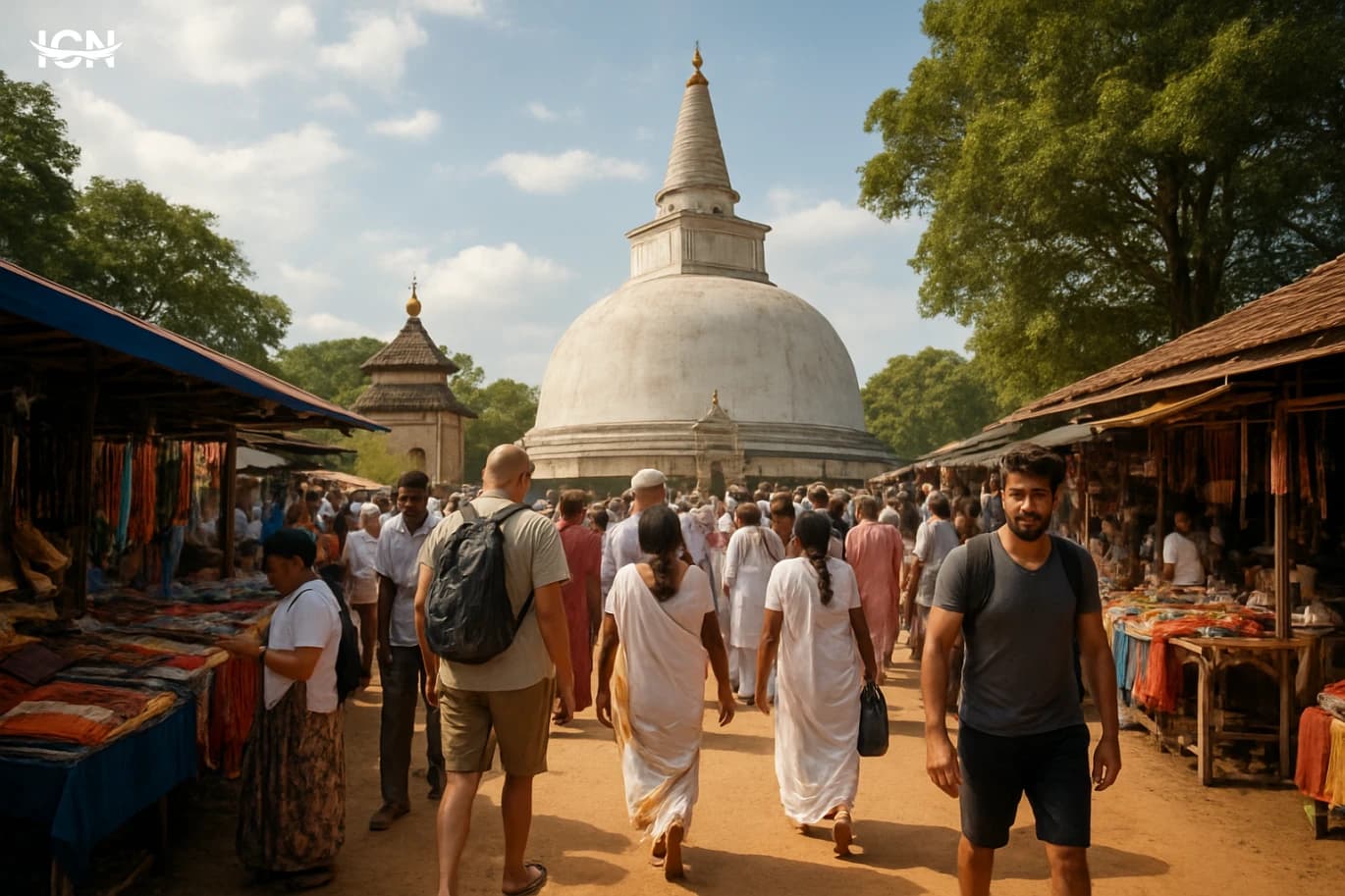
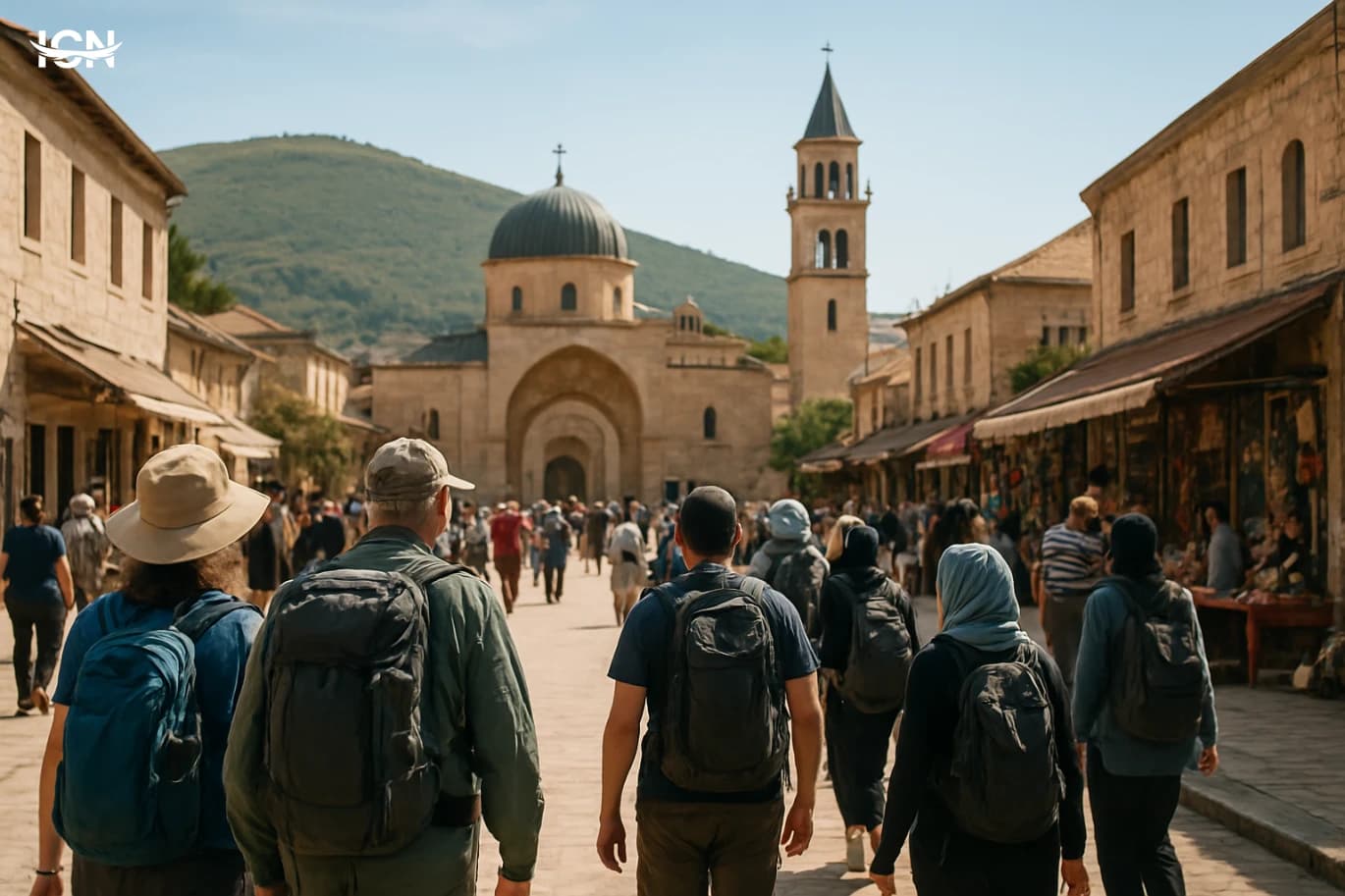
Pilgrimage is often discussed as a personal spiritual journey, but it is also a large-scale social and economic event that reshapes places for weeks or months at a time. Across many faith traditions, pilgrimage routes and destination cities create predictable cycles of travel, spending, volunteering, and public services. These cycles influence how local governments plan transport, sanitation, and crowd management, and they affect how residents experience their own neighborhoods. In some towns, the pilgrimage season is the single biggest driver of annual income for small businesses, from food vendors and pharmacies to guesthouses and repair shops. Modern pilgrimage is also shaped by technology and changing travel habits. Many visitors now book accommodation online, use digital maps to navigate routes, and rely on mobile payments, which changes who benefits economically and how quickly money circulates. At the same time, social media can increase demand for certain sites, streets, or viewpoints, concentrating foot traffic in narrow areas and creating new pressure points for safety and maintenance. Understanding pilgrimage today therefore requires looking beyond belief and ritual to the practical systems that keep a destination functioning under intense, temporary demand.

The seasonal economy behind sacred travel

Pilgrimage destinations often run on a seasonal economy with clear peaks and troughs. During peak weeks, demand rises for lodging, meals, local transport, water, medical supplies, and basic retail. This creates temporary jobs and overtime opportunities, but it can also raise prices for residents if supply is limited. Local producers may benefit when visitors prefer regional foods, crafts, or services, yet the strongest gains often go to businesses that can scale quickly, such as larger hotels or transport operators. A key detail is cash flow timing. Many small businesses invest upfront in inventory, staffing, and short-term rentals, expecting to recover costs during a narrow window. If weather, travel disruptions, or scheduling changes reduce visitor numbers, those businesses can be left with losses. Some destinations address this by diversifying the calendar with cultural events, educational programs, or off-season tourism, aiming to stabilize income and reduce dependence on a single period. Another factor is the informal economy: unregistered guides, street vendors, and ad-hoc services can fill gaps quickly, but they complicate regulation, taxation, and consumer protection. The most resilient local economies tend to be those that connect pilgrimage spending to longer-term development. Examples include training programs for hospitality workers, standards for food safety, and partnerships that help local artisans reach visitors through verified marketplaces. When managed well, pilgrimage can support small enterprises without turning the destination into a purely commercial zone.

Infrastructure under pressure

A sudden influx of visitors tests the basics: roads, public transit, water supply, waste collection, and emergency services. Many destinations must plan for population levels that temporarily multiply, which requires flexible capacity. Transport is often the first bottleneck. If buses, taxis, or pedestrian routes are not coordinated, congestion can spread quickly and reduce access for residents, workers, and service vehicles. Some cities respond with timed entry systems, dedicated shuttle routes, temporary pedestrian zones, and clear signage in multiple languages. Public health and sanitation are equally central. More people means more demand for clean water, restrooms, and waste removal, and small failures can escalate into broader problems. Effective destinations typically combine additional cleaning crews with temporary facilities, strict vendor hygiene rules, and rapid-response maintenance teams. Medical readiness also changes during peak periods: clinics may extend hours, pharmacies stock higher volumes of common medications, and emergency coordination centers monitor crowd density and heat exposure. Infrastructure planning is not only about peak performance; it is also about what remains after the season ends. Investments in sidewalks, lighting, drainage, and accessibility can improve daily life for residents, but poorly planned construction can create long-term disruption. The most credible plans include transparent budgets, community consultation, and measurable targets such as reduced travel time, improved waste collection rates, and safer pedestrian movement.

Community life and cultural continuity

Pilgrimage can strengthen community identity, especially when local residents participate as hosts, volunteers, or service providers. Many destinations develop traditions around welcoming visitors, offering guidance, and maintaining public spaces. These practices can reinforce intergenerational knowledge: younger residents learn local history, etiquette, and practical skills such as organizing queues, managing donations, or providing first aid. For some communities, the season also supports cultural continuity through local foods, crafts, and storytelling that visitors actively seek out. However, community benefits are not automatic. If housing is converted heavily into short-term rentals, residents may face higher rents or reduced availability. Noise, traffic, and litter can strain daily routines, and the feeling of being “outnumbered” can create frustration even when the economic benefits are real. Balanced destinations often set rules for rental licensing, protect residential zones, and create channels for residents to report issues quickly. They also invest in public communication so visitors understand local norms, dress expectations where relevant, and respectful behavior in shared spaces. A practical measure of success is whether residents feel the season is manageable and worthwhile. Surveys, town-hall meetings, and neighborhood committees can provide data on pain points and help authorities adjust plans year to year. When residents are treated as partners rather than bystanders, pilgrimage can remain a source of pride rather than tension.

Sustainability and responsible visitation

Environmental impact is a growing concern for pilgrimage destinations, particularly where natural resources are limited. High foot traffic can damage pathways and green areas, while increased vehicle use raises air pollution and noise. Waste is often the most visible issue: single-use packaging, leftover food, and plastic bottles can overwhelm local systems. Responsible visitation strategies focus on prevention, not just cleanup. Cities and site managers can encourage refillable water stations, require vendors to use recyclable packaging, and place sorting bins in high-traffic zones with clear instructions. Energy and water management also matter. Temporary demand spikes can strain utilities, so some destinations invest in efficient lighting, smart meters, and water-saving fixtures in public facilities. Transport policies can reduce emissions by prioritizing shared shuttles, limiting private vehicle access near sensitive areas, and improving walkability. Another sustainability dimension is heritage preservation. Historic buildings and sacred spaces can be damaged by overcrowding, humidity changes, or improper maintenance. Visitor caps, timed tickets, and guided-route systems can protect sites while still allowing access. Responsible visitation is not only a government task. Clear visitor education—through booking confirmations, signage, and local media—can set expectations about waste disposal, queue behavior, and respect for local rules. When sustainability is treated as part of the pilgrimage experience, destinations can reduce harm without diminishing the meaning of the journey.

What good management looks like

Well-managed pilgrimage destinations share a few practical features: clear governance, reliable data, and coordination across agencies and community groups. Governance starts with defined responsibilities—who manages transport, who licenses vendors, who oversees safety, and who communicates with visitors. Data matters because assumptions can be wrong. Counting arrivals, mapping crowd density, tracking waste volumes, and monitoring price changes help decision-makers respond quickly and plan for the next season. Coordination is often the hardest part. A destination may involve municipal departments, site administrators, health services, transport operators, and volunteer networks. Regular briefings, shared incident reporting, and unified public messaging reduce confusion. Another marker of good management is fairness. Transparent vendor permits, anti-price-gouging rules, and accessible complaint channels can protect both visitors and residents. Some destinations also create designated zones for small vendors so local entrepreneurs can participate without blocking key routes. Finally, good management includes learning. After the season, authorities can publish a public report summarizing visitor numbers, service performance, and improvement priorities. This builds trust and encourages continuous upgrades. When pilgrimage is treated as a predictable, recurring system—rather than an annual emergency—cities can protect sacred spaces, support local livelihoods, and deliver a safer, more organized experience for everyone involved.
* All articles published on this blog are sourced from various websites and are provided for informational purposes only. They should not be considered as confirmed studies or accurate information. Please verify the information independently before relying on it.

Similar ARTICLES

How Communities Preserve Sacred Music Today
Sacred music remains one of the most practical ways communities carry beliefs across generations. In many traditions, melodies and rhythmic patterns are tied to specific seasons, ceremonies, and shared memories, making them easier to retain than long texts alone. Congregations often recognize a piece within seconds, even when language changes or literacy levels vary. This matters in diaspora settings, where families may live far from their original places of worship and rely on sound to recreate a familiar spiritual environment. Beyond worship, sacred music functions as a social infrastructure. Choir rehearsals, chant circles, and instrument lessons create weekly routines that connect elders, youth, and newcomers. These gatherings also transmit etiquette: when to stand, how to respond, how to breathe together, and how to treat a sacred text or space. In many communities, the music is not considered a performance but a form of participation, where accuracy and intention are both valued. This dual role—spiritual practice and community glue—explains why preservation efforts have expanded rather than faded in the digital age.
How Communities Observe Sacred Time Today
Sacred time is the idea that certain hours, days, or seasons carry a special meaning beyond the ordinary calendar. In many faith traditions, it organizes community life through weekly gatherings, annual festivals, and periods of reflection. Even in highly scheduled modern societies, sacred time remains a practical framework: it sets predictable moments for rest, shared meals, charitable activity, and intergenerational teaching. This is not only about personal spirituality; it also shapes how neighborhoods coordinate events, how families plan travel, and how local businesses adjust opening hours. Today, sacred time is also influenced by technology and mobility. People may join services through livestreams, follow prayer times via apps, or participate in holiday rituals while living far from their extended families. These changes raise concrete questions: what counts as “being present,” how do communities maintain a shared rhythm when members work irregular shifts, and how do leaders communicate expectations clearly? Understanding sacred time as a social system helps explain why it persists and how it adapts without losing its core purpose: creating structured moments for meaning, accountability, and belonging.
Everyday Ethics Across World Faiths
Many people associate religion with ceremonies, sacred texts, and places of worship, but for most believers the most frequent contact with faith is practical: how to speak, trade, work, and treat others. Daily ethics is where beliefs become visible in ordinary decisions, from returning a lost item to keeping a promise when it is inconvenient. This topic is also relevant for mixed communities and workplaces, where people may not share the same theology but still expect fairness, honesty, and respect. A useful way to approach the subject is to focus on common ethical questions rather than doctrinal debates. What does a tradition say about truthfulness in business? How does it frame generosity when resources are limited? How does it encourage patience, self-control, and responsibility in family and community life? Looking at these questions across major faiths can help readers understand both shared values and meaningful differences in emphasis, language, and practice.
How Faith Communities Preserve Memory
Religions and belief traditions are not only sets of doctrines; they are also systems for remembering. Communities pass down stories, moral lessons, and shared identities across centuries, often without relying on formal institutions or written archives alone. Memory in this context is practical: it helps people locate themselves in a larger narrative, understand obligations, and interpret everyday decisions through inherited meaning. This kind of memory is not static. It is curated and refreshed through repeated practices that make the past feel present. A community may emphasize certain episodes, figures, or teachings in response to new circumstances, while still claiming continuity. That tension—between preservation and adaptation—is one reason religious memory remains influential even in highly modernized societies.
How Faith Communities Preserve Heritage Today
Across many religions and belief traditions, heritage is not limited to old buildings or museum artifacts. It includes languages used in prayer, styles of calligraphy, music traditions, seasonal calendars, and community rules that shape daily life. When these elements fade, communities often lose practical knowledge about how to gather, teach, and support one another. This is why preservation has become a modern priority rather than a nostalgic hobby. In recent years, faith communities have faced rapid urban development, migration, and changing family structures. A neighborhood place of worship might be replaced by new construction, or a community may relocate and struggle to maintain its customs in a new setting. At the same time, younger members often learn and socialize online, which changes how traditions are transmitted. Preservation efforts now focus on documentation, education, and access, aiming to keep heritage usable and understandable rather than simply “saved.” This topic is also relevant beyond any single tradition. Many communities share similar challenges: limited funding, volunteer burnout, and the need to balance openness with respect for sacred practices. Understanding how preservation works in practice helps readers see faith heritage as living culture with clear social, educational, and economic impacts.
How Interfaith Food Traditions Shape Communities
Across many faiths, food is one of the most visible ways beliefs enter daily life. Dietary rules, fasting periods, and shared meals are not only private practices; they also shape how neighbors interact at schools, workplaces, and public events. This topic looks at interfaith food traditions as a practical lens for understanding belief in modern communities. It focuses on what people can observe and organize: menus, schedules, hospitality norms, and the etiquette of inviting others. In diverse cities, a single calendar month can include multiple observances that affect eating patterns, from daytime fasting to festival feasts. When institutions plan with awareness, they reduce friction and increase participation. A community center that offers flexible meal times, a school that labels ingredients clearly, or an employer that schedules team lunches thoughtfully can turn potential exclusion into inclusion. Food becomes a bridge because it is concrete: it requires planning, purchasing, preparation, and shared space. This blog topic examines how interfaith meals work in practice, what common misunderstandings arise, and how communities can host events that respect different traditions without turning them into performances. The emphasis is on real-world decisions: ingredient sourcing, cross-contact concerns, timing, and communication. It also considers how food-based gatherings can support civic cohesion by creating repeated, low-pressure opportunities for people to meet beyond formal dialogue sessions.
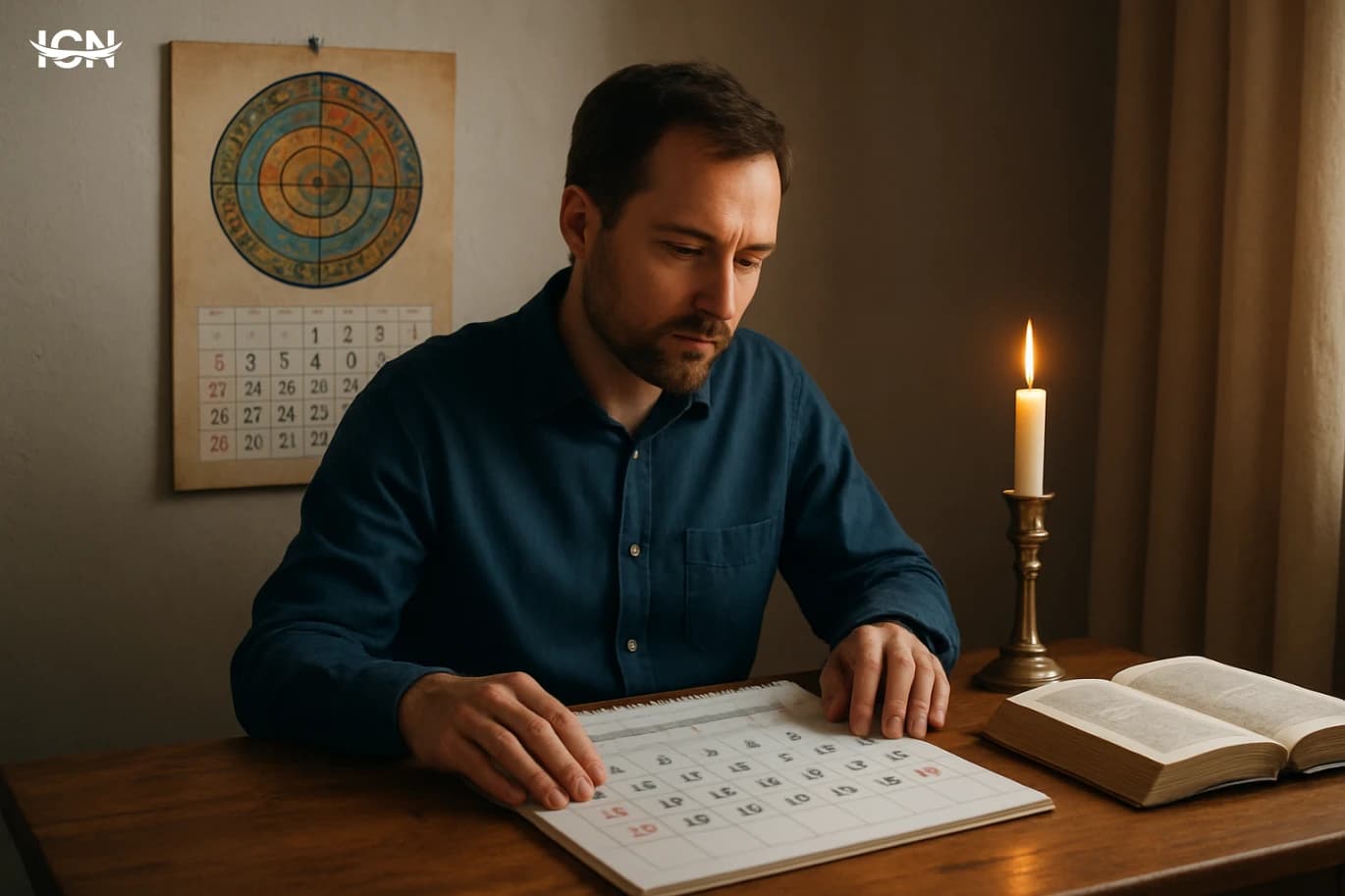
How Sacred Calendars Shape Daily Life
Religious calendars are not just tools for counting days; they organize community life, set expectations for worship, and influence everyday routines such as meals, work patterns, and family gatherings. In many traditions, the calendar defines when people fast, celebrate, make pilgrimages, or pause for reflection. These rhythms can shape how neighborhoods sound and look, from the timing of services to the availability of certain foods and the scheduling of public events. A key reason sacred calendars matter is that they connect personal time to shared time. When a community observes the same holy days, individuals experience a sense of coordination that goes beyond logistics. The calendar becomes a practical framework for identity: it tells people what season they are in spiritually, what stories are being remembered, and what values are being practiced. Even for those who are not deeply observant, the calendar can still influence school schedules, business hours, and cultural habits.
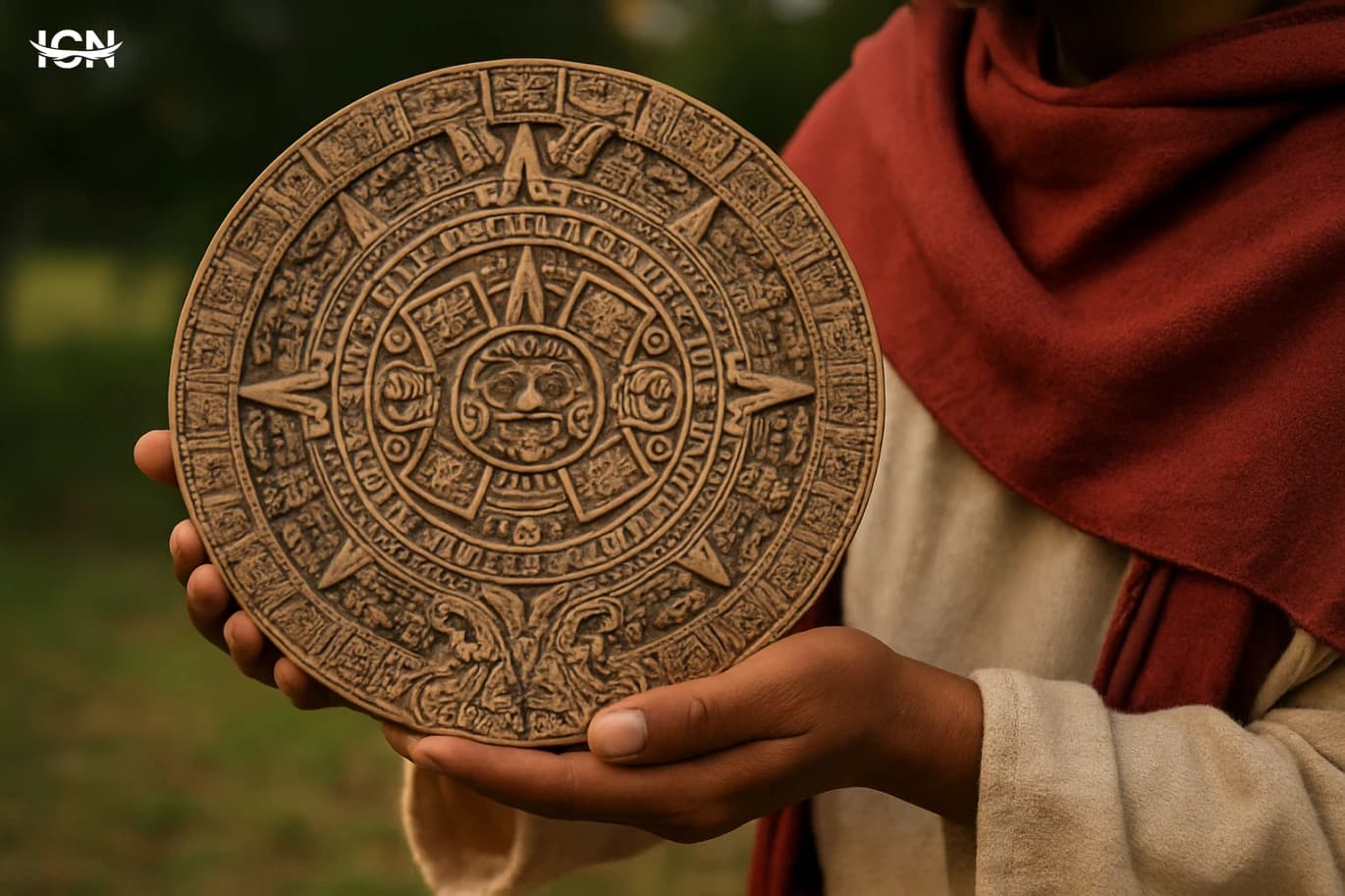
How Communities Mark Time With Sacred Calendars
Sacred calendars are not just lists of holidays; they are systems that organize community life through recurring dates, seasons, and rituals. In many traditions, the calendar sets the rhythm for fasting periods, pilgrimage windows, weekly gatherings, and commemorations of foundational events. Even in highly digital societies, people still plan travel, school schedules, and family visits around these dates because they carry shared meaning and clear expectations. A sacred calendar also creates continuity: it links individuals to earlier generations who observed the same cycle, often using similar prayers, foods, and customs. For journalists and analysts, calendars are a practical lens for understanding how belief becomes routine behavior, how institutions coordinate large groups, and how communities maintain identity across time and geography.
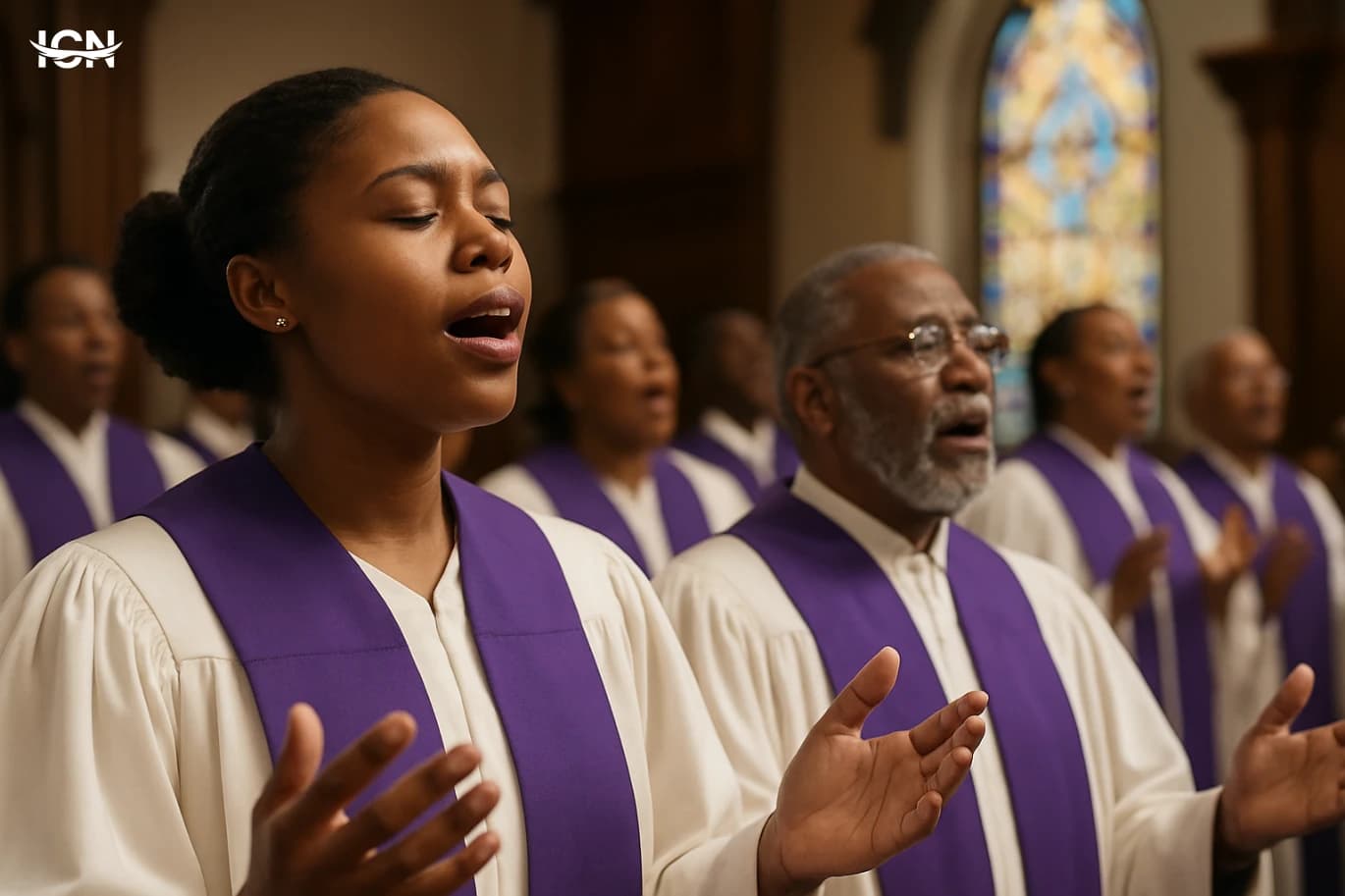
How Communities Preserve Sacred Music Traditions
Across many faith communities, sacred music is more than an artistic add-on; it is a practical tool for memory, participation, and identity. Melodies and repeated refrains help congregations learn core texts, remember seasonal themes, and follow the structure of services without needing constant prompts. In many traditions, music also sets the pace of communal actions such as processions, standing or sitting cues, and moments of silence, making gatherings smoother and more inclusive for newcomers. Sacred music also functions as a record of local history. A community choir’s repertoire often reflects migration patterns, language shifts, and the influence of neighboring cultures. When a congregation keeps singing a particular hymn arrangement, chant mode, or devotional song, it is preserving decisions made by earlier generations about pronunciation, tempo, and acceptable instruments. Those choices can signal how a community balances continuity with adaptation, especially when younger members bring new musical tastes or when services move into new venues.
How Pilgrimage Shapes Local Economies
Pilgrimage is often discussed as a personal spiritual journey, but it also functions as a predictable, high-volume movement of people that reshapes local economies. When a city becomes a destination for recurring religious visits, it gains a seasonal or year-round inflow of travelers who need transport, lodging, food, and basic services. That demand can stabilize certain businesses, encourage new ones, and influence how municipal services are planned. In many places, pilgrimage seasons are among the few periods when small vendors can earn a significant share of their annual income. This topic examines pilgrimage as an economic system with identifiable inputs and outputs: visitor spending, job creation, infrastructure pressure, and long-term investment. It also looks at how the economic benefits are distributed, which groups gain the most, and what risks appear when a local economy becomes too dependent on a single religious season. The goal is not to reduce belief to money, but to understand how religious travel interacts with everyday livelihoods and public planning in a measurable way.
How Faith Communities Preserve Living Heritage
Religions and beliefs are often discussed through doctrines and historical milestones, but their most durable influence is frequently carried through living heritage: the everyday practices that people repeat, teach, and adapt. This includes seasonal observances, shared meals, music, storytelling, volunteer routines, and the small etiquette of community life. These practices are not static. They change with migration, new languages, urban schedules, and the realities of modern work and schooling. Yet they remain recognizable because communities build continuity through repetition, shared spaces, and a sense of responsibility to pass something on. Living heritage also functions as a practical social infrastructure. It creates predictable moments when people meet, check on elders, welcome newcomers, and coordinate mutual aid. In many places, community centers, houses of worship, and cultural associations serve as hubs for language classes, youth activities, and charitable initiatives. The heritage is “living” because it is performed and maintained, not simply archived. Understanding how communities preserve it offers a concrete way to examine religions and beliefs without reducing them to abstract ideas. It also highlights the skills involved: organizing, teaching, documenting, and negotiating change while keeping a shared identity intact.
How Communities Preserve Sacred Texts Today
Sacred texts are not only sources of belief; they also shape education, ethics, language, and community memory. Preservation matters because many faith communities rely on stable wording for worship, teaching, and legal or moral guidance. Even small changes can affect interpretation, recitation, and the continuity of tradition across generations. In practice, preservation is also about access: communities want reliable copies that can be read in homes, schools, and places of worship without uncertainty about authenticity. Modern pressures make this work more complex than it appears. Climate risks, migration, aging paper collections, and the decline of specialized skills can all threaten physical manuscripts. At the same time, digital copying creates new questions about version control, provenance, and long-term storage. The result is that preservation today is a blend of scholarship, community governance, and practical logistics, with decisions that influence how future readers encounter foundational texts.
How Communities Preserve Sacred Texts
Across many faith traditions, sacred texts are treated as more than historical documents. They are used in worship, education, and daily decision-making, which means accuracy and continuity matter to communities over long periods. Preservation is not only about keeping old manuscripts in storage; it is also about ensuring that a text remains readable, teachable, and trusted as it moves across generations and geographies. Communities often connect preservation to identity. When a text is recited in a familiar cadence, copied in a recognizable script, or taught through established methods, it reinforces a shared sense of belonging. At the same time, preservation has practical stakes: fragile materials decay, languages evolve, and political or economic disruptions can scatter collections. The result is a constant balancing act between protecting originals and enabling access for learners and practitioners.
By clicking the SUBSCRIBE button, you are agreeing to our Privacy & Cookie Policy If you want to unsubsribe the marketing email, please proceed to our privacy center.
© 2005-2026 ICN. All Rights Reserved.