How Pilgrimage Shapes Local Economies
- Why pilgrimage still matters today
- The spending map of a pilgrim
- Jobs, skills, and seasonal business cycles
- Infrastructure, pricing, and resident life
- Making pilgrimage economies more sustainable
Why pilgrimage still matters today
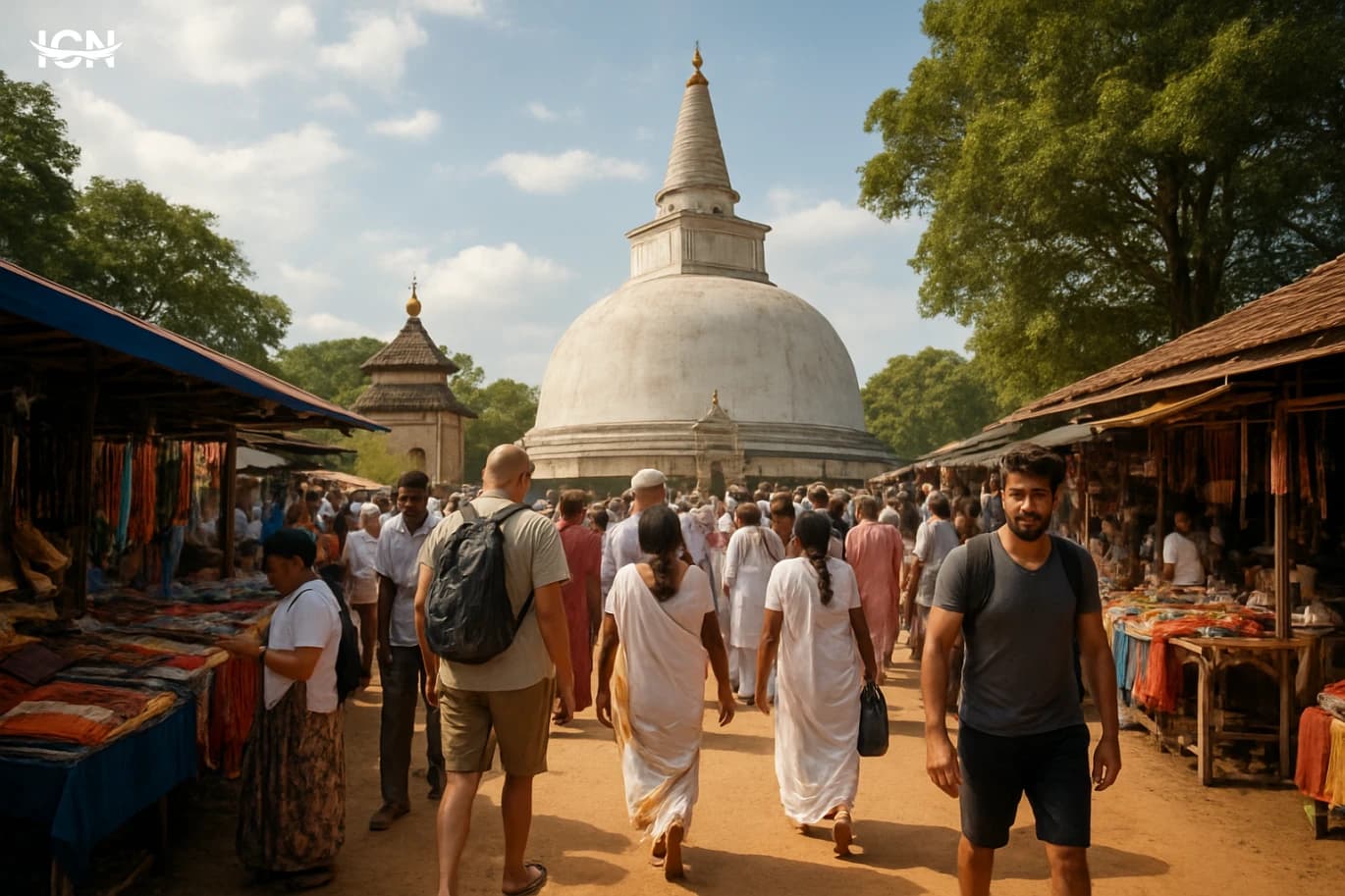
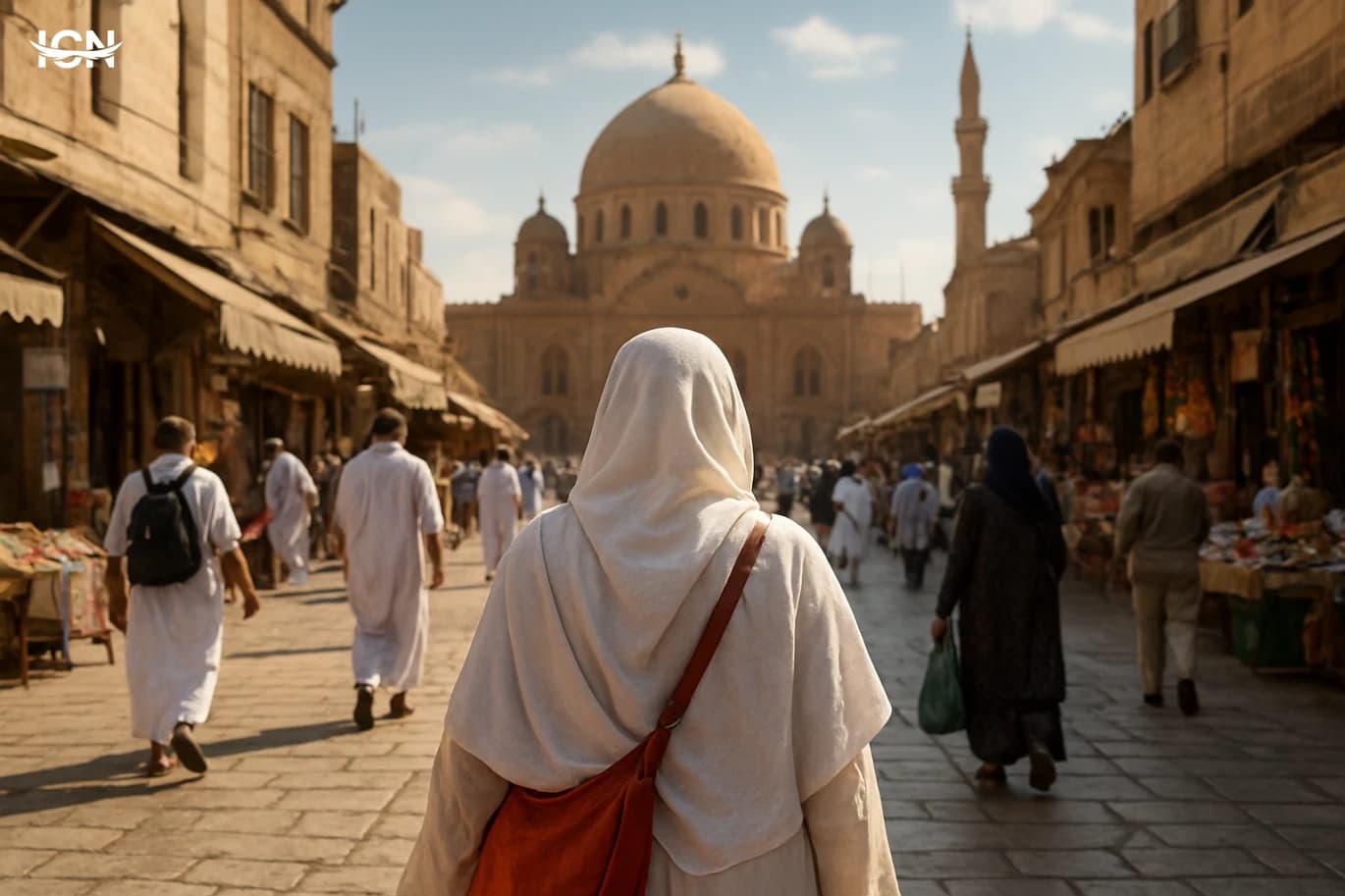
Pilgrimage is often discussed as a spiritual journey, but it is also a predictable, recurring movement of people that can reshape a town’s economy for weeks or months. In many countries, pilgrimage seasons create a temporary “second calendar” that businesses, transport operators, and local authorities plan around. Hotels adjust pricing and staffing, restaurants expand menus and opening hours, and small vendors prepare inventory that matches the needs of visitors who may be traveling long distances. Even when pilgrims aim for simplicity, the basics—food, water, lodging, local transport, and essential supplies—generate measurable demand. What makes pilgrimage economically distinct from other forms of travel is its concentration in time and place. A festival weekend or a major religious date can bring a surge that is several times the normal population of a small city. This concentration can lift incomes quickly, but it also creates pressure on services and infrastructure. Local governments may need temporary sanitation, crowd management, and public health measures, while residents experience changes in traffic patterns and access to public spaces. Understanding pilgrimage as both belief-driven and logistics-heavy helps explain why it remains a major factor in local planning and livelihoods.
The spending map of a pilgrim
A pilgrim’s spending is usually distributed across a clear set of categories, and each category supports different layers of the local economy. The first is transport: intercity buses, rail links, taxis, ride-hailing, and shuttle services. During peak days, transport becomes a bottleneck, so operators add vehicles, extend hours, and hire temporary drivers. The second category is accommodation, ranging from formal hotels to guesthouses and short-term rentals. Where regulations allow, households may rent spare rooms, creating direct income that does not pass through large companies. Food and beverages form the third category, and the impact can be broad. Large restaurants benefit, but so do bakeries, street vendors, and grocery stores. Pilgrims often buy packaged items that travel well, which increases demand for local wholesalers and distribution networks. A fourth category is retail: modest clothing, prayer-related items, souvenirs, and practical goods like phone chargers and umbrellas. Finally, services such as laundry, mobile connectivity, and medical clinics see higher demand. When local suppliers can meet these needs, more money circulates within the community rather than leaking to outside providers. This spending map also highlights inequality risks. If most accommodation is controlled by a small number of firms, profits concentrate. If local microbusinesses lack permits or access to safe vending spaces, they may be pushed out. A balanced approach requires clear rules that protect visitors and residents while keeping opportunities open for small enterprises.
Jobs, skills, and seasonal business cycles
Pilgrimage seasons can function as a labor market shock—often positive—by creating short-term jobs and encouraging skill development. Temporary hiring rises in hospitality, cleaning services, catering, transport coordination, security for venues, and customer service. For students and part-time workers, these weeks can provide meaningful income. For small entrepreneurs, the season can be the main annual opportunity to build capital, test products, and establish supplier relationships. However, seasonality also creates instability. Workers may face intense schedules followed by long periods of low demand. Businesses that invest heavily in inventory or renovations can struggle if visitor numbers fluctuate due to weather, travel costs, or changes in scheduling. This is why some destinations try to extend the season with cultural programming, improved visitor information, or better transport links that spread arrivals over more days. Skills matter as much as volume. Cities that train workers in basic hospitality standards, food safety, queue management, and multilingual communication can improve visitor experience and reduce operational risks. Digital skills are increasingly important: online booking, mobile payments, and real-time navigation tools can reduce congestion and improve transparency. When local authorities and business associations coordinate training before peak periods, the benefits tend to last beyond the season and raise the baseline quality of services year-round.
Infrastructure, pricing, and resident life
Large pilgrim flows test infrastructure in ways that normal tourism may not. Water supply, waste collection, public toilets, pedestrian routes, and emergency response systems all face peak loads. If a city relies on temporary solutions only, the same problems repeat each year. Some municipalities use pilgrimage seasons to justify long-term upgrades such as improved sidewalks, better signage, expanded public transport, and stronger mobile network coverage. These investments can benefit residents long after visitors leave. Pricing is another sensitive issue. Demand spikes can push up hotel rates and even everyday costs in nearby neighborhoods. Residents may feel priced out of their own markets, while visitors may face unclear pricing and inconsistent service quality. Transparent pricing rules, published rate guidance for key services, and consumer complaint channels can reduce friction. For accommodation, licensing and minimum safety standards help protect visitors and reduce unfair competition. Resident life is not only about inconvenience; it can also involve opportunity. Local artisans, family-run eateries, and neighborhood shops may see their best sales of the year. But to keep community support, authorities often need traffic plans, quiet hours in residential zones, and clear routes that separate pedestrian pilgrim corridors from local commuting needs. When residents see that the season is managed professionally, tolerance rises and the economic benefits are more likely to be shared.
Making pilgrimage economies more sustainable
Sustainability in pilgrimage economies is largely about planning, data, and fair access. Counting visitors accurately—through transport data, accommodation records, and anonymized mobile indicators—helps cities size services realistically. With better forecasting, authorities can schedule cleaning shifts, place temporary medical points, and manage pedestrian flows to reduce congestion. Waste management is a practical priority: reusable water stations, clear recycling points, and contracts that scale with demand can reduce costs and improve public hygiene. Local value capture is another goal. Cities can encourage local sourcing for food, cleaning supplies, and basic goods so that spending supports nearby producers. Vendor licensing that is affordable and easy to obtain can bring informal sellers into safer, regulated spaces. Digital payments and e-receipts can improve transparency and reduce disputes, while also helping small businesses build credit histories. Finally, governance matters. A single coordination unit that includes municipal services, transport operators, health providers, and business representatives can make decisions quickly during peak days. Publishing post-season reports—visitor numbers, service performance, and improvement plans—builds trust and helps residents see concrete outcomes. When pilgrimage is managed as a recurring public event with clear standards, it can support belief-driven travel while strengthening local economies in a way that is stable, inclusive, and measurable.