How Pilgrimage Shapes Local Economies
- Why pilgrimage still matters
- Transport and crowd logistics
- Hotels, rentals, and seasonal labor
- Food supply chains and small businesses
- Public services and infrastructure costs
- Measuring impact and planning responsibly
Why pilgrimage still matters
Pilgrimage is often discussed as a spiritual practice, but it also functions as a predictable, recurring flow of people that reshapes how towns and cities plan services. When a destination receives large numbers of visitors for a limited period, local authorities and businesses face the same questions every year: how to move people safely, where they will sleep, what they will eat, and how to manage waste, water, and public spaces. These practical needs create temporary spikes in demand that can be measured in hotel occupancy, transport ticket sales, food purchases, and retail activity. Unlike many tourism trends, pilgrimage calendars are usually anchored to religious dates and long-established routes. That stability makes it easier for local economies to prepare, invest, and hire, but it also creates pressure to expand capacity that may sit underused outside peak weeks. In many places, pilgrimage spending is not limited to the immediate destination. It extends to surrounding towns that provide overflow accommodation, logistics, and supplies, and to regional transport hubs that handle arrivals and departures. Understanding pilgrimage as an economic cycle helps explain why some communities prioritize infrastructure projects, licensing systems, and public-private coordination specifically around these seasons.
Transport and crowd logistics
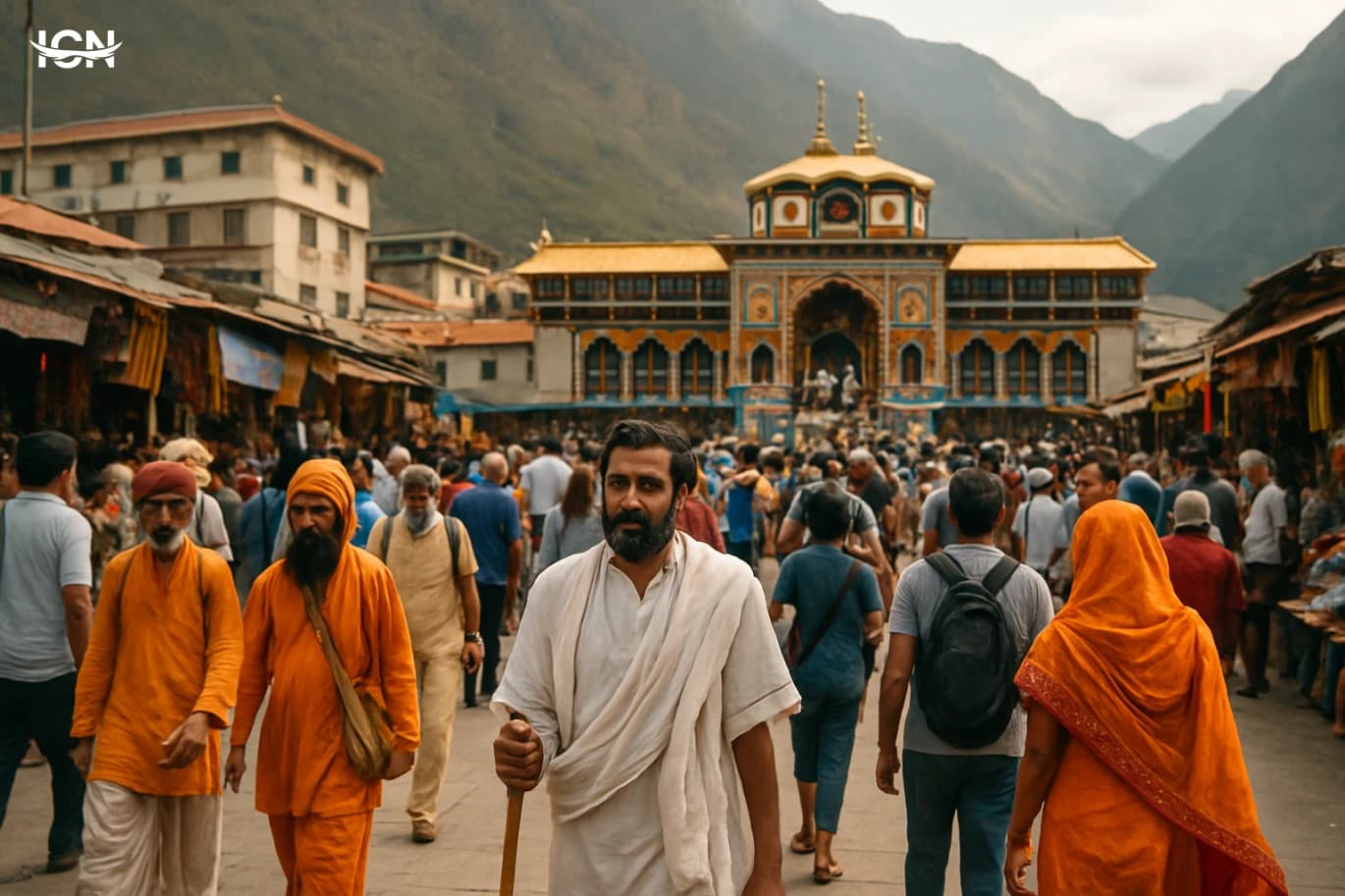
Transport is usually the first economic layer affected by pilgrimage. Airlines, intercity buses, rail operators, and local taxi networks experience concentrated demand that requires extra scheduling, temporary routes, and surge staffing. Even where prices are regulated, higher volumes translate into higher total revenue, and they often justify investments in stations, parking, signage, and digital ticketing. Local governments may also contract additional services such as shuttle buses, traffic control, and pedestrian management, which creates short-term jobs and procurement opportunities. Crowd logistics also influences the local business landscape. Areas near major sites may be converted into pedestrian zones, which changes foot traffic patterns and determines which shops benefit most. Vendors adjust product mixes toward portable meals, water, weather-appropriate clothing, and low-cost essentials. Payment systems become a practical issue: destinations that upgrade to reliable card acceptance or mobile payments often reduce queues and improve sales conversion during peak hours. At the same time, the strain on roads, sidewalks, and public transport can accelerate maintenance needs, meaning the economic benefit comes with a measurable infrastructure cost that must be budgeted.
Hotels, rentals, and seasonal labor
Accommodation is one of the most visible indicators of pilgrimage-driven economic activity. Hotels, guesthouses, and short-term rentals can reach full capacity, pushing operators to refine pricing, reservation policies, and service standards. In many destinations, the peak season becomes the period that determines annual profitability, encouraging renovations and expansions that aim to capture a few high-demand weeks. This can also stimulate adjacent sectors such as laundry services, cleaning contractors, maintenance providers, and local furniture suppliers. Seasonal labor expands quickly during these periods. Hospitality businesses hire temporary reception staff, cleaners, kitchen workers, and security personnel. Restaurants add shifts and contract additional suppliers. Retailers extend opening hours and recruit short-term cashiers and stock handlers. For local residents, this can create a predictable income opportunity, but it also raises questions about training, worker housing, and fair scheduling. Municipalities and industry groups sometimes respond with short courses on customer service, basic language skills, and health and safety procedures to reduce operational problems when visitor volumes peak.
Food supply chains and small businesses
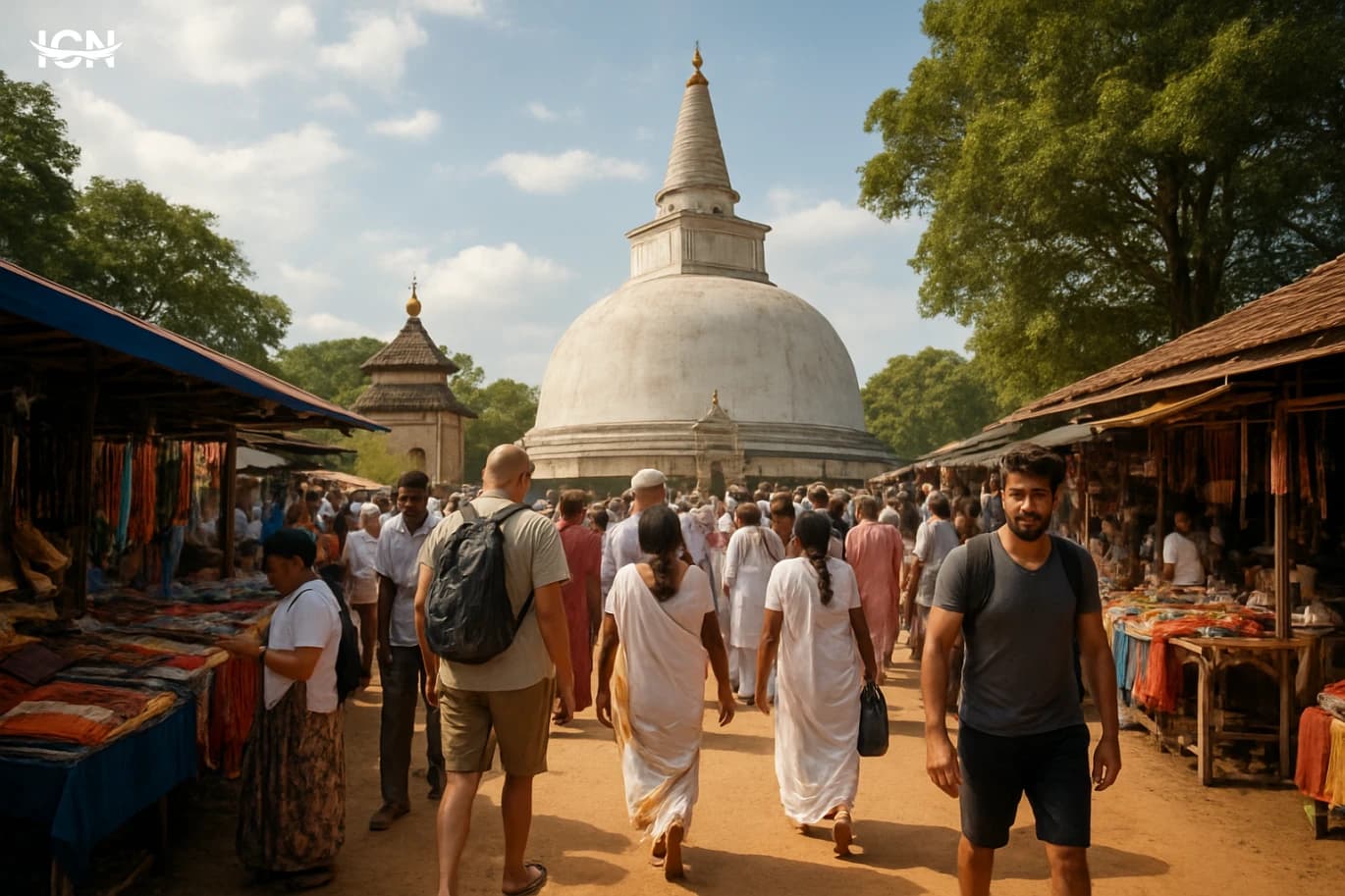
Food is a daily necessity that scales directly with visitor numbers, making it a major driver of local supply chains. During pilgrimage seasons, wholesalers increase orders of staples, bottled water, and ready-to-eat items. Cold storage and last-mile delivery become critical, especially in warm climates where food safety risks rise with temperature and crowd density. Restaurants and caterers often simplify menus to improve speed and consistency, while street vendors focus on high-turnover products that can be prepared safely and served quickly. Small businesses can benefit significantly, but outcomes depend on regulation and access. Licensing rules for temporary stalls, designated vending zones, and health inspections shape who can participate. When local authorities provide clear permits and fair allocation of selling locations, more neighborhood entrepreneurs can earn income. Conversely, unclear rules can lead to congestion, uneven competition, and waste. Another factor is packaging: high volumes of single-use containers can overwhelm waste systems, so some destinations encourage bulk water stations, standardized recycling bins, or supplier agreements that reduce packaging. These operational choices have direct economic effects on procurement costs, staffing, and the cleanliness that influences visitor satisfaction.
Public services and infrastructure costs
Pilgrimage seasons increase demand for public services that are not always visible to visitors but are central to city operations. Water consumption rises, sanitation schedules intensify, and waste volumes can multiply in a short time. Health services may need additional clinics, ambulance coverage, and multilingual information points. These requirements lead to higher municipal spending on overtime, equipment rentals, and temporary facilities, and they can also accelerate long-term investments in sewage capacity, public toilets, lighting, and shaded walkways. The economic question is how costs are recovered and how benefits are distributed. Some destinations fund upgrades through hotel taxes, service fees, or partnerships with private operators. Others rely on national budgets or special-purpose authorities. Transparent budgeting matters because residents experience the downsides first: traffic disruption, noise, and pressure on local services. When cities publish clear plans for peak-season management, including performance targets such as waste collection times and transport throughput, they can reduce friction and protect the reputation that sustains future visitor numbers. Good infrastructure planning also supports year-round residents, turning seasonal pressure into a catalyst for broader urban improvements.
Measuring impact and planning responsibly
To understand whether pilgrimage benefits a local economy, measurement needs to go beyond headline visitor counts. Useful indicators include average length of stay, spending per visitor, occupancy rates across different neighborhoods, and the share of purchases that go to local suppliers rather than external chains. Mobile location data, anonymized ticketing statistics, and merchant payment data can help estimate flows and peak times, while surveys can capture visitor satisfaction and identify bottlenecks such as long queues or unclear signage. Responsible planning also means protecting the character of the destination while improving operations. Overbuilding accommodation can leave empty properties for much of the year, while underbuilding can push visitors into unsafe or informal arrangements. Cities that coordinate with community leaders, religious site managers, transport operators, and small business associations can set realistic capacity targets and clear rules for vending, pricing transparency, and service quality. When these elements are aligned, pilgrimage seasons can support stable jobs, better infrastructure, and stronger local businesses without creating unmanaged strain on residents or public services.