How Faith Communities Preserve Languages
- Why language survives in worship
- Scripture and the power of fixed texts
- Schools, choirs, and community classes
- Diaspora life and bilingual services
- Technology, archives, and modern challenges
Why language survives in worship
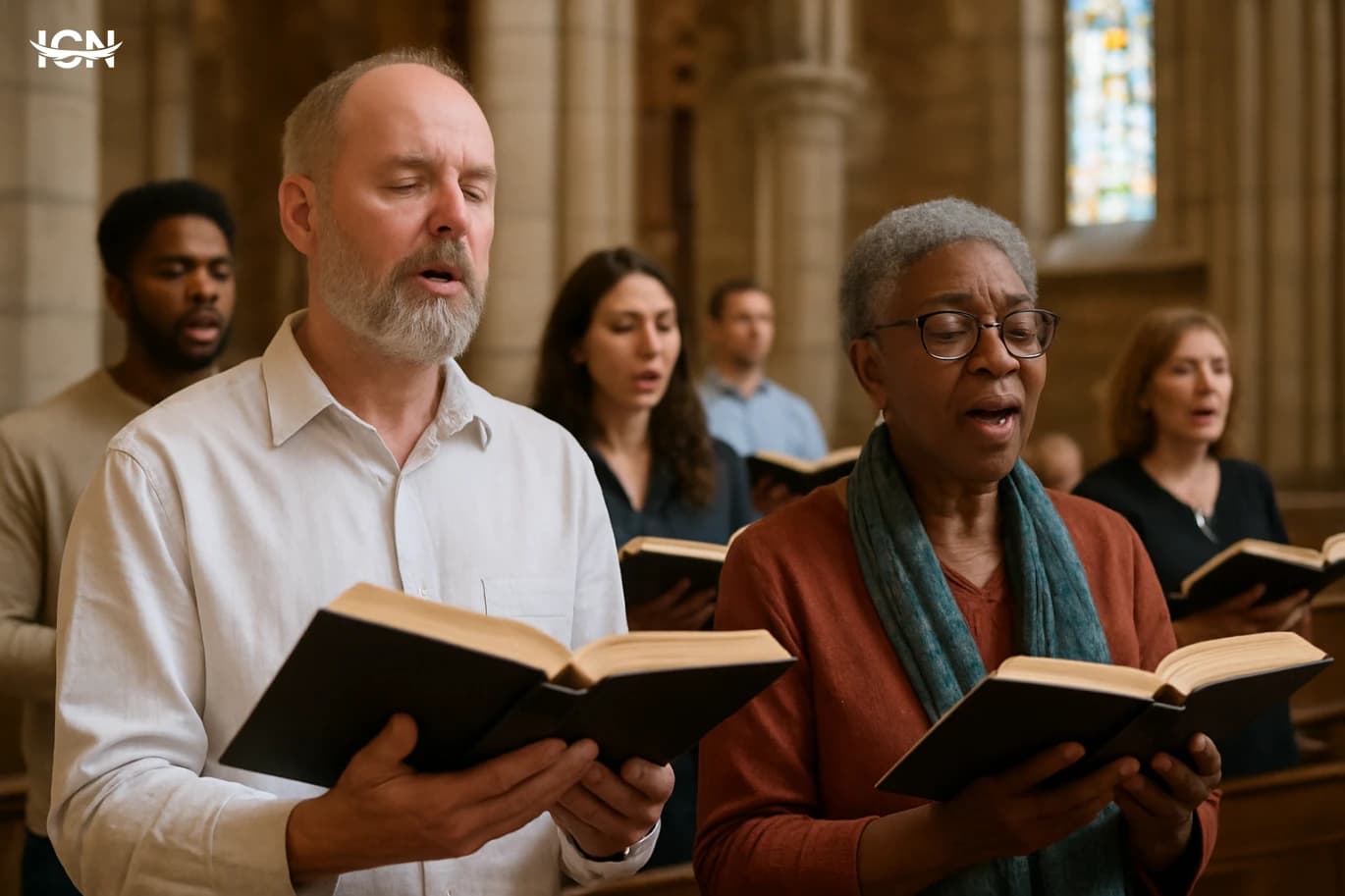
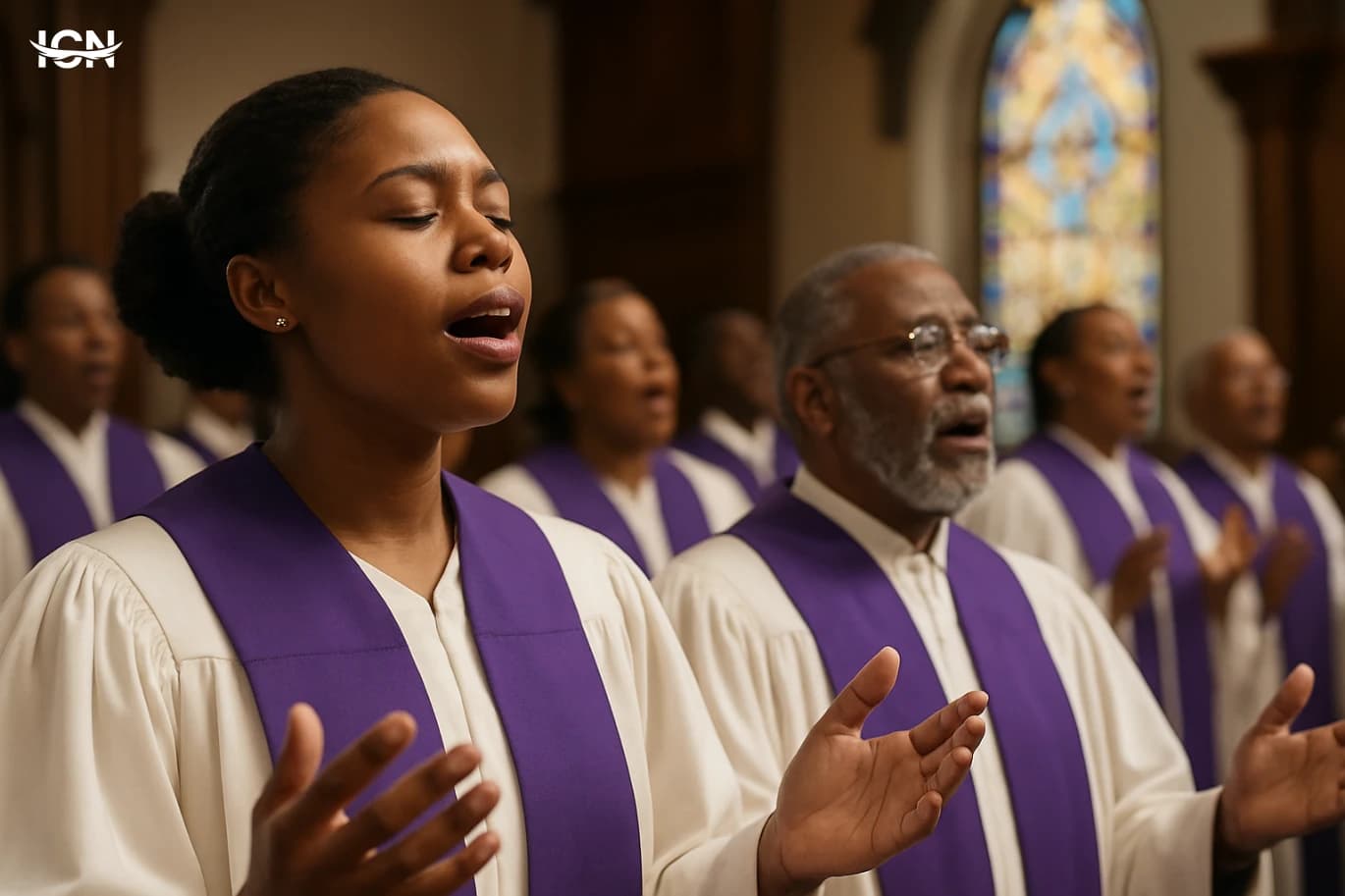
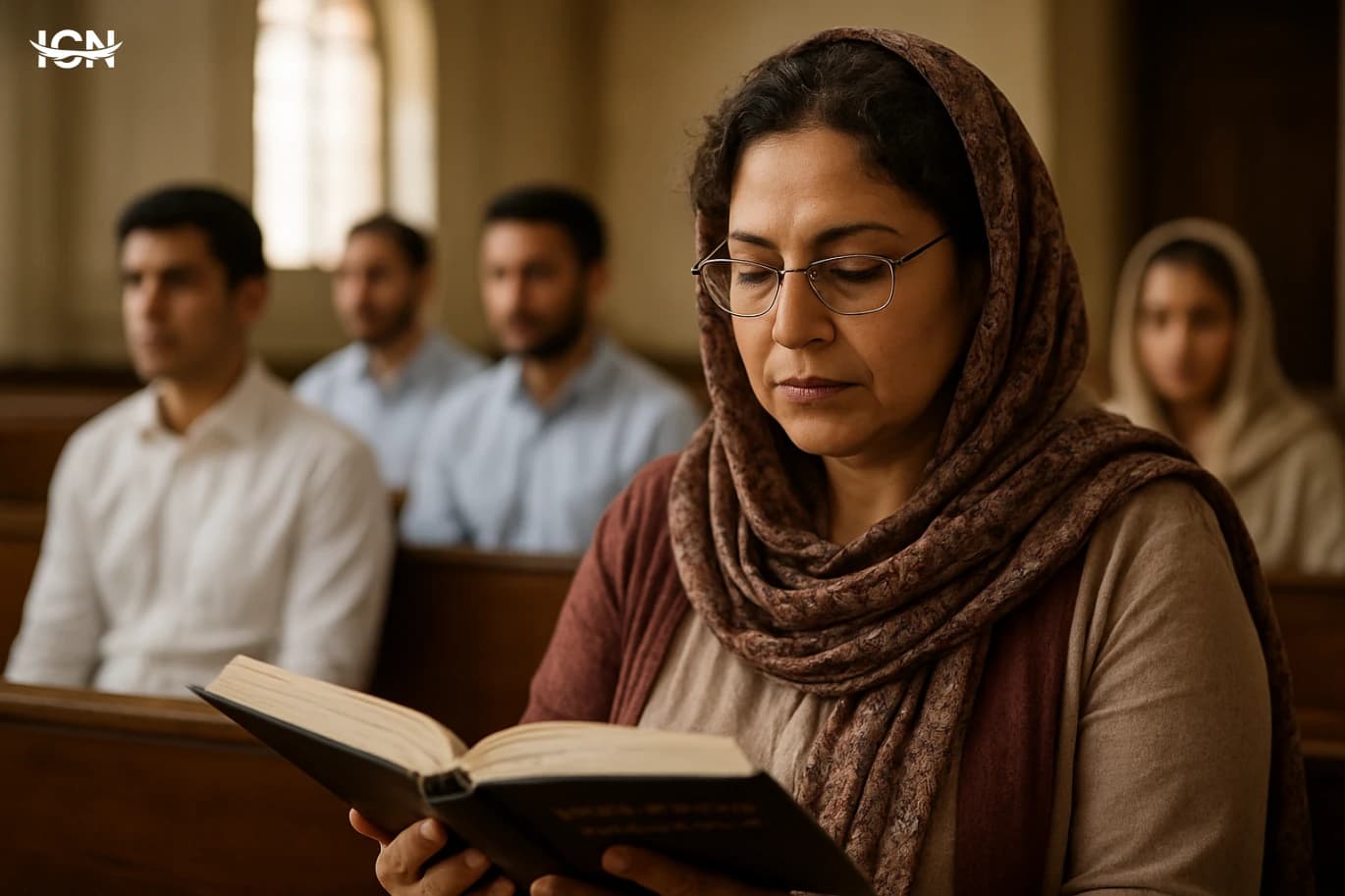
Across many religions, language is more than a tool for communication; it becomes a stable container for memory, identity, and shared practice. When a community repeats prayers, chants, readings, and responses week after week, the same words are reinforced across generations, even when daily speech changes. This is one reason older languages or older forms of a language can remain familiar inside a place of worship long after they fade from the street. Religious settings also create predictable learning moments: children hear fixed phrases, adults practice recitation, and leaders model pronunciation and rhythm. Over time, this repetition builds a practical vocabulary tied to key life events such as births, coming-of-age ceremonies, marriages, funerals, and seasonal observances. Faith communities also provide social incentives to maintain a heritage language. Participation can require understanding basic terms, following a service, or singing along, and that encourages families to pass on at least a functional level of literacy or listening comprehension. In diaspora settings, this effect can be stronger because the religious center may be one of the few places where the heritage language is heard publicly. The result is not only preservation of words, but preservation of accents, melodies, and patterns of respectful address that carry cultural meaning.
Scripture and the power of fixed texts
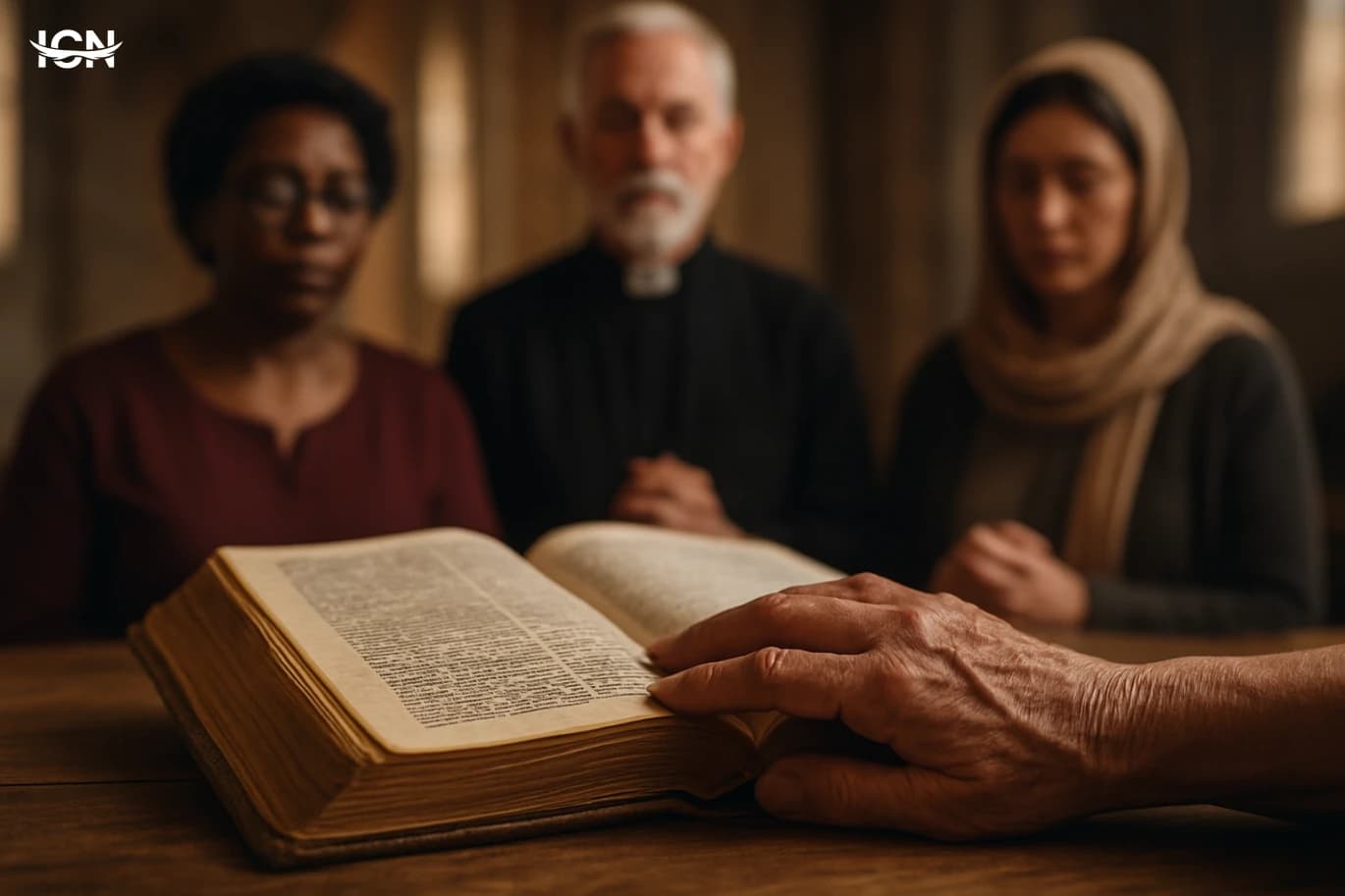
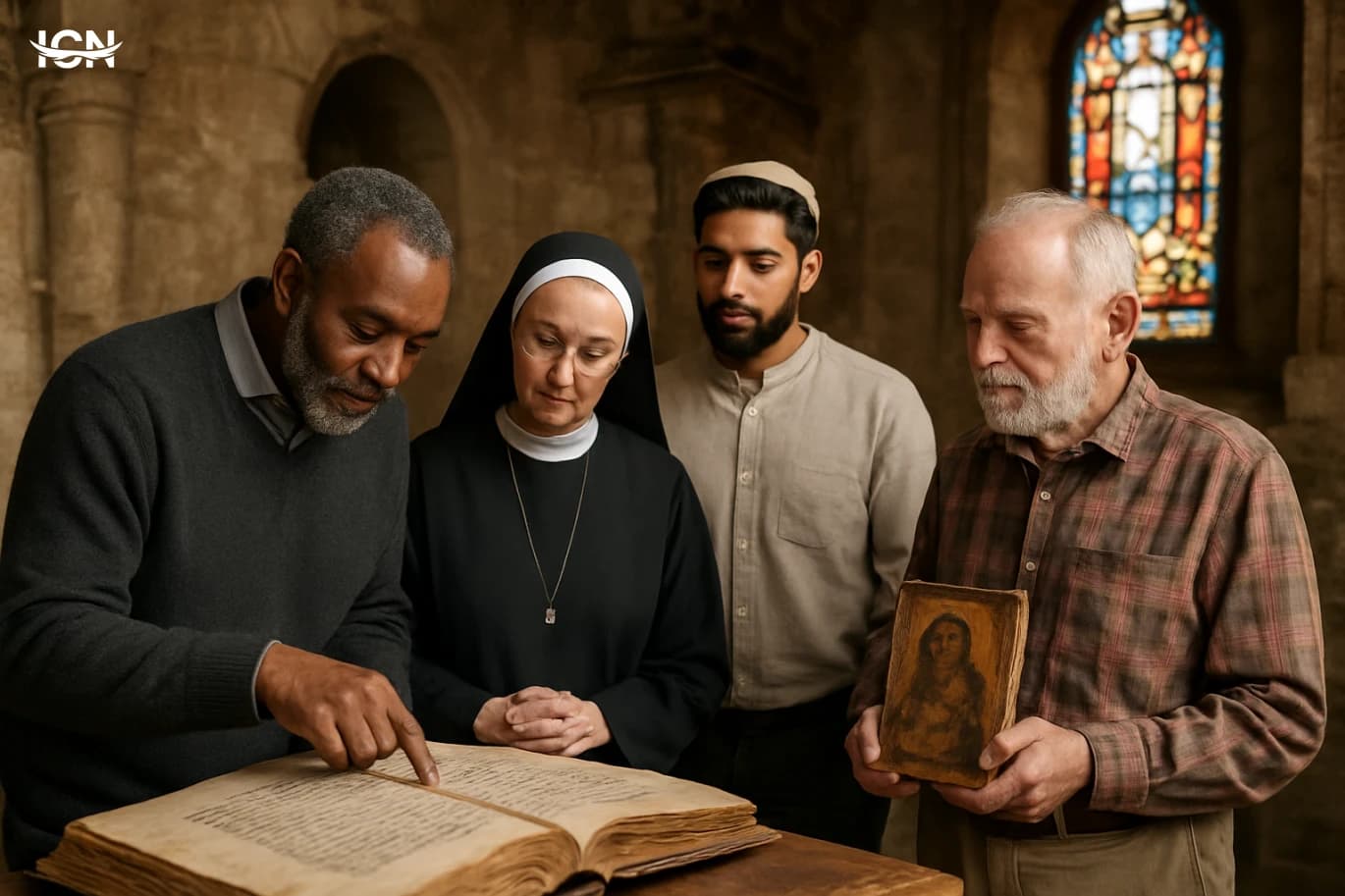
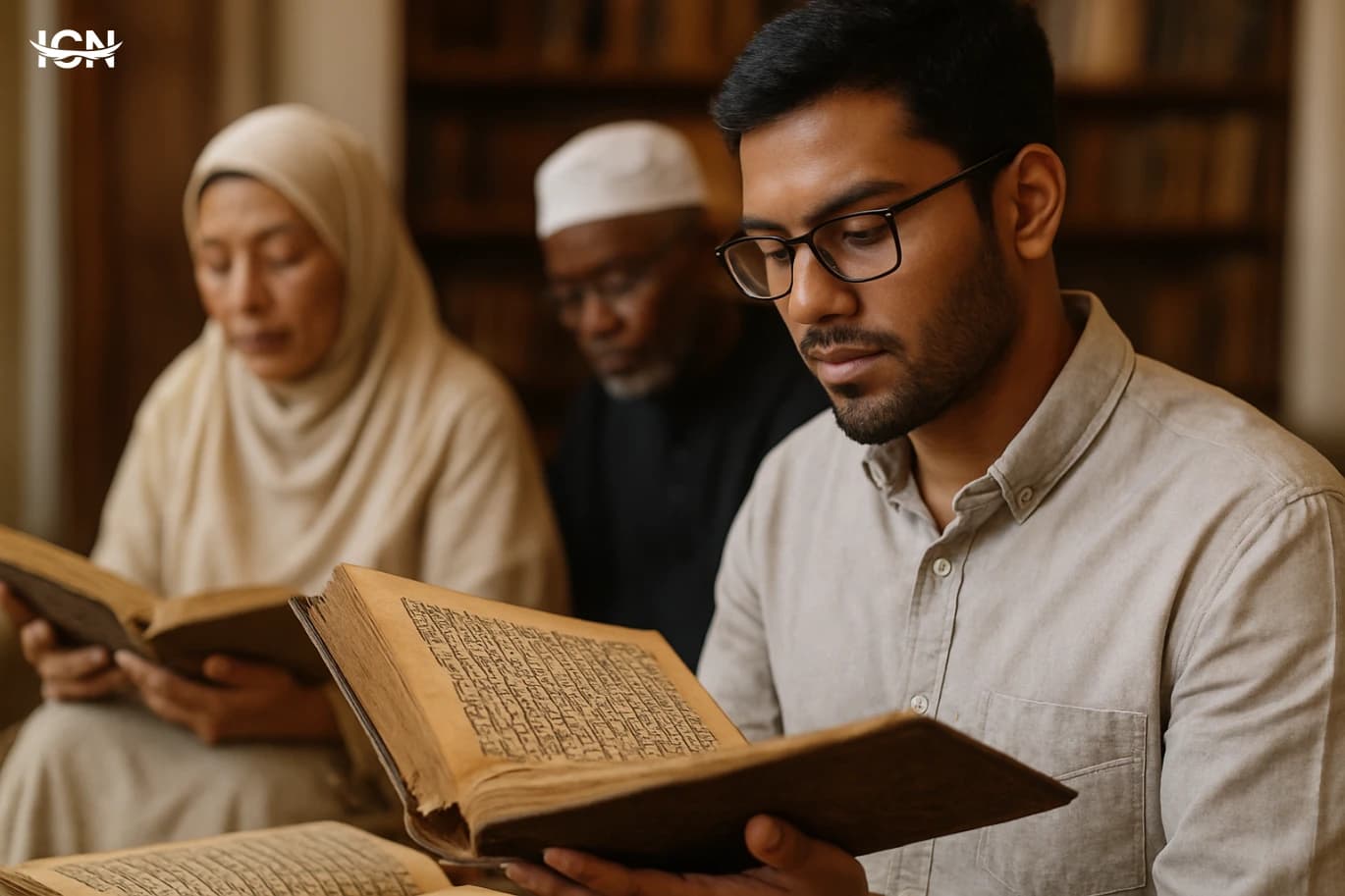
Sacred texts often anchor language preservation because they are treated as authoritative and are copied, read aloud, and studied with care. In many traditions, the original language of scripture is maintained even when translations are widely used. This creates a layered linguistic environment: a community may speak one language at home, use another for education or work, and still encounter a classical or liturgical language in religious study. The fixed nature of scripture supports stable spelling, standardized phrasing, and a shared reference point for teaching. It also encourages commentary traditions, where scholars and teachers explain meanings and context, expanding vocabulary and keeping older grammatical forms in circulation. Printing and digital distribution have strengthened this effect. Affordable editions, audio recordings, and mobile apps allow learners to hear correct recitation and follow along with transliteration or parallel translations. Some communities invest in memorization programs, which preserve not only the words but also the cadence and pronunciation norms. At the same time, debates about translation versus original-language use can shape how accessible services feel to younger members. Many congregations respond by combining approaches: keeping key passages in the traditional language while offering explanations in the community’s everyday language, so the heritage form remains present without becoming a barrier.
Schools, choirs, and community classes
Beyond worship, many faith communities build practical institutions that keep a language alive. Weekend schools, after-service classes, and study circles can teach reading, writing, and basic conversation using religious content as a structured curriculum. This approach has clear advantages: materials are already organized around calendars and themes, and learners see immediate use for what they study when they participate in services. Choirs and chanting groups add another layer, because music supports pronunciation and memory. Rehearsals create repeated exposure to the same lines, and group performance reduces anxiety for learners who are not confident speakers. Community classes often adapt to local realities. In multilingual neighborhoods, instructors may use a bridge language to explain grammar, then return to the heritage language for practice. Some programs focus on literacy so participants can follow texts; others prioritize oral comprehension so families can understand sermons and prayers. Increasingly, congregations also offer online sessions for members who live far away or travel frequently. These programs can be modest in scale but still effective because they connect language learning to social belonging: students are not only studying vocabulary, they are joining a community routine with clear expectations and supportive feedback.
Diaspora life and bilingual services
Migration reshapes language use, and religious institutions often become a central hub for maintaining heritage speech in diaspora communities. A congregation may include first-generation members who are fluent, second-generation members who understand but rarely speak, and newcomers who bring different dialects. To serve everyone, many communities develop bilingual or multilingual services. This can involve alternating readings, providing printed translations, or offering summaries in the dominant local language. The practical goal is inclusion, but the linguistic outcome is preservation: the heritage language remains audible and visible in a public setting. Diaspora communities also face choices about which variety of a language to promote. Some prefer a standardized form for teaching and scripture study; others prioritize the home dialect spoken by elders. These decisions affect identity and intergenerational communication. A balanced approach is increasingly common: formal settings use a standardized register, while social events and small groups allow dialects to thrive. Religious festivals, food events, and volunteer activities further reinforce language because they create informal conversation opportunities around shared tasks. In this way, language preservation is not only about texts and rituals, but about building enough real-life contexts where speaking feels useful and natural.
Technology, archives, and modern challenges
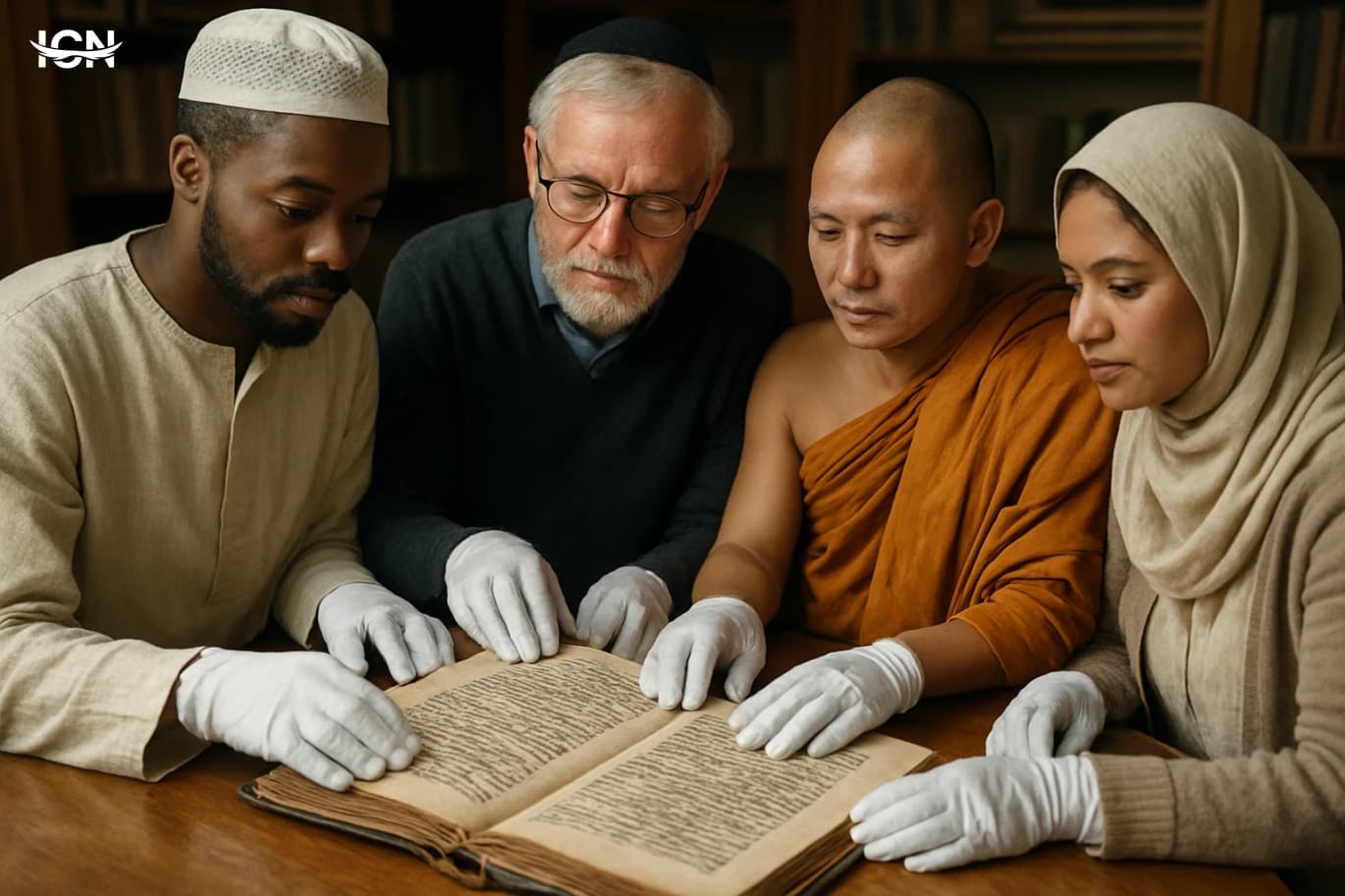
Digital tools have changed how faith communities preserve language. Many congregations now record sermons, publish newsletters, and stream services, creating searchable archives that capture vocabulary and pronunciation over time. Social media groups allow members to ask questions about meanings, share short readings, and coordinate study sessions. For smaller languages, even a modest online presence can be significant because it increases exposure beyond the immediate neighborhood. Some communities collaborate with linguists or cultural organizations to document oral histories, hymn traditions, and local variants before they disappear. At the same time, modern life introduces challenges. Younger members may have limited time for classes, and they may prefer content in the dominant language of school and work. There can also be tension between maintaining accuracy in traditional forms and allowing simplified usage that encourages participation. Successful programs tend to be realistic: they set clear goals such as teaching core prayers, basic reading skills, and key terms used in services, rather than aiming for full fluency for everyone. They also measure progress in practical ways, such as whether participants can follow a service, understand common announcements, and engage in community discussions. In many cases, language preservation works best when it is treated as an ongoing community service, not a one-time project.