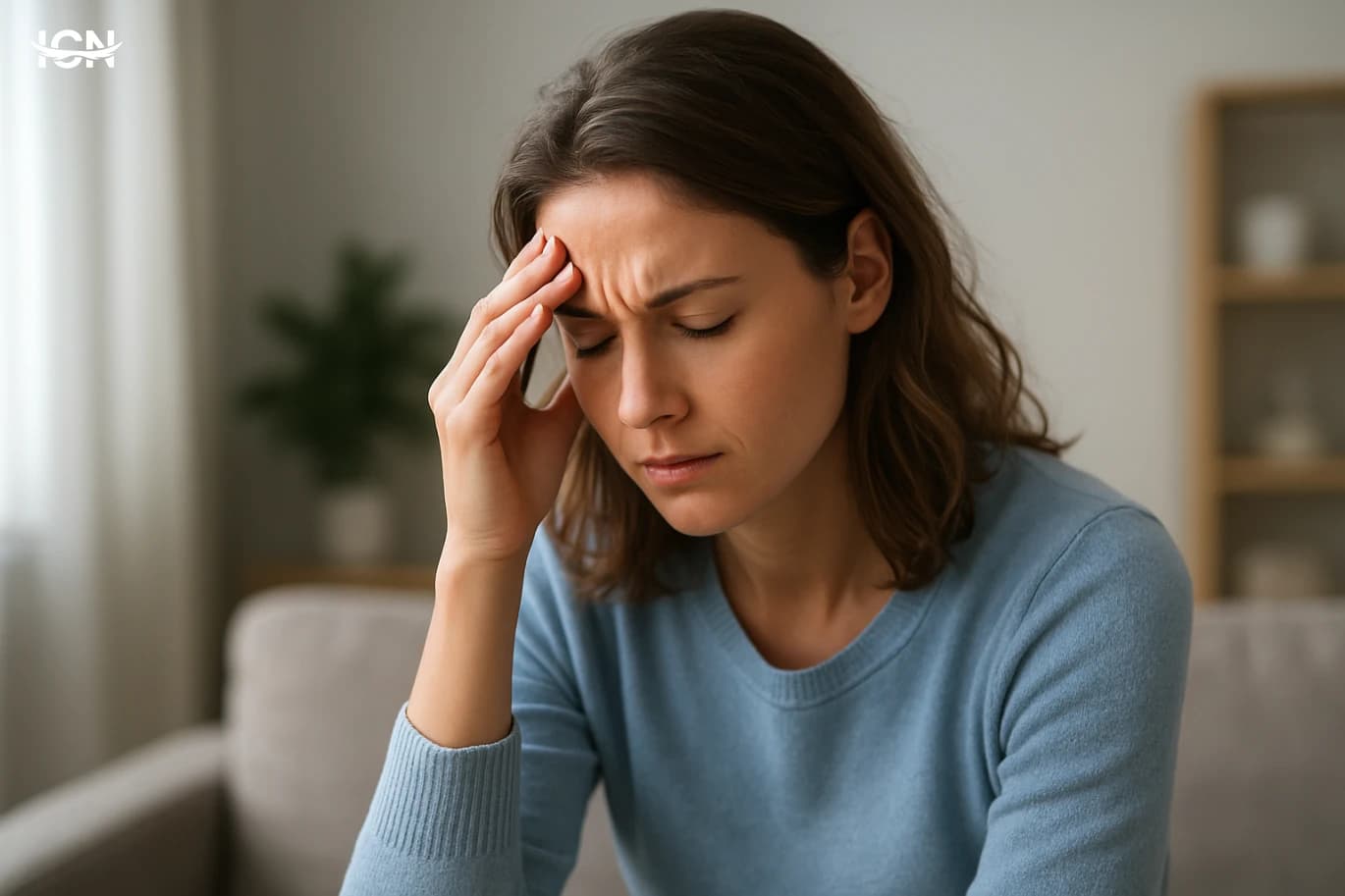
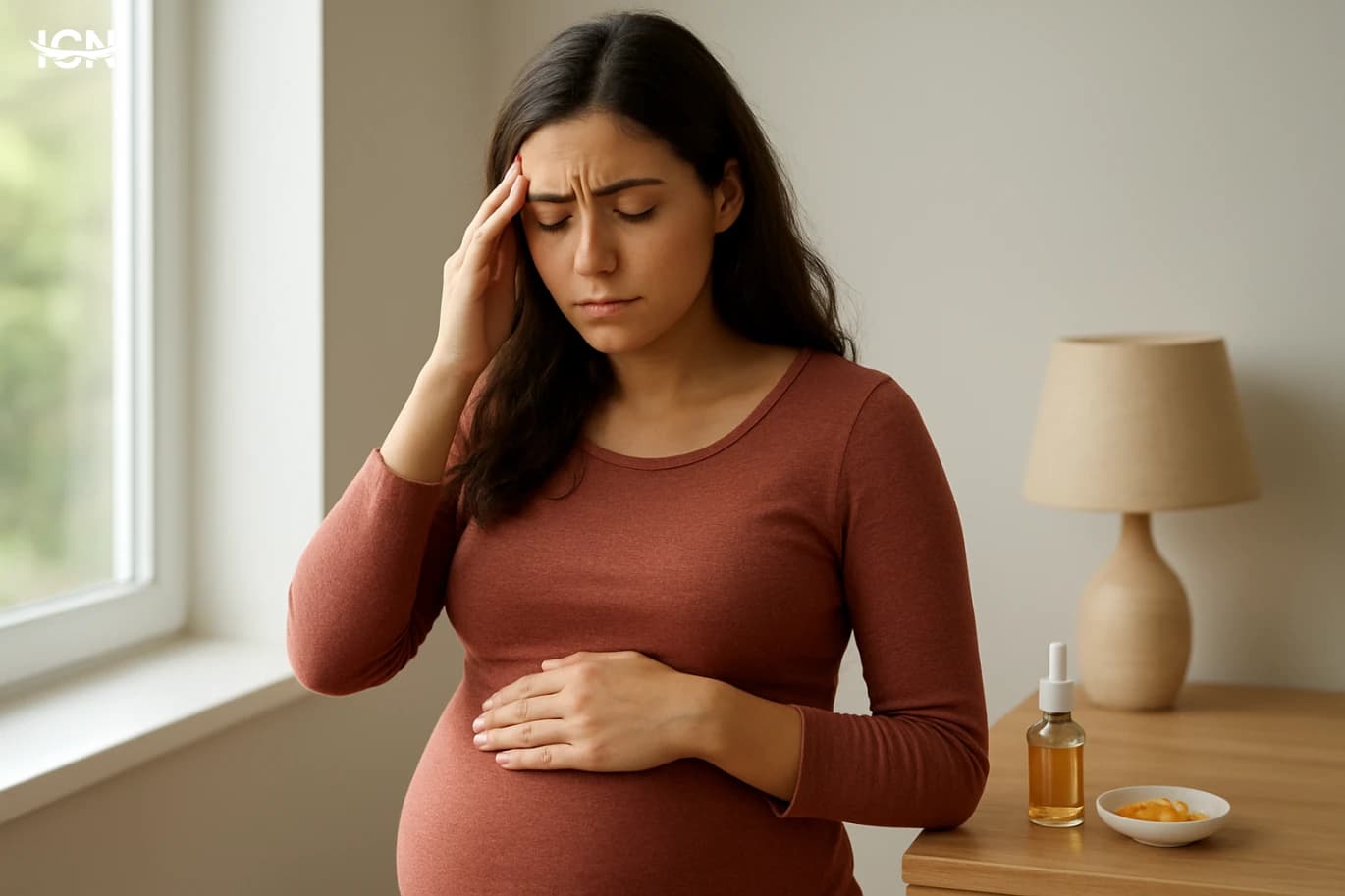
Hot flashes in women and mood swings

- Causes of hot flashes in women
- Symptoms of hot flashes and their impact on daily life
- Mood swings in women and their causes
- Ways to manage hot flashes and mood swings
- Tips for coping with mood swings and reducing hot flashes
Causes of hot flashes in women
A. Hormonal changes Hot flashes usually occur due to hormonal changes in a woman's body, especially during menopause. At this stage, the level of estrogen decreases, which leads to a disturbance in body temperature regulation. for. Psychological and environmental factors In addition to hormonal changes, psychological and environmental factors can play a role in the occurrence of hot flashes. Stress and anxiety can increase the severity of symptoms, and exposure to high temperatures or drinking hot drinks may also worsen the condition. Understanding these causes helps women deal with hot flashes better.
Symptoms of hot flashes and their impact on daily life
A. Common Symptoms Common symptoms of hot flashes include a sudden feeling of heat, often accompanied by sweating, and heart palpitations. Some may also experience redness of the face or neck. The severity of these symptoms varies from one woman to another, and may last for a short or long period. for. The effect of flashes on sleep and relationships Hot flashes can negatively affect the quality of sleep, leading to feeling tired and exhausted during the day. It can also affect social relationships, as a woman may feel embarrassed or uncomfortable in social situations. Therefore, it is important to understand these symptoms and strive to deal with them in effective ways.
Mood swings in women and their causes
A. Hormones and their effect on mood Hormonal fluctuations are among the most prominent reasons that affect a woman’s mood. Changes in hormones such as estrogen and progesterone cause emotions to fluctuate, which can lead to feelings of sadness or anger for no apparent reason. for. Psychosocial factors Psychological and social factors are also involved in mood swings. Work stress, family responsibilities, and relationship anxiety all contribute to these fluctuations. Women may feel isolated or frustrated as a result of these pressures, which requires looking for ways to enhance mental health.
Ways to manage hot flashes and mood swings
A. Natural Remedies and Lifestyle Some natural treatments can help relieve hot flashes and mood swings. Practicing meditation and yoga, and eating foods rich in omega-3, such as fish and nuts, can be effective. Exercising regularly also helps improve mood and enhance mental health. for. Drug Treatment and Medical Options Multiple medical options are available to treat mood swings and hot flashes. These options include prescription medications such as antidepressants or hormone treatments. It is important to consult a doctor to evaluate the condition and choose the most appropriate treatment, as medications can contribute to significantly improving the quality of life.
Tips for coping with mood swings and reducing hot flashes
A. Lifestyle Change Strategies Individuals can improve their quality of life by introducing positive changes to their lifestyle. For example, they should reduce their consumption of caffeine and sugar, as these can exacerbate symptoms. It is also preferable to eat healthy snacks throughout the day to keep energy levels stable. for. Psychological support and relaxation exercises Psychological counseling and interaction with support groups are effective in helping individuals deal with feelings of anxiety and depression. Deep breathing exercises and meditation are also excellent ways to relieve stress and anxiety associated with mood swings and hot flashes.