Healthy Meals That Support Ramadan Fasting
- Why meal quality matters in Ramadan
- Building a balanced iftar plate
- Suhoor that lasts through the day
- Hydration and smart beverages
- Managing cravings and sweets without extremes
- A simple weekly plan for healthier Ramadan meals
Why meal quality matters in Ramadan
Ramadan changes daily routines in a way that makes food choices more influential than usual. With fewer eating windows, each meal has to cover hydration, energy needs, and key nutrients without causing heaviness or digestive discomfort. A balanced approach helps many people maintain steady concentration during work or study hours, reduces the likelihood of headaches linked to dehydration or irregular caffeine intake, and supports better sleep when meals are timed well. Meal quality also affects how the body handles the long gap between suhoor and iftar. Meals built around slow-digesting carbohydrates, adequate protein, and healthy fats tend to provide more stable energy than meals dominated by refined starches and sugary drinks. In practical terms, this can mean fewer sharp energy dips in the afternoon and less intense cravings at iftar. Over the month, consistent healthy meals can help keep weight changes modest and support digestive regularity, especially when fiber and fluids are prioritized.
Building a balanced iftar plate
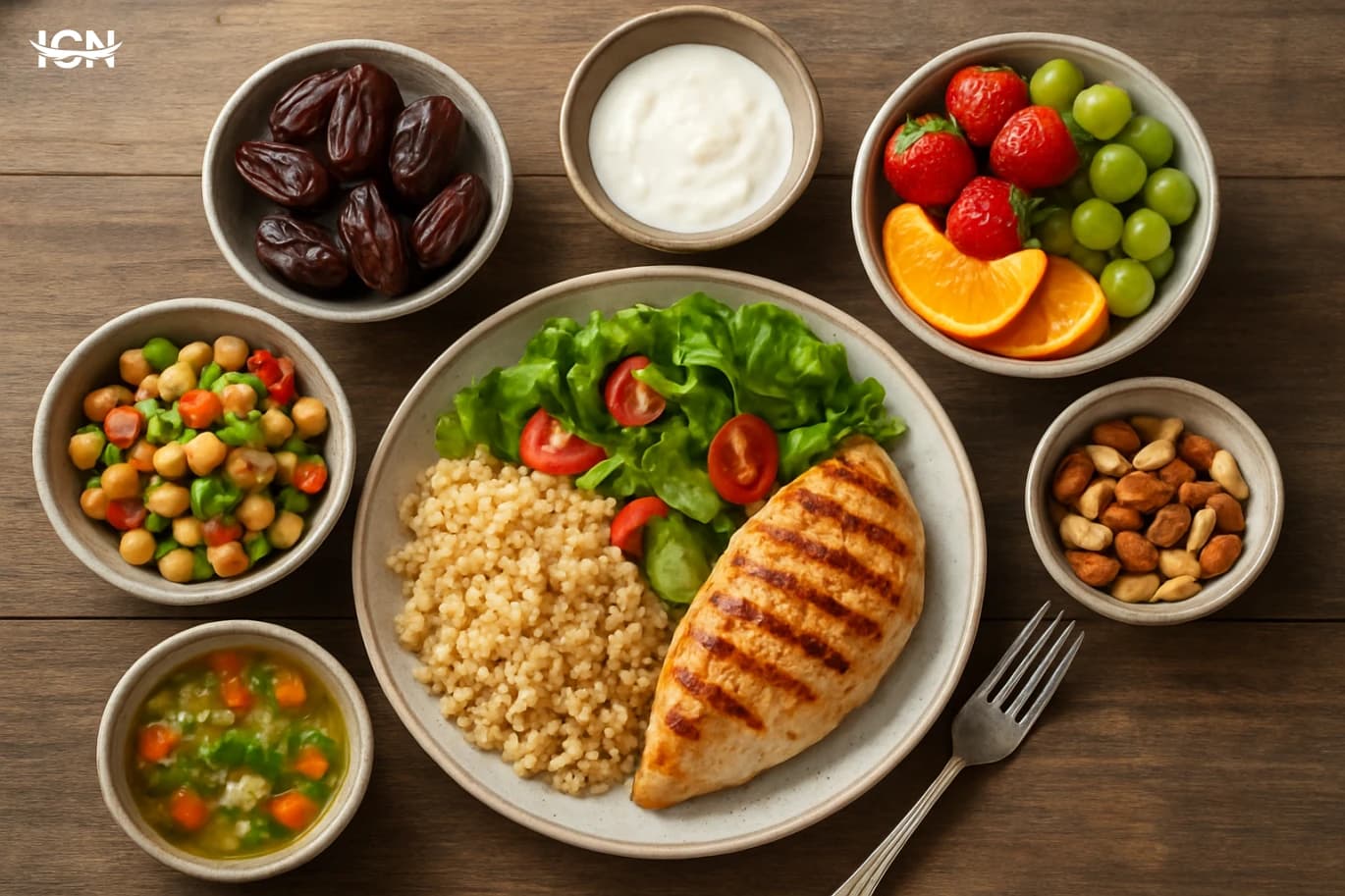
A practical iftar structure starts with rehydration and a gentle reintroduction of food. Water is the priority, followed by a small portion that is easy on the stomach. Many people choose dates; they can fit well when kept to a modest number and paired with water. After that, a balanced plate can be planned using three anchors: vegetables, protein, and a smart carbohydrate choice. Vegetables can be served as a salad, cooked side, or soup base. They add volume and fiber without excessive calories, and they help prevent overeating later in the evening. For protein, options like grilled chicken, fish, lean meat, eggs, lentils, or beans support satiety and muscle maintenance. For carbohydrates, choose whole grains or starchy vegetables when possible: brown rice, bulgur, whole-wheat bread, oats, potatoes, or sweet potatoes. These options generally provide longer-lasting energy than refined flour products. Cooking method matters. Grilling, baking, steaming, and sautéing with limited oil usually keep meals lighter than deep frying. If traditional fried items are part of the table, treat them as occasional sides rather than the main event. Finally, include a small amount of healthy fat such as olive oil, nuts, seeds, or avocado to improve satisfaction and support absorption of fat-soluble vitamins. This approach keeps iftar enjoyable while reducing the common pattern of overeating followed by fatigue.
Suhoor that lasts through the day
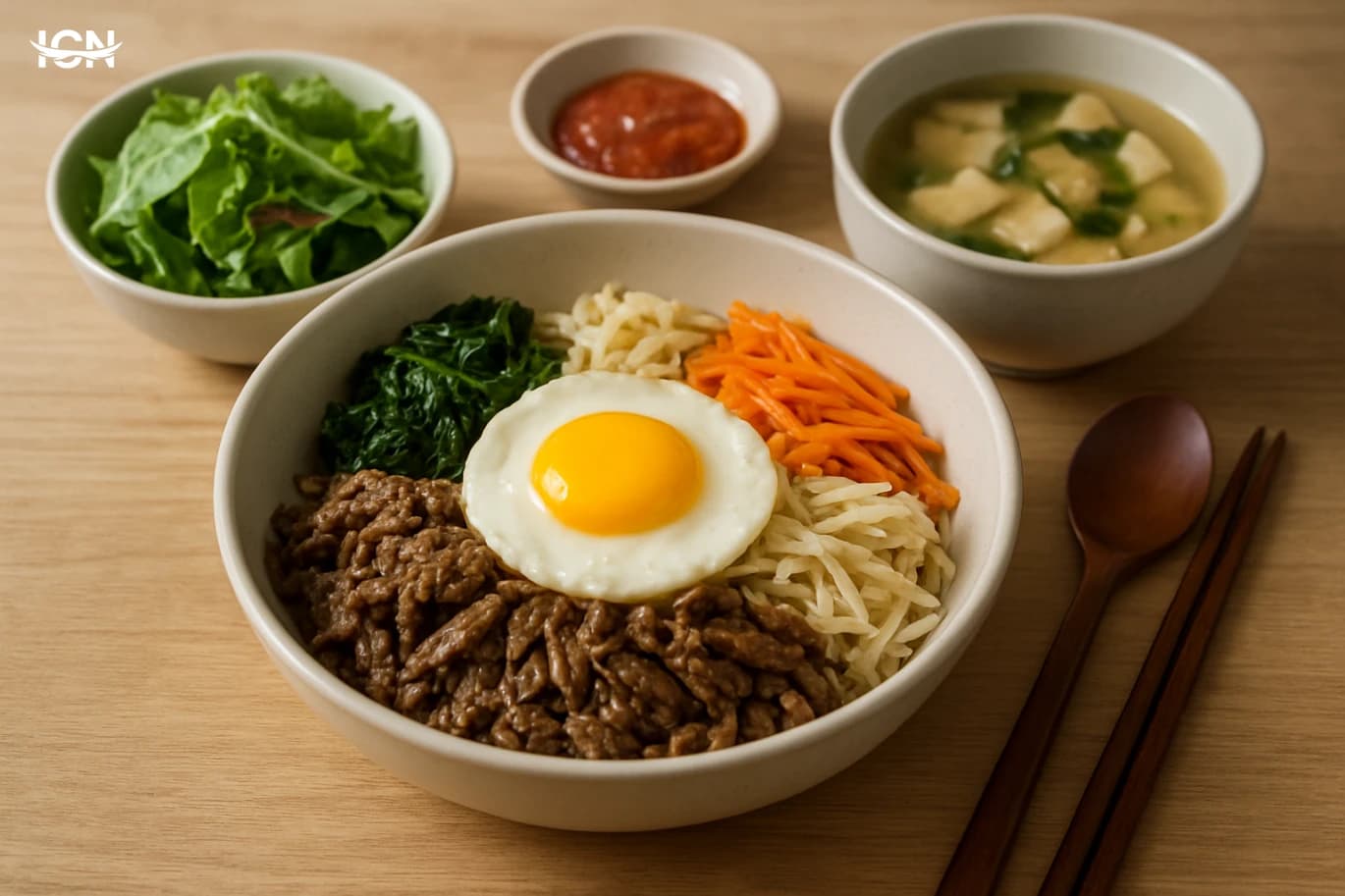
Suhoor is often the deciding factor in how manageable the fasting day feels. The goal is to slow digestion and reduce thirst. A strong suhoor typically combines complex carbohydrates, protein, and fluids, while limiting salty and very sugary foods that can increase thirst or cause energy swings. Effective suhoor choices include oats with milk or yogurt and fruit, whole-grain bread with eggs and vegetables, or a bowl built around beans or lentils with a side of salad. Dairy foods like yogurt or laban can be helpful for many people because they add protein and fluids; choose options with lower added sugar. For those who prefer lighter meals, a smoothie can work if it includes protein (milk, yogurt, or a protein-rich alternative) and fiber (fruit plus oats or chia seeds) rather than only juice. Hydration at suhoor should be steady, not excessive in the final minutes before dawn. Drinking water across the evening and early morning is usually more comfortable than trying to “catch up” at once. Caffeine management also matters: if you drink coffee or tea regularly, reducing the amount gradually and avoiding large servings at suhoor can help limit dehydration and withdrawal headaches. A well-planned suhoor does not need to be large, but it should be structured and consistent.
Hydration and smart beverages
Hydration is a central challenge in Ramadan, especially in warm climates or for people with active schedules. A simple target is to spread water intake between iftar and suhoor, using a bottle or set cups as a reminder. Soups, watery fruits, and vegetables also contribute to fluid intake, but they do not replace plain water. Beverage choices can either support hydration or work against it. Sugary drinks and heavy syrups add calories quickly and can increase thirst for some people. If you enjoy traditional Ramadan drinks, consider smaller servings, diluting them, or choosing versions with less added sugar. Milk-based drinks can be more filling and may help with satiety, but watch portion sizes. Electrolytes matter when sweating is high. Rather than relying on commercial sports drinks, many people can do well with balanced meals that include potassium-rich foods like bananas, dates in moderation, potatoes, and legumes, along with normal salt intake. Excess salt, however, can worsen thirst. A practical rule is to keep salty snacks and pickles limited, especially at suhoor. Consistent hydration habits often reduce fatigue and make it easier to keep portions reasonable at iftar.
Managing cravings and sweets without extremes
Sweets are a familiar part of Ramadan gatherings, but frequent large portions can crowd out nutrient-dense foods and lead to energy crashes. A realistic strategy is to plan for sweets rather than treating them as an unplanned extra. This can mean choosing two or three evenings per week for dessert, keeping portions small, and eating it after a balanced meal instead of on an empty stomach. Healthier dessert patterns focus on portion control and ingredient swaps. Fruit with yogurt, baked options, or smaller pieces shared with family can satisfy the desire for something sweet without excessive sugar. If traditional desserts are served, balance them by reducing other refined carbohydrates at that meal and prioritizing protein and vegetables first. Cravings are also influenced by sleep and hydration. Late nights, irregular sleep, and low fluid intake can increase appetite and make sugary foods more tempting. Keeping a consistent sleep schedule when possible, taking a short walk after iftar, and ensuring suhoor includes protein and fiber can reduce the intensity of cravings. The goal is not to eliminate sweets, but to keep them in a place that does not disrupt energy, digestion, or overall nutrition.
A simple weekly plan for healthier Ramadan meals
Planning reduces last-minute decisions that often lead to heavy, fried, or overly sweet meals. A simple weekly approach starts with choosing two protein bases (for example, chicken and lentils), two carbohydrate bases (such as brown rice and potatoes), and a rotating set of vegetables (cucumbers, tomatoes, leafy greens, carrots, zucchini). With these staples, you can assemble different iftar plates without repeating the same dish every day. For iftar across the week, aim for a pattern: soup or salad daily, a main dish built around protein, and one carbohydrate portion. Examples include grilled fish with roasted vegetables and a small serving of rice; chicken with a large salad and whole-wheat bread; or lentil stew with a side of yogurt and chopped vegetables. For suhoor, rotate between oats, eggs with whole-grain bread, and a bean-based option, adding fruit most days. Shopping and prep can be kept efficient. Wash and cut vegetables twice per week, cook a pot of legumes that can be used in salads or stews, and keep healthy snacks available for the evening window, such as nuts in measured portions, fruit, or yogurt. This structure supports consistent nutrition, helps control portions, and makes it easier to enjoy Ramadan gatherings without relying on impulse choices.