App Logo

Download Our App

Shop your way

logologo
Image

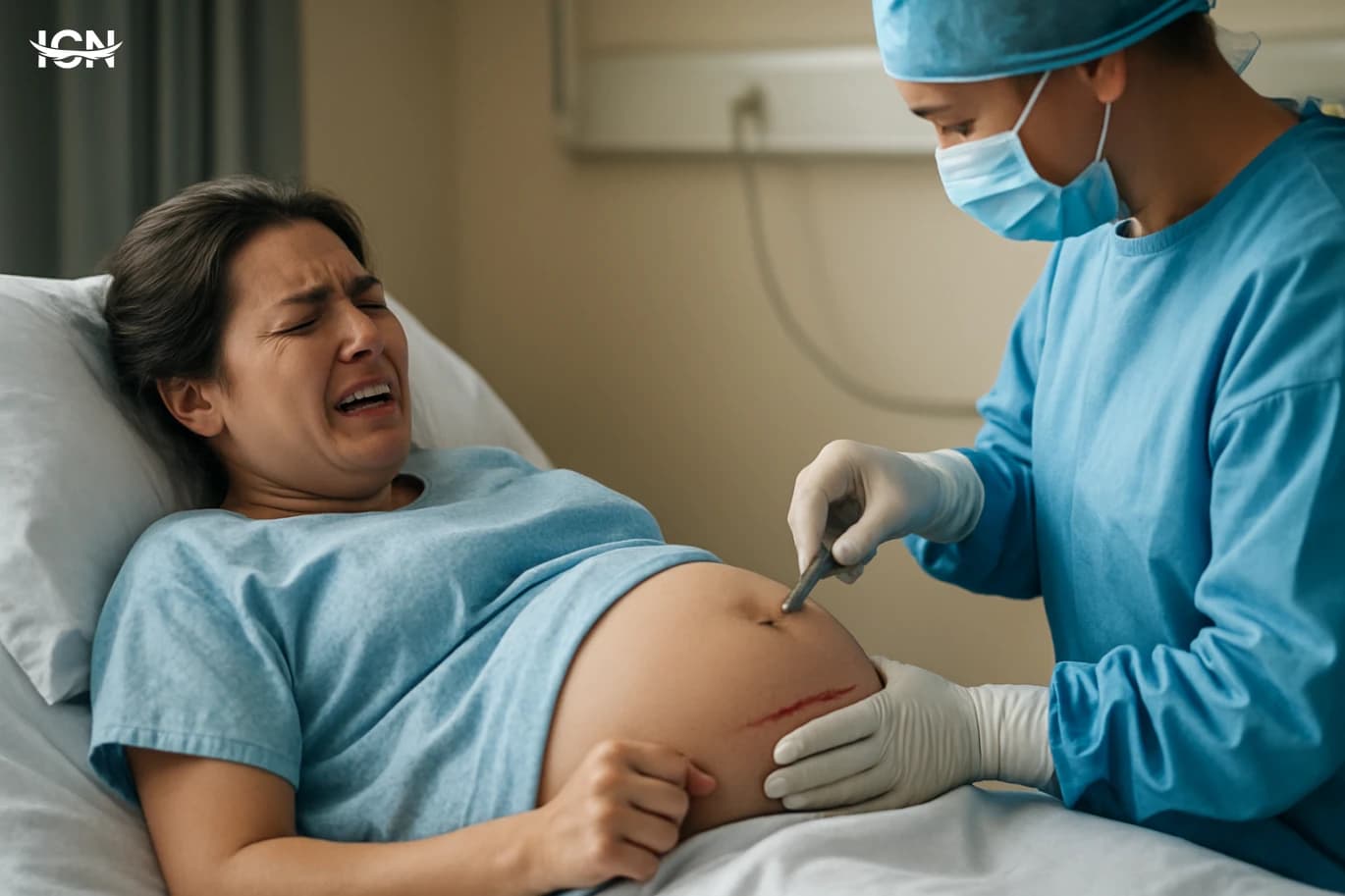
Frying lung completion needle

03/13/2025By: ICN
Frying lung completion needle

What is the refrigerator of the lung for the fetus?

Definition of the lung completion needle for the fetus. The lung completion needle for the fetus is one of the important medical procedures that are used in the case of late pregnancy, as it aims to accelerate the maturity of the lungs in the fetus. It is given to a pregnant mother when there is a risk of premature birth, which helps reduce complications of the lungs. The causes of the lung completion needle for the fetus may be used this needle when there is a possibility of premature birth, or in the event that the mother suffers from certain health conditions that require the birth of the child before the specified date. This procedure improves the child's chances of breathing normally after birth, which reduces the risk of health problems associated with a lack of maturity of the lungs.

Effects of a lung completion needle for the fetus

The effects of a lung completion needle for the fetus to breathe the needle of the lung completion greatly help improve the ability of the fetus to breathe after birth. It contributes to reducing the possibilities of respiratory problems such as lung disease, and thus increases the chances of the fetus in obtaining a healthy and stable breathing. The repercussions of the fetal lung completion needle on physical growth in addition to improving breathing, the needle also contributes to enhancing the growth of other vital organs. The maturity of the lungs helps increase the chances of improvement in general physical growth, enabling the fetus to achieve a proper development after birth. This needle is an important step to increase the quality of the life of the fetus.

How to treat a lung completion needle for the fetus

Drug therapy for the lung completion of the fetus can be used some medications to improve the effectiveness of the lung complete needle, as it contributes to supporting the development of the lungs and increasing its readiness for respiratory functions after birth. It is recommended with accurate medical supervision to achieve the best results and ensure the safety of the fetus. Surgical procedures for the lung completion of the fetus in some rare cases, surgical procedures may be needed to support the effect of the completion of the lung, especially if there are complex health problems in the fetus. The condition must be carefully evaluated by a specialized medical team to ensure optimal care for the child.

Precautions that must be taken during pregnancy to avoid a lung complete needle for the fetus

Dietary advice to avoid a lung completion needle for the fetus. Proper nutrition during pregnancy is vital to ensuring the health of the fetus and its proper development. It is recommended to eat foods rich in vitamins and minerals, such as fruits and vegetables, and fat -free proteins. It is also preferable to avoid eating excessive foods and sugars, as it can negatively affect the health of the fetus and increase the risk of problems. The instructions to avoid exposure to dangerous factors for the lung completion of the fetus avoid exposure to harmful chemicals or environmental pollution is important. The pregnant woman should avoid smoking, and stay away from the places of smokers. It is also recommended to practice light physical activities, while making sure to consult a doctor to ensure the safety of pregnancy.

Experiences and testimonies about facing a lung completion needle for the fetus

Personal experience with a fetal lung completion needle shares many women with their lung complete needles. Some of them feel anxious when making this needle, while others believe that this step was necessary to ensure the health of their children. It is often recommended to listen to medical advice and share concerns with specialists to relieve stress. Success stories in dealing with a lung completion needle for the fetus. There are many success stories among mothers who have undergone this needle. Some of them witnessed a remarkable improvement in the health of their children after their consequences, and considered them one of the decisive decisions that helped improve the development of the lung and the health of the fetus in a healthy way. These stories make other women with hope and optimism.


* All articles published on this blog are sourced from various websites and are provided for informational purposes only. They should not be considered as confirmed studies or accurate information. Please verify the information independently before relying on it.

Similar ARTICLES

Ninth-Month Walking Benefits
In the ninth month, many pregnant people feel torn between wanting to rest and wanting to stay active. Walking is often the most practical middle ground because it is low-impact, easy to adjust, and can be done without special equipment. In late pregnancy, the body is managing higher blood volume, increased joint laxity, and a shifting center of gravity. A steady walking routine can help maintain basic cardiovascular fitness without the strain of high-intensity workouts. What makes walking especially relevant in the final weeks is that it supports day-to-day function. Simple tasks like climbing stairs, standing for longer periods, or sleeping comfortably can become harder as the baby grows and the abdomen becomes heavier. Gentle movement helps keep the body from feeling “stuck” after long sitting, and it can reduce the sense of heaviness many people describe at the end of pregnancy. For many, a short walk after meals or in the early evening becomes a manageable habit that fits real life. Walking is not a guarantee of an easier birth, and it should never be treated as a test of endurance. Its value is in consistency and comfort. The goal in the ninth month is usually to stay mobile, support circulation, and keep stress on joints and the pelvic floor as low as possible. That is why many clinicians suggest walking as a safe option for most uncomplicated pregnancies, with individualized guidance when there are medical concerns.
Reducing Abdominal Adhesions After C-Section
Abdominal adhesions are bands of scar-like tissue that can form as the body heals after surgery. After a cesarean delivery, healing involves the uterus, abdominal wall layers, and the thin lining that covers abdominal organs. When these surfaces are inflamed or dry during surgery, or when there is bleeding and tissue handling, the body may create fibrous connections between tissues that normally slide smoothly. Many adhesions cause no symptoms and are discovered only during a later operation, but some can contribute to chronic pelvic or abdominal discomfort, pain with certain movements, or challenges during future abdominal surgery. Several factors can increase the likelihood of adhesions after a C-section. Repeat cesareans are a major contributor because each operation adds new healing surfaces and scar formation. Longer operative time, significant bleeding, infection, and emergency procedures can also raise risk. Individual healing tendencies vary as well, and conditions such as endometriosis or prior abdominal surgery may already have created adhesions. Understanding that adhesions are a common surgical outcome—rather than a rare complication—helps set realistic expectations and supports proactive steps to reduce risk where possible.
Low Belly Kicks That Tell a Story
Many pregnant people notice that kicks felt low in the belly have a distinct “pressure-and-tap” quality compared with movements higher up. This is often about anatomy and timing rather than a single meaning. Early in the second trimester, the uterus is still relatively low in the pelvis, so movements can register closer to the pubic area. As the uterus grows upward, the same baby movement may be felt in different places depending on where the baby’s back and limbs are positioned. Low sensations can also be amplified by the bladder and pelvic floor. A foot or knee pressing downward can create a sharper, more localized feeling because the pelvis is a smaller, firmer space than the upper abdomen. People who are on their feet for long periods may notice more low pressure later in the day, because gravity and fatigue can change how the uterus sits and how the baby settles. It helps to think of “low kicks” as a location report, not a diagnosis. The location can reflect baby position, the stage of pregnancy, and how your body is carrying. What matters most is the overall pattern of movement, whether it stays consistent for you, and whether any new symptoms appear alongside the change in location.
Can a Fetus Sense Light in the Womb
The uterus is not a pitch-black space, but it is far dimmer than most people imagine. Light has to pass through the abdominal wall, uterine muscle, amniotic fluid, and fetal tissues. Each layer absorbs and scatters light, so only a small fraction reaches the fetus. The amount that gets through depends on where the placenta sits, the thickness of maternal tissues, and the intensity and angle of the external light. In everyday conditions, indoor lighting is usually too weak to create a strong change for the fetus. Bright sunlight, a strong exam lamp, or a focused light source held close to the belly can produce a clearer shift. Even then, what reaches the fetus is more like a diffuse glow than a sharp beam. This matters because the fetal visual system responds primarily to changes in brightness and contrast, not to detailed images. Researchers often describe the intrauterine environment as “low light” rather than “no light.” That distinction helps explain why a fetus can show measurable responses to light late in pregnancy, while still not “seeing” the world in any meaningful way. The question is less about recognizing objects and more about whether the developing eyes and brain can register a difference between brighter and darker conditions.
Coombs Test During Pregnancy Explained
The Coombs test in pregnancy is a blood test that looks for antibodies that can attach to red blood cells. In simple terms, it helps doctors understand whether the mother’s immune system has made proteins that might react with the baby’s blood. This matters because the baby’s red blood cells can carry markers inherited from the father that are different from the mother’s. If the mother forms antibodies against those markers, the antibodies can cross the placenta and affect the baby’s red blood cells. In prenatal care, you will usually hear two related names: the indirect Coombs test and the direct Coombs test. The indirect test is the one commonly done for the pregnant person; it checks the mother’s blood for “free” antibodies circulating in the bloodstream. The direct test is typically done on the baby (or newborn) if there is concern after delivery; it checks whether antibodies are already attached to the baby’s red blood cells. Together, these tests help clinicians prevent and manage a condition called hemolytic disease of the fetus and newborn, where red blood cells break down faster than normal. Although many people associate Coombs testing only with the Rh factor, it can also detect antibodies against other blood group systems. That broader view is important because not all antibody-related issues in pregnancy are limited to Rh(D).
Labor Pain or C-Section Incision
People often compare labor pain with the pain after a cesarean, but they are not the same type of experience. Labor pain is driven by uterine contractions and cervical changes. It usually comes in waves, builds, peaks, and then eases, and its intensity can change quickly as labor progresses. It is also influenced by position, breathing, support, hydration, and pain relief options. Many describe it as intense pressure and cramping that can radiate to the back, hips, or thighs, especially during active labor. Pain after a cesarean is primarily surgical pain. It is linked to an incision through skin and abdominal layers and the healing process that follows. Instead of waves, it is more constant in the first days, and it can flare with movement such as standing up, coughing, laughing, or lifting the baby. It also comes with practical limits: getting in and out of bed, walking to the bathroom, and managing stairs. Comparing them is less useful than understanding what each involves and what recovery looks like in real life.
When the Postpartum Belly Truly Changes
Many new mothers expect the abdomen to “go back” within weeks, but postpartum changes involve several layers: the uterus shrinking, abdominal muscles recovering, skin and connective tissue tightening, and body fat redistributing. The uterus is the fastest to change; it contracts dramatically in the first days after birth and continues to shrink over the following weeks. That internal change can reduce the belly’s forward projection, yet it does not automatically restore a flat waistline. Muscles and connective tissue take longer. During pregnancy, the linea alba (the connective tissue between the rectus abdominis muscles) stretches, and the abdominal wall adapts to the growing uterus. After delivery, the tissue gradually regains tension, but the pace varies widely. Skin also behaves differently depending on genetics, age, hydration, sun exposure history, and how quickly the belly expanded during pregnancy. “Normal” is therefore not a single look or a single date. For some women, the abdomen appears close to pre-pregnancy within a few months; for others, it remains softer or more rounded for a year or longer. A realistic goal is functional recovery—comfortable movement, stable core control, and absence of pain—while appearance continues to evolve over time.
High Prolactin and Pregnancy Chances
Prolactin is a hormone produced by the pituitary gland, and its best-known role is preparing the breasts for milk production after childbirth. Outside breastfeeding, prolactin still has a normal baseline level in both women and men, and it interacts with the reproductive system through its influence on other hormones. In women who are trying to conceive, the key point is that prolactin can affect the signals between the brain, pituitary gland, and ovaries, which are responsible for regular ovulation. Prolactin levels naturally rise during pregnancy and after delivery, and they can also increase temporarily with stress, sleep changes, intense exercise, nipple stimulation, or certain medications. A single elevated reading does not always mean a chronic problem. Clinicians typically interpret prolactin results alongside symptoms, menstrual patterns, and other hormone tests. Understanding prolactin’s normal role helps explain why sustained elevation can interfere with fertility, even when other aspects of health seem stable.
Planning a Calm Hospital Birth
A hospital birth comes with clear advantages: immediate access to monitoring, anesthesia options, and specialist support if something changes quickly. At the same time, hospitals run on routines—shift changes, standard checklists, and busy units—that can make the experience feel rushed or impersonal. A practical birth plan helps you translate your preferences into simple requests that fit hospital workflows. It also reduces last‑minute decision fatigue, because you and your support person have already discussed priorities such as pain relief, mobility, and who speaks for you if you are focused on contractions. A useful plan is not a rigid script. It is a short document and a set of conversations that clarify what you want, what you want to avoid if possible, and what you are comfortable with if certain situations arise. When staff understand your baseline preferences early, they can often offer choices proactively—for example, suggesting intermittent monitoring when appropriate, or explaining when continuous monitoring is recommended. The goal is a calmer experience built on clear communication, realistic expectations, and respectful teamwork.
Planning a Calm Hospital Birth Day
Hospital birth can feel fast and unpredictable, especially when contractions intensify and decisions come quickly. A practical birth day plan is not a rigid script; it is a clear set of preferences that helps you communicate with the care team and reduces last-minute confusion. It can cover who will be with you, what information you want explained before procedures, and how you prefer comfort measures to be offered. When written in plain language and shared early, it supports smoother handoffs between nurses, midwives, and physicians across shift changes. A good plan also helps your support person know what to do. Instead of guessing, they can focus on timing contractions, offering water, reminding you to change positions, and asking questions on your behalf. Many hospitals have standard protocols, but there is still room for choice in lighting, movement, monitoring options, and newborn care routines. The goal is to align expectations, not to control every outcome. Even if the plan changes, having it makes it easier to adapt because you have already discussed priorities.
Hidden Triggers of Breathlessness in Pregnancy
Breathlessness is common in pregnancy, but it can still feel unexpected, especially when it shows up during simple tasks like climbing a few steps or talking for a long time. Part of the reason is that your body changes quickly: blood volume rises, the heart works harder, and breathing patterns shift to meet higher oxygen needs. Many people notice it earlier than they expected, sometimes in the first trimester, even before the belly is large. What often goes unnoticed is that “normal” pregnancy breathlessness can be amplified by small, fixable factors. A day of poor sleep, a stuffy room, dehydration, or a heavy meal can make breathing feel tighter without any major medical issue. The sensation can also vary by time of day, posture, and activity level, which makes it hard to pinpoint a single cause. It helps to track when it happens and what was going on beforehand: after eating, after a long car ride, in warm weather, or when lying flat. That pattern can reveal hidden triggers and guide practical changes. At the same time, any breathlessness that is new, rapidly worsening, or paired with concerning symptoms should be discussed with a clinician promptly, because pregnancy also changes how some conditions present.
Normal Pregnancy Changes That Seem Scary
Pregnancy is a planned, whole-body shift driven by hormones, increased blood volume, and the growing uterus. Many sensations feel sudden because changes happen week by week, not gradually over years. Estrogen and progesterone affect the skin, digestion, mood, and sleep. Blood volume rises significantly to support the placenta, which can change heart rate, breathing, and temperature. The uterus expands and changes posture and muscle balance, which can create new aches even if nothing is “wrong.” A useful way to reduce worry is to connect a symptom to a normal mechanism. For example, feeling warmer can be linked to higher metabolic demand and increased circulation. Feeling more tired can reflect the body building placenta tissue and adjusting to new hormone levels, especially in the first trimester. When you understand that pregnancy is a coordinated set of adaptations, many “strange” signs become easier to interpret as expected, not alarming.
Why Pregnancy Can Be Delayed
Many couples reach a point where basic evaluations look reassuring—regular cycles, normal ultrasound, and standard lab results—yet pregnancy does not happen as expected. Clinically, this situation is often described as unexplained infertility, meaning no single clear cause is found after routine testing. It does not mean there is no cause; it means the cause may be subtle, intermittent, or outside what standard tests can detect. Timing is also a major factor. Even in healthy couples, the chance of conception per cycle is limited, and it declines with age, especially after the mid-30s. A few months of trying can feel long, but from a medical perspective, the definition of “delayed” depends on age and duration: under 35 years, evaluation is usually recommended after 12 months of regular unprotected intercourse; 35–39 years after 6 months; and 40 or older often warrants earlier assessment. Understanding these timelines helps set realistic expectations and guides when to escalate investigations. It is also important to confirm what “normal tests” included. Many initial workups focus on ovulation evidence, semen analysis, and a basic look at the uterus and ovaries. These are essential, but they do not fully capture egg quality, subtle tubal issues, endometrial receptivity, or lifestyle and medication factors that can reduce the probability of conception without producing abnormal results on routine screening.
By clicking the SUBSCRIBE button, you are agreeing to our Privacy & Cookie Policy If you want to unsubsribe the marketing email, please proceed to our privacy center.
© 2005-2026 ICN. All Rights Reserved.