App Logo

Download Our App

Shop your way

logologo
Image

Meckel's Scan

04/09/2025By: ICN
Meckel's Scan

What is Michael's examination?

Definition and importance of the examination. Michel's examination is an important medical tool aimed at diagnosing a set of health conditions. This examination focuses on evaluating the safety of internal organs through careful photography and detailed study. Understanding the importance of this examination helps doctors and patients to make enlightened decisions on treatment and health care. How to perform the examination and what it contains may include Michel's examination of a set of steps, including pre -preparation for the patient. The patient usually needs fasting for a certain period before the examination. Modern imaging techniques, such as rays or ultrasound, are used to provide accurate results. After the examination, the results are analyzed by doctors to accurately diagnose the condition.

Uses of Michael examination

Diagnosis of the digestive system is used commonly to diagnose tumors in the digestive system. Through careful photography, doctors can determine the presence of any abnormal growth in the tissues, which enables them to take appropriate measures at an early stage. In addition, the evaluation of birth defects in breastfeeding, the examination is used to assess birth defects in breastfeeding. It plays a vital role in identifying problems that may affect the health of the child, which helps doctors develop appropriate treatment plans. The examination is a valuable tool for improving the quality of health care in the early childhood stages.

Preparations and instructions before the examination

Fasting before the examination before conducting a Michael examination, patients are advised to fast for a period ranging from 4 to 6 hours to ensure the accuracy of the results. Fasting helps reduce the presence of food in the digestive system, allowing the doctor to obtain a clearer image during the examination. What should be informed of the doctor before the examination is necessary for patients to tell the doctor about any medications they take, previous health conditions, or any known sensitivity. This information helps the doctor in estimating the potential risks and providing accurate guidelines. Cooperation between the patient and the doctor guarantees more accurate and effective results for examination.

What can be expected during the examination?

The extent of the use of X -rays during a Michael examination, the X -ray may be used to obtain accurate images of the internal organs. Patients should stay fixed during the examination to ensure the quality of the image, as the movement may affect the results. How to evaluate the final results after the examination is over, the doctor analyzes images and information extracted to provide a comprehensive evaluation. The evaluation of the results depends on several factors, including the patient's medical date and the current symptoms. The patient is communicated to discuss the results, which helps him make appropriate decisions regarding treatment or the following steps.

What are the possible side effects?

The effects of radiation on health should be aware that radiation -based tests, such as X -rays, may carry some health risks. Exposure to radiation can increase the possibility of side effects, especially when the tests are repeated. However, the benefits usually exceed the risks in the context of a precise diagnosis. How to deal with possible side effects in the event of side effects, such as mild or side effects, patients should communicate with their doctor to assess the situation. It is also important to adhere to the doctor's recommendations regarding future tests to avoid any possible health risks.
* All articles published on this blog are sourced from various websites and are provided for informational purposes only. They should not be considered as confirmed studies or accurate information. Please verify the information independently before relying on it.

Similar ARTICLES

Expired Medicines and Real-World Effectiveness
An expiration date on a medicine is primarily a guarantee from the manufacturer about quality, potency, and safety up to that date when the product is stored as directed. It is not a simple switch from “good” to “bad” overnight. The date is based on stability testing that tracks how the active ingredient and the full formulation behave over time under defined conditions. Companies select a shelf life that they can confidently support with data, packaging performance, and consistent manufacturing. In practice, the date tells you that the medicine should still meet labeled strength and performance standards until that point. Afterward, the manufacturer is no longer guaranteeing that it will deliver the intended dose or remain within impurity limits. That matters because many medicines are formulated to deliver a specific amount of active ingredient within a narrow range. Even modest loss of potency can change outcomes for medicines where dosing accuracy is important. It also helps to separate “expiration” from “beyond-use date.” Expiration is printed on the original container. A beyond-use date is assigned by a pharmacist when a medicine is repackaged, compounded, or when a bottle is opened and stored outside its original protective packaging. For example, some liquids and antibiotic suspensions have short beyond-use periods after mixing, even if the printed expiration is far in the future. Understanding which date applies to your situation is the first step in deciding what to do with an older product.
Smart Patch for Hidden Fertility Signals
Fertility assessments still rely heavily on snapshots: a single semen analysis, a hormone panel drawn on one morning, or an ultrasound performed on one cycle day. These tests can be valuable, but they may miss patterns that unfold over hours or days. Temperature shifts, sleep disruption, stress-related hormone changes, and subtle inflammation can influence reproductive physiology without showing up clearly in a one-time clinic visit. A smart patch approach targets that gap by collecting frequent, low-burden measurements in daily life. Instead of asking people to remember symptoms or track basal temperature manually, a wearable sensor can capture continuous or near-continuous signals and connect them to cycle timing, medication schedules, travel, and lifestyle changes. The goal is not to replace clinical diagnostics, but to add context that helps clinicians interpret results and helps individuals understand what is happening between appointments. The “hidden” part of fertility is often about variability. Ovulation can shift from month to month, and sperm quality can fluctuate with heat exposure, illness, sleep debt, and certain medications. A patch that tracks physiological markers over time can highlight when a change is persistent versus when it is a temporary deviation. That distinction matters when deciding whether to repeat tests, adjust timing for conception attempts, or investigate underlying conditions.
Best Drinks for Liver Support
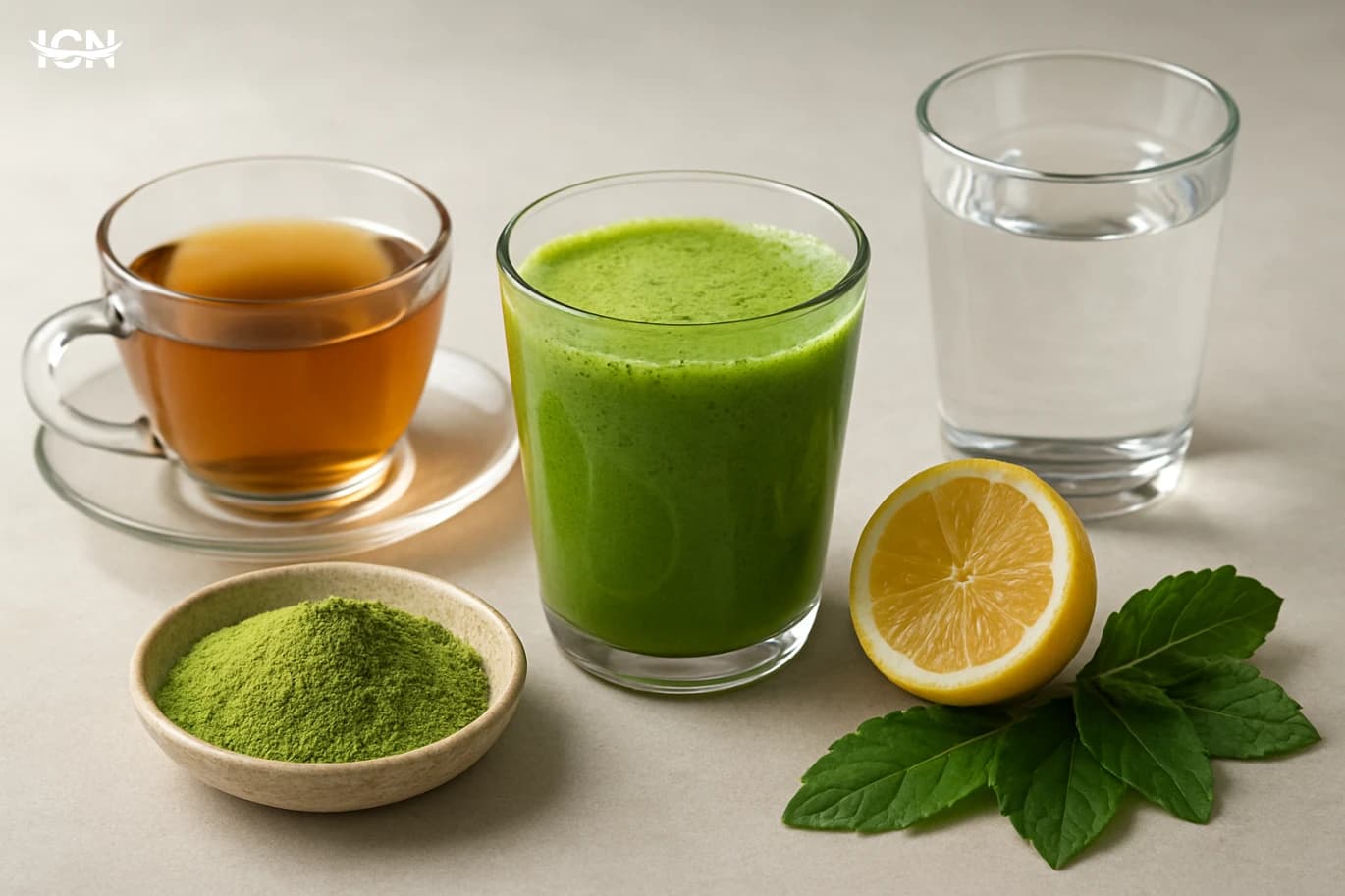
There isn’t one single drink that “cleanses” the liver. The liver already filters and processes substances every day, and what helps most is reducing the workload while supporting normal metabolism. When people ask for the best drink for the liver, they usually mean a beverage that is low in added sugar, supports hydration, and contains compounds linked in research to healthier liver markers. A practical way to judge any drink is to look at three points: sugar content, alcohol content, and overall calorie load. Sugary beverages can contribute to excess calorie intake and fat buildup in the liver over time, especially when they replace water. Alcohol is directly processed by the liver and can strain it even at moderate levels for some people. High-calorie “health” drinks can also backfire if they lead to weight gain. So the “best” drink is often the one you can use consistently: water as the base, plus a small set of evidence-informed options that fit your daily routine. The goal is not a short detox, but steady habits that support liver function and overall metabolic health.
How many minutes of sunlight do we need for Vitamin D?
Vitamin D supports bone strength by helping the body absorb calcium and phosphorus, and it also plays roles in muscle function and immune regulation. Unlike many nutrients, a large share of vitamin D can be produced in the skin when ultraviolet B (UVB) rays from sunlight trigger a chemical reaction that forms vitamin D3. The practical question is not whether sunlight can help, but how to use it safely and effectively. The amount of vitamin D your body makes from sun exposure varies widely. It depends on the intensity of UVB at your location and time of day, your skin tone, age, clothing coverage, and how much skin is exposed. Because these factors change from person to person and season to season, there is no single “one-size” number of minutes that fits everyone. Still, there are evidence-based ranges that can guide most healthy adults. It is also important to separate vitamin D goals from tanning goals. Tanning is a skin response to UV damage, while vitamin D production can occur with relatively modest exposure. The aim is brief, regular exposure that avoids sunburn, because sunburn indicates excessive UV exposure and increases skin damage risk. A balanced plan combines sensible sun habits, diet, and supplementation when needed.
Garlic Benefits for Women
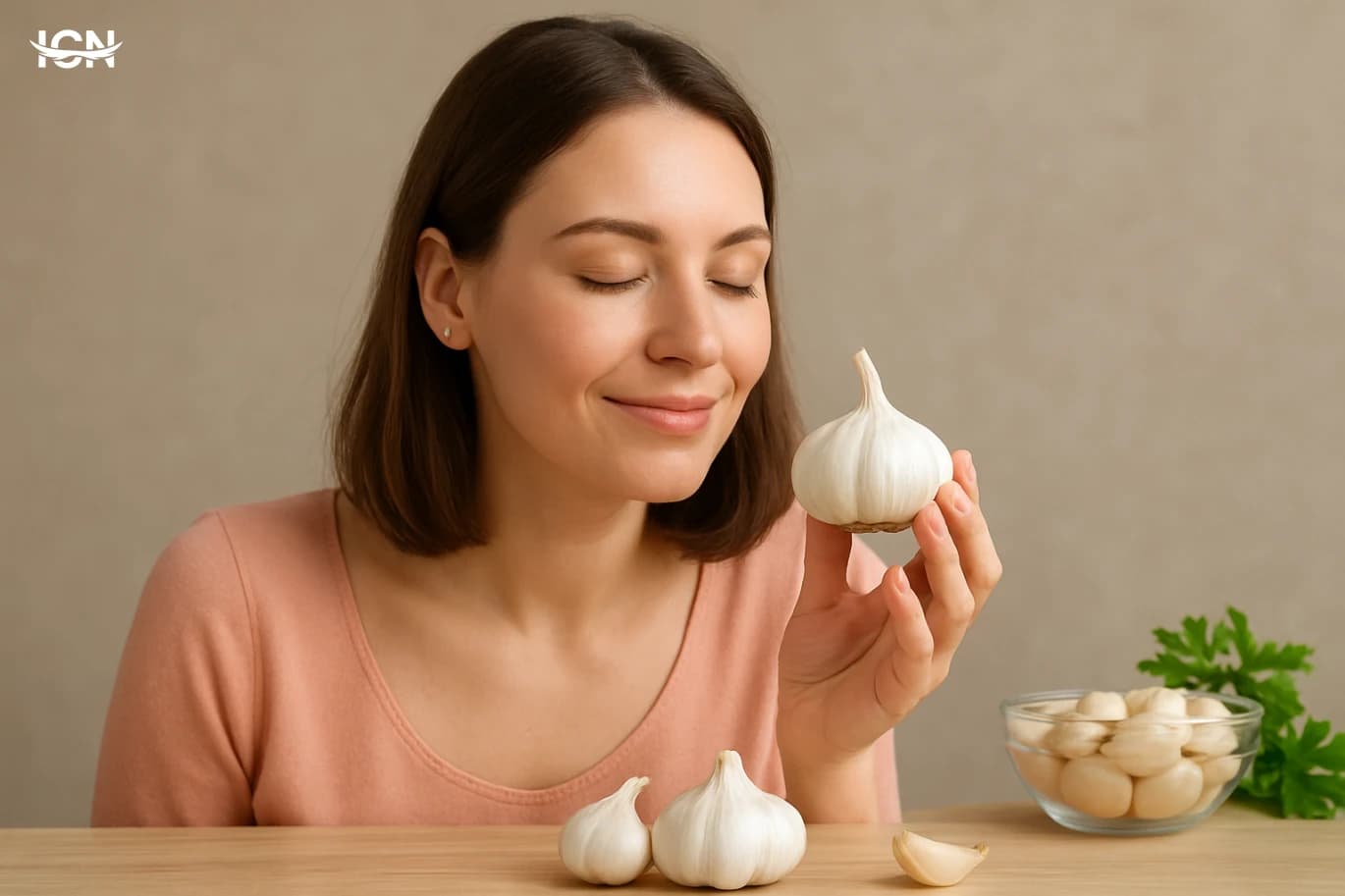
Garlic is more than a kitchen staple. It contains sulfur compounds such as allicin that form when a clove is crushed or chopped, along with antioxidants, small amounts of vitamins and minerals, and natural plant chemicals that support overall wellness. For many women, the interest in garlic comes from practical goals: supporting heart health, maintaining steady energy, improving skin clarity, and strengthening everyday immunity. How you prepare garlic affects what you get from it. Crushing or finely chopping and then letting it sit for about 10 minutes before cooking helps allicin-related compounds develop. Gentle cooking can still be useful, but very high heat for long periods may reduce some active compounds. Garlic can be used in meals, dressings, and spreads, and some women also choose standardized supplements, though food-first is usually the simplest approach. Garlic is not a cure-all, and it does not replace medical care. It can, however, be a consistent part of a balanced diet that includes vegetables, fiber-rich grains, adequate protein, and healthy fats. The sections below highlight evidence-informed areas where garlic may be especially relevant for women, from physical health to beauty routines, with practical tips and sensible cautions.
Why You Keep Sighing Without Effort
A sigh is a deeper-than-usual breath that often ends with a longer exhale. It is not always a sign of a problem; the body uses occasional sighs to reset breathing patterns, reopen tiny air sacs in the lungs, and balance oxygen and carbon dioxide levels. Many people sigh a few times an hour without noticing. Repeated sighing “without effort” usually means you are not short of breath during activity, but you still feel a need to take a big breath at rest, while working at a desk, or while watching TV. Some describe it as “air hunger,” frequent yawning, or the sense that normal breaths are not satisfying. The key point is that the trigger is not physical exertion, which shifts the focus toward breathing habits, stress responses, indoor air factors, and certain medical conditions that can show up even when you are sitting still.
Nutrition for Esports Focus
Esports performance depends on sustained attention, fast decision-making, and consistent hand–eye coordination over long sessions. Nutrition influences these skills through blood glucose stability, hydration status, and the availability of key nutrients that support brain signaling. When meals are irregular or built around sugary snacks and energy drinks, players often experience a quick rise in energy followed by a noticeable drop in alertness, reaction speed, and mood stability. That pattern can show up as missed cues, slower aim correction, or poor late-game choices. Unlike many traditional sports, esports training can involve extended screen time with limited movement, which increases the risk of mindless snacking and dehydration. A practical nutrition plan helps maintain steady energy, reduces fatigue, and supports sleep quality, which is critical for learning and memory consolidation. For teams and individual players, treating food and fluids as part of the training routine is a measurable way to improve consistency, not just a lifestyle preference.
Losing Weight After Forty
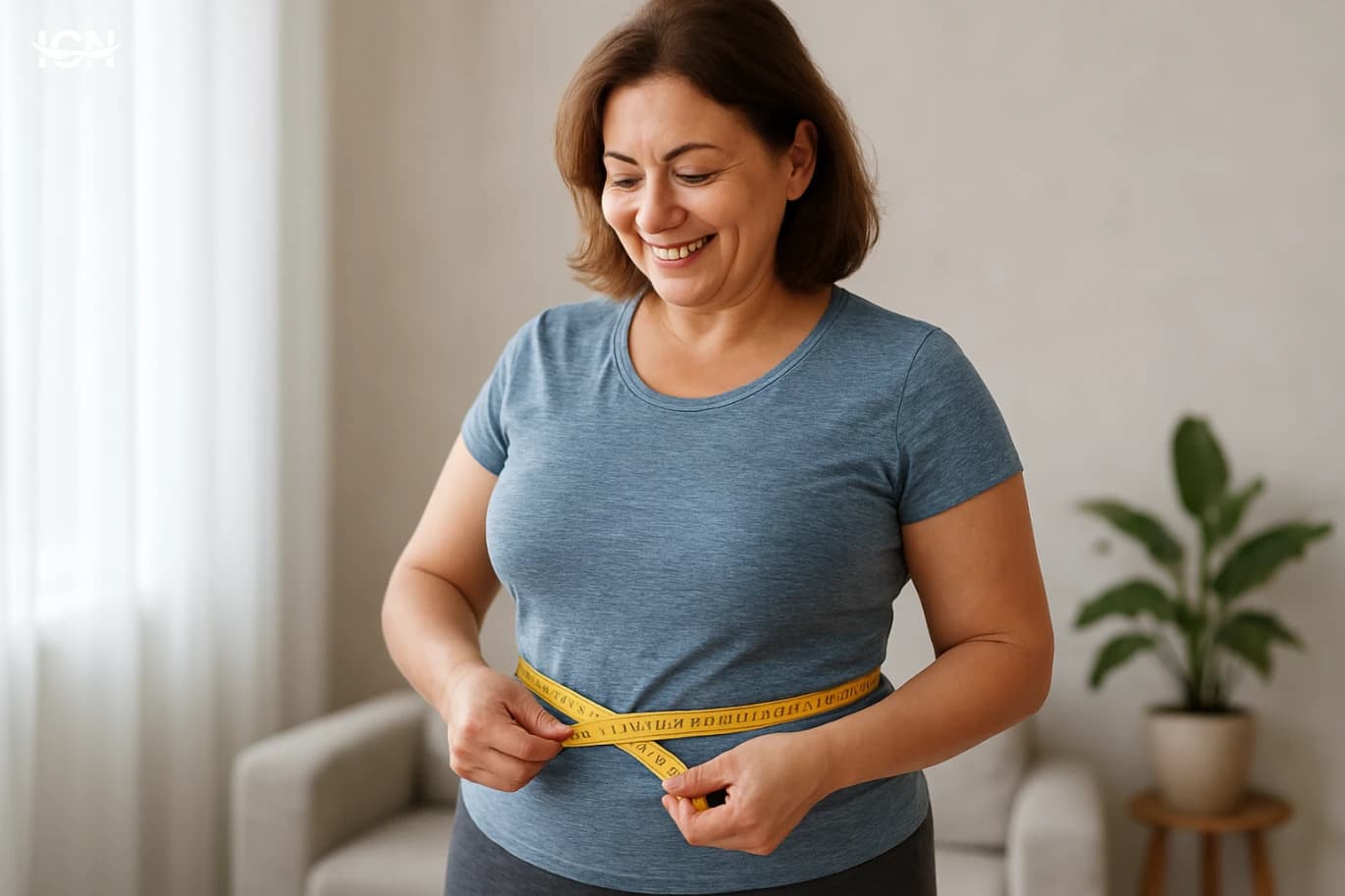
Many people notice that the same diet or workout that worked in their 20s or 30s stops delivering results after 40. A key reason is a gradual decline in muscle mass that can start earlier but becomes more noticeable midlife. Because muscle tissue uses more energy than fat tissue, losing muscle lowers daily calorie needs even if your routine looks unchanged. At the same time, daily movement often drops due to desk work, commuting, and family responsibilities, reducing “non-exercise” activity that quietly burns calories. Hormonal shifts also play a role. In women, perimenopause and menopause can affect appetite, sleep quality, and fat distribution, with more weight tending to settle around the abdomen. In men, testosterone levels can decline gradually, which may influence muscle maintenance and body composition. Add to that higher stress levels and shorter sleep, both linked to increased hunger signals and cravings for high-calorie foods. None of these changes make weight loss impossible, but they do mean that the margin for error becomes smaller and the plan needs to be more structured.
Walking in Heat Calories or Strain
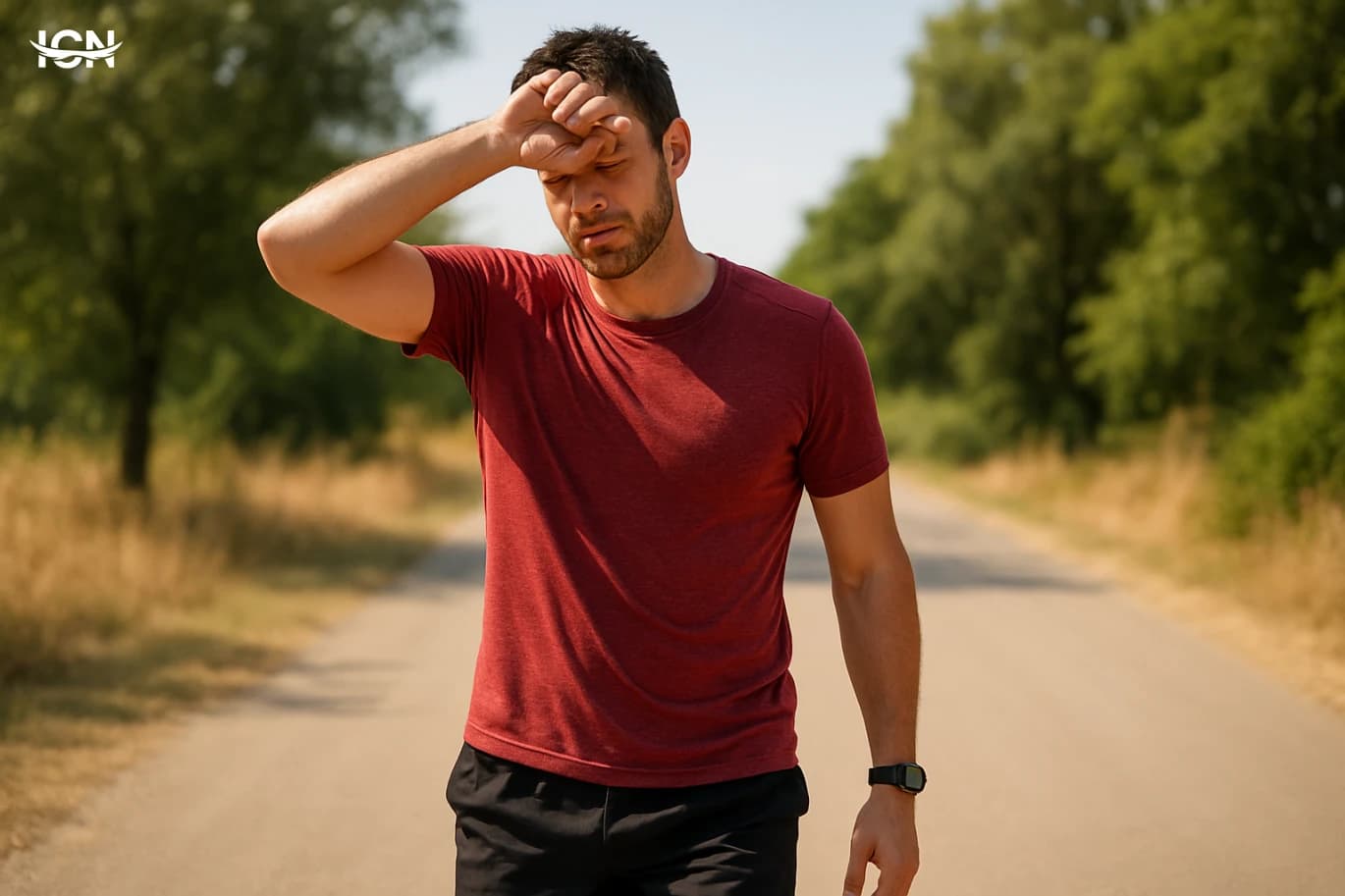
Hot weather changes how your body manages a simple walk. As air temperature and humidity rise, your body relies more on sweating and sending blood toward the skin to release heat. That shift can raise heart rate at the same walking pace, because the heart is working to support both the muscles and cooling. Many people notice they feel more “out of breath” or fatigued even on a familiar route. Humidity matters as much as temperature. When the air is humid, sweat evaporates less efficiently, so cooling becomes harder. Your body may sweat more without getting the same cooling benefit, increasing fluid and electrolyte losses. Sun exposure adds another load, because direct radiation can make you feel hotter than the reported temperature. Wind, shade, and clothing also change the real heat stress you experience. These changes do not automatically mean the walk is “better” for fitness or fat loss. They mean the same activity can feel harder and can carry higher risk if you do not adjust pace, timing, hydration, and recovery. Understanding the difference between perceived effort and actual calorie burn is the key to answering whether walking in heat burns more calories or mostly strains the body.
Why Summer Heat Shrinks Appetite
Many people report a familiar pattern in summer: meals feel heavier, hunger arrives later, and cravings shift toward cold drinks, fruit, and lighter plates. This change is not simply “in the head.” It reflects how the body prioritizes temperature control when the environment is hot. Digestion generates internal heat, and in warm conditions the body often tries to limit extra heat production and reduce the need for blood flow to the gut. Appetite also depends on routine. Summer schedules can be irregular due to travel, longer daylight, outdoor activities, and disrupted sleep. When meal timing changes, hunger cues can become less predictable. In addition, higher temperatures can increase fatigue and reduce the desire to cook or sit for a long meal, which indirectly lowers intake. A temporary dip in appetite is common and usually harmless, especially if energy levels remain stable and hydration is adequate. However, persistent loss of appetite, unintended weight loss, dizziness, or signs of dehydration should be treated as a health signal rather than a seasonal inconvenience.
Best Times to Eat Sweets Safely
Blood sugar after dessert is not determined by sugar alone. Timing matters because your body handles glucose differently across the day and depending on what you ate before. After a balanced meal that includes fiber, protein, and healthy fats, the stomach empties more slowly and glucose enters the bloodstream at a steadier pace. That typically reduces the size of the post-dessert spike compared with eating the same sweet on an empty stomach. Daily rhythm also plays a role. Many people have better insulin sensitivity earlier in the day, while late-night eating can lead to higher and longer-lasting glucose elevations. Stress, sleep quality, and recent physical activity further influence how quickly glucose is cleared. The practical takeaway is that “when” you eat sweets can be as important as “how much,” especially for people with prediabetes, insulin resistance, or a family history of type 2 diabetes.
Temporary Male Infertility Without Hormones
Temporary male infertility refers to approaches that reduce or block a man’s ability to cause pregnancy for a limited period, with the goal of returning fertility after stopping the method. The key point is reversibility: the method is designed so sperm production or sperm transport can recover. This differs from permanent options such as vasectomy, which is intended to be long-lasting even if reversal is sometimes possible. When people hear “infertility,” they often think of a medical problem. In this context, it is a planned, controlled effect used for contraception. Non-hormonal strategies aim to avoid altering testosterone and other reproductive hormones, which can be a concern for some men because hormones influence mood, energy, libido, and metabolic health. Instead, non-hormonal methods typically focus on the pathway sperm take from the testes to the semen, or on the sperm themselves. The topic matters because men currently have limited contraceptive choices: condoms, withdrawal, and vasectomy are the most common. Expanding options could help couples share responsibility and choose methods that fit their health needs and family plans. However, it is also a field where many candidates are still under research, and availability varies widely by country.
Stress and the Hidden Memory Drain
Many women describe a specific pattern: misplacing keys, forgetting appointments, losing track of what they were about to say, or rereading the same message twice. What makes it unsettling is the frequency, not the severity. In most cases this is not a sudden loss of intelligence or a permanent decline, but a predictable result of how stress changes attention. Memory depends on three steps: taking in information, storing it, and retrieving it later. Under pressure, the first step often fails. When the brain is busy scanning for problems, planning, and switching between tasks, it records fewer details. The result is “I forgot,” when in reality the information was never fully registered. Women are also more likely to carry multiple roles at once—work demands, household logistics, caregiving, and social coordination. This increases cognitive load: the number of items the brain tries to keep active at the same time. High cognitive load produces more everyday memory slips, even in otherwise healthy people. Another reason the cause feels unclear is that stress can become the baseline. When a person has been tense for months, it no longer feels like an acute episode. The body adapts, but the brain continues to operate in a high-alert mode that is unfriendly to focus and recall.
By clicking the SUBSCRIBE button, you are agreeing to our Privacy & Cookie Policy If you want to unsubsribe the marketing email, please proceed to our privacy center.
© 2005-2026 ICN. All Rights Reserved.