Smart Patch for Hidden Fertility Signals
- Why fertility clues are often missed
- What a fertility smart patch can measure
- How it can help women beyond ovulation apps
- What it can add for men and couples
- Accuracy, privacy, and practical adoption
- bookmark
Why fertility clues are often missed
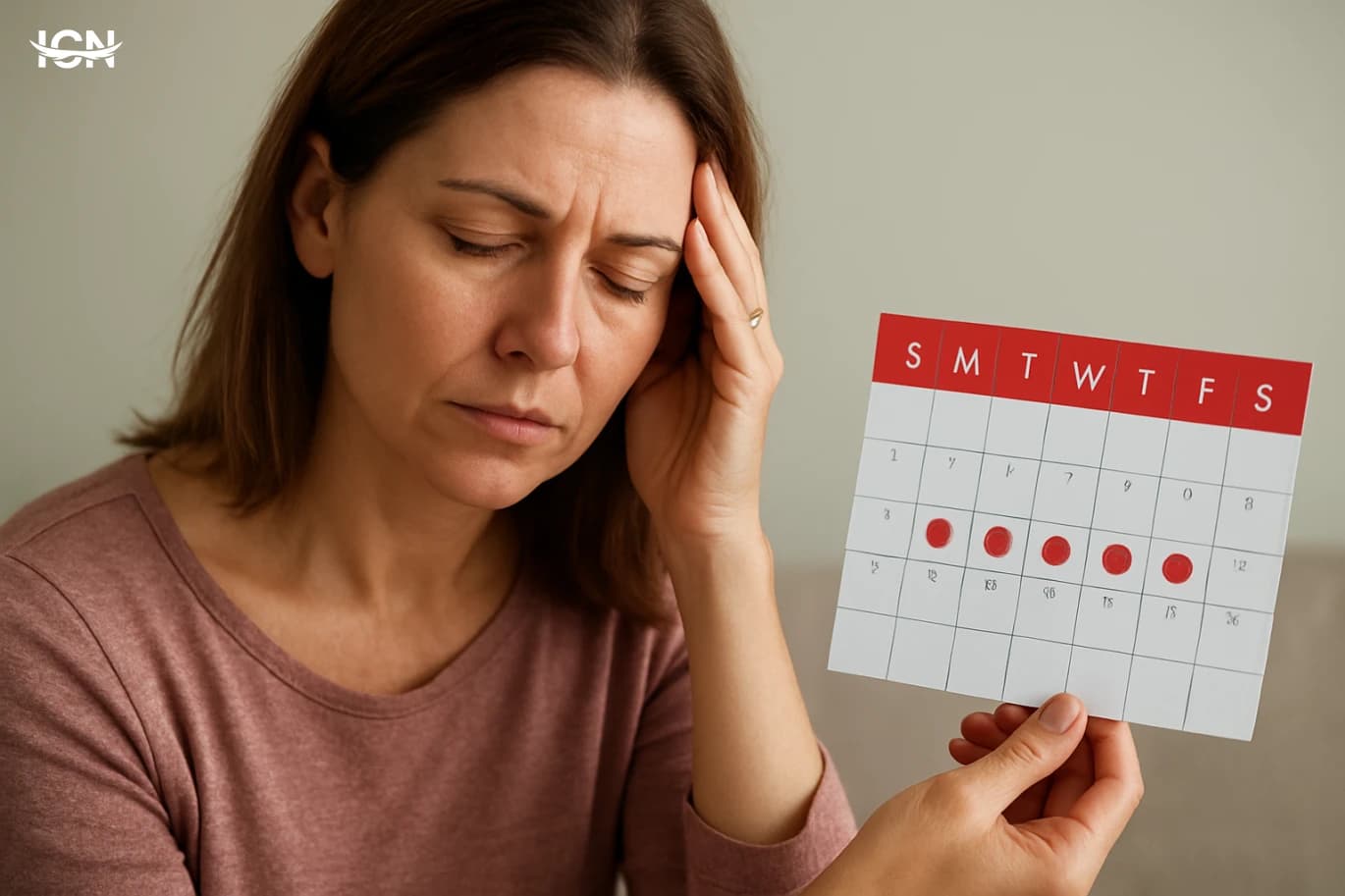
Fertility assessments still rely heavily on snapshots: a single semen analysis, a hormone panel drawn on one morning, or an ultrasound performed on one cycle day. These tests can be valuable, but they may miss patterns that unfold over hours or days. Temperature shifts, sleep disruption, stress-related hormone changes, and subtle inflammation can influence reproductive physiology without showing up clearly in a one-time clinic visit. A smart patch approach targets that gap by collecting frequent, low-burden measurements in daily life. Instead of asking people to remember symptoms or track basal temperature manually, a wearable sensor can capture continuous or near-continuous signals and connect them to cycle timing, medication schedules, travel, and lifestyle changes. The goal is not to replace clinical diagnostics, but to add context that helps clinicians interpret results and helps individuals understand what is happening between appointments. The “hidden” part of fertility is often about variability. Ovulation can shift from month to month, and sperm quality can fluctuate with heat exposure, illness, sleep debt, and certain medications. A patch that tracks physiological markers over time can highlight when a change is persistent versus when it is a temporary deviation. That distinction matters when deciding whether to repeat tests, adjust timing for conception attempts, or investigate underlying conditions.
What a fertility smart patch can measure
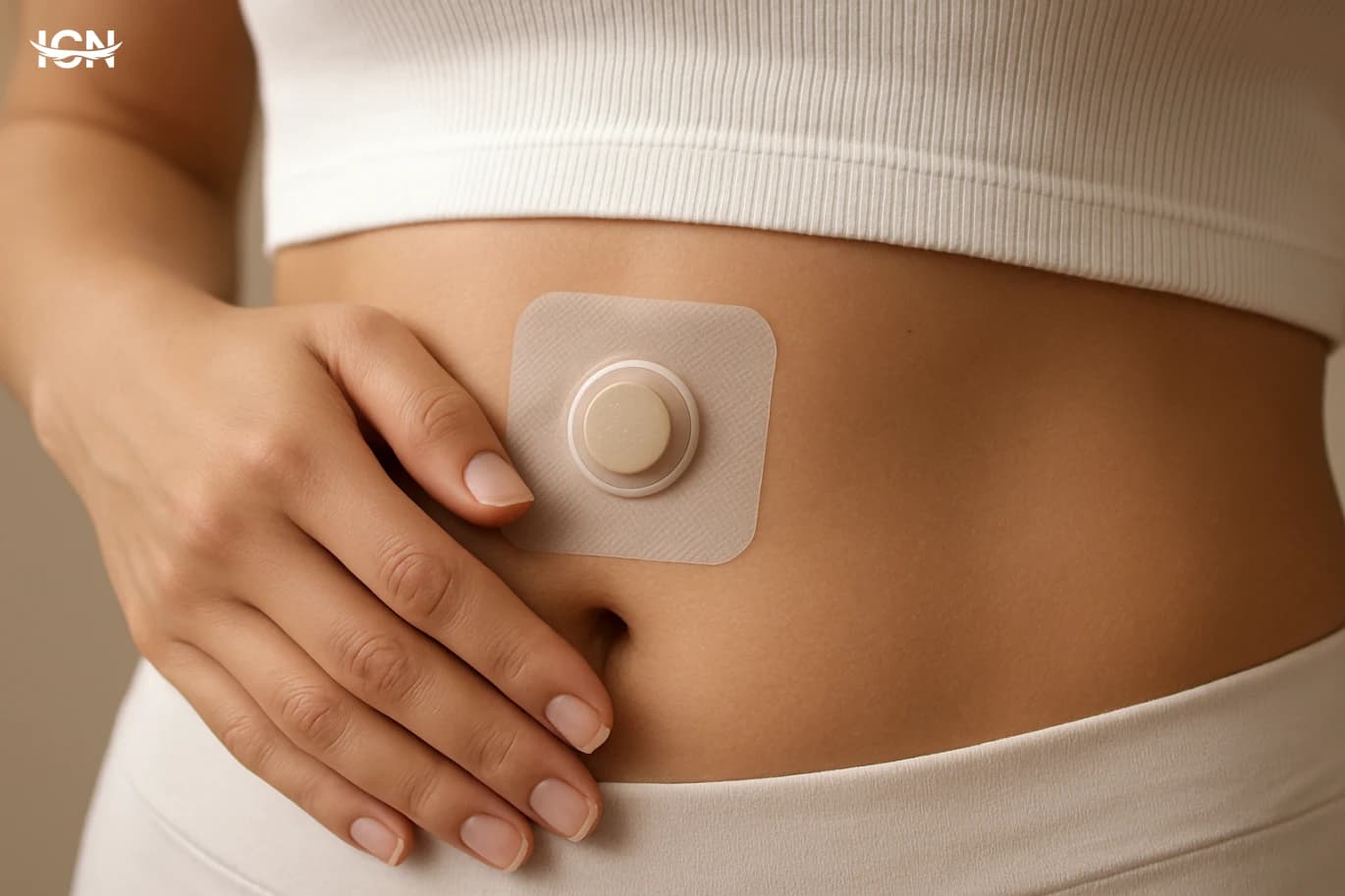
Most smart patches are built around a few core sensors that are already common in medical wearables, then tuned for reproductive use. Skin temperature is a central metric because it can reflect thermoregulation changes linked to hormonal shifts. Unlike a single morning basal temperature reading, a patch can capture nightly trends and filter out noise from short awakenings or room temperature changes. Heart rate and heart rate variability can provide indirect information about stress load, recovery, and sleep quality. These factors do not diagnose infertility, but they can influence cycle regularity and sexual health, and they can help explain why a given month looks different from the previous one. Some patches also estimate respiratory rate during sleep, which can change with illness or fatigue. Advanced designs may incorporate sweat-based sensing for electrolytes or certain metabolites, though these features vary widely and are not standardized across products. The most practical near-term value is often in combining temperature and autonomic signals with a robust app that logs cycle events, symptoms, and medication use. When the data are displayed as trends rather than single numbers, clinicians can look for consistent luteal-phase temperature elevation, unusually short or long phases, or repeated sleep disruption around key cycle windows. For men, a patch does not measure sperm directly. Its role is to capture factors that can affect sperm production and function over time, such as sleep, physiological stress, and heat exposure patterns. Because sperm development spans roughly weeks, a longer view can be more informative than a one-off test taken after an atypical week.
How it can help women beyond ovulation apps
Many ovulation apps depend on calendar predictions or self-reported symptoms. They can be useful for education, but they often struggle when cycles are irregular, when sleep is inconsistent, or when people stop tracking due to fatigue. A patch can reduce the burden by collecting passive data and highlighting windows that deserve attention. One practical advantage is identifying whether a temperature rise consistent with ovulation appears and how long it persists. If a person repeatedly shows a short luteal phase pattern, that information can guide a clinician to consider additional evaluation or timing strategies. Similarly, if the expected post-ovulation temperature shift is absent across multiple cycles, it can prompt earlier discussion about anovulatory cycles rather than waiting months. The patch can also contextualize symptoms. For example, if fatigue and headaches cluster with measurable sleep fragmentation and elevated resting heart rate, the conversation can move from vague complaints to actionable adjustments: sleep scheduling, caffeine timing, or reviewing medications that may affect sleep. In fertility care, these details matter because they influence adherence to treatment plans and the ability to time intercourse or procedures. Importantly, the patch is not a substitute for ultrasound confirmation, lab testing, or medical advice. Its strength is pattern recognition. When paired with clinical evaluation, it can help prioritize which cycles to monitor more closely, when to schedule blood tests, and whether lifestyle factors are likely contributing to cycle variability.
What it can add for men and couples
Male fertility is often reduced to a single semen analysis, yet sperm parameters can vary from sample to sample. A smart patch cannot replace laboratory testing, but it can help couples and clinicians interpret variability by documenting the weeks leading up to a test or a conception attempt. Heat exposure is a common concern. While a patch does not measure scrotal temperature directly in most consumer designs, it can still capture patterns that correlate with heat load: elevated skin temperature during sleep, frequent sauna use logged in the app, or prolonged sedentary periods. When these patterns align with a temporary drop in semen parameters, the response can be practical: adjust habits for several weeks and repeat testing under more typical conditions. Stress and sleep are also relevant. Consistently short sleep and elevated resting heart rate can coincide with reduced libido, poorer overall health behaviors, and difficulty maintaining routines that support fertility care. For couples, shared dashboards can reduce misunderstandings by grounding discussions in data: which weeks were disrupted by travel, illness, or shift work, and whether those disruptions align with missed fertile windows. In clinical settings, longitudinal data can support more efficient consultations. Instead of reconstructing the past month from memory, a clinician can review trends and focus on decisions: whether to time tests differently, whether to address sleep and recovery as part of preconception planning, and when to escalate to specialist evaluation.
Accuracy, privacy, and practical adoption
The value of a smart patch depends on data quality and on how the data are interpreted. Adhesion, skin type, sweating, and placement can affect readings. People should expect an initial calibration period and occasional gaps, especially during intense exercise or in hot climates. The most reliable insights come from multi-week trends rather than day-to-day fluctuations. Privacy is not a secondary issue in fertility tracking. Patch data can include sleep patterns, physiological stress markers, and cycle-related notes. Users should look for clear controls over data sharing, options to export data for a clinician, and transparent policies on whether data are used for product improvement. Local storage, encryption, and the ability to delete an account matter in practice. Adoption also depends on comfort and routine. A patch that irritates skin or requires frequent charging will not produce consistent datasets. Practical questions to ask before choosing a device include: how long a patch lasts, whether replacement adhesives are available, how the app handles missed days, and whether the company provides clinical-grade documentation or validation studies. Finally, expectations should be realistic. A patch can support earlier conversations and better timing, but it cannot confirm a diagnosis on its own. The best outcomes come when wearable data are treated as one input alongside medical history, lab tests, imaging, and clinician judgment.
bookmark
For readers considering a smart fertility patch, the most useful starting point is to define the decision it should support. Examples include: clarifying whether ovulation patterns look consistent over three cycles, documenting sleep disruption during treatment, or creating a stable baseline before repeating a semen analysis. A clear goal helps avoid overreacting to daily noise. A practical workflow is to use the patch continuously for at least two to three cycles for women, or eight to twelve weeks for men, then review the trend summaries with a clinician. During that period, keep app logs simple and consistent: medication changes, illness days, travel, alcohol intake, and major schedule shifts. These annotations often explain outliers better than the sensor data alone. If the patch flags repeated irregularities, the next step is usually not to self-diagnose but to plan targeted clinical testing. That may mean scheduling hormone tests on specific cycle days, confirming ovulation with ultrasound when indicated, or repeating semen analysis after a period of improved sleep and reduced heat exposure. Used this way, a smart patch becomes a tool for better questions and better timing, not a standalone verdict.