Nutrition for Esports Focus
- Why nutrition matters in esports
- Stable energy and sharper attention
- Hydration and brain performance
- Key nutrients that support focus
- Match-day eating and smart snacking
- A practical weekly routine
Why nutrition matters in esports
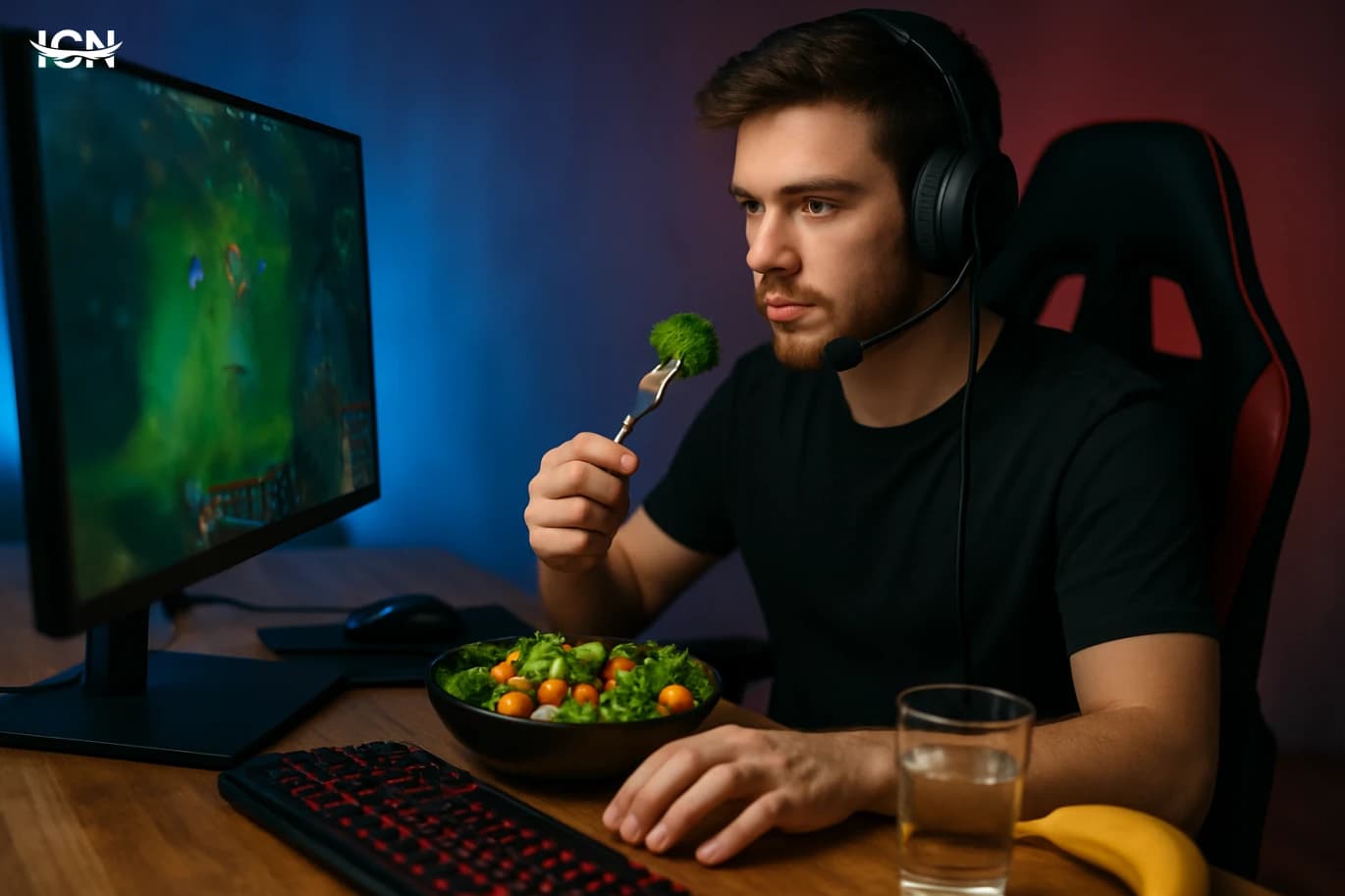
Esports performance depends on sustained attention, fast decision-making, and consistent hand–eye coordination over long sessions. Nutrition influences these skills through blood glucose stability, hydration status, and the availability of key nutrients that support brain signaling. When meals are irregular or built around sugary snacks and energy drinks, players often experience a quick rise in energy followed by a noticeable drop in alertness, reaction speed, and mood stability. That pattern can show up as missed cues, slower aim correction, or poor late-game choices. Unlike many traditional sports, esports training can involve extended screen time with limited movement, which increases the risk of mindless snacking and dehydration. A practical nutrition plan helps maintain steady energy, reduces fatigue, and supports sleep quality, which is critical for learning and memory consolidation. For teams and individual players, treating food and fluids as part of the training routine is a measurable way to improve consistency, not just a lifestyle preference.
Stable energy and sharper attention
Focus during matches is closely tied to how stable your energy supply is. The brain relies heavily on glucose, but it performs best when glucose levels are steady rather than swinging up and down. Meals that combine complex carbohydrates with protein and healthy fats tend to release energy more gradually. Examples include oats with yogurt and nuts, rice with chicken and vegetables, or whole-grain bread with eggs and avocado. These options reduce the likelihood of mid-session “crashes” that can feel like mental fog. Timing also matters. A balanced meal 2–3 hours before a long scrim or tournament block is often easier to digest and provides a stable base. If you need something closer to play time, a small snack 30–60 minutes before can help, such as a banana with a handful of nuts, a small sandwich, or yogurt with fruit. Large, heavy meals right before play can cause sluggishness, while skipping food entirely can lead to irritability and reduced patience under pressure. Caffeine can improve alertness, but it works best as a controlled tool rather than a constant habit. Moderate intake earlier in the day may support reaction time, while late-day caffeine can disrupt sleep and reduce next-day performance. Pairing caffeine with adequate food and water reduces jitters and helps keep attention steady.
Hydration and brain performance
Even mild dehydration can affect attention, short-term memory, and perceived effort. In esports, where small lapses can decide a round, hydration becomes a practical performance factor. Players often underestimate fluid loss because they are not sweating heavily, but long indoor sessions, air conditioning, and caffeine can still contribute to dehydration. A simple approach is to start sessions already hydrated and then sip consistently. Water is the default choice. For long blocks, adding electrolytes can be helpful, especially if you drink large volumes of water or if the environment is warm. Signs that hydration may be slipping include headaches, dry mouth, and difficulty maintaining concentration. Urine color can be a rough indicator: very dark urine often suggests you need more fluids. Sugary sodas and high-sugar energy drinks can worsen energy swings and may cause stomach discomfort. If you use sports drinks, choose lower-sugar options and reserve them for longer sessions. Keeping a bottle at your desk and setting a reminder between games is a practical habit that supports steadier cognition.
Key nutrients that support focus
A strong nutrition base comes from overall diet quality, but certain nutrients are especially relevant for cognition. Omega-3 fats, found in fatty fish (such as salmon and sardines), walnuts, and flaxseed, are associated with brain health and may support cognitive function over time. B vitamins, present in whole grains, legumes, eggs, and leafy greens, contribute to energy metabolism and nervous system function. Iron and zinc, found in meats, seafood, beans, and seeds, support oxygen transport and many enzymatic processes that affect mental performance. Protein intake matters because amino acids are building blocks for neurotransmitters involved in alertness and motivation. Including protein at breakfast and lunch can help reduce cravings and maintain steadier energy. Fiber from vegetables, fruits, and whole grains slows digestion and supports more stable blood sugar, which can translate into more consistent focus. Micronutrient gaps are common when players rely on fast food or snack-heavy diets. A practical target is to include at least one fruit and two servings of vegetables daily, then build up. Supplements can be useful in specific cases, but they should not replace food, and players with medical conditions should consult a clinician before starting any new supplement routine.
Match-day eating and smart snacking
On match days, the goal is predictability: foods you tolerate well, portions that do not cause heaviness, and a plan that prevents last-minute hunger. A reliable pre-match meal might include a lean protein, a familiar carbohydrate, and vegetables, such as grilled chicken with rice and salad, or pasta with tuna and mixed vegetables. Avoid experimenting with very spicy or very high-fat meals right before competition. Snacking should support performance, not replace meals. Useful options include fruit, yogurt, nuts in modest portions, hummus with whole-grain crackers, or a small turkey or cheese sandwich. These provide a mix of carbohydrates and protein that can sustain attention. If you crave something sweet, pair it with protein or fiber to slow the spike, such as dark chocolate with nuts or fruit with yogurt. Energy drinks are common in esports, but many contain high caffeine and sugar. If you choose to use them, check the label, keep the serving size moderate, and avoid stacking multiple caffeinated products. A simpler alternative is coffee or tea with a snack and water. Consistency across the day usually beats extreme “boosts” that fade quickly.
A practical weekly routine
Building a routine reduces decision fatigue and makes good choices easier during busy training weeks. Start with three anchors: a consistent breakfast, a planned lunch, and a hydration habit. Breakfast examples include eggs with whole-grain toast and fruit, or yogurt with oats and berries. For lunch, batch-cook a protein (chicken, beans, or fish) and pair it with a carbohydrate (rice, potatoes, or whole grains) plus vegetables. Plan snacks the same way you plan gear: keep them visible and convenient. Stock fruit, yogurt, nuts, and whole-grain options so you are not forced into vending-machine choices. For hydration, aim to drink water regularly and add an electrolyte option for longer sessions if needed. Finally, protect sleep with nutrition timing. Try to finish large meals 2–3 hours before bed, limit late caffeine, and choose a light evening snack if you are hungry, such as milk or yogurt with fruit. Over time, this routine supports steadier energy, better practice quality, and more reliable focus in high-pressure matches.