Best Drinks for Liver Support
- What “best” really means for the liver
- Water first, then smart upgrades
- Coffee and tea, the evidence-backed pair
- Beet, citrus, and herbal options that fit real life
- What to limit for a calmer liver workload
- A simple daily plan and when to seek advice
What “best” really means for the liver
There isn’t one single drink that “cleanses” the liver. The liver already filters and processes substances every day, and what helps most is reducing the workload while supporting normal metabolism. When people ask for the best drink for the liver, they usually mean a beverage that is low in added sugar, supports hydration, and contains compounds linked in research to healthier liver markers. A practical way to judge any drink is to look at three points: sugar content, alcohol content, and overall calorie load. Sugary beverages can contribute to excess calorie intake and fat buildup in the liver over time, especially when they replace water. Alcohol is directly processed by the liver and can strain it even at moderate levels for some people. High-calorie “health” drinks can also backfire if they lead to weight gain. So the “best” drink is often the one you can use consistently: water as the base, plus a small set of evidence-informed options that fit your daily routine. The goal is not a short detox, but steady habits that support liver function and overall metabolic health.
Water first, then smart upgrades
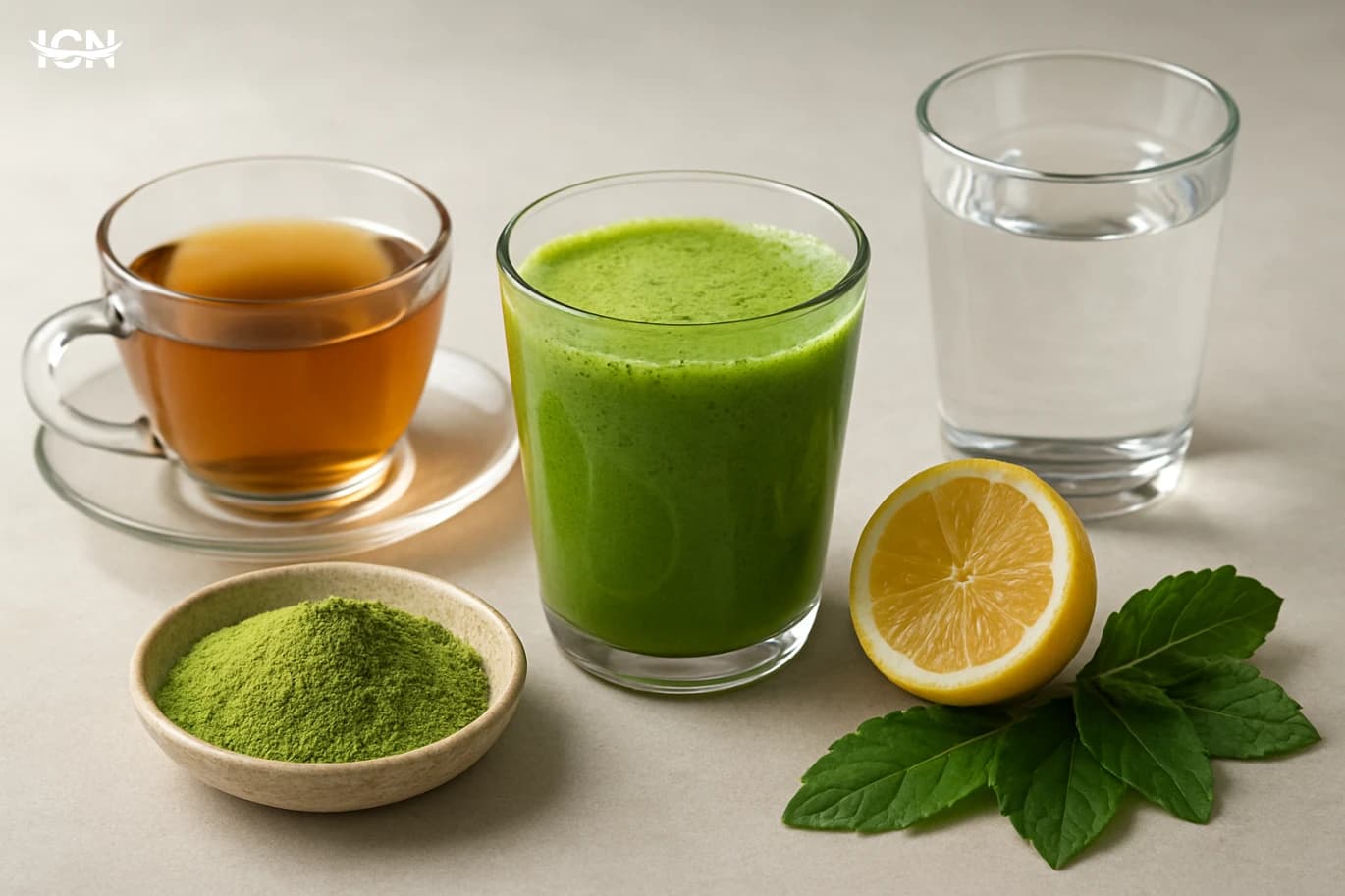
For most people, plain water is the top liver-friendly drink because it supports circulation and normal digestion without adding sugar, alcohol, or unnecessary calories. Hydration also helps the body manage byproducts of metabolism through urine and bile flow. If you struggle to drink enough, small upgrades can make water easier to stick with. Try infused water with lemon slices, cucumber, or mint. These additions improve taste with minimal calories. Unsweetened sparkling water can also work if it doesn’t trigger bloating for you. If you use electrolyte drinks, choose low-sugar versions and reserve them for heavy sweating or long workouts rather than daily sipping. A useful rule is to treat sweetened beverages as occasional, not routine. Even “natural” sweeteners and fruit concentrates can push sugar intake up quickly. If you want flavor, aim for unsweetened options and keep portions realistic. Consistency matters more than any single ingredient.
Coffee and tea, the evidence-backed pair
Among everyday beverages, coffee has some of the strongest research links to better liver outcomes. Multiple studies associate regular coffee intake with lower levels of certain liver enzymes and a reduced risk of advanced liver scarring in various populations. The benefit appears related to coffee’s bioactive compounds, not just caffeine, which is why both caffeinated and decaf coffee can be reasonable options. The key is how you drink it. Liver-friendly coffee means minimal added sugar and limited high-fat add-ins. A latte loaded with flavored syrup is closer to a dessert than a health drink. If you prefer sweetness, reduce gradually or use small amounts rather than large flavored portions. Tea can also be a supportive choice, especially unsweetened green tea or black tea. These provide polyphenols that are widely studied for metabolic health. However, concentrated green tea extracts in supplements have been linked to liver injury in some cases, which is a reason to prefer brewed tea over high-dose pills or “detox” shots. For most people, 2–4 cups of brewed tea a day is a practical range, adjusted for caffeine sensitivity and sleep.
Beet, citrus, and herbal options that fit real life
If you want variety beyond coffee and tea, a few options can be useful when prepared in a balanced way. Beetroot juice is often discussed because beets contain nitrates and betalains, compounds studied for circulation and oxidative stress. For liver support, the main advantage is that beet juice can be a nutrient-dense alternative to sugary drinks, but portion size matters because juice concentrates natural sugars. A small glass (for example 100–150 ml) alongside a meal is more sensible than large bottles. Citrus-based drinks can help you replace soda with something lighter. Fresh lemon or lime in water is the simplest approach. If you drink orange juice, keep it to a small serving and consider whole fruit more often, because fiber helps moderate sugar absorption. Herbal drinks like ginger or turmeric tea are popular. They can be part of a liver-supportive routine mainly because they are typically consumed without sugar and can replace sweet beverages. Use culinary amounts rather than high-dose powders, and be cautious with “detox blends” that combine many herbs without clear labeling. If you take blood thinners or have gallbladder issues, check with a clinician before using concentrated turmeric or ginger regularly.
What to limit for a calmer liver workload
If your goal is liver support, what you avoid can matter as much as what you add. Alcohol is the clearest example: it is processed in the liver and can worsen liver inflammation and fat accumulation in susceptible individuals. If you already have liver disease or elevated liver enzymes, clinicians often recommend avoiding alcohol entirely. Sugary drinks are another major target. Regular soda, sweetened iced tea, energy drinks, and sweetened coffee beverages can deliver large amounts of sugar quickly. Over time, this pattern is linked with weight gain and metabolic strain, both of which are closely tied to fatty liver risk. Be cautious with “detox” drinks that promise rapid cleansing. Many contain laxatives, high doses of herbal extracts, or unlisted ingredients. These products can cause dehydration or interact with medications. A safer approach is to choose simple, clearly labeled beverages and focus on daily habits: water intake, balanced meals, and regular movement.
A simple daily plan and when to seek advice
A realistic liver-supportive drink routine can be simple. Start the day with water, then choose either coffee or tea without heavy sweeteners. Keep a bottle of water available and use infused water if that improves adherence. If you want a nutrient-focused option, add a small serving of beet juice a few times per week rather than daily large portions. With meals, prioritize water or unsweetened tea over soda. If you are trying to improve fatty liver risk, the biggest beverage wins are usually: eliminating sugary drinks, reducing alcohol, and keeping coffee or tea unsweetened. These changes often reduce total calorie intake without feeling like a strict diet. Seek medical advice if you have persistent fatigue, yellowing of the skin or eyes, dark urine, unexplained abdominal swelling, or if blood tests show elevated liver enzymes. Also ask a clinician before using concentrated herbal products if you are pregnant, have chronic conditions, or take regular medications. The safest “best drink” for the liver is the one that supports hydration and healthy routines without adding hidden sugar, alcohol, or risky supplements.