App Logo

Download Our App

Shop your way

logologo
Image

Stress and the Hidden Memory Drain

06/04/2026By: ICN Writer
Stress and the Hidden Memory Drain

Why the Forgetfulness Feels Constant

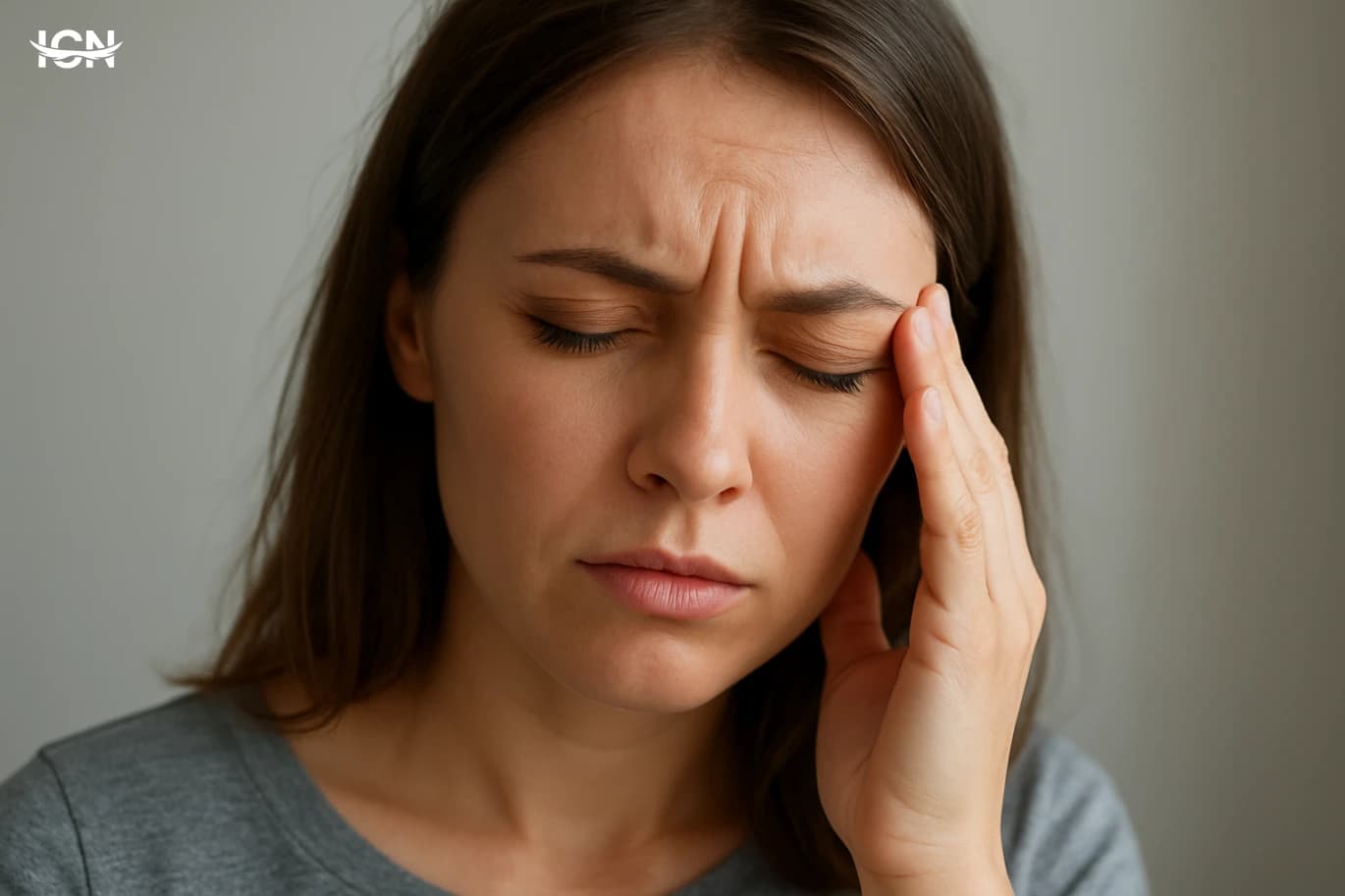
Many women describe a specific pattern: misplacing keys, forgetting appointments, losing track of what they were about to say, or rereading the same message twice. What makes it unsettling is the frequency, not the severity. In most cases this is not a sudden loss of intelligence or a permanent decline, but a predictable result of how stress changes attention. Memory depends on three steps: taking in information, storing it, and retrieving it later. Under pressure, the first step often fails. When the brain is busy scanning for problems, planning, and switching between tasks, it records fewer details. The result is “I forgot,” when in reality the information was never fully registered. Women are also more likely to carry multiple roles at once—work demands, household logistics, caregiving, and social coordination. This increases cognitive load: the number of items the brain tries to keep active at the same time. High cognitive load produces more everyday memory slips, even in otherwise healthy people. Another reason the cause feels unclear is that stress can become the baseline. When a person has been tense for months, it no longer feels like an acute episode. The body adapts, but the brain continues to operate in a high-alert mode that is unfriendly to focus and recall.

What Stress Does Inside the Brain

Stress is not only a feeling; it is a biological response. When the body perceives ongoing demands, stress hormones such as cortisol rise. Short bursts can be useful for performance, but persistent elevation affects brain regions involved in memory and decision-making. The hippocampus, a key area for forming new memories, is sensitive to prolonged stress. Research has linked chronic stress with reduced efficiency in learning and recall, especially for details and sequences. At the same time, the amygdala, which detects threat and emotional salience, can become more active, pulling attention toward worries and away from neutral information. Stress also disrupts the prefrontal cortex, the “management” system that supports planning, prioritizing, and working memory. Working memory is the mental notepad used to hold a phone number briefly or remember the next step in a task. When stress overloads this system, people experience mental blanking, word-finding difficulties, and a sense of being scattered. Sleep is a major amplifier. Stress often shortens sleep, fragments it, or delays it. Memory consolidation—turning daily experiences into stable memories—happens during sleep, especially deep sleep. Even a few nights of poor sleep can mimic the feeling of cognitive decline, and months of disrupted sleep can make forgetfulness feel relentless.

Everyday Triggers Women Often Overlook

Not all stress is dramatic. Many memory complaints come from small, repeated pressures that accumulate. One common trigger is constant task-switching: answering messages while working, managing household logistics mid-meeting, or keeping multiple tabs open mentally. The brain pays a cost each time it switches, and that cost shows up as missed details. Another overlooked factor is decision fatigue. When a person makes dozens of small decisions—what to cook, what to buy, how to respond, how to schedule—mental energy drops. As fatigue rises, the brain relies more on autopilot, which increases the chance of forgetting where something was placed or whether a task was completed. Nutrition and hydration also matter. Skipping meals, relying on high-sugar snacks, or drinking too little water can worsen concentration. Iron deficiency, low vitamin B12, and low vitamin D are common in many populations and can contribute to tiredness and cognitive fog. These are not “stress” in the emotional sense, but they interact with stress by reducing resilience. Hormonal shifts can add another layer. Premenstrual symptoms, postpartum changes, and perimenopause may affect sleep, mood, and attention. Many women interpret this as a personal failure rather than a physiological transition. The key point is not to blame hormones for everything, but to recognize that stress plus hormonal fluctuation can make memory lapses more noticeable. Finally, unaddressed anxiety can look like forgetfulness. When the mind is rehearsing worries, it has less capacity to encode new information. People may remember the worry in detail but forget the practical steps they intended to take.

How to Tell Stress Forgetfulness from a Medical Issue

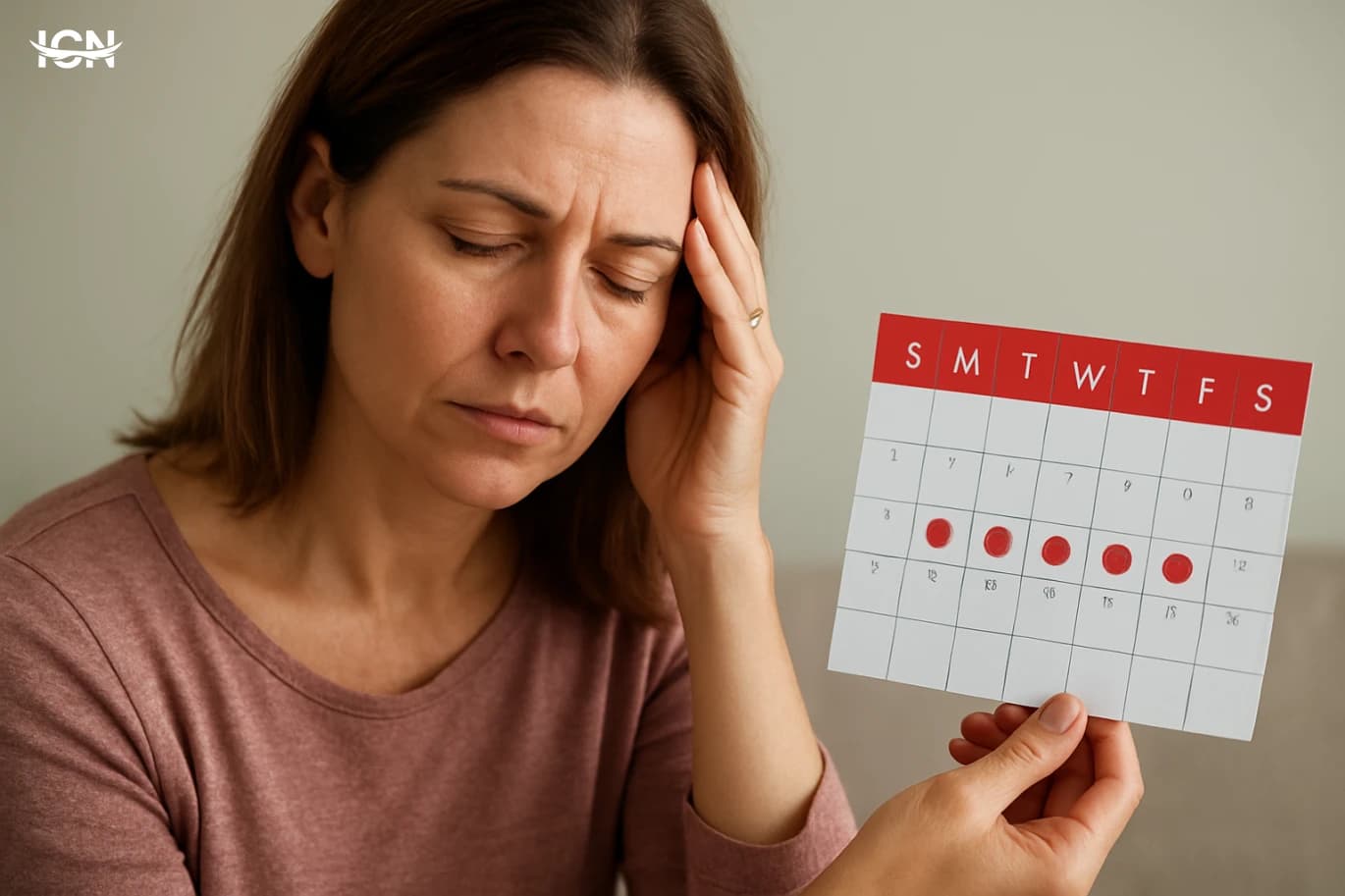
Most stress-related forgetfulness is situational: it worsens during busy periods and improves with rest, better sleep, and reduced overload. People typically remember important personal facts and can function independently, even if they feel less sharp. Red flags are different. Seek medical advice if memory problems are rapidly worsening, interfere with safety (such as leaving the stove on repeatedly), are accompanied by confusion about time or place, or come with significant changes in personality, speech, or coordination. Also consider evaluation if forgetfulness persists despite improved sleep and reduced stress. A practical first step is to track patterns for two to four weeks. Note sleep duration, caffeine intake, menstrual cycle timing, workload peaks, and episodes of forgetfulness. This record helps separate random slips from a consistent trend and gives clinicians useful context. Basic health checks can be valuable. Depending on symptoms and local guidelines, clinicians may assess anemia, thyroid function, vitamin B12, vitamin D, blood sugar, and other factors. Medication side effects can also contribute, including some antihistamines, sleep aids, and certain pain medications. The goal is not self-diagnosis, but ruling out common, treatable contributors. Mental health screening is equally relevant. Chronic anxiety and burnout can impair concentration as strongly as some physical conditions. Addressing them early often improves memory complaints without complex interventions.

Practical Steps That Restore Clarity

Improving memory under stress is often about improving attention and reducing overload. Start with sleep as a non-negotiable foundation. Aim for a consistent schedule, reduce late caffeine, and protect a wind-down period. If insomnia is frequent, structured approaches such as cognitive behavioral strategies for sleep can be more effective than occasional remedies. Next, reduce task-switching. Use a single capture system for obligations: one calendar and one to-do list. When a task appears, write it down immediately instead of trying to hold it in mind. This simple habit reduces working-memory strain and lowers the number of “I forgot” moments. Use environmental cues. Keep essentials in fixed locations, label storage for frequently used items, and set reminders for time-sensitive tasks. These are not signs of weakness; they are standard cognitive supports used by high-performing professionals. Support the body. Regular meals with protein and fiber stabilize energy. Hydration improves alertness. Moderate physical activity, even brisk walking, is associated with better mood and cognitive performance. If fatigue is persistent, discuss screening for iron deficiency or thyroid issues with a clinician. Finally, address the stress source with specific boundaries. Examples include setting message-checking windows, delegating one household task, or creating a weekly planning session to prevent last-minute chaos. Memory improves when the brain is not forced to operate in emergency mode all day.

* All articles published on this blog are sourced from various websites and are provided for informational purposes only. They should not be considered as confirmed studies or accurate information. Please verify the information independently before relying on it.

Similar ARTICLES

How People Change After Sixty
Turning 60 does not flip a switch in personality or ability, but it often marks a period when small biological and social changes become more noticeable. Many people see slower processing speed, meaning tasks that require quick reactions or rapid switching between activities can take longer. At the same time, accumulated knowledge and pattern recognition can stay strong, supporting good judgment in familiar situations such as managing a household, mentoring at work, or navigating routine health decisions. Personality traits are generally stable across adulthood, yet day-to-day behavior can shift because priorities change. After 60, people often place more value on meaningful relationships, predictable routines, and activities that feel purposeful. These shifts can look like “personality change,” but they are frequently adjustments to health, energy levels, retirement, caregiving roles, or a different social circle. The key point is that change is common, but it is usually gradual and shaped by lifestyle and health rather than age alone.
Hepatitis Day Essentials for Women
World Hepatitis Day is a practical reminder to check liver health, update vaccinations, and reduce everyday exposure risks. Viral hepatitis is a group of infections that inflame the liver, mainly caused by hepatitis A, B, C, D, and E viruses. The most common public health focus is on hepatitis B and C because they can become chronic and silently damage the liver for years. For many women, the topic intersects with routine life stages: pregnancy planning, postpartum care, family caregiving, and workplace health requirements. The liver is central to metabolism and medication processing, so untreated hepatitis can affect energy, digestion, and long-term health. The goal of this guide is to clarify symptoms you should not ignore, how diagnosis is confirmed, what treatment typically looks like, and which prevention steps are realistic at home, at work, and in healthcare settings.
Viagra Research and Cancer Spread Signals
Recent laboratory and early translational research has raised a focused question: could sildenafil, widely known by the brand name Viagra, influence how certain cancer cells move and form secondary tumors? The headline claim is not that the drug treats cancer, but that it may reduce some of the cellular behaviors linked to metastasis, the process by which cancer spreads from its original site to other organs. Metastasis is responsible for a large share of cancer-related deaths, so even modest effects on cell migration or immune activity can attract scientific attention. It is important to separate what is observed in controlled experiments from what is proven in patients. Much of the evidence discussed in this area comes from cell cultures, animal models, or analyses of biological pathways rather than randomized clinical trials designed to measure cancer outcomes. In those settings, researchers can expose tumor cells to sildenafil, measure changes in movement, adhesion, and signaling molecules, and observe whether tumors in animals show differences in growth patterns or spread. These studies can generate hypotheses and identify mechanisms, but they do not establish that taking Viagra will prevent metastasis in people. The most responsible reading of the current research is that sildenafil is being explored as a potential “adjunct” candidate, meaning a drug that might complement standard cancer therapies by affecting the tumor microenvironment, immune responses, or cell motility pathways. That is a narrower and more realistic claim than any suggestion of a standalone anti-cancer pill. The study angle that has drawn attention is the possibility that a familiar, widely manufactured medication could have secondary biological effects relevant to oncology, which is a common route for drug repurposing research.
Sudden Eye Twitching Explained
A sudden eye twitch is most often a brief, involuntary spasm of the eyelid muscles, not the eyeball itself. People typically feel it in the upper lid, sometimes the lower lid, and it can come and go for seconds or minutes. The medical term many clinicians use is eyelid myokymia, which describes small, repetitive contractions that are usually harmless and self-limited. The sensation can be distracting because it happens without warning and may repeat throughout the day. It rarely affects vision directly, but it can make the eye feel “busy,” irritated, or tired. In most cases, the twitch is linked to temporary strain on the nervous system and the muscles around the eye rather than a serious neurological problem. It is useful to separate common eyelid twitching from other conditions that can look similar. A twitch that is mild, localized to one eyelid, and improves with rest is typically benign. More persistent, forceful, or spreading spasms need a different level of attention, which is covered later in this article.
Antibiotics Leave Long Shadows
Many people think an antibiotic is a short, self-contained event: you take tablets for a few days, symptoms improve, and the story ends. In reality, the body can “remember” that exposure through changes that last far beyond the prescription. The most important reason is that antibiotics do not target only the bacteria causing an infection. They also affect the wider microbial community living in the gut, mouth, skin, and airways. This community supports digestion, vitamin production, immune training, and protection against harmful microbes. When an antibiotic course reduces parts of this community, the body may rebuild it, but the rebuilt version is not always identical to what existed before. Some species recover quickly, others return slowly, and some may not return at all without time and repeated exposure from food, environment, and close contacts. This is why two people can take the same drug and have different long-term outcomes: their starting microbiomes, diets, and prior antibiotic history are different. The “memory” is not a single mark; it is a set of biological adjustments that can persist for months or years.
Ferritin Deficiency Signs You Should Notice
Ferritin is the body’s main iron storage protein. Think of it as the “reserve tank” that keeps iron available for daily needs such as making red blood cells, supporting muscle function, and maintaining normal energy metabolism. A key point is that ferritin can drop before hemoglobin does. That means you may feel unwell even if a routine blood count looks “normal.” Low ferritin is not the same as iron-deficiency anemia, but it can be the stage that comes before it. Many people only discover the issue after months of vague symptoms that are easy to blame on stress, sleep, or a busy schedule. Recognizing early signals matters because restoring iron stores typically takes time, and the cause of the depletion should be identified rather than simply masked. Ferritin levels can be influenced by inflammation and some chronic conditions, which may raise ferritin even when iron stores are not truly adequate. For that reason, clinicians often interpret ferritin alongside other tests such as transferrin saturation, serum iron, total iron-binding capacity, and a complete blood count. The practical takeaway: symptoms plus the right lab context are what guide decisions.
Expired Medicines and Real-World Effectiveness
An expiration date on a medicine is primarily a guarantee from the manufacturer about quality, potency, and safety up to that date when the product is stored as directed. It is not a simple switch from “good” to “bad” overnight. The date is based on stability testing that tracks how the active ingredient and the full formulation behave over time under defined conditions. Companies select a shelf life that they can confidently support with data, packaging performance, and consistent manufacturing. In practice, the date tells you that the medicine should still meet labeled strength and performance standards until that point. Afterward, the manufacturer is no longer guaranteeing that it will deliver the intended dose or remain within impurity limits. That matters because many medicines are formulated to deliver a specific amount of active ingredient within a narrow range. Even modest loss of potency can change outcomes for medicines where dosing accuracy is important. It also helps to separate “expiration” from “beyond-use date.” Expiration is printed on the original container. A beyond-use date is assigned by a pharmacist when a medicine is repackaged, compounded, or when a bottle is opened and stored outside its original protective packaging. For example, some liquids and antibiotic suspensions have short beyond-use periods after mixing, even if the printed expiration is far in the future. Understanding which date applies to your situation is the first step in deciding what to do with an older product.
Smart Patch for Hidden Fertility Signals
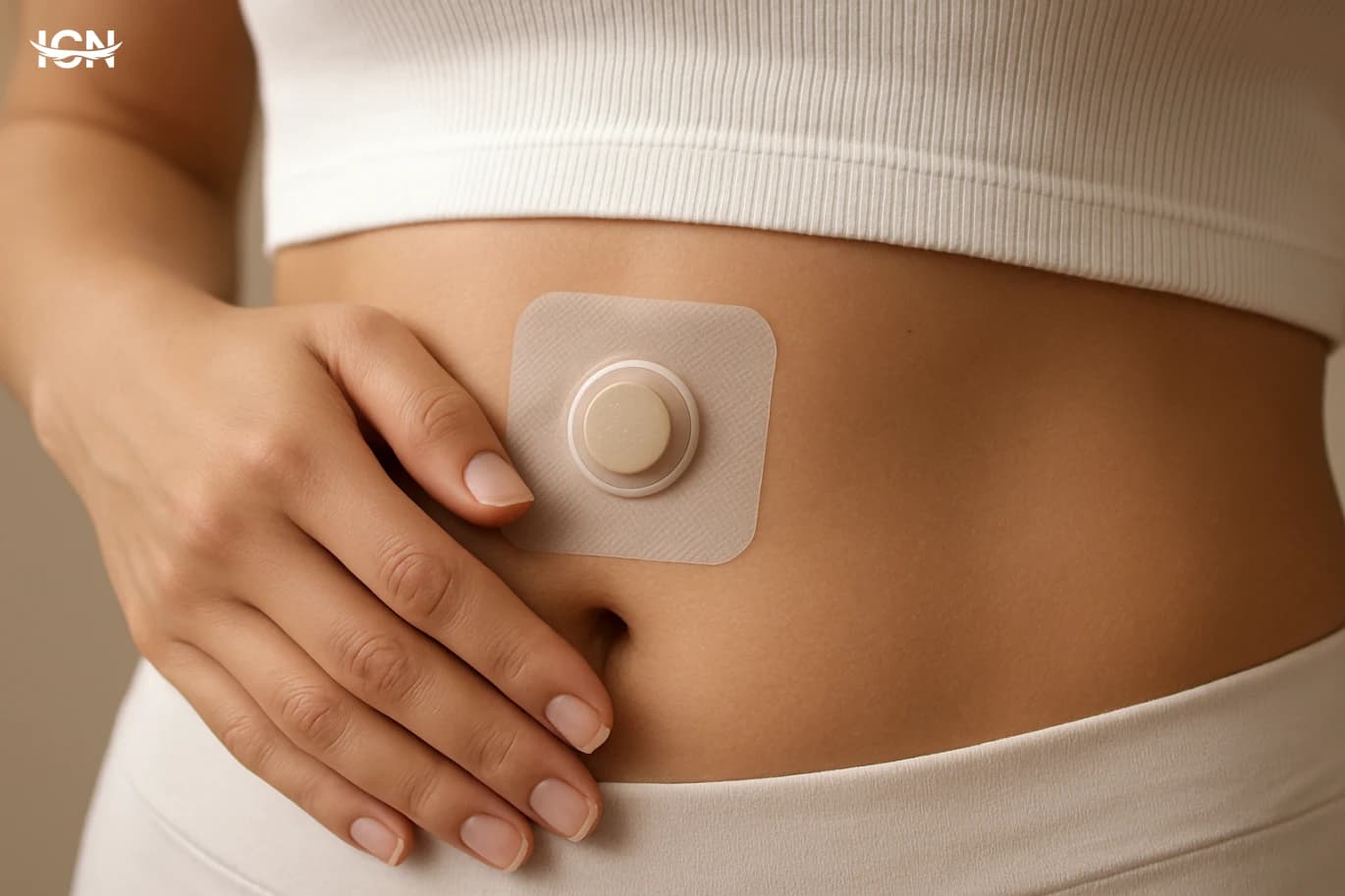
Fertility assessments still rely heavily on snapshots: a single semen analysis, a hormone panel drawn on one morning, or an ultrasound performed on one cycle day. These tests can be valuable, but they may miss patterns that unfold over hours or days. Temperature shifts, sleep disruption, stress-related hormone changes, and subtle inflammation can influence reproductive physiology without showing up clearly in a one-time clinic visit. A smart patch approach targets that gap by collecting frequent, low-burden measurements in daily life. Instead of asking people to remember symptoms or track basal temperature manually, a wearable sensor can capture continuous or near-continuous signals and connect them to cycle timing, medication schedules, travel, and lifestyle changes. The goal is not to replace clinical diagnostics, but to add context that helps clinicians interpret results and helps individuals understand what is happening between appointments. The “hidden” part of fertility is often about variability. Ovulation can shift from month to month, and sperm quality can fluctuate with heat exposure, illness, sleep debt, and certain medications. A patch that tracks physiological markers over time can highlight when a change is persistent versus when it is a temporary deviation. That distinction matters when deciding whether to repeat tests, adjust timing for conception attempts, or investigate underlying conditions.
Best Drinks for Liver Support
There isn’t one single drink that “cleanses” the liver. The liver already filters and processes substances every day, and what helps most is reducing the workload while supporting normal metabolism. When people ask for the best drink for the liver, they usually mean a beverage that is low in added sugar, supports hydration, and contains compounds linked in research to healthier liver markers. A practical way to judge any drink is to look at three points: sugar content, alcohol content, and overall calorie load. Sugary beverages can contribute to excess calorie intake and fat buildup in the liver over time, especially when they replace water. Alcohol is directly processed by the liver and can strain it even at moderate levels for some people. High-calorie “health” drinks can also backfire if they lead to weight gain. So the “best” drink is often the one you can use consistently: water as the base, plus a small set of evidence-informed options that fit your daily routine. The goal is not a short detox, but steady habits that support liver function and overall metabolic health.
How many minutes of sunlight do we need for Vitamin D?
Vitamin D supports bone strength by helping the body absorb calcium and phosphorus, and it also plays roles in muscle function and immune regulation. Unlike many nutrients, a large share of vitamin D can be produced in the skin when ultraviolet B (UVB) rays from sunlight trigger a chemical reaction that forms vitamin D3. The practical question is not whether sunlight can help, but how to use it safely and effectively. The amount of vitamin D your body makes from sun exposure varies widely. It depends on the intensity of UVB at your location and time of day, your skin tone, age, clothing coverage, and how much skin is exposed. Because these factors change from person to person and season to season, there is no single “one-size” number of minutes that fits everyone. Still, there are evidence-based ranges that can guide most healthy adults. It is also important to separate vitamin D goals from tanning goals. Tanning is a skin response to UV damage, while vitamin D production can occur with relatively modest exposure. The aim is brief, regular exposure that avoids sunburn, because sunburn indicates excessive UV exposure and increases skin damage risk. A balanced plan combines sensible sun habits, diet, and supplementation when needed.
Garlic Benefits for Women
Garlic is more than a kitchen staple. It contains sulfur compounds such as allicin that form when a clove is crushed or chopped, along with antioxidants, small amounts of vitamins and minerals, and natural plant chemicals that support overall wellness. For many women, the interest in garlic comes from practical goals: supporting heart health, maintaining steady energy, improving skin clarity, and strengthening everyday immunity. How you prepare garlic affects what you get from it. Crushing or finely chopping and then letting it sit for about 10 minutes before cooking helps allicin-related compounds develop. Gentle cooking can still be useful, but very high heat for long periods may reduce some active compounds. Garlic can be used in meals, dressings, and spreads, and some women also choose standardized supplements, though food-first is usually the simplest approach. Garlic is not a cure-all, and it does not replace medical care. It can, however, be a consistent part of a balanced diet that includes vegetables, fiber-rich grains, adequate protein, and healthy fats. The sections below highlight evidence-informed areas where garlic may be especially relevant for women, from physical health to beauty routines, with practical tips and sensible cautions.
Why You Keep Sighing Without Effort
A sigh is a deeper-than-usual breath that often ends with a longer exhale. It is not always a sign of a problem; the body uses occasional sighs to reset breathing patterns, reopen tiny air sacs in the lungs, and balance oxygen and carbon dioxide levels. Many people sigh a few times an hour without noticing. Repeated sighing “without effort” usually means you are not short of breath during activity, but you still feel a need to take a big breath at rest, while working at a desk, or while watching TV. Some describe it as “air hunger,” frequent yawning, or the sense that normal breaths are not satisfying. The key point is that the trigger is not physical exertion, which shifts the focus toward breathing habits, stress responses, indoor air factors, and certain medical conditions that can show up even when you are sitting still.
Nutrition for Esports Focus
Esports performance depends on sustained attention, fast decision-making, and consistent hand–eye coordination over long sessions. Nutrition influences these skills through blood glucose stability, hydration status, and the availability of key nutrients that support brain signaling. When meals are irregular or built around sugary snacks and energy drinks, players often experience a quick rise in energy followed by a noticeable drop in alertness, reaction speed, and mood stability. That pattern can show up as missed cues, slower aim correction, or poor late-game choices. Unlike many traditional sports, esports training can involve extended screen time with limited movement, which increases the risk of mindless snacking and dehydration. A practical nutrition plan helps maintain steady energy, reduces fatigue, and supports sleep quality, which is critical for learning and memory consolidation. For teams and individual players, treating food and fluids as part of the training routine is a measurable way to improve consistency, not just a lifestyle preference.
By clicking the SUBSCRIBE button, you are agreeing to our Privacy & Cookie Policy If you want to unsubsribe the marketing email, please proceed to our privacy center.
© 2005-2026 ICN. All Rights Reserved.