Digital currencies
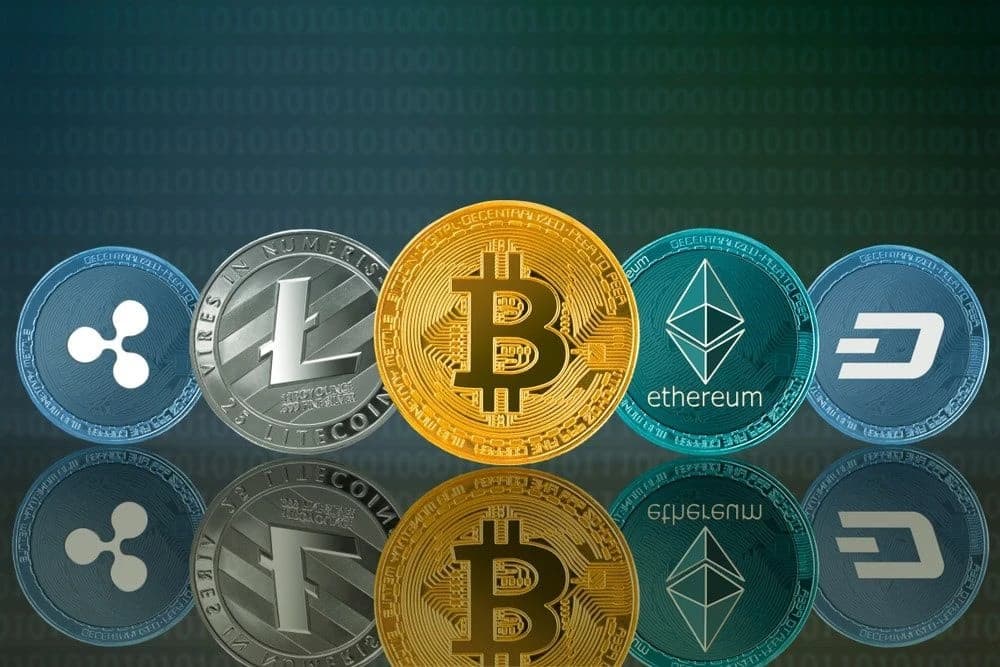
- Introduction to digital currencies
- Types of popular digital currencies
- Blockchain technology
- How to buy and store digital currencies
- Benefits of digital currencies
Introduction to digital currencies
A. Definition of digital currencies Digital currencies are defined as money that exists only electronically, and does not have a physical form like traditional money. These currencies are used to facilitate financial transactions over the Internet, as they are stored and transferred using advanced technologies such as blockchain technology. for. History of the emergence of digital currencies The emergence of digital currencies began in the early 2000s with the emergence of Bitcoin in 2009. Since then, digital currencies have witnessed rapid development and an increase in popularity, as many alternative currencies have emerged that seek to improve various aspects of the original currency. Cryptocurrencies are now considered an essential part of the modern digital economy.
Types of popular digital currencies
A. Bitcoin: Bitcoin is considered the first digital currency to appear on the market, and it has achieved widespread fame globally. It relies on blockchain technology to ensure security and transparency in transactions. Bitcoin is used as a medium of exchange and as a long-term investment by many individuals and businesses. for. Ethereum Ethereum is one of the most prominent digital currencies following Bitcoin, as it is distinguished by the ability to create smart contracts that operate on the blockchain network. Ethereum aims to make it easier to create decentralized applications, which has attracted many developers and innovators.
Blockchain technology
A. Blockchain Concept Blockchain technology represents a distributed digital ledger that records all transactions in a secure and transparent manner. Each block in the chain contains a set of transactions, and is linked to the previous block, making manipulation of information nearly impossible. for. The role of blockchain in securing digital currencies Blockchain technology contributes to securing digital currencies by securing data and adding layers of protection against fraud. Thanks to this technology, every transaction is confirmed by a multi-participant network, which prevents fraud and enhances users' confidence in the digital environment.
How to buy and store digital currencies
A. Popular Trading Platforms New investors should choose reliable trading platforms such as Binance or Coinbase that offer easy user interfaces and advanced analysis tools. Users must register, and complete the verification process, to begin purchasing cryptocurrencies. for. Digital wallets and their types After purchasing digital currencies, investors must store them in a safe way. There are two main types of digital wallets: hot wallets, which are connected to the Internet and provide easy access, and cold wallets, which store currencies offline, which increases security and ensures the safety of assets.
Benefits of digital currencies
A. Speed of conversion and reduced costs Cryptocurrencies have a high conversion speed, as users can complete transactions within seconds. This allows costs to be significantly reduced compared to traditional methods, as there is no need for an intermediary. Individuals and businesses can take advantage of these benefits to speed up financial operations and make savings. for. Decentralization and Transparency of Operations One of the positive aspects of digital currencies is their decentralized nature, which means that there is no central entity controlling them. This enhances transparency, as all transactions on the blockchain network can be easily traced. Thus, investors can trust these systems without having to worry about manipulation or fraud.