Stablecoins Under Pressure in 2026

- Why Stablecoins Matter Now
- What “Backed” Really Means
- The New Risk Map for Users
- Regulation and Transparency Trends
- How to Evaluate a Stablecoin
- What to Watch in the Next 12 Months
Why Stablecoins Matter Now
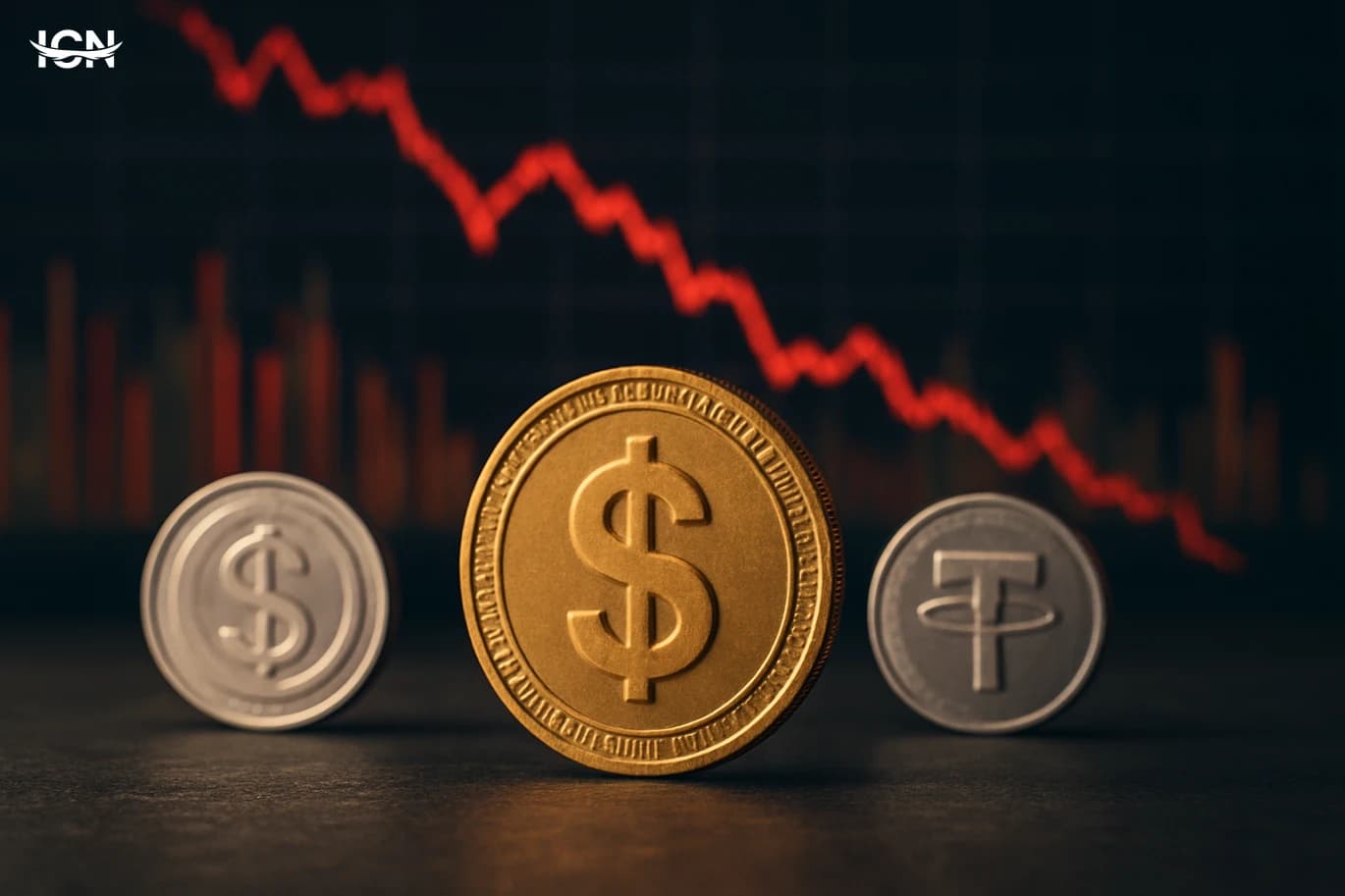
Stablecoins have moved from a niche crypto tool to a core piece of day-to-day market plumbing. They are widely used to move value between exchanges, park funds during volatility, settle trades quickly, and access crypto services without constantly converting back to bank money. In many markets, they also function as a practical bridge for people who want digital dollars without relying on international bank transfers. In 2026, the stakes are higher because stablecoins sit at the intersection of trading, payments, and risk management. When confidence in a stablecoin weakens, liquidity can dry up fast, spreads widen, and the cost of moving money increases. Even users who never “invest” in stablecoins can be affected through slower withdrawals, higher fees, or reduced access to certain platforms. This topic is timely because the stablecoin landscape is no longer defined by a single dominant model. Cash-and-bill backed coins, crypto-collateralized designs, and yield-bearing variants all compete for users. Each approach comes with different transparency standards, reserve management practices, and operational risks, making it harder for everyday users to judge safety by brand recognition alone.
What “Backed” Really Means
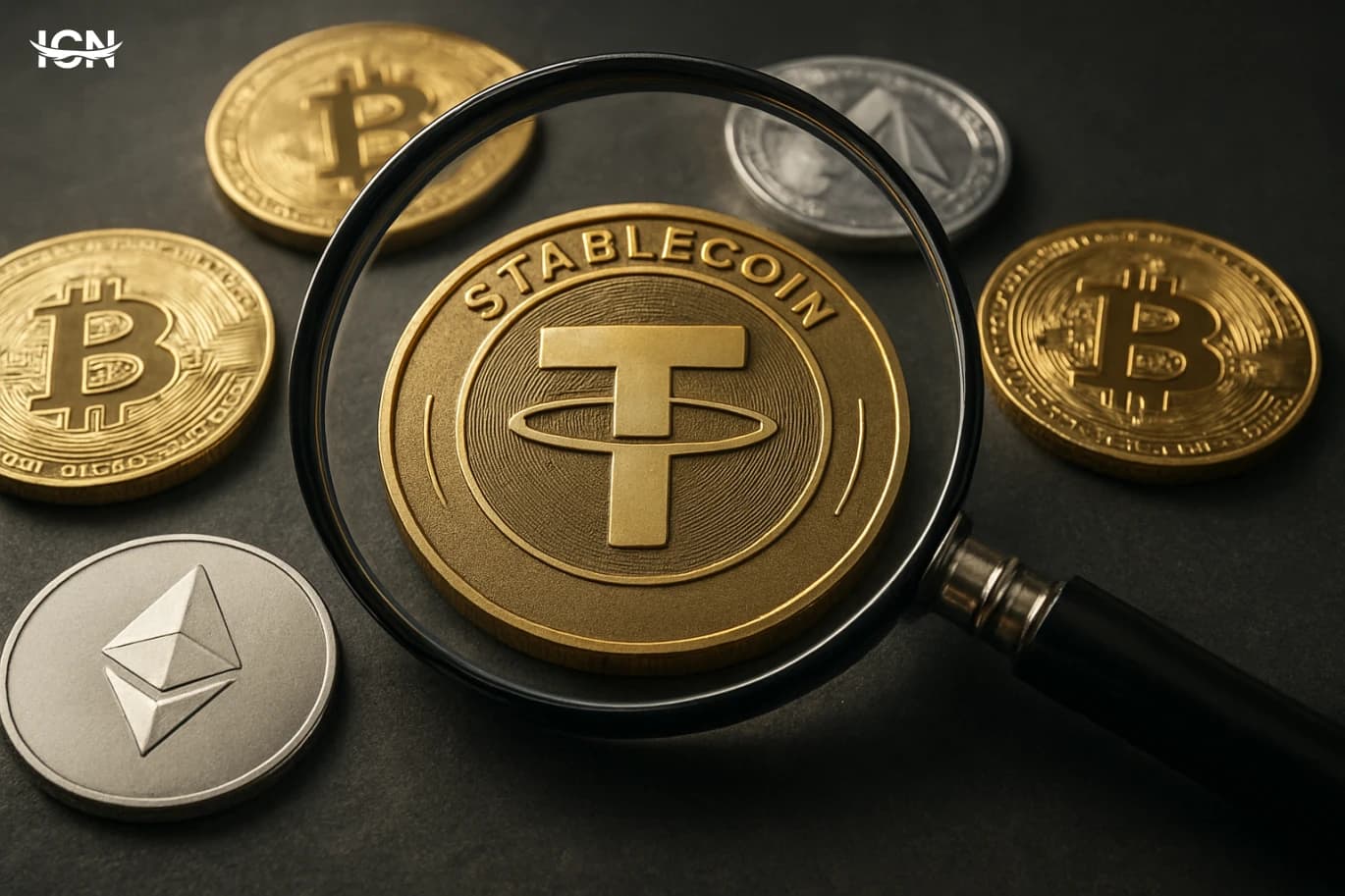
The word “backed” is often treated as a guarantee, but in practice it describes a set of choices about reserves, custody, and redemption. A stablecoin can claim to be backed 1:1, yet the quality of that backing depends on what sits in the reserve: cash, short-term government bills, bank deposits, repurchase agreements, or other instruments. The difference matters because reserves determine how quickly and reliably redemptions can be met during stress. Another key factor is where reserves are held and under what legal structure. Users typically do not have direct rights to the reserve assets; they have a claim on the issuer under specific terms. That means the issuer’s governance, audits, and operational controls become part of the risk profile. Regular attestations can help, but they are not the same as a full audit, and they may not capture intraday changes in exposures. Redemption mechanics are equally important. Some issuers offer direct redemption only to large, verified customers, while retail users rely on secondary markets. In calm periods, that difference is invisible. In a rush for exits, it can become decisive, because the market price can deviate from the peg even if the reserve is theoretically sufficient. Understanding “backed” therefore requires looking beyond marketing and into the practical ability to redeem at scale.
The New Risk Map for Users
Stablecoin risk in 2026 is less about a single dramatic collapse and more about a chain of smaller failures that compound. One category is liquidity risk: even high-quality reserves can be hard to mobilize instantly if redemptions spike, banking rails slow down, or settlement windows close. Another category is counterparty risk, including exposure to custodians, banks, and service providers that handle reserve assets or issuance operations. Technology adds its own layer. Many stablecoins circulate across multiple blockchains and bridges. A token may be “native” on one network and “wrapped” on another, creating different risk levels depending on the route used. Smart contract vulnerabilities, bridge outages, or misconfigured minting controls can disrupt transfers and temporarily trap funds. Market structure risk is also growing. Some stablecoins are deeply integrated into lending pools, automated market makers, and collateral systems. If a stablecoin depegs even slightly, liquidation cascades can amplify the move and create feedback loops. For users, this means the stablecoin choice is not only about the issuer; it is also about where the coin is used, what protocols depend on it, and how quickly positions can be unwound without large losses.
Regulation and Transparency Trends
Regulatory attention is increasingly focused on reserve quality, redemption rights, and operational resilience. Instead of broad statements about “compliance,” the market is seeing more concrete expectations: clearer disclosures about asset composition, more frequent reporting, segregation of reserves, and documented risk controls. For users, these changes can improve baseline safety, but they can also lead to fragmentation where certain stablecoins are easier to access in some jurisdictions than others. Transparency is also evolving beyond PDF reports. Some issuers are experimenting with more granular disclosures, third-party dashboards, and on-chain proofs for specific reserve components. While these tools can enhance visibility, they are not a universal solution. Proof mechanisms may cover only part of the balance sheet, and they do not automatically address legal enforceability or the ability to redeem during a crisis. A practical takeaway is that “regulated” does not mean “risk-free.” It often means clearer rules for what happens under stress and better-defined responsibilities. Users should watch for plain-language redemption policies, the frequency and scope of attestations or audits, and whether the issuer provides a consistent track record of meeting large redemption waves without prolonged price dislocations.
How to Evaluate a Stablecoin
A disciplined evaluation starts with three questions: What backs it, how can it be redeemed, and where is it most used? On backing, look for a breakdown of reserve assets and whether the issuer emphasizes cash and short-term government bills versus more complex instruments. On redemption, check who can redeem directly, what minimums apply, and how quickly redemptions have historically been processed. Next, assess operational and ecosystem exposure. If you primarily use a stablecoin on a specific blockchain, confirm whether the token is native there or relies on a bridge. If you use it in lending or liquidity pools, consider how a small depeg would affect your position through interest rate spikes, collateral haircuts, or liquidation thresholds. Finally, apply basic concentration management. Many users treat stablecoins as a single category, but diversification can reduce the impact of an issuer-specific issue or a chain-specific outage. Keeping a portion in bank rails, holding more than one stablecoin, and avoiding overreliance on a single protocol are practical steps. The goal is not to eliminate risk, but to ensure that a temporary disruption does not become a personal liquidity crisis.
What to Watch in the Next 12 Months
Over the next year, the most important signals will be behavioral, not promotional. Watch how stablecoins perform during market stress: do they hold close to the peg on major venues, do redemption queues form, and do fees spike when users rush to move funds? Real-world stress tests reveal more than calm-period metrics. Also track shifts in reserve reporting and product design. If an issuer changes the composition of reserves, introduces new yield features, or expands aggressively into new chains, those moves can alter the risk profile. Growth is not automatically bad, but rapid expansion can strain controls, partners, and customer support during high-volume events. Finally, pay attention to interoperability and settlement improvements. Better on-chain liquidity, more robust cross-chain infrastructure, and clearer redemption pathways can reduce friction for users. At the same time, new integrations can create new dependencies. A careful user will treat stablecoins as critical infrastructure: useful, efficient, and worth monitoring with the same attention given to any system that holds day-to-day liquidity.