Stablecoin Reserves Under the Microscope

- Why Reserves Matter to Everyday Users
- What Counts as a Reserve and What Does Not
- Reading Attestations and Audit Reports Like a Pro
- Stress Scenarios That Test the Peg
- A Practical Checklist Before You Hold or Use One
Why Reserves Matter to Everyday Users
Stablecoins are often treated like digital cash: a quick way to move value between exchanges, pay contractors, or park funds during volatile market swings. That convenience depends on a simple promise—one token should reliably match one unit of currency. Reserves are the practical mechanism behind that promise. If a stablecoin issuer holds high-quality assets that can be converted to cash quickly, redemptions are more likely to work smoothly even when many users want out at the same time. For everyday users, reserves are not an abstract accounting detail. They influence whether you can redeem at par, how quickly withdrawals clear, and whether the token keeps trading close to its peg during stress. They also affect the hidden costs you pay: a stablecoin that frequently drifts off its peg can create slippage, unexpected losses on conversions, and operational headaches for businesses that need predictable cash flows. Understanding what “backed” really means is the first step toward using stablecoins responsibly.
What Counts as a Reserve and What Does Not
Not all reserves are equal. At the conservative end are cash and cash equivalents that can be sold quickly with minimal loss, such as short-dated government securities. These instruments tend to be easier to value, easier to audit, and less likely to freeze during market stress. Moving outward on the risk spectrum, some issuers may hold longer-dated bonds, corporate debt, secured loans, or other assets that can be harder to liquidate quickly without taking a haircut. Users should also distinguish between “reserves” and “capital.” Reserves are the assets intended to back redemptions. Capital is the buffer that absorbs losses if reserve assets decline in value. A stablecoin can claim to be fully backed while still having thin capital, meaning a small shock could impair redemption capacity. Another common confusion is between “on-chain collateral” and “off-chain reserves.” Some stablecoins are backed by crypto collateral visible on-chain, while others rely on bank-held assets and third-party custodians. Each model has different transparency trade-offs, and neither is automatically safer without looking at the details.
Reading Attestations and Audit Reports Like a Pro
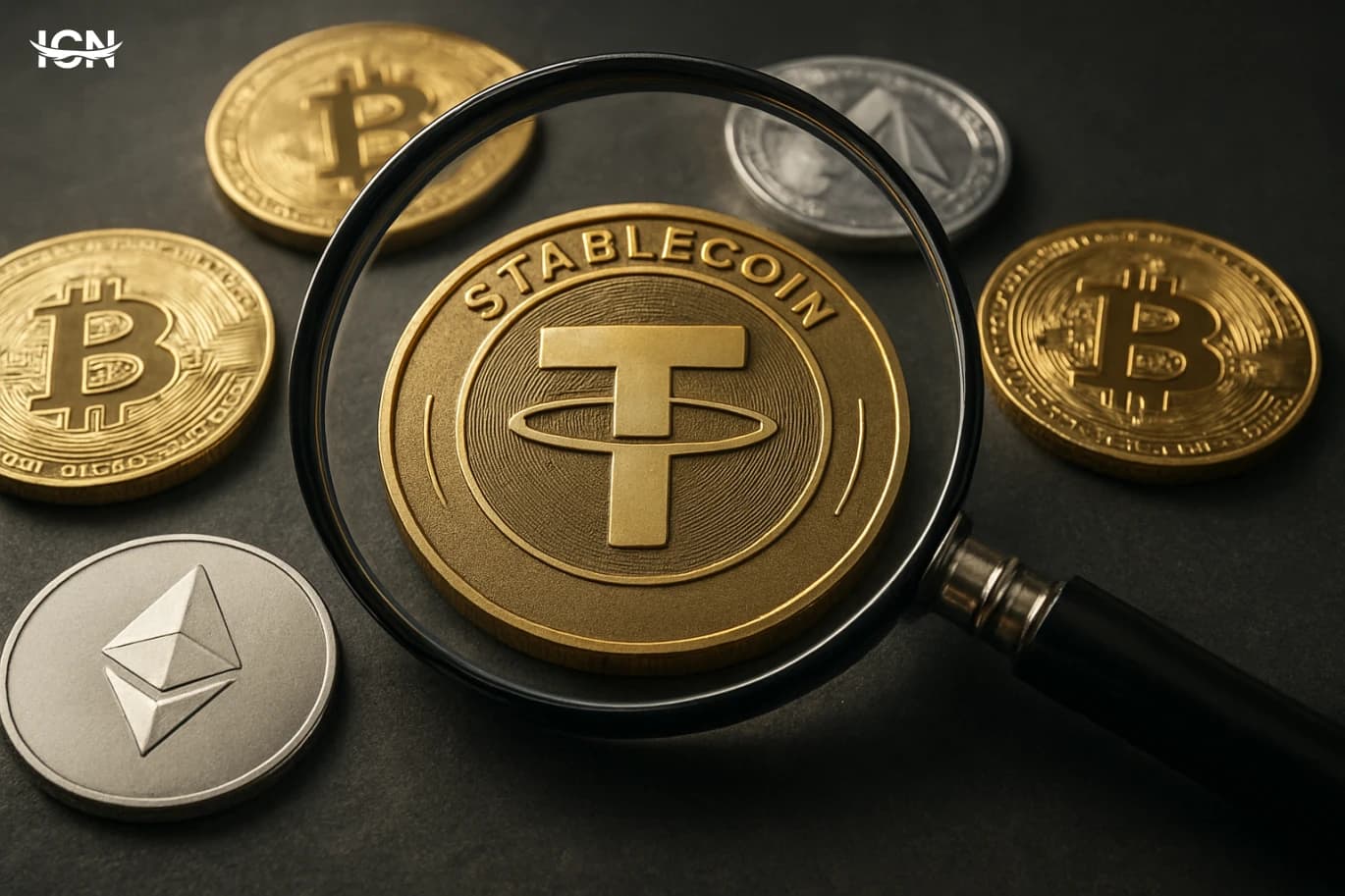
Many issuers publish periodic attestations or audit reports, but the labels can be misleading. An attestation typically confirms that, at a specific date and time, reported assets matched reported liabilities under a defined methodology. It is not always a full audit of internal controls, risk management, or the ongoing quality of assets. A full audit is broader, but even audits vary in scope, frequency, and the standards applied. When reading these documents, focus on a few practical checkpoints. First, look for the breakdown of assets by type and maturity: short-dated government securities generally behave differently from longer-dated or credit-sensitive instruments. Second, check where assets are held and who the custodians are; concentration in a single bank or custodian can create operational risk. Third, examine whether liabilities include all tokens in circulation and any other obligations. Finally, note the reporting cadence. A snapshot once a month can miss rapid changes, so users should also watch for real-time disclosures, governance updates, and clear redemption policies that explain fees, limits, and timelines.
Stress Scenarios That Test the Peg
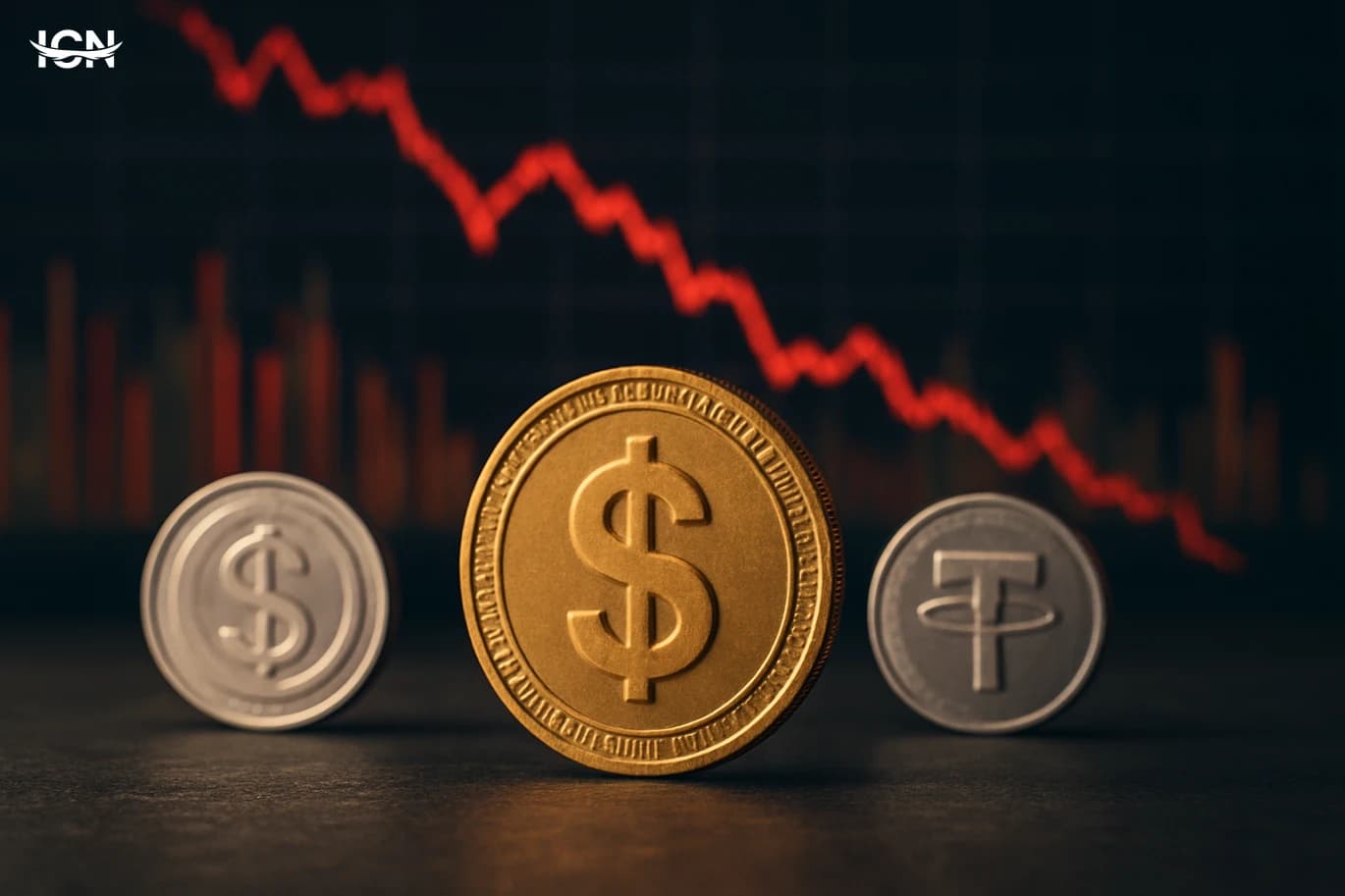
Stablecoins are most vulnerable when many holders try to redeem simultaneously. In a classic “run” scenario, the issuer must sell reserve assets quickly to meet redemptions. If those assets are illiquid or subject to market discounts, the stablecoin can trade below its peg, which can accelerate redemptions and deepen the problem. Even without a full run, temporary dislocations can occur when banking rails are closed, when settlement windows are limited, or when a custodian experiences operational delays. Another stress scenario involves interest-rate moves. If an issuer holds longer-dated bonds, rising rates can reduce the market value of those bonds. If the issuer must sell to fund redemptions, losses become realized rather than paper losses. Credit events are also relevant: corporate debt or loan portfolios can deteriorate quickly in a downturn. For users, the practical takeaway is to watch for reserve compositions that prioritize liquidity and short duration, and to understand whether the issuer has clear procedures for handling large redemption waves without changing terms midstream.
A Practical Checklist Before You Hold or Use One
Before adopting a stablecoin for savings, payroll, or treasury operations, treat it like choosing a financial service provider. Start with transparency: does the issuer publish frequent, detailed reserve reports with asset categories, maturities, and named custodians? Next, evaluate redemption access. Some stablecoins are easy to redeem only for large institutional clients, while retail users rely on secondary markets where the price can deviate. Understand minimums, fees, and processing times. Then consider concentration and dependency risks. If the stablecoin depends heavily on a single banking partner, a single jurisdiction, or a narrow set of market makers, operational disruptions can show up as price wobbles. Review the token’s historical peg behavior during volatile days and note how quickly it recovered. Finally, align the stablecoin with your use case. A trader moving funds between exchanges may prioritize liquidity and market depth, while a business paying invoices may prioritize predictable settlement and clear compliance processes. The best choice is rarely the one with the loudest marketing; it is the one with the clearest disclosures and the most resilient redemption design.