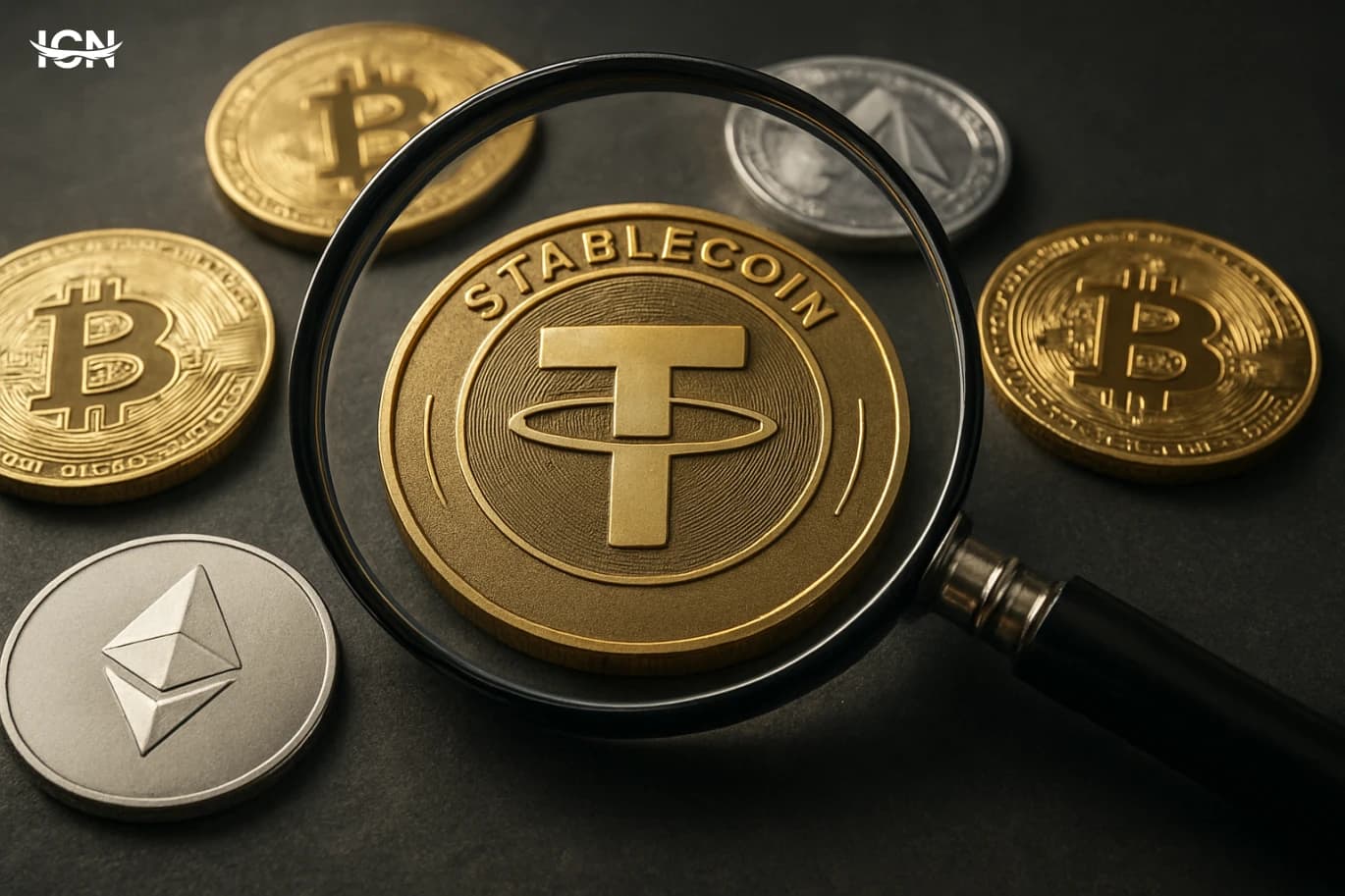
Stablecoin Transparency in Everyday Payments

- Why Stablecoins Became the Payment Shortcut
- What “Backed” Really Means
- The Transparency Checklist Users Can Verify
- How Merchants and Consumers Experience Risk
- Regulation, Standards, and the Next Year of Change
Why Stablecoins Became the Payment Shortcut
Stablecoins moved from a niche trading tool to a practical payment rail because they reduce price swings while keeping the speed of crypto transfers. For freelancers, small exporters, and online merchants, the appeal is simple: send value across borders in minutes, often at lower fees than card networks or international bank wires. In many markets, stablecoins also act as a bridge between local currencies and global digital commerce, especially when access to foreign currency is slow or expensive. But the same feature that makes stablecoins convenient—users treating them like “digital cash”—creates a new expectation: people want to know whether the token is actually backed, how quickly it can be redeemed, and what happens during market stress. In payments, trust is not optional. A stablecoin used for payroll, subscriptions, or supplier invoices must behave predictably not only on a good day, but also when liquidity tightens, redemptions spike, or the issuer faces operational problems. This is where transparency becomes a core product feature, not a marketing slogan.
What “Backed” Really Means
Not all stablecoins are backed in the same way. Some are designed to be redeemable for a fiat currency held in bank accounts, while others rely on short-term government securities, cash equivalents, or a mix of instruments. There are also crypto-collateralized models that lock other digital assets in smart contracts, and designs that use on-chain mechanisms to manage supply. For a payments user, the practical question is not the label but the redemption reality: what assets sit behind the token, how liquid they are, and whether they can be converted to cash quickly without losses. A transparent stablecoin should clearly disclose its reserve composition, concentration risks, and custody arrangements. If reserves include instruments with maturity dates, users should know the average maturity and how the issuer handles large redemptions. If reserves are held with multiple custodians, the issuer should explain how it manages counterparty risk and operational access. These details matter because a stablecoin can appear stable on an exchange while still carrying hidden liquidity or credit risks that only show up when many users try to redeem at once. For everyday payments, the best signal is a straightforward redemption policy: who can redeem directly, what minimum amounts apply, what fees exist, and how long settlement takes. A stablecoin that is widely used but difficult to redeem directly can still function in normal times, yet it becomes fragile when market confidence weakens.
The Transparency Checklist Users Can Verify
Transparency is often discussed in broad terms, but payment users can look for concrete signals. First, regular reserve reports should be published on a predictable schedule, not only during calm periods. The report should show asset categories, amounts, and where possible, the share held in cash and near-cash instruments. Second, independent assurance matters. An audit is not the same as an attestation, and both have limits, but a credible third-party review with clear scope is better than self-reported numbers. Third, users should check whether the issuer provides real-time or near-real-time on-chain data that matches the circulating supply. While reserves may sit off-chain, the token supply is visible on-chain, and a transparent issuer explains how supply changes relate to issuance and redemption. Fourth, governance and risk disclosures should be accessible: who controls minting keys, what internal controls exist, and what happens if a custodian or banking partner becomes unavailable. Fifth, legal and operational clarity is part of transparency. Payment users should be able to find the terms of service, redemption rights, and jurisdictional limitations without digging through obscure documents. Finally, incident history matters. A transparent issuer documents outages, delays, or policy changes and explains what was done to prevent recurrence. In payments, reliability is measurable, and past performance under stress is often more informative than promotional claims.
How Merchants and Consumers Experience Risk
In daily commerce, stablecoin risk shows up in practical ways. A merchant cares about settlement finality, chargeback-like disputes, and whether the token can be converted to local currency at predictable rates. If liquidity dries up on local exchanges, the merchant may face higher spreads, delayed cash-outs, or the need to accept a different stablecoin. Consumers care about wallet usability, network fees, and whether a token remains accepted by major platforms. Transparency affects these experiences because it influences market confidence. When reserve information is clear and consistently updated, liquidity providers and exchanges are more willing to support tight spreads. When information is vague, platforms may impose limits, increase fees, or pause certain services during uncertainty. Even if a stablecoin maintains its peg most of the time, a short-lived deviation can disrupt payroll runs, subscription billing, or cross-border invoices. For merchants, a sensible approach is to treat stablecoins as a payment method with operational controls: define which tokens are accepted, set automatic conversion thresholds, and maintain a backup rail such as bank transfer or card payments. For consumers, risk management can be as simple as avoiding keeping all balances in a single token, understanding redemption options, and monitoring official issuer updates rather than relying on rumors.
Regulation, Standards, and the Next Year of Change
Stablecoin transparency is increasingly shaped by regulation and industry standards. Many jurisdictions are moving toward clearer rules on reserve quality, segregation of assets, disclosures, and redemption timelines. Even where formal regulation is still evolving, large payment platforms and exchanges often impose their own listing requirements, which can push issuers toward better reporting and stronger controls. Over the next year, users should expect more standardized reporting formats, more frequent disclosures, and stronger language around who has redemption rights. Another likely shift is the growing role of tokenized real-world assets and regulated custodians, which may improve clarity but also introduce new dependencies on traditional financial infrastructure. At the same time, competition among stablecoins may push issuers to differentiate on transparency, reliability, and customer support rather than only on market size. For readers who use stablecoins for payments, the practical takeaway is to watch for measurable commitments: published reporting schedules, named assurance providers, clear redemption policies, and documented incident response. These are the signals that a stablecoin is being built for everyday commerce, not only for trading volume.