Choosing Tires That Fit Your Real Driving
- Why tires matter more than most upgrades
- Read the sidewall without getting lost
- Match the tire to your climate and roads
- Budget smartly without buying the cheapest
- Daily habits that extend tire life
Why tires matter more than most upgrades
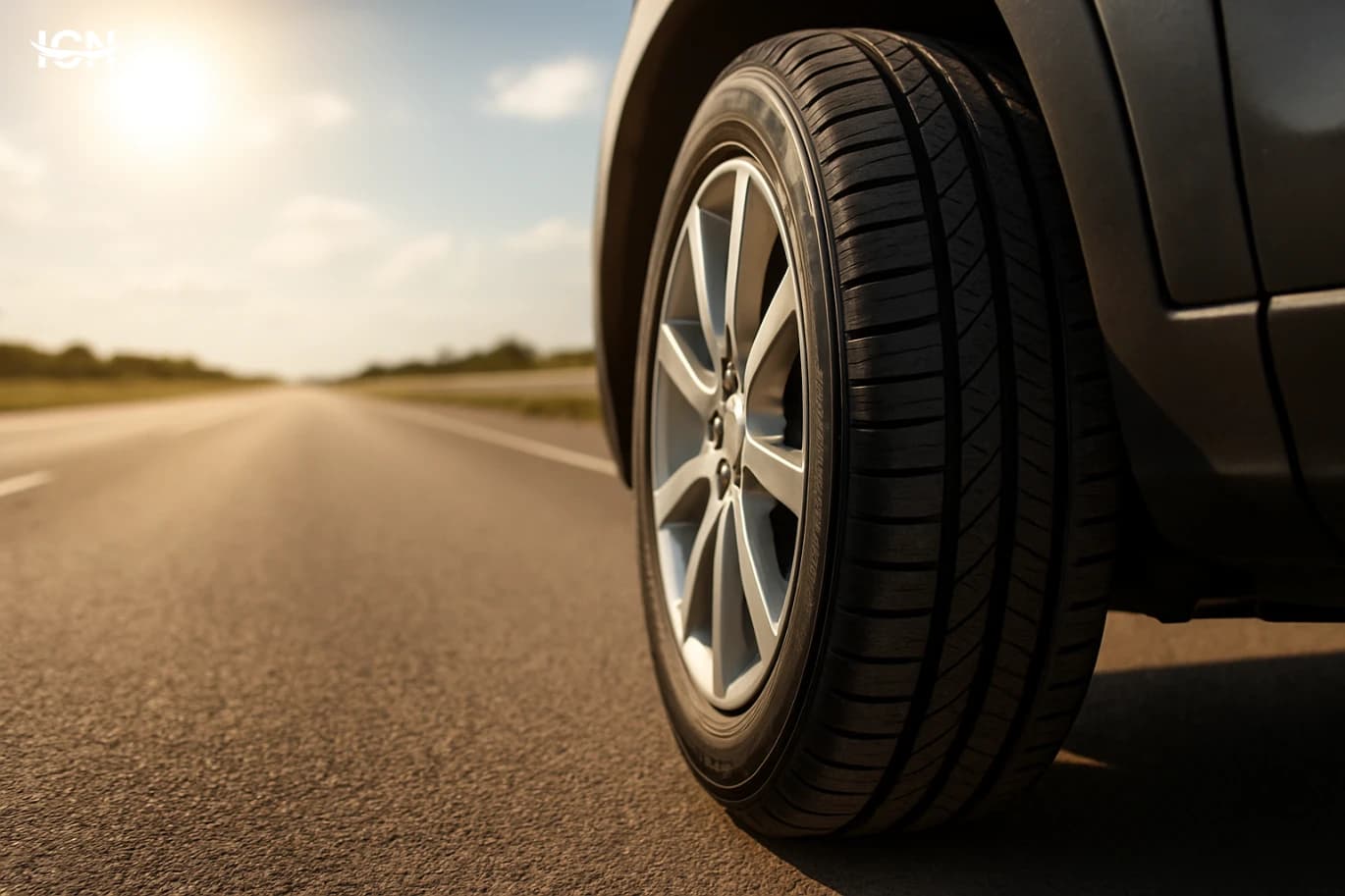
Many drivers spend money on visible upgrades—wheels, lights, audio—while the single part that most directly affects stopping distance, steering feel, and ride comfort is the tire. Tires are the only contact patch between your vehicle and the road, and that contact area is roughly the size of a few postcards per tire. When grip is limited, modern safety systems such as ABS and stability control can only work within the traction available. A better tire can shorten braking distances, reduce wheelspin when pulling away, and improve confidence in quick lane changes. Tires also shape everyday costs. Rolling resistance influences fuel or energy consumption, and the wrong tire can add noticeable road noise on highways. For motorcycles, tire choice affects turn-in, stability mid-corner, and wet-road confidence, and it can change how quickly the bike warms up on short commutes. Treat tires as a performance, safety, and comfort decision at the same time, not a simple replacement item.
Read the sidewall without getting lost
The tire sidewall looks like a code, but a few items matter most. Start with size: for a common car tire like 205/55R16, the first number is width in millimeters, the second is aspect ratio (sidewall height as a percentage of width), and the last is wheel diameter in inches. Changing these affects ride comfort, steering response, and speedometer accuracy. If you change size, keep overall diameter close to original and confirm load capacity. Next are load index and speed rating. The load index is a number that corresponds to a maximum load per tire; the speed rating is a letter that indicates the maximum speed capability under specified conditions. Even if you never drive near that speed, the rating often correlates with construction and heat tolerance. For SUVs and trucks, look for markings like XL (extra load) or LT (light truck) when your vehicle requires them. Also check the DOT date code: the last four digits show week and year of manufacture. A tire can look new but be old stock. For motorcycles, pay attention to front and rear specifications; mixing incompatible profiles can change handling. The goal is not to memorize everything, but to verify size, load, speed, and date before you buy.
Match the tire to your climate and roads
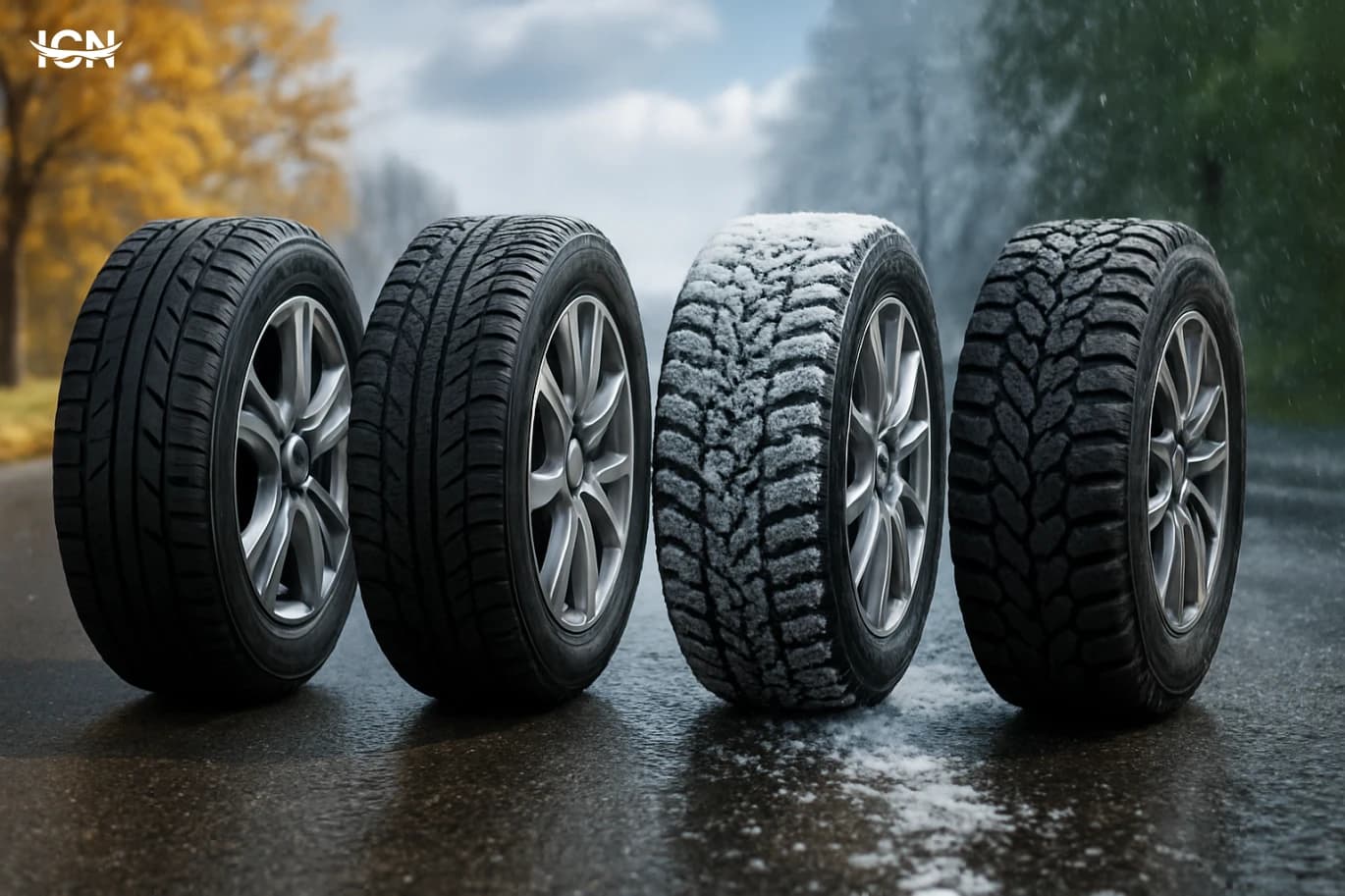
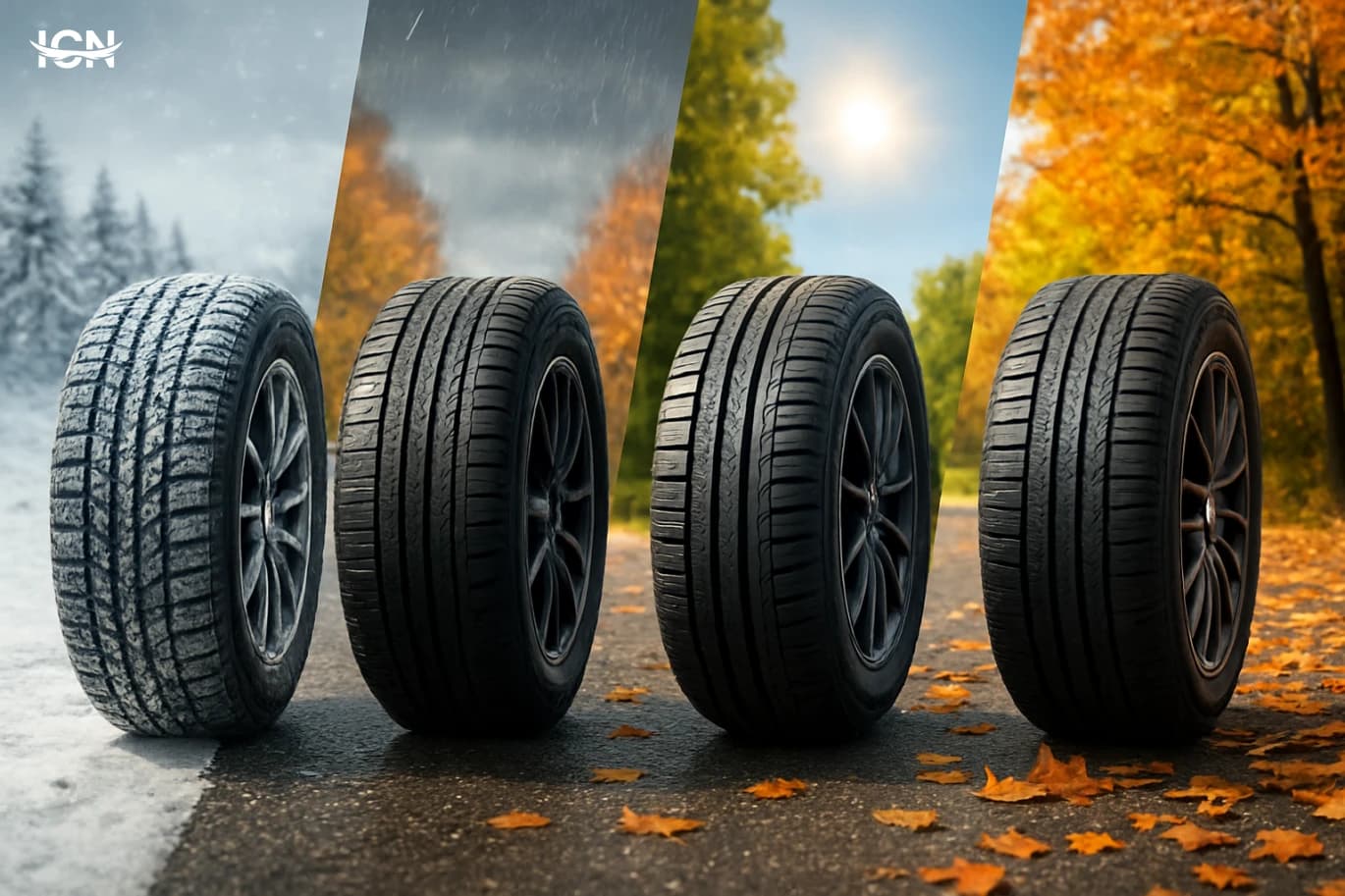
The biggest mistake is buying a tire based on a friend’s recommendation without considering local conditions. In hot climates, heat management and compound durability matter; a tire that performs well in mild weather may wear quickly or feel greasy on very hot asphalt. In rainy regions, prioritize wet braking and hydroplaning resistance, which depend on tread design and rubber compound. All-season tires are popular because they balance comfort, noise, and longevity, but they are not identical across brands. Some are tuned for low rolling resistance, others for wet grip. Summer tires typically offer better dry and wet performance in warm temperatures but can harden and lose grip in cold conditions. For drivers who see real winter conditions, dedicated winter tires provide a major advantage in cold traction and braking. Road quality also matters. If your daily route includes rough pavement, potholes, or construction zones, consider stronger sidewalls, appropriate load ratings, and a tire known for impact resistance. For motorcycles, commuting on dusty roads or frequent rain may justify a sport-touring tire rather than a track-focused option. The right tire is the one that matches your most common week, not your most exciting weekend.
Budget smartly without buying the cheapest
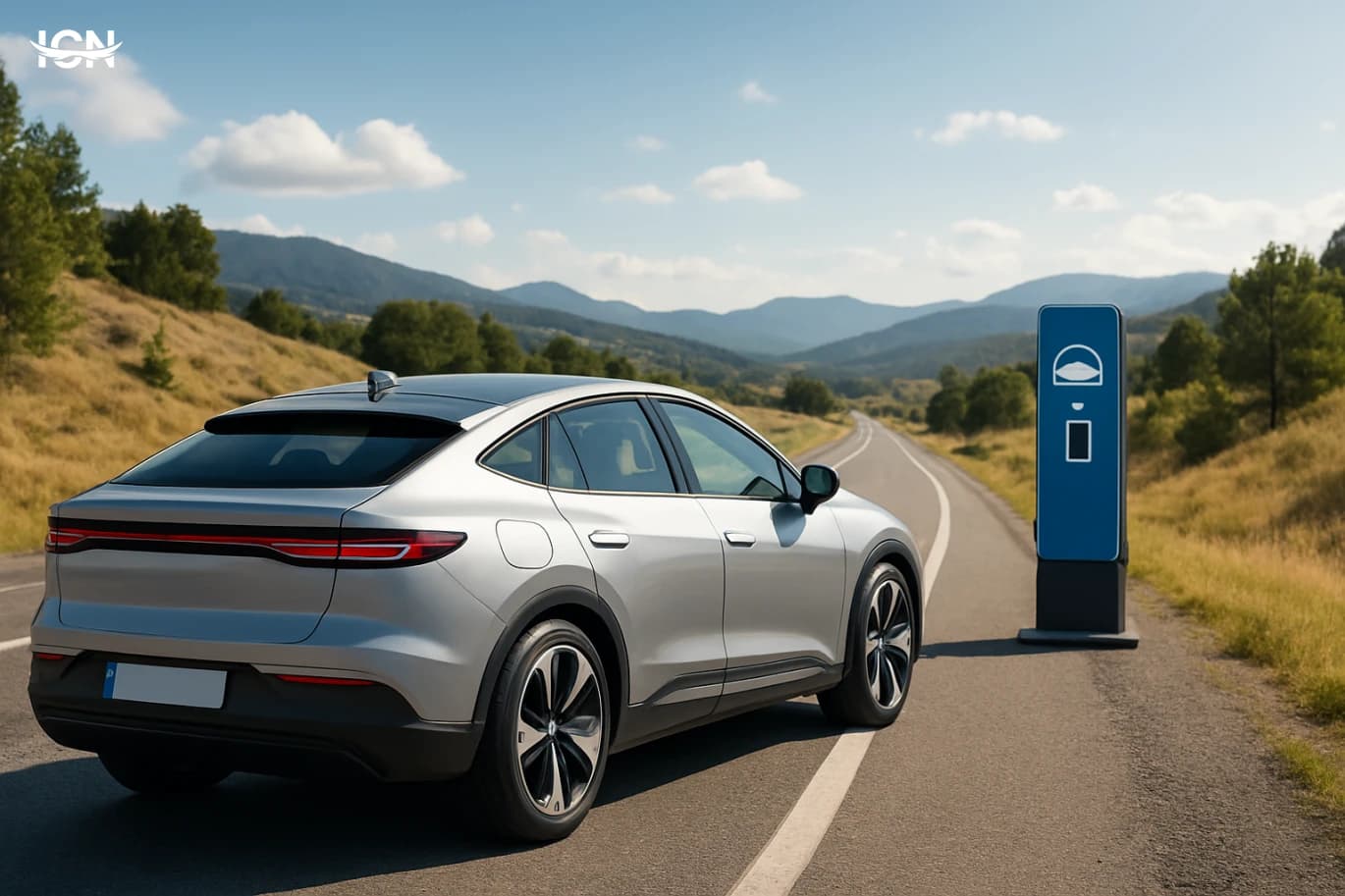
Tire pricing can be confusing because the same size may vary widely in cost. Instead of focusing on the lowest price, compare value using three factors: performance in your conditions, expected mileage, and warranty or support. A cheaper tire that wears out 30% sooner or increases fuel consumption can cost more over time. Look for independent test results when available, especially for wet braking and noise. Pay attention to the tire’s category: touring tires often prioritize comfort and longevity; performance tires prioritize grip; eco tires prioritize efficiency. For motorcycles, consider how quickly a tire squares off on highway commuting versus how it behaves on twisty roads. Also budget for the full job: mounting, balancing, valves, alignment checks for cars, and proper disposal. An alignment issue can destroy a new set quickly, and uneven wear is often blamed on the tire when the real cause is suspension or alignment. If you drive an EV, consider tires designed for higher torque and weight, and check for noise-reducing features if cabin quiet matters to you.
Daily habits that extend tire life
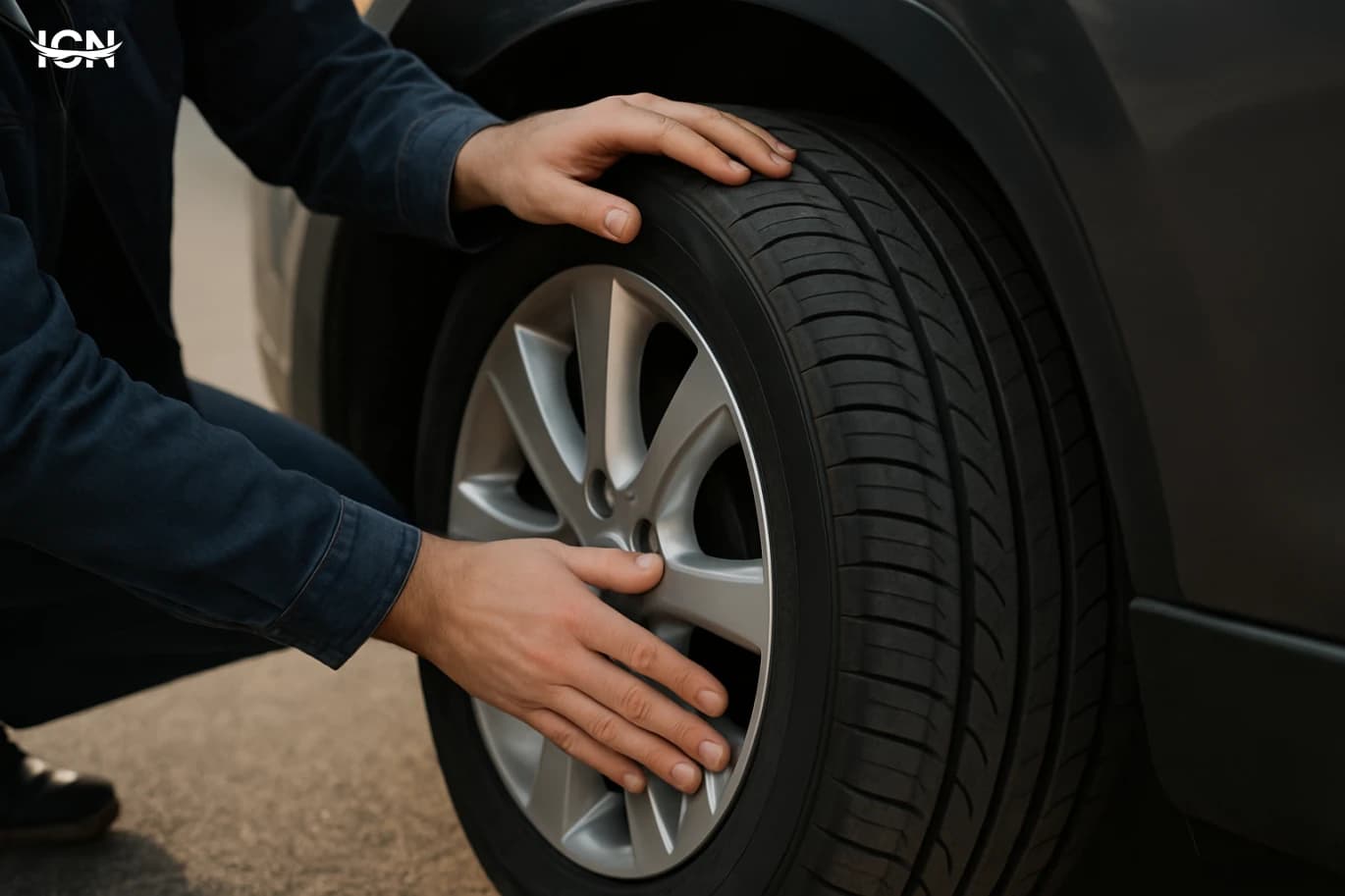
The easiest way to protect your tire investment is basic maintenance. Check pressure at least monthly and before long trips, using a reliable gauge and measuring when tires are cold. Underinflation increases heat and shoulder wear; overinflation can reduce comfort and centralize wear. Follow the vehicle placard pressures, not the maximum pressure printed on the tire. Rotate tires on cars according to your drivetrain and wear pattern, typically every 8,000–12,000 km, and balance if you feel vibration. Inspect tread depth and look for uneven wear, cuts, or bulges. For motorcycles, keep pressures correct and inspect for punctures, embedded debris, and abnormal wear on the edges or center. Driving style matters too. Hard launches, late braking, and aggressive cornering accelerate wear and can overheat the rubber. Smooth inputs extend life and often improve efficiency. Finally, store seasonal tires properly: clean, dry, away from direct sun and heat sources. These habits do not require special tools, but they can add months of safe use and reduce the chance of unpleasant surprises on the road.