App Logo

Download Our App

Shop your way

logologo
Image

Chechen uniform

08/05/2025By: ICN
Chechen uniform

introduction

The history of Chechen uniforms dates back to the Chechen uniforms for many centuries, as ancient fashion reflects the effects of Chechen culture and popular traditions. Clothes are part of the cultural identity, and are characterized by their wonderful designs and bright colors. The importance of Chechen costume in culture is an important part of the Chechen uniform, as it is worn on occasions and celebrations. This uniform reflects the prevailing values and traditions of Chechen society, and works to strengthen social ties. Preserving heritage through fashion contributes to promoting national identity and pride in Chechen culture.

Chechen costume components

Dagestani is greatly characterized by Chechen uniforms by the presence of Dagestani, which is the traditional garments made of strong fabric. Black is dominated by colored decorative elements, adding an aesthetic touch to the outfit. This outfit is especially used by men on official occasions. Shalets and scarves are shawls and scarves. One of the basic ingredients for Chechen dress, as women wear them to decorate their clothes and add a touch of elegance. It is characterized by traditional designs and bright colors that reflect Chechen culture, which helps highlight the cultural identity of women.

Traditional colors in Chechen uniforms

Black and white are black and white colors of the essential colors in Chechen costume, as black symbolizes strength and power, while white expresses purity and peace. These colors interfere beautifully in designs, creating an attractive visual balance. Red and blue is also characterized by Chechen culture with bold colors such as red and blue. Red expresses pride and courage, while blue symbolizes calm and tranquility. These colors are used in both daily fashion and special events, which reflects the rich cultural heritage of Chechen people.

The development of Chechen uniforms through the ages

Traditional costume versus modern costume witnessed a remarkable development throughout the ages. Previously, it was characterized by traditional designs and bright colors, as these elements reflected Chechen cultural identity. Over time, young people began to adopt modern costume, which led to the overlapping of traditional methods with contemporary trends. The impact of social factors on the uniform changes, social and economic factors played a major role in the changing uniform changes. With the change of lifestyle and friction with other cultures, there has become a greater openness to modern clothing options, which contributed to the regeneration of the visual identity of Chechen dress and at the same time maintaining aspects of cultural heritage.

Chechen uniform for women

The traditional skirt is a traditional skirt as an essential part of the Chechen women's uniform. It is characterized by capacity and diversity in design, and is often made of colored fabrics that show high knitting skills. The skirt was expressing the cultural identity, as it was worn by women on social and religious occasions. Traditional women's motifs carry traditional women's motifs in Chechen uniforms, special symbols and connotations. It combines geometric shapes and bright colors that reflect cultural identity. These motifs are used in embroidery on clothes, which gives the costume an aesthetic touch that highlights the artistic heritage of Chechen women.

* All articles published on this blog are sourced from various websites and are provided for informational purposes only. They should not be considered as confirmed studies or accurate information. Please verify the information independently before relying on it.

Similar ARTICLES

The Japanese 20-Minute Skill Habit
Many people describe “laziness” when the real issue is friction: the task feels too big, the starting point is unclear, and the brain expects discomfort with no immediate payoff. A 20‑minute rule reduces that friction by shrinking the commitment to something that feels safe and finishable. In Japan, this idea is often linked in popular culture to a simple practice: start with a small, fixed time block, repeat it daily, and let consistency do the heavy lifting. Twenty minutes is long enough to enter focused work but short enough to avoid the mental resistance that comes with “I have to do this for hours.” It also creates a clear boundary: you are not promising perfection, only showing up. That boundary matters because it turns motivation into a byproduct of action rather than a prerequisite. When you complete a short session, you get a quick sense of progress, which makes the next session easier to begin. From a practical standpoint, 20 minutes also fits into real schedules. It can be placed before work, during a lunch break, or after dinner without requiring a major lifestyle change. Over a week, that is 140 minutes of deliberate practice. Over a month, it becomes roughly 10 hours. For many skills—basic conversation in a language, beginner coding, sketching fundamentals, or learning a new software tool—10 hours of structured repetition can produce visible improvement, which further reduces the feeling of “this is pointless.”
How Cities Shape Everyday Food Culture
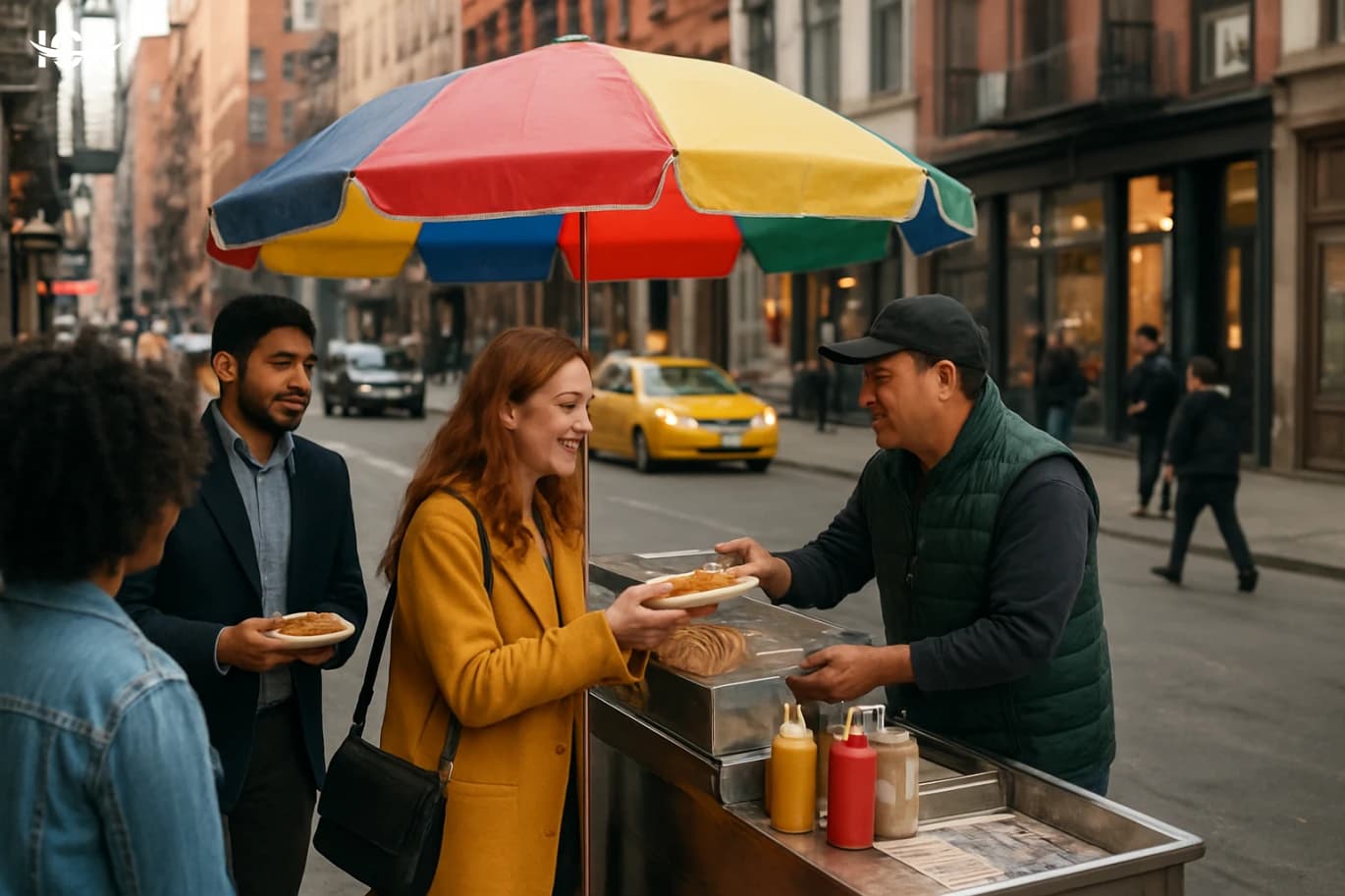
Urban food culture is built less by big restaurants and more by the small decisions people make on the way to work, school, or errands. In many cities, the first meal is not planned at home but chosen at a bakery window, a coffee kiosk, or a small grocery near transit stops. These places succeed because they match the city’s pace: quick service, predictable quality, and prices that fit daily budgets. The result is a shared routine where thousands of residents eat similar items at similar times, creating a recognizable local pattern. City design also shapes what becomes “normal” to eat. Dense neighborhoods with short walking distances support frequent small purchases, while car-dependent areas push larger weekly shopping trips and more home storage. Transit hubs create their own micro-markets: portable foods, drinks with lids, and items that can be eaten standing up. Over time, these practical constraints influence taste preferences and even portion sizes. What looks like a culinary trend is often a response to sidewalks, schedules, and the simple need to keep moving.
How Cities Keep Dialects Alive
In many large cities, daily life is shaped by mobility: new residents arrive for work, study, or family reasons, and long-time communities adapt to changing neighborhoods. In this environment, dialects are more than accents. They carry local history, social cues, and shared references that help people recognize each other and build trust quickly. A few words, a certain rhythm, or a familiar phrase can signal where someone grew up, what schools they attended, or which district their family is associated with. At the same time, urban life pushes people toward a more standardized way of speaking. Schools, customer service jobs, media, and digital platforms often reward speech that is widely understood and considered “neutral.” The result is a constant negotiation: residents shift between a city’s dialect and a more general variety depending on context. This blog topic examines how that negotiation plays out in real places, and why dialect preservation is not only a rural issue. Cities are major engines of cultural change, and they can also be strongholds of local speech when communities, institutions, and businesses treat dialect as a living asset rather than a barrier.
When Should Kids Use Phones
Parents often ask for a single “right age,” but pediatric and child-development guidance usually points to readiness and purpose rather than a birthday. For children under 2, personal phone use is generally discouraged because early learning depends on real-world interaction, movement, and face-to-face language exposure. Between 2 and 5, if screens are used, they work best as short, supervised sessions with high-quality content and an adult present to explain and connect ideas to daily life. From 6 to 9, many families introduce limited access for specific needs such as calling a parent, short educational activities, or a shared family device used in common areas. A personal smartphone becomes more relevant for some children around 10 to 12 when independent movement increases, school coordination becomes more complex, and peer communication expands. Even then, the “first phone” can be a basic device with calling and messaging, or a smartphone with strong parental controls and a clear usage plan. The key is to define why the phone is needed: safety communication, school logistics, or limited entertainment. If the primary reason is “everyone has one,” families often face more conflict and higher screen time. A practical rule is to start with the least capable device that meets the child’s real needs, then expand access only after consistent responsible behavior.
Tawakkalna’s Multilingual Hajj Services
Hajj brings together pilgrims from dozens of countries within a short, high-density season where time, directions, and official requirements must be handled quickly. In this context, language becomes a practical factor that can either smooth a pilgrim’s journey or create delays at checkpoints, service counters, and transport hubs. Tawakkalna’s support for 19 languages is designed to reduce that friction by presenting key government services in a format that more visitors can understand without relying on ad hoc translation. Multilingual access is especially important because many Hajj tasks are procedural: confirming identity details, checking permits, reviewing health guidance, and following official instructions for movement between sites. When these steps are communicated clearly, it helps pilgrims make correct decisions on the first attempt, which in turn reduces congestion and repeated inquiries. For organizers and public agencies, clearer self-service interactions can also improve throughput during peak hours. The 19-language approach is not only about convenience; it is also about consistency. Official messages delivered through a single platform can be updated quickly and distributed widely, limiting the risk of outdated or unofficial guidance circulating among groups. In a season where schedules and routes can change based on operational needs, having a trusted channel that speaks to users in their preferred language supports smoother coordination across the entire pilgrimage ecosystem.
How Museums Are Redesigning Visitor Culture
Museum-going has shifted from a quiet, linear walk through galleries to a more varied cultural outing shaped by time limits, mobile habits, and new expectations of comfort. Many visitors now plan shorter visits, choose a few highlights, and rely on digital maps rather than printed guides. This change is visible in the way people move: fewer long stops in every room and more purposeful routes that prioritize a single theme, a temporary exhibition, or a well-known artwork. Institutions are responding by treating the visit as a designed experience rather than a simple display of objects. Entry flows, signage, seating, and even lighting are being adjusted to reduce fatigue and help visitors maintain attention. Museums also have to serve mixed audiences at once: first-time tourists, local families, students, and specialists. The result is a new visitor culture where the museum is not only a place to see collections, but also a public space for learning, rest, and social time, with clear implications for how culture is consumed and shared.
Why Arabic Is Called the Language of Dad
“Language of Dad” is a popular nickname for Arabic that points to a specific sound: the letter ض (dad). In everyday use, the phrase suggests that Arabic has a distinctive phonetic identity and a long cultural history tied to speech, writing, and literature. The nickname is not an official linguistic classification, but it became widely used in schools, media, and cultural writing as a shorthand for Arabic’s uniqueness. The idea behind the label is simple: many Arabic speakers believe that ض is strongly associated with Arabic and that it is difficult for non-native speakers to pronounce accurately. Over time, the nickname turned into a cultural marker. It is often used in contexts such as Arabic Language Day, educational campaigns, and discussions about preserving standard Arabic alongside local dialects. In practice, calling Arabic the “Language of Dad” is less about a single letter and more about celebrating the language’s identity and continuity across centuries.
How Cities Shape Modern Food Traditions
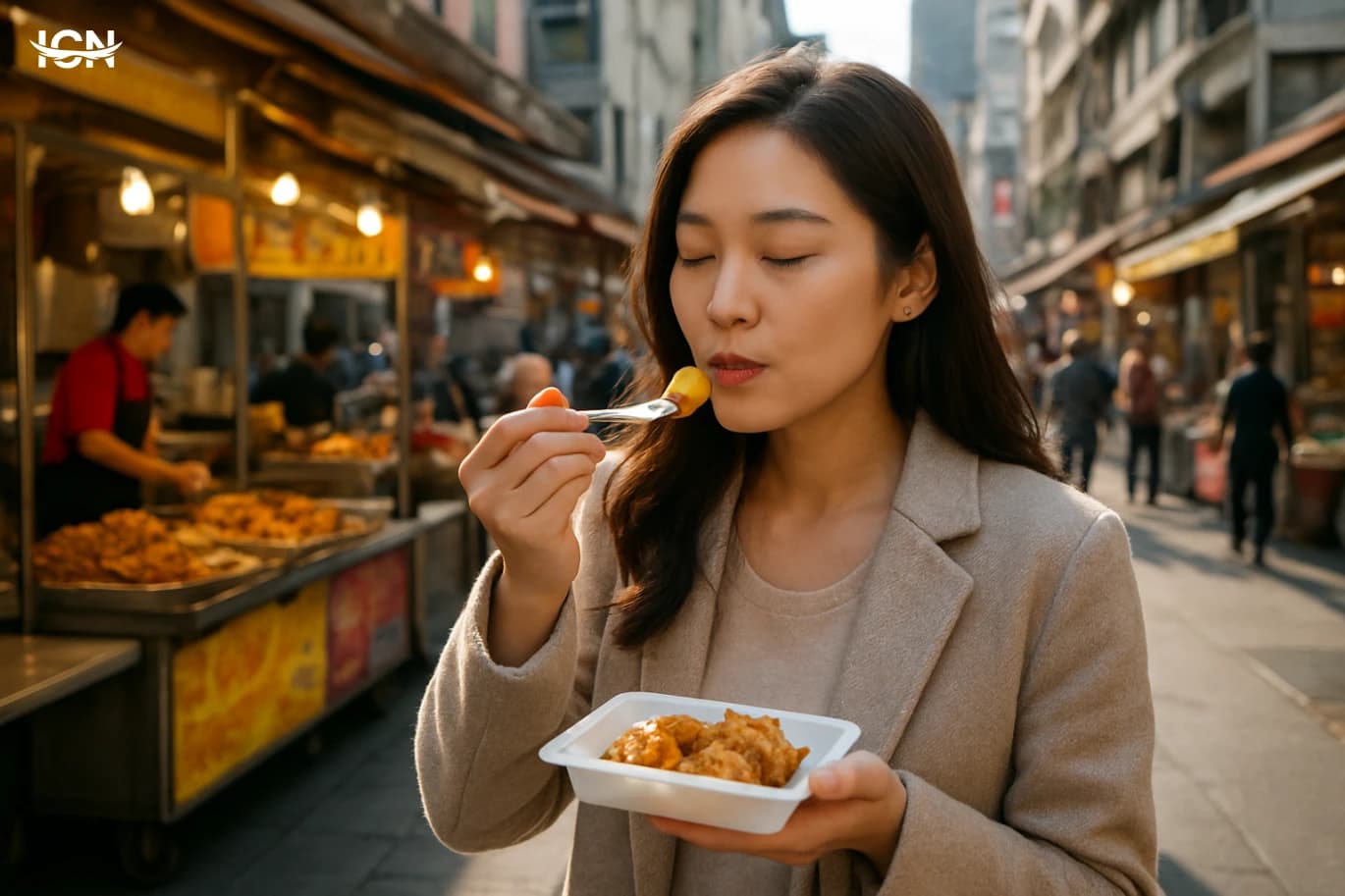
Urban food culture evolves quickly because cities concentrate people, jobs, and daily routines into tight spaces. When commuting times, office schedules, and housing costs shift, eating habits follow. A neighborhood that gains a new transit line often sees a wave of small cafés and takeaway counters because foot traffic becomes predictable. In many cities, lunch breaks are short and dinner happens late, so menus adapt with faster service, smaller portions, and extended hours. The rise of delivery platforms has also changed what “local” means: a resident can order from across town, which pushes restaurants to compete on packaging, consistency, and speed as much as taste. Cities also amplify trends through visibility. A new dish can spread from one street to another in weeks because people share recommendations in group chats, review apps, and short videos. At the same time, urban consumers are diverse, and that diversity encourages hybrid menus: bakeries that sell both traditional pastries and globally familiar items, or street stalls that mix regional spices with modern formats like wraps and bowls. These changes are not random; they reflect the city’s infrastructure, work patterns, and the constant negotiation between convenience and identity.
How Your Upbringing Place Shapes You
Where you grow up is not only a backdrop; it is a daily system that sets routines, expectations, and limits. Neighborhood design affects how much freedom children have to move around, meet peers, and practice independence. In a walkable area with nearby parks, libraries, and shops, young people often learn to navigate public spaces early, negotiate rules with adults outside the family, and build confidence through small responsibilities. In car-dependent areas, social life can depend more on family schedules, which can strengthen family coordination but reduce spontaneous peer interaction. The local economy also shapes what “normal” looks like. In places where many adults work shifts or multiple jobs, children may learn early time management and self-reliance, but they may also experience tighter household planning and fewer shared meals. In communities with stable working hours and accessible services, families may have more predictable routines, which can support structured extracurricular activities. Over time, these patterns influence personality traits such as planning, sociability, and tolerance for uncertainty, not because of a single event, but because of repeated daily practice.
How Cities Curate Culture Through Public Libraries
Public libraries are often described as quiet buildings full of books, but in many cities they function as cultural infrastructure with measurable impact. They shape what residents read, how they learn, and where they gather without needing to buy a ticket. A library’s collection policy, opening hours, and neighborhood branches influence which voices are easy to access and which remain distant. In practice, libraries act as a city’s most consistent cultural venue, operating year-round and serving people across income levels. Their cultural role is also visible in how they preserve local memory. City archives, oral history projects, and neighborhood newspaper collections frequently sit inside library systems, not museums. When a library digitizes photographs, maps, or community newsletters, it is deciding what becomes searchable and shareable for future generations. That decision affects school projects, local journalism, and even how newcomers understand the city’s identity. In this way, libraries do not just store culture; they actively organize it.
How Cities Are Building Night Culture
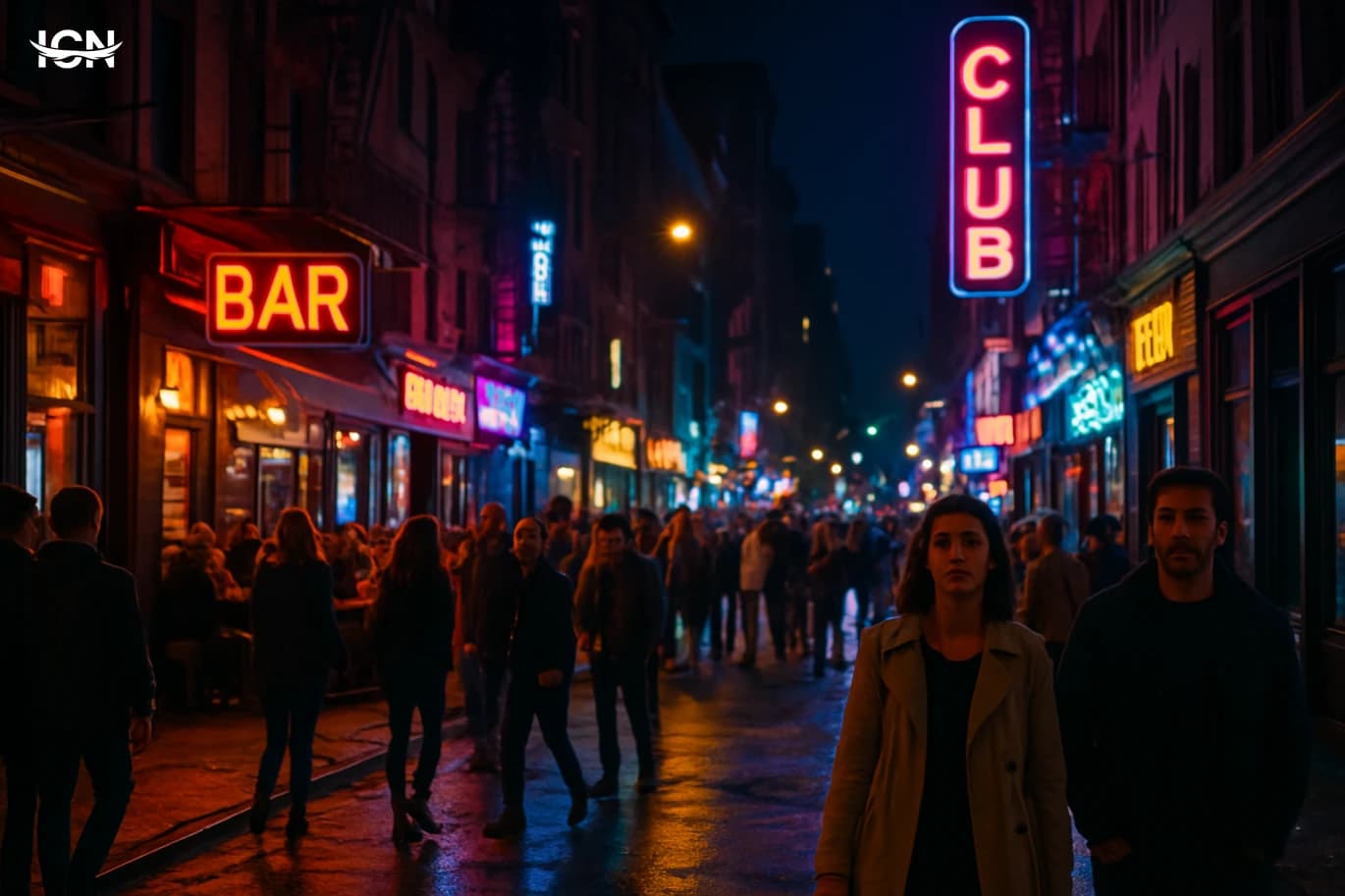
Night culture is no longer limited to entertainment districts or late venues. In many cities it describes a broader set of habits, services, and public spaces that operate after dark: late-opening libraries, evening markets, outdoor film screenings, museum nights, and safe transport options that make participation possible for more people. It also includes the informal side of urban life, such as food stalls, street musicians, and neighborhood gatherings that become visible when daytime routines end. This shift is partly economic. Cities increasingly treat the evening economy as a way to support small businesses, extend retail hours, and spread visitor activity beyond peak daytime periods. But it is also cultural. After-work time has become a key window for social life, especially in dense urban areas where people commute, share housing, or have limited leisure time during the day. The result is a growing interest in how the night can be planned, curated, and made inclusive rather than left to chance.
Unusual Morning Rituals Around the World
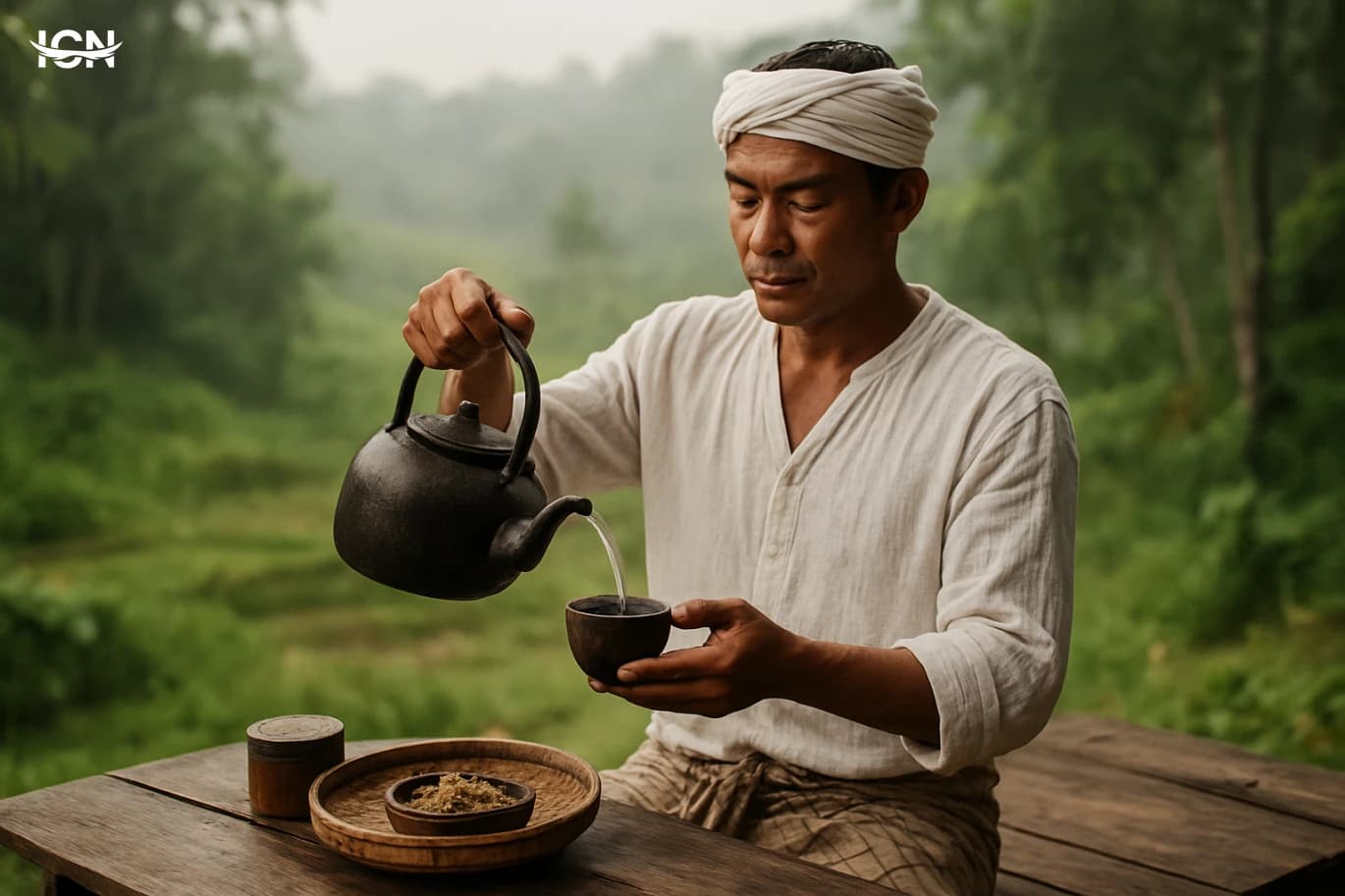
Morning routines are one of the few daily windows people can shape before work, school, and obligations take over. Across cultures, that early hour becomes a practical tool: it sets pace, reduces decision fatigue, and creates a predictable start that can carry through the day. What looks “strange” from the outside is often a local solution to climate, schedule, or community life. In many places, mornings are also the time when public spaces are quiet enough for shared habits to form. Parks, courtyards, riverbanks, and neighborhood streets turn into informal stages for rituals that mix health, social connection, and identity. Some practices are centuries old; others are modern trends that spread through travel and media. The common thread is intent: a deliberate act that signals the day has begun. This article looks at distinctive morning habits from different regions, focusing on what people do, where it happens, and why it persists. The goal is not to rank customs as odd or normal, but to show how varied “a good start” can be—and how a small change in the first hour can break a repetitive routine without requiring a major lifestyle overhaul.
How Cities Shape Everyday Food Traditions
Food culture is often described through famous dishes, but everyday habits tell a clearer story about how people actually live. In cities, routines around breakfast, lunch breaks, and late-night snacks are shaped by commuting patterns, working hours, and the availability of small businesses. A neighborhood with dense public transit and walkable streets tends to support quick, frequent purchases from bakeries, kiosks, and corner cafés. Areas built around long car commutes often push meals into fewer, larger occasions, with more reliance on supermarkets and batch cooking. Urban food habits also matter because they influence which skills and tastes get passed on. When a city’s housing is smaller and kitchens are compact, residents may cook differently, choosing dishes that require fewer tools or shorter preparation. When rent is high and storefront turnover is fast, long-standing family-run eateries can be replaced by standardized chains, changing what becomes “normal” to eat. Looking at these patterns is a practical way to understand culture as something produced daily, not only celebrated on holidays.
By clicking the SUBSCRIBE button, you are agreeing to our Privacy & Cookie Policy If you want to unsubsribe the marketing email, please proceed to our privacy center.
© 2005-2026 ICN. All Rights Reserved.