Buying a Used Hybrid Without Regrets
- Why used hybrids are booming
- Battery reality check
- The test drive that reveals problems
- Maintenance costs and what owners skip
- Negotiation and paperwork that protect you
- Best-fit buyer profiles and final checklist
Why used hybrids are booming
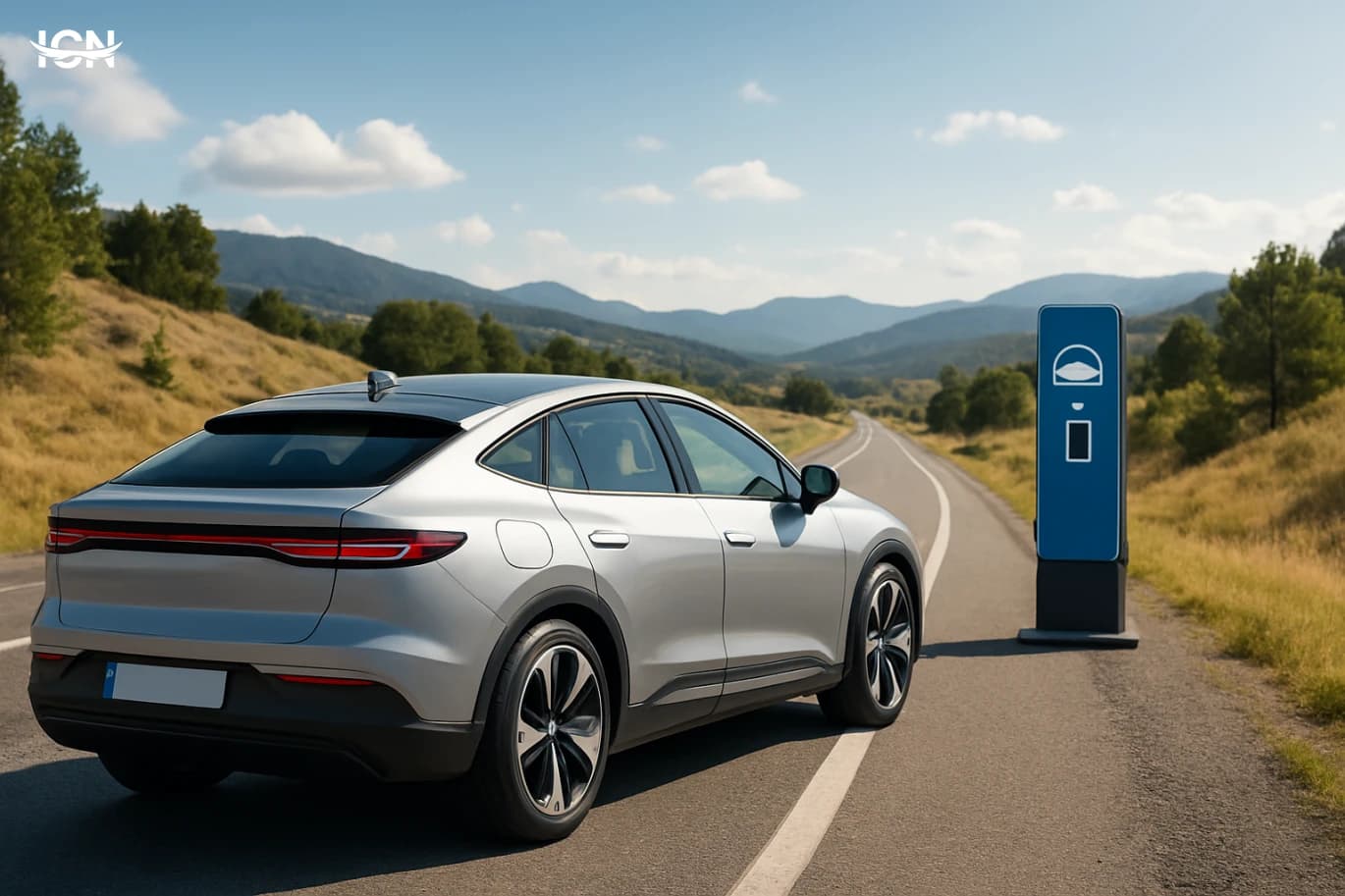
Used hybrids have moved from niche to mainstream because they offer a practical middle ground between conventional cars and full EVs. In many cities, drivers want lower fuel bills without changing their daily routine around charging. A hybrid can deliver noticeable savings in stop-and-go traffic, where regenerative braking and electric assist do the most work. That makes them attractive to commuters, ride-hailing drivers, and families who spend time in urban congestion. The second driver is price. New-car prices and interest rates have pushed many buyers toward the used market, and hybrids often hold their value better than comparable gasoline models. That can sound like bad news, but it also signals demand and easier resale later. The key is to buy the right example: a well-maintained hybrid with a clear service history can be a dependable long-term car, while a neglected one can turn into an expensive lesson. A third factor is model maturity. Popular hybrids like the Toyota Prius, Corolla Hybrid, Camry Hybrid, and Honda Insight have been on the road for years, so independent workshops understand them, parts availability is better, and common issues are well documented. The result is a market where informed buyers can shop confidently—if they know what to check beyond the usual used-car checklist.
Battery reality check
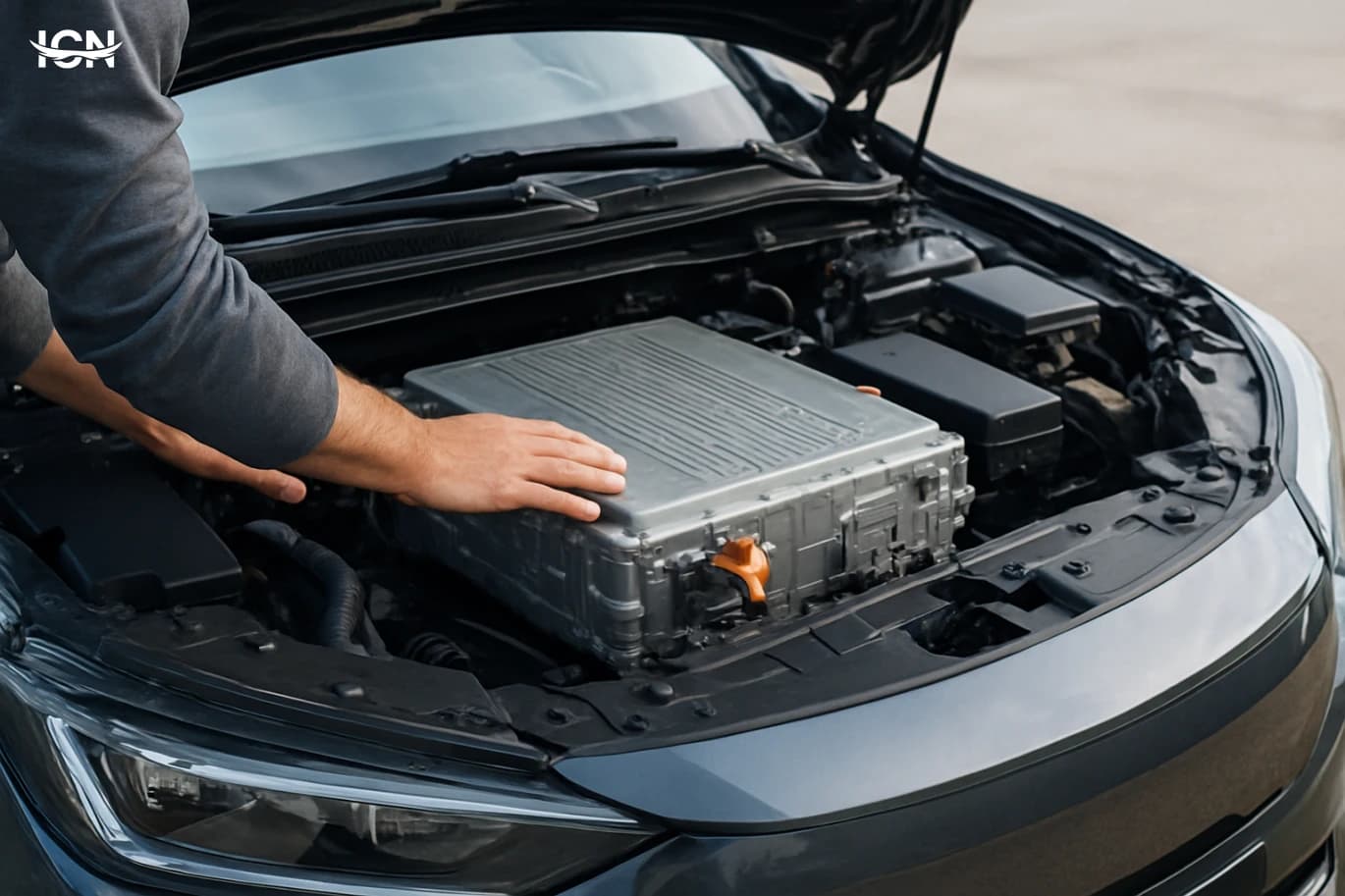
The hybrid battery is the part most buyers worry about, and it deserves attention—but not panic. Battery packs age with time, heat exposure, and repeated deep cycling. Many hybrids are designed to keep the battery within a safe charge window, which slows degradation. Still, a 10-year-old car in a hot climate can show reduced electric assist and lower fuel economy compared with its early years. Before you buy, ask for evidence, not promises. Look for service records showing cooling system maintenance, especially if the model uses a battery cooling fan and filter. A clogged fan can raise battery temperatures and accelerate wear. During a test drive, pay attention to how often the gasoline engine runs at low speeds. If the engine is constantly on in light traffic, the battery may be weak or the car may have other issues such as a failing 12V battery. A practical step is to request a battery health report from a dealer or a hybrid-specialist workshop. Many can read state-of-health data and cell balance through diagnostic tools. This is not a perfect prediction of remaining life, but it is far better than guessing. Also research replacement options in your area: some markets offer new OEM packs, others rely on refurbished packs with varying quality. Knowing the typical cost range helps you price the risk into the deal rather than being surprised later.
The test drive that reveals problems
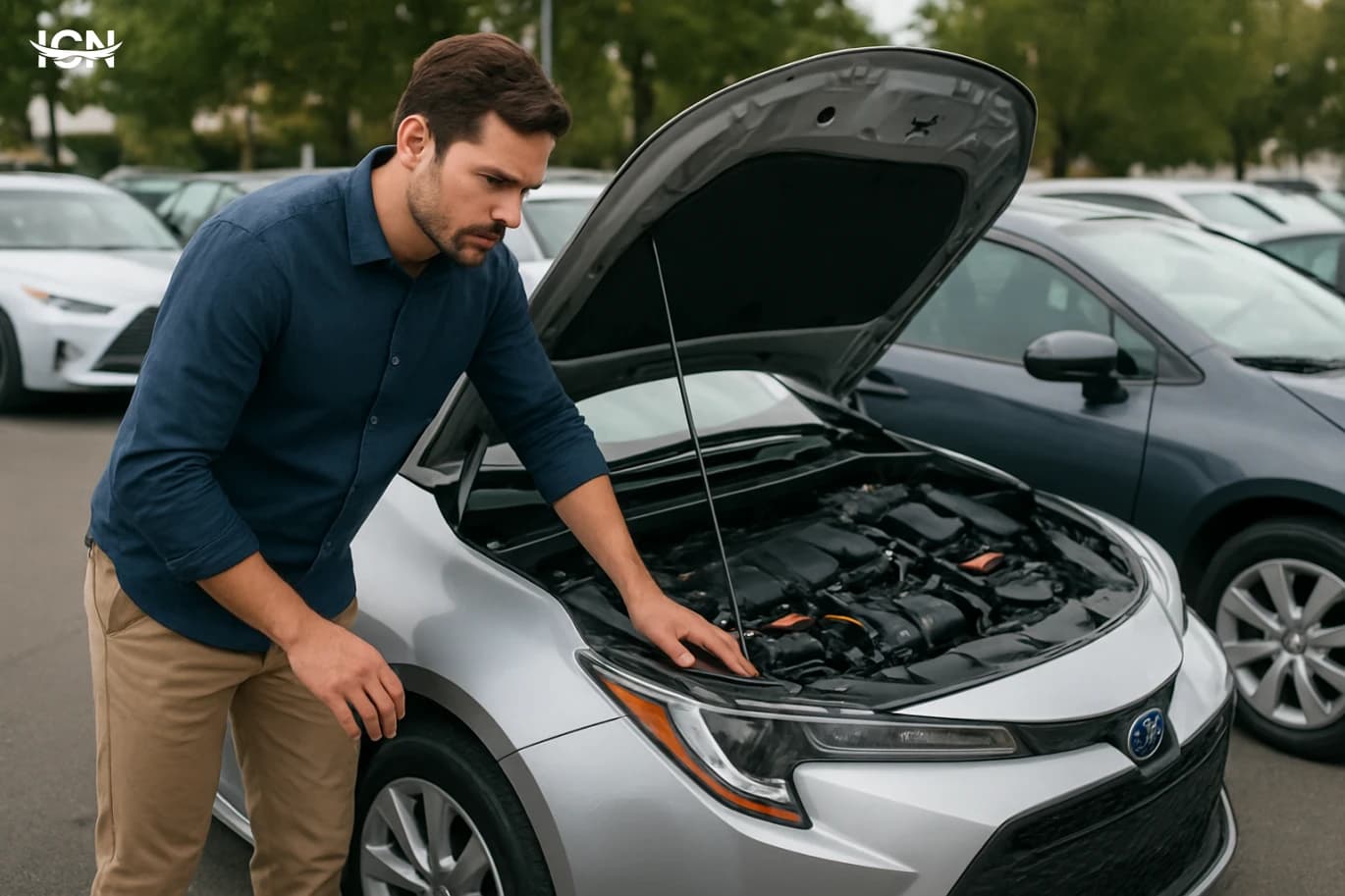
A hybrid test drive should be structured, not casual. Start with a cold start if possible. Listen for rough idle, rattles, or warning lights that disappear after a minute. Hybrids can mask issues because the engine may shut off at stops, so you want to observe the transition between electric and gasoline operation multiple times. Plan a route that includes slow city driving, a short highway stretch, and a few moderate accelerations. In city traffic, the car should glide smoothly on electric power at low speeds when conditions allow. Jerky engagement, loud clunks, or delayed response can point to drivetrain mounts, transmission issues, or software faults. On the highway, watch the engine RPM behavior; it should be stable and not surge without a clear reason. Use the car’s energy monitor if available. You are not looking for perfect numbers, but for consistency: charging during braking, reasonable battery level swings, and predictable engine starts. Also test the brakes carefully. Hybrids blend regenerative and friction braking; a spongy pedal, vibration, or inconsistent stopping can indicate worn pads, warped rotors, or issues in the brake actuator on some models. Finally, check the basics that still matter: tires (uneven wear can signal alignment problems), suspension noises over bumps, air conditioning performance (important because some hybrids use electric compressors), and the condition of the 12V battery. A weak 12V battery can cause strange warnings and intermittent faults that look more serious than they are.
Maintenance costs and what owners skip
Hybrids are not maintenance-free, but they can be predictable when serviced on schedule. Oil changes, filters, coolant, and spark plugs still matter. Some owners assume the engine works less and delay oil changes; that can lead to sludge and higher consumption. Follow the manufacturer interval, and if the car has a history of short trips, consider slightly shorter intervals. Cooling systems deserve special attention. Many hybrids have separate cooling loops for the engine and the inverter/electric components. Neglecting inverter coolant can be costly because overheating can damage power electronics. Ask when the inverter coolant was last replaced and whether the correct fluid was used. Brake wear can be lower because regenerative braking does part of the work, but that can create a different issue: pads and calipers may corrode or stick if the car is driven gently for years. During inspection, look for uneven pad wear and make sure the car stops smoothly. Tires also affect fuel economy more than many buyers realize; low-rolling-resistance tires can improve efficiency, while mismatched or cheap tires can increase noise and consumption. Finally, verify recall and software update history. Hybrids rely heavily on control software, and updates can address drivability issues, battery management, and warning-light glitches. A car with complete dealer records is not automatically perfect, but it reduces uncertainty and gives you a clearer picture of what has been done and what is due next.
Negotiation and paperwork that protect you
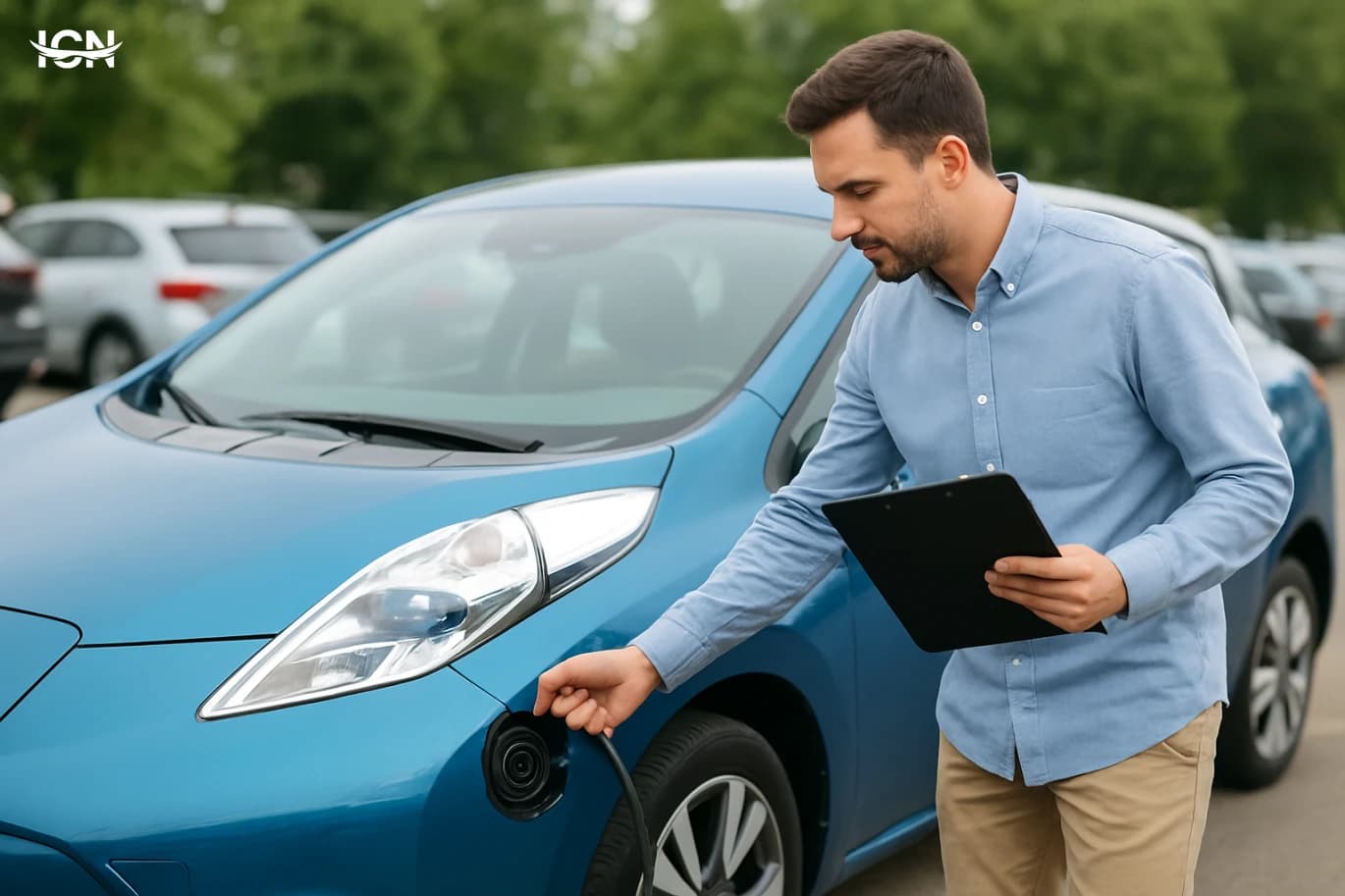
Negotiating a used hybrid is easier when you bring specific findings. If a battery report shows reduced capacity, or if tires and brakes are near end-of-life, convert that into a clear cost estimate and use it to justify your offer. Avoid vague arguments like “hybrids are risky.” Sellers respond better to documented inspection notes and quotes from reputable workshops. Paperwork matters more than many buyers think. Confirm the VIN matches all documents, check accident and insurance history where available, and verify that the car is not subject to unpaid loans or legal holds. Ask for all keys, including smart keys; replacements can be expensive and sometimes require dealer programming. If your market allows it, insist on a pre-purchase inspection at a workshop that understands hybrids. This is not only about the battery. A proper inspection can catch coolant leaks, inverter pump issues, suspension wear, and hidden crash repairs. If the seller refuses a reasonable inspection, treat that as a signal and be ready to walk away. Consider a short warranty if offered by a reputable dealer, but read the exclusions carefully. Some third-party warranties exclude hybrid components or cap payouts in ways that make them less useful. The goal is not to buy paperwork; it is to reduce your exposure to the few high-cost failures that can turn a good deal into a bad one.
Best-fit buyer profiles and final checklist
A used hybrid is a strong fit for drivers who spend time in urban traffic, want lower fuel consumption, and prefer a familiar refueling routine. It also suits buyers who keep cars for several years and value reliability over performance. It may be less ideal for drivers who do mostly high-speed highway miles in very hot conditions, or for buyers who cannot access hybrid-capable service in their area. Before you commit, run a final checklist. Confirm there are no warning lights and that a scan shows no stored critical codes. Review service history for regular oil changes and coolant work, including inverter coolant where applicable. Check the 12V battery age, tire condition, and brake feel. Request a battery health assessment or at least a diagnostic readout from a specialist. Price the car based on condition, not on the badge alone. Two identical models can be worlds apart depending on heat exposure, maintenance discipline, and how the car was driven. If the numbers work and the inspection is clean, a used hybrid can deliver years of efficient, low-stress ownership—without the uncertainty that many first-time buyers fear.